
.png?width=48&height=48&name=Group%201%20(3).png)























9 March, 2026

Addressing Behavioral Concerns of a Child: A Guide
Key Highlights
- Behavioral disorders in children involve challenging behaviors that are more severe than typical naughtiness for their age.
- Common types include attention deficit hyperactivity disorder (ADHD), oppositional defiant disorder (ODD), and conduct disorder.
- Recognizing signs of disruptive behavior, such as frequent tantrums and defiance, is the first step toward getting help.
- It's important to distinguish between normal misbehavior and persistent patterns that might indicate an underlying disorder.
- Early intervention and support are key to helping children manage their behavior and improve their mental health.
- Treatment options often involve parent training, therapy, and sometimes medication management.
Introduction
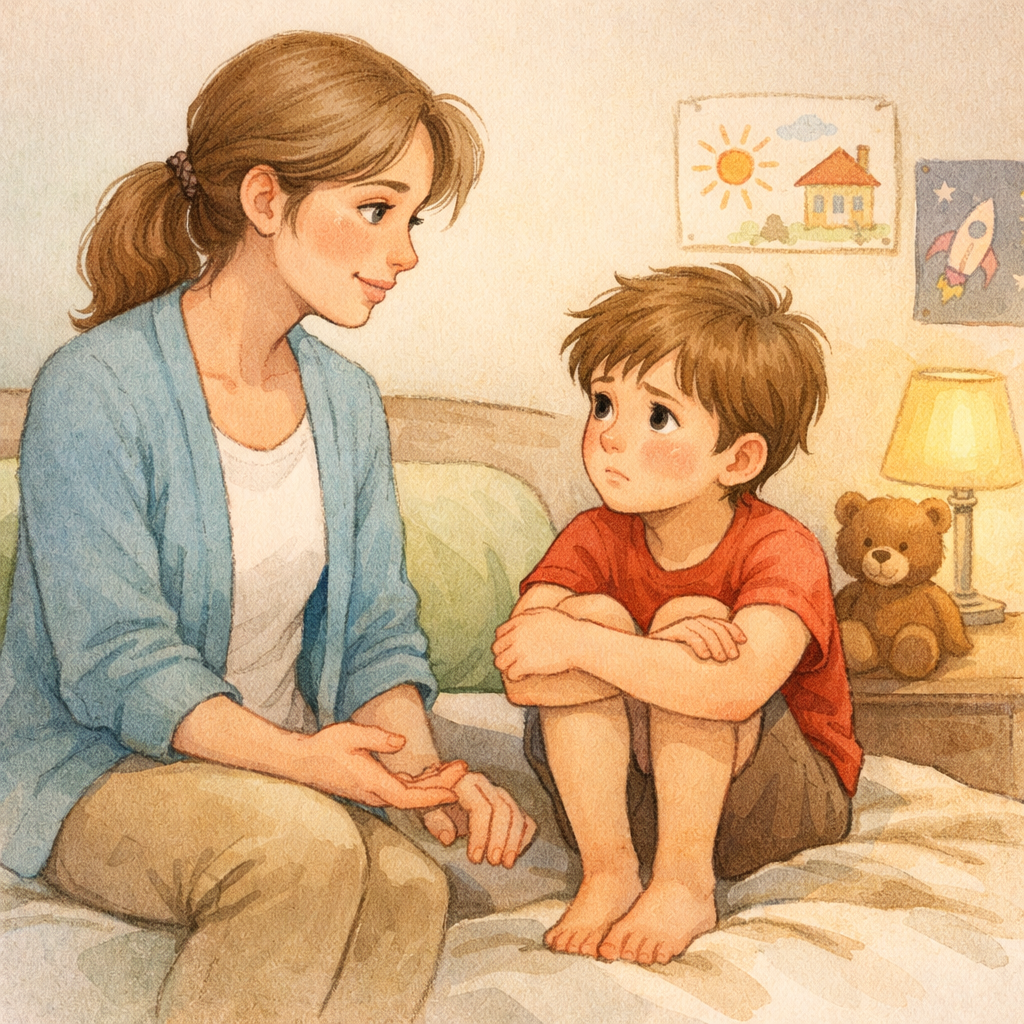
All young children can be defiant or impulsive from time to time, and that's a perfectly normal part of growing up. However, you might notice that your child’s behavior is challenging, well beyond what's typical for their age. These patterns could be temporary reactions to stress or signs of more enduring behavioral disorders. Understanding the difference is crucial for supporting your child's well-being and finding the right path forward for your family.
Common Types of Behavioral Disorders
Frequent tantrums, outbursts, or defiance in children may signal more than simple misbehavior—they can indicate underlying issues. Common disruptive behavior disorders include oppositional defiant disorder (ODD), conduct disorder (CD), and attention deficit hyperactivity disorder (ADHD).
Other conditions, such as disruptive mood dysregulation disorder (DMDD), anxiety, depression, or autism spectrum disorders, can also cause challenging behaviors. Because these disorders often share symptoms, a specialist’s diagnosis is essential. Here’s a closer look at some of these conditions.
Oppositional Defiant Disorder and Conduct Disorder
Oppositional defiant disorder (ODD) is marked by persistent anger, irritability, argumentativeness, and vindictiveness. Children with ODD often argue with adults, break rules, and deliberately annoy others. This behavior is usually linked to low self-esteem and blaming others for their mistakes.
Conduct disorder (CD) involves more severe behaviors, including aggression toward people or animals, property destruction, theft, and frequent lying. Children with CD often lack empathy and may start physical fights.
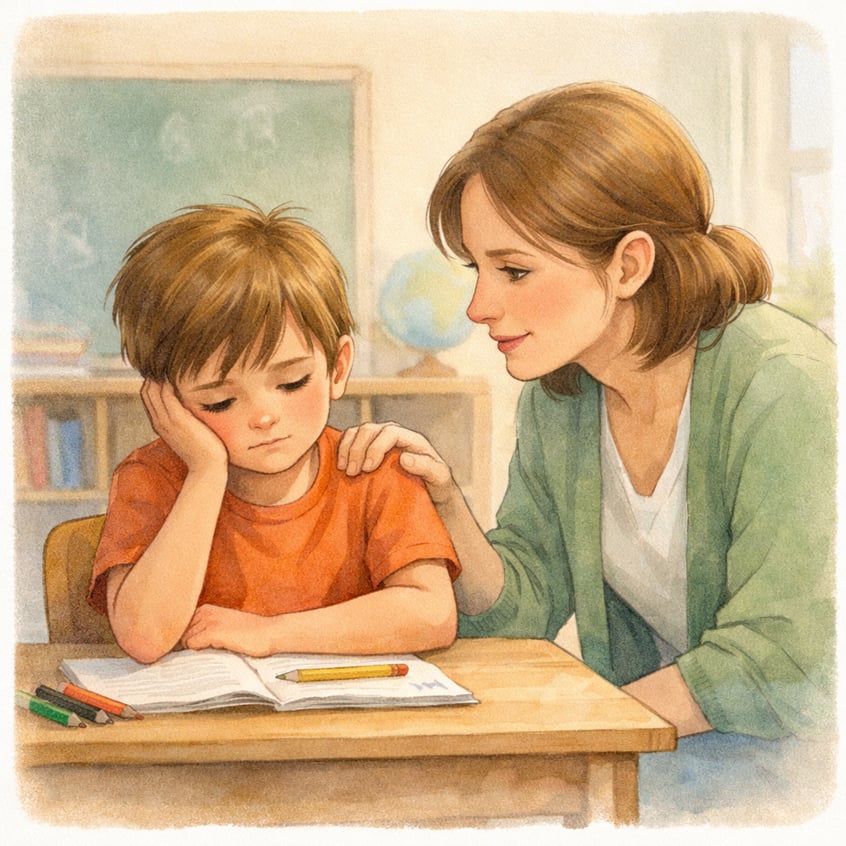
Both ODD and CD go beyond typical childhood rebellion. Recognizing these patterns is crucial for proper diagnosis and effective support. Teachers can support students with challenging behavior by implementing consistent classroom routines, using positive reinforcement, and collaborating closely with mental health professionals. A professional can identify underlying causes and develop a helpful plan.
ADHD and other related conditions
Attention-deficit hyperactivity disorder (ADHD) is a common condition linked to behavioral challenges. Beyond inattention, ADHD often involves impulsivity and hyperactivity, leading to outbursts. Children with ADHD may struggle to wait their turn, interrupt others, or become easily frustrated and defiant, especially during boring tasks.
Other conditions can also cause behavioral issues. Disruptive mood dysregulation disorder (DMDD) involves severe temper outbursts and chronic irritability. Children with anxiety may lash out to escape overwhelming situations, while those on the autism spectrum might have meltdowns due to changes or sensory overload.
Parents should watch for frequent, intense, and persistent behaviors. If your child consistently struggles with inattention, hyperactivity, impulsivity, or extreme moods that disrupt daily life, consider consulting a professional.
Recognizing Signs of Behavioral Concerns
Recognizing warning signs can help you decide if your child’s behavior is concerning. While occasional bad days are normal, persistent issues may indicate a deeper problem. Frequent tantrums, physical aggression, constant irritability, and refusal to follow rules are potential red flags.
Be concerned if misbehavior is frequent, severe, or disrupts your child’s life at home, school, or with friends. Outbursts that seem random or excessive may signal something more serious. Let’s take a closer look at these signs.
Early signs of conduct or behavioral problems
Identifying behavior problems early in younger children can make a significant difference. While temper tantrums are normal in toddlers, prolonged and severe disruptive behavior might indicate a deeper issue. You may notice that your child has trouble managing their emotions, leading to frequent and intense outbursts.
Some early signs that could point to a conduct disorder or other behavioral challenges include:
- Excessive arguing with adults and authority figures
- Frequent and intense temper tantrums
- Deliberately annoying or upsetting others
- A tendency to blame others for their misdeeds
- Showing little empathy for others or engaging in severe antisocial behavior
If you notice these behaviors consistently over time, it's wise to consider them as potential signs of a problem. These actions are often more than just a child "being bad"; they can be symptoms of an underlying condition like conduct disorder that requires professional support and intervention.
Differences between typical misbehavior and behavioral disorders
Distinguishing between normal childhood misbehavior and signs of a behavioral disorder can be difficult. All children test limits, have tantrums, and show defiance occasionally. The difference is in how often, how intense, and how long the behavior lasts. Typical misbehavior is situational and mild.
Behavioral disorders involve persistent issues that disrupt the child’s life and those around them. These behaviors are frequent and form a consistent pattern. For example, while toddlers may have tantrums, a ten-year-old with regular explosive outbursts at home and school may need further evaluation.
Recognizing these differences helps you know when to seek help. Here’s a comparison:
|
Typical Misbehavior |
Potential Behavioral Disorder |
|---|---|
|
Occasional tantrums or outbursts |
Frequent, intense, prolonged tantrums |
|
Arguing or defiance in certain situations |
Persistent arguing, defiance, hostility toward authority |
|
Mild and temporary |
Severe, long-lasting; affects school, home, social relationships |
|
Responds to discipline |
Does not respond to discipline; behavior continues |
Supporting Children with Behavioral Challenges
Supporting a child with behavioral challenges requires patience, understanding, and a proactive approach. Effective parenting strategies, open communication, and a supportive environment are fundamental to improving your child’s behaviour and overall mental health. Working together as a family can help your child develop better coping mechanisms and communication skills.
There are many ways to help your child manage their emotions and actions. From learning how to handle an angry child to implementing strategies for managing tantrums, your involvement is key. Let's explore some practical techniques you can use at home.
Strategies for managing tantrums and helping an angry child
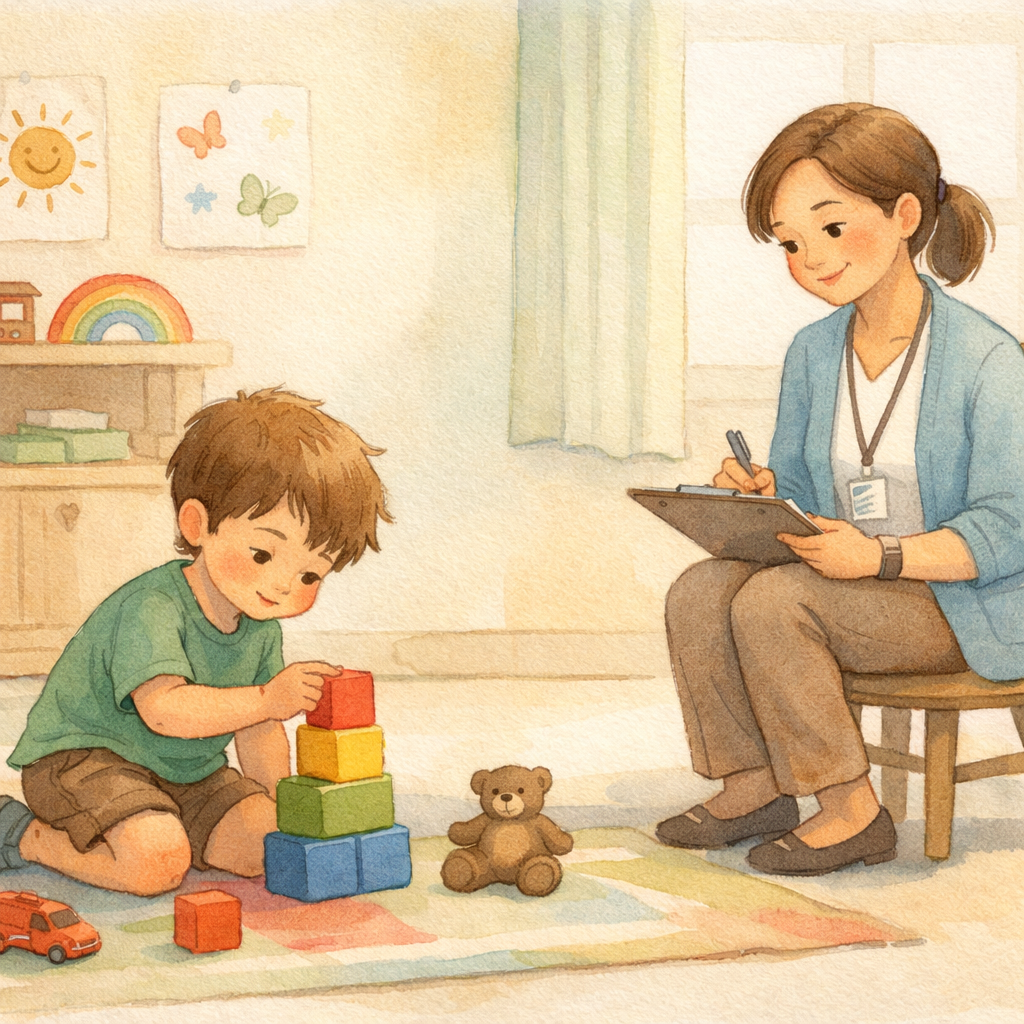
When dealing with a tantrum, it’s easy to feel overwhelmed. Staying calm helps your child feel secure as they struggle with big emotions. For younger children, distraction can effectively shift their focus.
Over time, teach your child to recognize and manage feelings of frustration and anger—an important step toward self-control. Try these strategies:
- Teach deep breathing and other relaxation techniques.
- Encourage them to express their feelings with words instead of acting out.
- Set up a "calm-down" corner for emotional regulation.
- Support their talents, like sports or art, to build self-esteem.
Effective parenting combines clear boundaries with empathy and support. With patience and the right techniques, you can help your child handle their emotions in healthier ways.
Conclusion
In conclusion, understanding and addressing behavioral disorders in children is essential for their well-being and development. Recognizing the signs allows parents and caregivers to provide timely support and intervention. Effective strategies for managing challenges like tantrums or anger can create a more positive environment for the child and family. Early action can greatly improve a child's path to resilience and success.
If you have concerns about your child's behavior, reach out for a consultation or call daar at 02 9133 2500 for professional guidance—your child deserves the best support.
Frequently Asked Questions
What are some common types of behavioral disorders in children?
Some of the most common behavioral disorders in children include attention deficit hyperactivity disorder (ADHD), oppositional defiant disorder (ODD), and conduct disorder (CD). Other related conditions, such as disruptive mood dysregulation disorder, can also cause significant behavioral challenges that require professional attention and support.
How can parents identify if their child has a behavioral disorder?
Parents can identify potential behavior problems by looking for persistent patterns that are not typical for their child's age. These signs include frequent tantrums, extreme impulsivity, constant arguments with authority figures, and behaviors associated with conduct disorder, such as aggression or destruction of property.
What are effective treatment options for children with behavioral disorders?
Effective treatment for behavioral disorders is often multifaceted. It may include parent management training, family therapy to improve communication skills, and cognitive behavioral therapy for the child. In some cases, medication management may also be recommended to help control impulsive behaviors and support overall progress.
.svg)




.svg)