
.png?width=48&height=48&name=Group%201%20(3).png)























27 April, 2026

Discover the Benefits of Behavioural Therapy for Children
Key Highlights
- Behavioural therapy offers effective strategies to help children modify challenging behaviours and develop healthier habits.
- This type of therapy equips children with tools for emotional regulation, stress management, and improved social skills.
- Parental involvement is essential for reinforcing new skills and ensuring the long-term success of the treatment.
- Therapy is effective for a range of issues, helping children build confidence, resilience, and better relationships.
Introduction
As a parent, it can be distressing to watch your child struggle with their emotions or behaviour. You're not alone, and help is available. Behavioural therapy is an effective treatment that provides proven strategies to help your child navigate these challenges. This type of therapy is a powerful tool for supporting your child's mental health. A mental health professional can guide your family toward building confidence and resilience. This guide will explore the benefits and what to expect from the process.
Core Benefits of Behavioural Therapy for Children
Behavioural therapy is a structured approach that helps children improve their mental health by addressing a variety of issues. It focuses on teaching practical skills to manage emotions and change negative behaviours. By targeting specific challenges, this therapy helps children develop better social skills and coping mechanisms.
The effectiveness of this therapy is supported by a strong evidence base update, showing positive outcomes for many conditions. Whether your child is dealing with anxiety, ADHD, or general behavioural problems, therapy offers targeted interventions that lead to lasting improvements in their daily life and overall well-being. The following sections will explore some of these benefits in more detail.
Emotional Regulation and Managing Anxiety or Stress
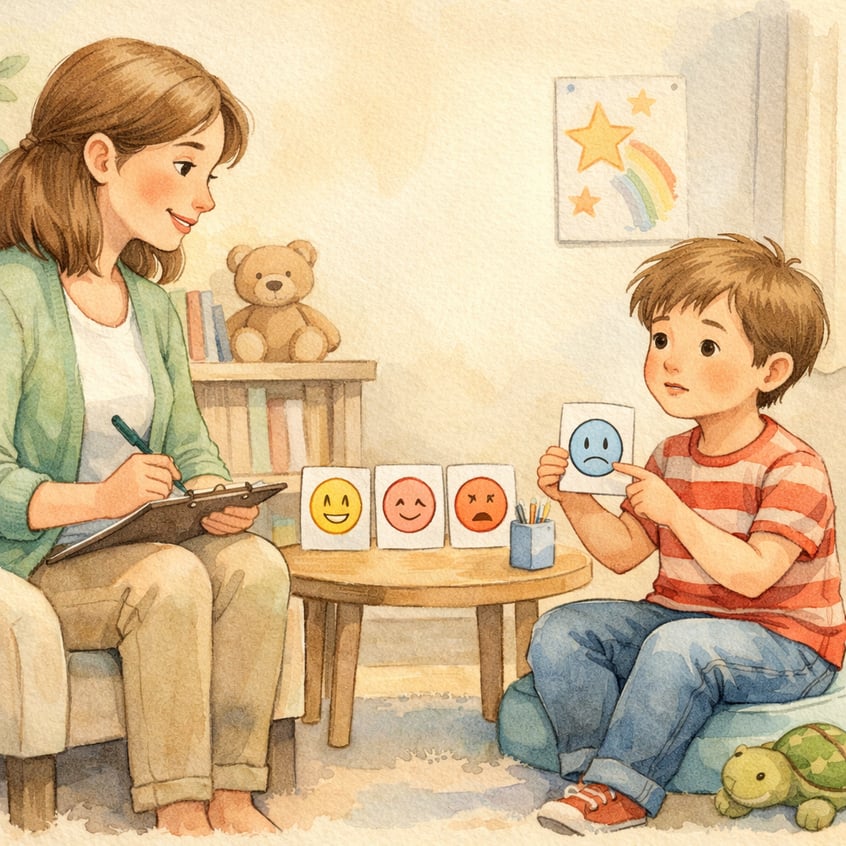
One of the primary goals of behavioural therapy is to teach children emotional regulation. This means helping them identify their feelings and respond to them in healthy ways instead of having outbursts or withdrawing. Therapists provide kids with practical tools to manage big emotions like anger, frustration, and sadness.
For children dealing with anxiety or stress, these skills are invaluable. Therapy helps them understand the triggers for their worry and provides strategies to calm themselves down. For example, a therapist might teach a child deep breathing exercises or how to challenge anxious thoughts, which is a core part of cognitive behavioural therapy.
By learning these techniques, children are better equipped to handle the pressures of daily life. This proactive approach can prevent the development of more serious mental health conditions down the road. It empowers them to face challenges with confidence rather than fear.
Social Skills, Communication, and Relationship Building
Improving social skills is another key benefit of behavioural therapy. Many children struggle with interacting with peers, which can affect their friendships and self-esteem. Therapy provides a safe space for them to learn and practice essential communication skills. This helps in building stronger relationships with others.
Therapists use various techniques, such as role-playing, to teach children how to navigate social situations. They learn how to express feelings appropriately, listen to others, and resolve conflicts peacefully. These skills are crucial for successful relationship building throughout their lives. Developing these abilities helps them feel more confident in social settings.
Key areas of focus in social skills training often include:
- Learning to take turns and share
- Understanding non-verbal cues like body language
- Practicing empathy and seeing other viewpoints
- Developing skills for conflict resolution
Behavioural Therapy in Action: What Parents See
When your child begins behavioural therapy, you will start to notice changes in their behavioural patterns. The process begins with a behavioural therapist assessing your child’s needs to create a tailored plan. You should expect to see gradual progress as your child learns to replace negative habits with positive ones.
These changes are often visible both at home and at school. You might see fewer tantrums, better communication, and an increased ability to handle frustration. The following sections will discuss the specific progress you can expect in different areas of your child's life.
Changes at Home: Daily Routines and Family Interactions
When a child is in behavioural therapy, positive changes often start at home. The strategies learned in sessions, like positive reinforcement, can be integrated into daily routines. This creates a more structured and predictable environment, which can reduce behaviour problems and create a calmer household for all family members.
Parents learn how to manage challenging behaviours more effectively, which can transform family interactions. Communication improves as children learn to express their needs without acting out, and parents learn to respond with supportive techniques. In some cases, family therapy sessions may be recommended to help everyone work together.
Some of the positive changes you might observe at home include:
- Fewer arguments and more cooperation
- Smoother transitions during daily routines, like bedtime or morning prep
- A decrease in outbursts or meltdowns
- Improved relationships between siblings and other family members
Progress at School and Among Peers
The benefits of behavioural therapy often extend into the school environment. As children learn to manage their emotions and behaviours, they are better able to focus in the classroom and participate in learning. Teachers may report improvements in attention, task completion, and following directions.
Socially, the new communication skills and social skills training your child receives can make a significant difference in their interactions with peers. They may find it easier to make and keep friends, join in group activities, and handle conflicts on the playground. This can lead to increased confidence and a more positive school experience.
Here’s a look at how therapy can impact different areas at school:
|
Area of Improvement |
Description of Change |
|---|---|
|
Academic Performance |
Better focus in class, improved ability to complete assignments, and greater participation. |
|
Peer Relationships |
More positive interactions, ability to resolve conflicts, and formation of new friendships. |
|
Classroom Behaviour |
Reduced disruptive actions, better adherence to rules, and improved communication with teachers. |
The Parents’ Role in Supporting Therapy Progress
Your role as a parent is absolutely vital to the success of behavioural therapy. Active parental involvement is one of the strongest predictors of positive outcomes. You are your child’s primary teacher, and your support helps reinforce the skills they learn during their sessions.
By working with the therapist, you become a key part of the treatment plan. This means applying strategies at home, celebrating small victories, and providing a consistent environment where positive behaviours are encouraged. The following sections will explore how you can collaborate with the therapist and enhance your child's progress.
Working with Therapists: Collaboration and Strategies at Home
A strong partnership with your child’s behavioural therapist is the foundation of effective therapy. This collaboration ensures that everyone is working toward the same goals. Open communication allows the therapist to understand what’s happening at home and adjust the treatment plan as needed.
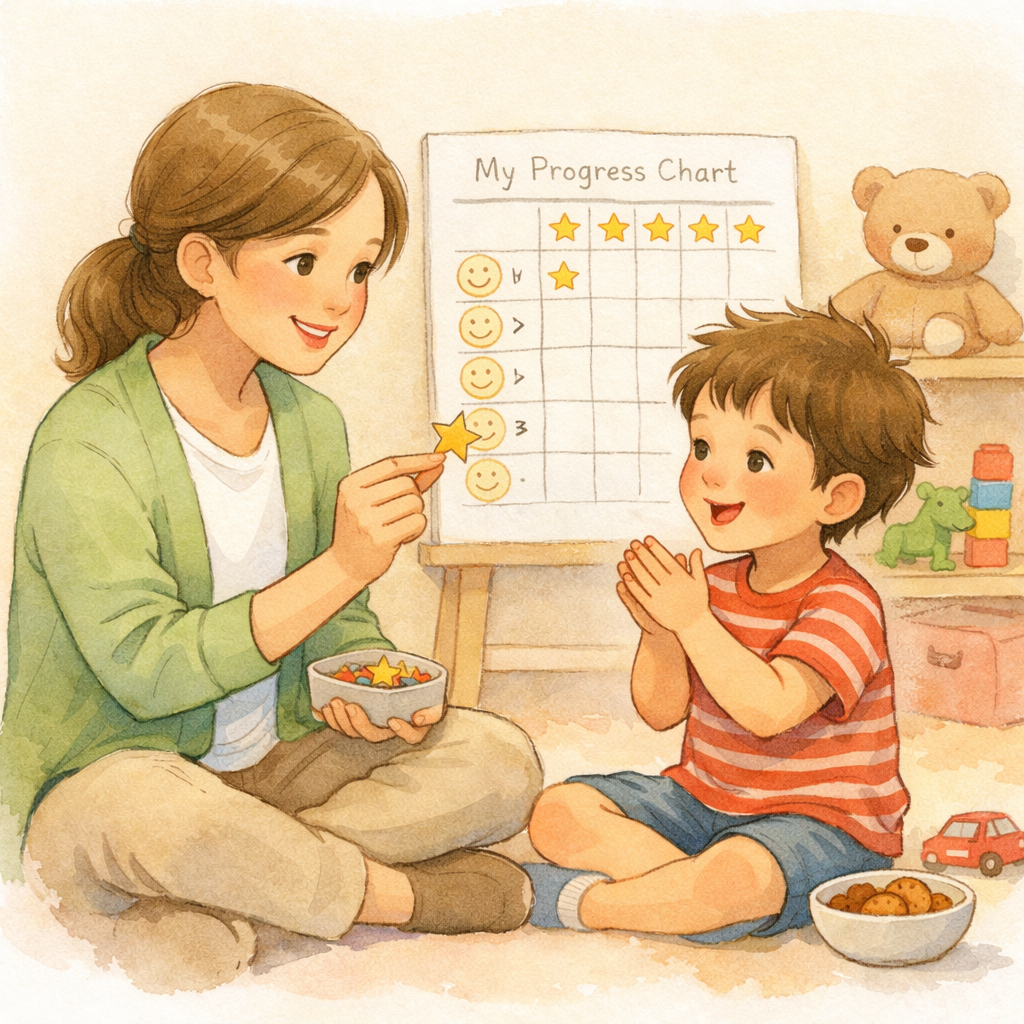
Your therapist will equip you with strategies to use at home. This might include setting up a reward system, establishing clear rules and consequences, or practicing new communication techniques. Following this structured approach consistently is key to helping your child generalize their new skills from the therapy room to their everyday life.
By actively participating, you become an extension of the therapy team. Sharing your observations about what works and what doesn't helps tailor the strategies to your child's unique personality and needs. This teamwork makes the entire process more effective and empowering for both you and your child.
How Parental Involvement Enhances Success
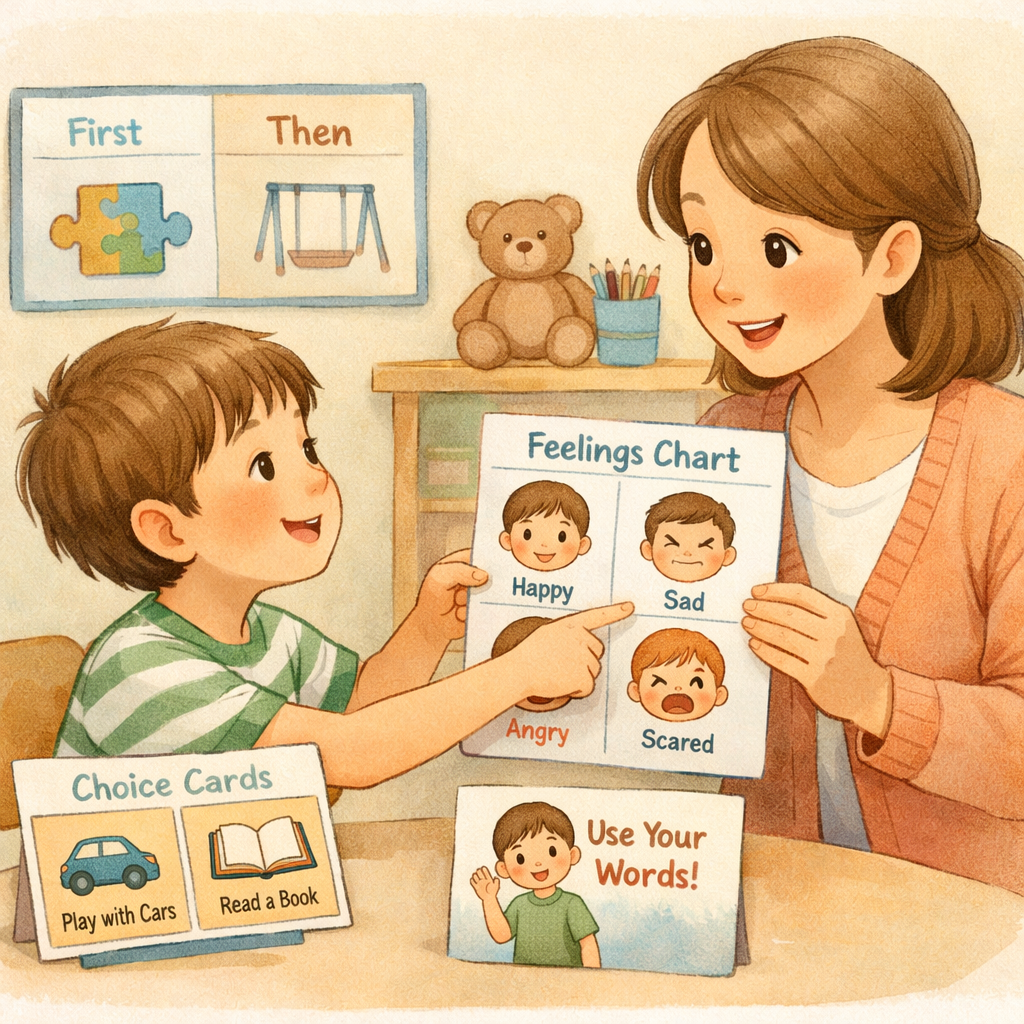
Your active involvement directly impacts how quickly and effectively your child makes progress. When you reinforce the lessons from therapy at home, you help solidify your child’s new skills and turn them into lasting positive habits. This consistency is crucial for building momentum.
Providing consistent support at home creates a safe and predictable environment where your child feels comfortable practicing what they’ve learned. Your encouragement and praise for their efforts, no matter how small, build their confidence and motivation. This support system is essential for overcoming setbacks and celebrating successes along the way.
Ultimately, parental involvement bridges the gap between therapy sessions and real life. By using the effective strategies provided by the therapist in your daily interactions, you are not just a spectator but a vital coach in your child's journey. This united front ensures that the progress made is both meaningful and sustainable.
Conclusion
In conclusion, behavioural therapy offers a wealth of benefits for children, promoting emotional regulation, enhancing social skills, and fostering positive changes at home and school. As parents, your involvement is crucial in supporting your child's journey through therapy. Collaborating with therapists and actively engaging in the process will not only help reinforce learned strategies but also strengthen family bonds. Remember, every small step toward better mental health is significant, and your commitment can make a profound difference.
If you’re ready to explore these benefits further, consider reaching out for a consultation or call daar at 02 9133 2500 to discuss how behavioural therapy can support your child’s unique needs.
Frequently Asked Questions (FAQ)
Understanding behavioural therapy can raise many questions for parents. Common queries often include the types of behavioural issues it addresses and how it can benefit children in daily life. Parents frequently ask about the role of a behavioural therapist and how therapy progresses over time. It's also important to discuss how treatment plans are tailored to meet a child's unique needs. Engaging with family members and fostering open communication often contributes to the success of therapy, helping children thrive emotionally and socially.
Is behavioural therapy suitable for young children and what ages benefit the most?
Yes, behavioural therapy is highly adaptable and can be effective for people of all ages. For young children, this type of therapy often involves play and more direct parental coaching. For older children and teens, it may focus more on cognitive skills. Early intervention is often beneficial, but there is no wrong age to start.
How is behavioural therapy effective for kids with autism or ADHD?
Behavioural therapy is a leading evidence-based treatment for children with ADHD and autism spectrum disorder. For ADHD, it helps improve focus and organization. For autism, approaches like Applied Behaviour Analysis (ABA) teach crucial social, communication, and life skills, helping children manage a variety of issues associated with their diagnosis.
How long does it take to see results from behavioural therapy?
The time frame for seeing progress from behavioural therapy varies for each child and depends on the specific behavioural issues being addressed. However, many families begin to notice positive changes within 8 to 12 sessions. Consistent attendance and active participation in the treatment plan are key to achieving results.
.svg)




.svg)