
.png?width=48&height=48&name=Group%201%20(3).png)























27 January, 2026

How Pediatric Speech Therapy Liverpool Supports Development
Introduction
Watching your child grow is a journey filled with milestones. But what happens when they struggle with communication? If your child has difficulty expressing their thoughts or understanding others, you are not alone. Pediatric speech therapy in Liverpool offers a supportive path forward. This specialized treatment helps children overcome a wide range of communication disorders, from speech disorders to challenges with language skills. It provides the tools and confidence your child needs to connect with the world around them.
Key Highlights
-
Pediatric speech therapy helps children improve their ability to communicate effectively.
-
A speech therapist assesses and treats various speech and language disorders.
-
Early intervention is crucial for a child's successful language development.
-
Therapy is often play-based, making it fun and engaging for young children.
-
Speech therapy can address issues beyond speech, including swallowing and social communication.
-
Treatment plans are always individualized to meet your child's specific needs.
Understanding Pediatric Speech Therapy
Pediatric speech therapy is a specialized treatment that helps children with speech and language disorders. Speech therapists use targeted techniques to improve communication skills, enabling children to express themselves clearly and better understand others.
This therapy is highly personalized to each child’s needs. The following sections will cover what pediatric speech therapy involves, the role of speech therapists, and common challenges addressed in treatment.
Defining Speech Therapy for Children
Speech therapy for children focuses on preventing, assessing, and treating communication disorders. Therapists help kids struggling with speech sounds, vocabulary, or forming sentences, supporting language development in a structured, positive way.
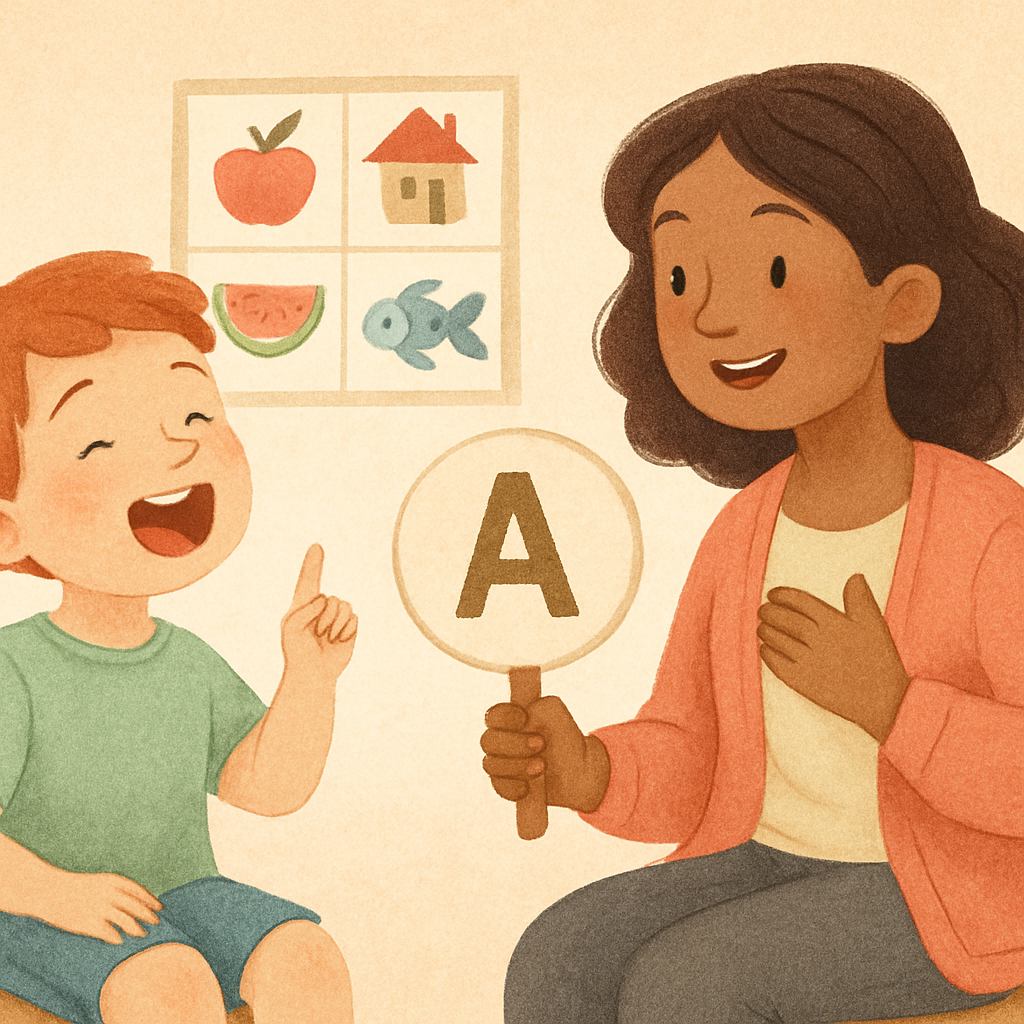
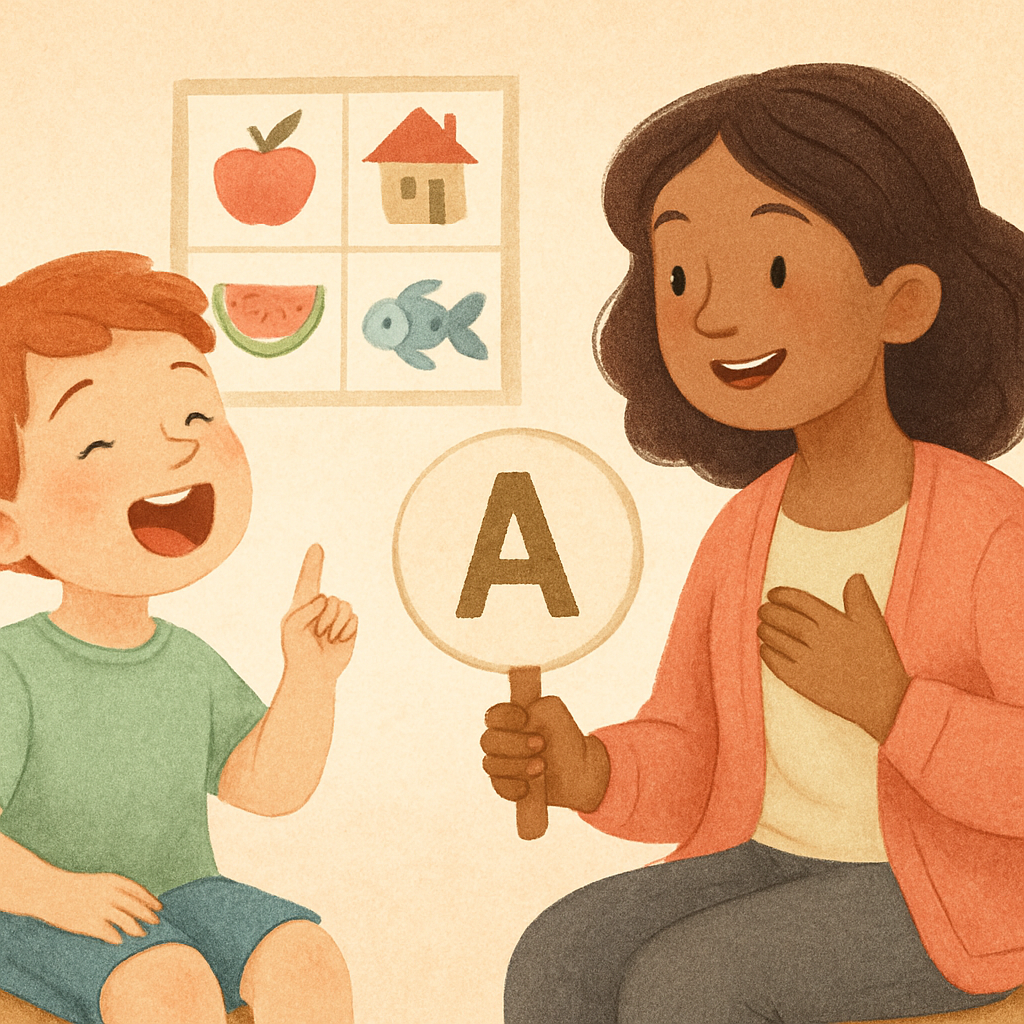
For children, therapy often looks like playtime. Therapists use games, books, and activities because play is how toddlers learn best. This keeps kids engaged and helps them practice new skills naturally—play with a purpose to build communication foundations.
Therapy is goal-oriented and tailored to each child. Speech therapists break big goals into smaller steps, starting with gestures and moving to sounds and words, helping children build skills and confidence at their own pace.
The Role of Speech-Language Pathology
“Speech therapist” and “speech-language pathologist” (SLP) are often used interchangeably, though SLP is the formal term for highly trained professionals in this field. SLPs do much more than correct speech sounds—they prevent, diagnose, and treat a wide range of issues, including speech, language, social communication, feeding, and swallowing disorders for all ages.
SLPs assess the underlying causes of communication difficulties and create personalized treatment plans to improve skills and quality of life. Their services include evaluating language disorders, designing individualized therapy, working directly with your child, and empowering you as a parent with strategies to support progress at home.
Common Speech and Language Challenges in Kids
Families may seek speech therapy for a range of communication issues, generally falling into two categories: speech disorders (trouble producing sounds) and language disorders (difficulty understanding or using words). Improving these skills is a key therapy goal.
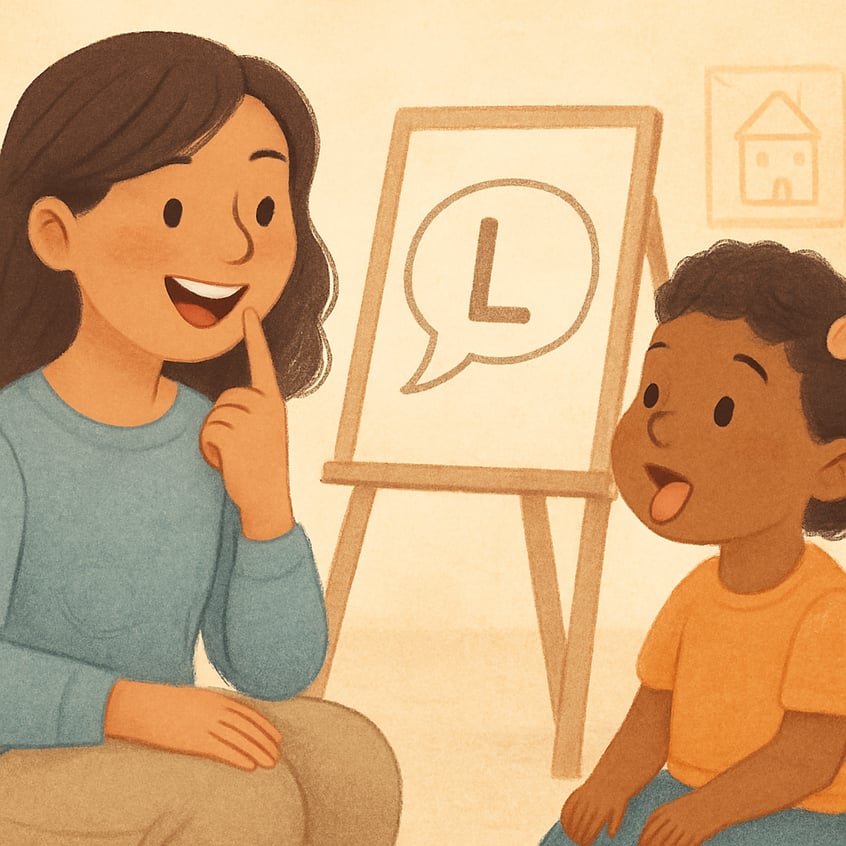
Some children struggle with speaking mechanics. For example, articulation disorders cause difficulty forming certain sounds (“wed” instead of “red”), while fluency disorders affect speech flow and rhythm.
Language-related challenges treated in speech therapy include:
-
Receptive disorders: Difficulty understanding others, following directions, or limited vocabulary.
-
Expressive disorders: Trouble expressing thoughts or forming correct sentences, like using the wrong verb tense.
-
Resonance disorders: Voice quality changes due to blocks in nasal or oral passages, sometimes linked to conditions like cleft palate or swollen tonsils.
Who Can Benefit from Speech Therapy in Liverpool
Many children can benefit from seeing a speech therapist. If you’re concerned about your child’s communication skills, an evaluation is a good first step. Language therapy isn’t just for diagnosed disorders—it also helps kids who are behind on developmental milestones. Medical experts often recommend early intervention to prevent bigger challenges later.
Knowing when to seek help can be overwhelming, but trust your instincts. If your child struggles to speak, understand, or interact with others, consider consulting a professional. The following sections will help you recognize the signs and understand the importance of early action.
Identifying Signs Your Child May Need Support
As a parent, you know your child best. If their communication seems off, it’s important to look into it early. Communication disorders can appear in many ways, and early detection makes a big difference. Sometimes, issues like undiagnosed hearing loss cause speech and language delays.
An expressive language disorder may show up as trouble forming sentences. A receptive disorder might mean your child doesn’t understand simple commands. Frustration when talking or reading can also signal the need for a speech therapist.
Watch for these signs at different ages:
-
No babbling between 4–7 months
-
Only a few words or not combining two words by age 2
-
Speech that is unclear even to family between ages 2–3
-
Trouble with early reading and writing skills between 2.5–3 years
Populations That Commonly Require Pediatric Speech Therapy
Some children need speech therapy due to specific medical conditions, while others have developmental delays without a clear cause. Speech disorders often stem from diagnoses affecting the physical or neurological aspects of communication, making speech therapy essential to their care.
For example, children with hearing impairments may need help learning sounds they can't hear well. Those with muscle control issues, such as cerebral palsy, require therapy to strengthen speaking and swallowing muscles. Traumatic brain injuries can also disrupt communication skills.
Speech therapy benefits many conditions. Common examples include:
|
Condition |
How Speech Therapy Helps |
|---|---|
|
Cleft Palate |
Improves articulation and resonance after surgery |
|
Autism |
Builds social communication, nonverbal cues, and language skills |
|
Down Syndrome |
Supports delays in speech, language, and cognitive development |
|
Stroke |
Aids recovery of lost speech and language abilities |
Early Intervention: Why Timing Matters
Timing is crucial for your child's development. Research shows early intervention in speech and language therapy leads to the best results. The sooner support begins, the better a child’s chances of catching up to peers and avoiding long-term challenges.
Young brains are highly adaptable, making early speech therapy more effective. Addressing issues early prevents bad habits and lays the groundwork for future academic and social success.
If you have concerns, don’t wait—get an evaluation. An assessment offers peace of mind or starts treatment if needed. Early language therapy can positively shape your child’s development for years to come.
Conditions Treated by Pediatric Speech Therapy
Pediatric speech therapy treats a wide range of conditions beyond clear speech. Speech-language pathologists (SLPs) address speech, language, and communication disorders that impact a child’s daily life—from stuttering and lisps to challenges related to hearing loss or cognitive issues.
SLPs also help with physical problems affecting communication, such as resonance disorders caused by structural issues in the mouth or nose. The following sections cover these conditions in more detail, including speech sound disorders, social communication difficulties, and even feeding problems.
Speech Sound Disorders and Language Delays
Children often see speech therapists for speech sound disorders, such as articulation disorders (difficulty making specific sounds) and phonological disorders (patterns of sound errors). Both can make speech hard to understand.
Language delays are another common reason for therapy. Receptive language disorders involve trouble understanding or processing what others say, while expressive language disorders involve difficulty expressing thoughts, even with a good vocabulary. Speech therapy identifies the type of delay and offers targeted exercises to improve both receptive and expressive skills.
Social Communication Difficulties
Communication goes beyond words. Social communication includes unspoken rules like taking turns, staying on topic, and understanding humor or sarcasm. Children with autism often need direct instruction to learn these skills.
Nonverbal cues—such as body language, eye contact, and facial expressions—are also important. Difficulty in these areas can make friendships and social situations challenging, affecting social development and self-esteem.
Speech therapy helps build these skills through role-playing and guided conversations. By learning to understand and use social cues, children can form stronger relationships and participate more confidently in daily life.
Feeding and Swallowing Issues in Children
Did you know speech therapists also treat feeding and swallowing disorders? The same muscles used for speech are involved in chewing and swallowing. When a child has trouble with these functions—a condition called dysphagia—a speech-language pathologist (SLP) often helps.
Swallowing issues can result from nervous system disorders, brain injuries, or developmental delays. Frequent coughing or choking during meals may signal dysphagia, which can cause serious problems if untreated. Therapy aims to strengthen oral muscles and teach safer swallowing techniques.
By helping children eat and drink safely, SLPs improve both communication and quality of life. For many families, this support is life-changing, making mealtimes safer and ensuring children get the nutrition they need to grow.
Conclusion
In summary, pediatric speech therapy in Liverpool is essential for developing children's communication skills and overall growth. By addressing speech disorders and language delays, tailored therapies provide vital support for each child. Early intervention greatly improves a child's ability to express themselves and connect with others, so parents need to recognize when help may be needed. Investing in your child's communication today lays the groundwork for future success.
Contact us for a consultation or call daar at 02 9133 2500 to learn how we can support your child’s development.
Frequently Asked Questions
How long does pediatric speech therapy usually take to show progress?
The duration of speech therapy varies for every child. Progress depends on factors like age, the type and severity of the disorder, and the frequency of sessions. While some children see improvements in a few months, others may need long-term language therapy to achieve the most effective treatment and improve their communication skills.
Is there a difference between a speech therapist and a speech pathologist?
While the titles sound different, they refer to the same profession. "Speech-language pathologist" (SLP) is the formal title for these highly trained medical professionals, but they are commonly called "speech therapists." Both terms describe experts who assess and provide speech therapy for communication and swallowing disorders.
What specific pediatric speech therapy services are offered in Liverpool?
In a city like Liverpool, you can expect to find a wide range of pediatric speech therapy services. These typically include one-on-one assessments and therapy for various communication disorders, including speech disorders, language disorders, fluency issues, and social communication challenges, all tailored to your child's individual needs.
.svg)




.svg)