
.png?width=48&height=48&name=Group%201%20(3).png)























26 January, 2026

Transform Lives: Speech Therapy Canterbury Services
Introduction
Are you looking for ways to improve communication skills for yourself or a loved one? Finding the right support can make a world of difference. In Canterbury, a range of dedicated health professionals offers expert speech therapy to help children and young people find their voice and build confidence. In partnership with organizations like Speech Pathology Australia, these specialists provide the tools and guidance needed to navigate communication challenges and achieve personal and academic success.
Key Highlights
-
Our speech therapy services provide tailored support for children and adults.
-
A qualified speech pathologist can help with speech sound disorders and language development.
-
We emphasize early intervention to help children meet developmental milestones.
-
Specialized support is available, including autism assessments and therapy for social communication.
-
Learn how to access services through referrals and government support like the NDIS.
-
Flexible options include in-person, in-home, and telehealth appointments to suit your needs.
Speech Therapy Services for Children
When it comes to your child’s well-being, clear communication is essential for their learning and mental health. Speech pathology services in Canterbury are designed to address a variety of needs, from early language development to more complex communication disorders. Therapists work to create a supportive environment where your child can thrive.
These services often extend beyond a clinic, with professionals collaborating closely with your child’s school to ensure strategies are integrated into their daily life. This holistic approach helps build confidence and supports everything from making friends to participating in class, ensuring your child gets the comprehensive support they deserve.
Early Intervention and Developmental Milestones
Recognizing when your child needs extra support is crucial for their success. Early intervention can resolve communication issues before they worsen. If your child misses milestones, uses fewer words than peers, or is difficult to understand, consider consulting a professional.
These signs may indicate developmental language disorder or autism spectrum disorder. For instance, a child who prefers playing alone or avoids conversation may benefit from a speech therapist’s assessment.
If you’re concerned, seek expert advice. A specialist can evaluate your child and create a personalized plan to strengthen their communication and social skills. Early action provides the best foundation for future growth.
Support for Social Communication Skills in Kids
Strong social communication skills are key to building friendships and handling daily life, but children with autism or speech sound disorders may struggle in this area. Speech therapy provides targeted support, helping kids understand and use both verbal and non-verbal cues.
With therapy, children can learn to:
-
Start and maintain conversations
-
See things from others’ perspectives
-
Use appropriate body language and tone
Therapists use engaging activities to practice these skills. While services often focus on children, adults can also benefit—improving their communication for personal or professional success. Support is available at any age to help everyone communicate with confidence.
Working with Schools and Families
Effective speech therapy is a team effort. In Canterbury, therapists work with you, your child, and their school to provide consistent support. Progress in sessions is reinforced at home and in class for lasting results.
Therapists collaborate with teachers to integrate communication strategies into daily routines, helping your child practice skills in real-life settings. This builds confidence, supports mental health, and creates an inclusive environment.
Speech pathology services are flexible—many therapists offer sessions at home, at school, or in the therapy room. This makes it easier to fit therapy into your schedule and observe your child in familiar surroundings.
Supporting Communication at All Stages
Communication challenges can arise at any age. Whether you’re a parent concerned about your child’s speech or an adult seeking to improve professional skills, a speech therapist can help. Through targeted assessments, therapists identify individual needs and offer support from early intervention for children to programs that boost adults’ clarity and confidence. Expert guidance is available for every stage of life. The following sections will show how personalized solutions empower both children and adults.
Empowering Children through Tailored Speech Solutions
Every child is unique, so a one-size-fits-all approach to speech therapy doesn’t work. A dedicated speech pathologist creates a personalized plan based on your child’s specific needs—whether for speech sounds or language comprehension.
Early intervention builds a strong communication foundation. By collaborating with families and schools, therapists provide consistent, effective support that makes real differences in a child’s daily life. Therapy may focus on:
-
Improving speech clarity, like saying their own name.
-
Building confidence to speak in class and make friends.
-
Developing language skills for learning and play.
With clear goals and evidence-based methods, speech therapists help children find their voice and connect with others—unlocking their full potential.
Enhancing Adult Communication Skills for Professional Success
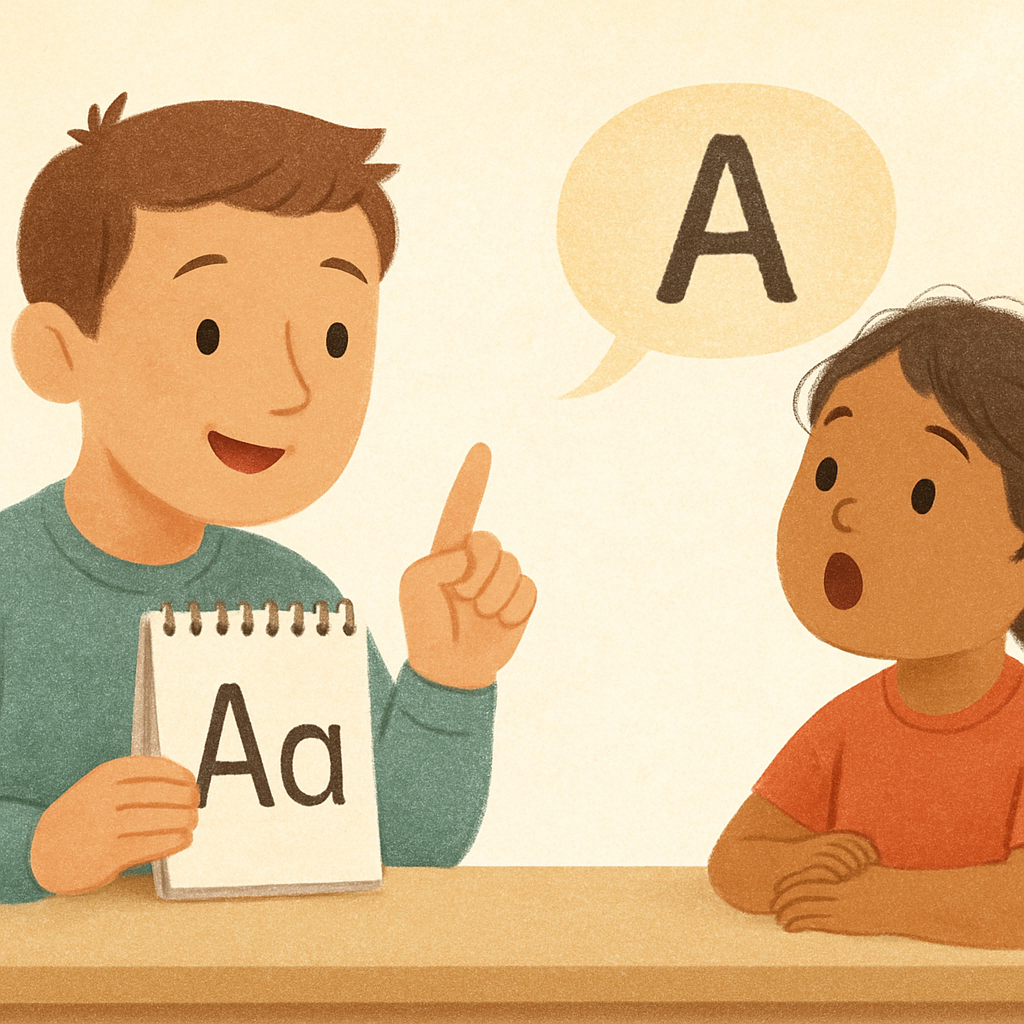
Many assume speech therapy is only for children, but adults can also benefit, especially for career growth. Clear, confident communication is valuable in any field, and a speech pathologist can help you improve these skills.
Whether you want to enhance presentations, refine articulation, or address a stutter, therapy offers practical tools for success. Qualified professionals are available through organizations like Speech Pathology Australia, often with a GP referral.
Investing in communication boosts confidence and opens new opportunities at work. Tailored sessions address your specific goals, making it easier to connect with colleagues and clients. It’s never too late to become a stronger communicator.
The Role of Speech Therapy in Overcoming Language Barriers
Language barriers aren't just about speaking a different language; they can also be caused by conditions like developmental language disorder (DLD). A language therapist, also known as a speech pathologist, uses specialized assessment tools to diagnose and treat these challenges, helping individuals achieve greater clarity in their expression.
In Canterbury, the terms "speech therapy" and "speech pathology" are often used interchangeably. Both refer to the professional practice of assessing, diagnosing, and treating communication disorders. The professional who provides this service is called a speech pathologist or a speech and language therapist.
The goal is to help individuals of all ages overcome obstacles to effective communication. Therapy focuses on building practical skills that make a real-world difference.
|
Therapy Focus |
How It Helps |
|---|---|
|
Expressive Language |
Improves the ability to form sentences and express thoughts. |
|
Receptive Language |
Enhances understanding of what others are saying. |
|
Speech Clarity |
Works on articulation to make speech easier to understand. |
Accessing Speech Therapy in Canterbury
Taking the first step to seek help can be challenging, but accessing speech pathology services in Canterbury is simple. Usually, it starts with speaking to your GP for a referral to a specialist, ensuring you connect with the right professional.
Some services may have waiting lists, so getting a referral early is recommended. Whether you’re considering private therapy or government-funded options, a referral is often essential. The next sections will help you find qualified professionals and explore your choices.
Finding a Qualified Speech Pathologist Near You
Finding the right speech pathologist is key to effective therapy. Start by choosing clinicians registered with a professional body like Speech Pathology Australia, ensuring they meet national standards.
Ask your GP for referrals to trusted local providers. You can also search online directories or get recommendations from schools or community health centers. When contacting clinics, ask about their therapists’ experience and specializations.
Many clinics have teams with diverse expertise, from early childhood development to adult communication disorders. Choosing a professional whose approach fits your needs will make the journey to better communication more successful.
Choosing Between In-Person, In-Home, and Telehealth Services
Modern speech pathology services are more flexible than ever. In Canterbury, providers offer various formats to fit your family's needs, letting you avoid long waitlists and start therapy sooner.
Understanding delivery options helps you choose what’s best:
-
In-person sessions offer a structured setting with specialized resources.
-
In-home visits let therapists work with your child in a familiar environment.
-
Telehealth provides convenient access to expert care from anywhere.
Online services are especially popular for busy families or those in remote areas. A consultation can help you select the most suitable and practical format, ensuring high-quality care.
NDIS and Government Support for Speech Therapy
Accessing financial assistance can make speech therapy more affordable. In Australia, programs like the National Disability Insurance Scheme (NDIS) may cover assessment and therapy costs. If you have an NDIS plan, you can often use it for speech pathology services.
To begin, you'll need an assessment to determine eligibility and support level. A speech pathologist will provide a detailed report, which can be used for your NDIS application or review. For more details, contact an NDIS representative or registered provider.
Many programs let you choose your own provider, giving you control over your care. Here’s a simple overview of the process:
|
Step |
Action |
|---|---|
|
1. Get a Referral |
Talk to your doctor about your concerns. |
|
2. Choose a Provider |
Pick a speech pathologist or service that suits you. |
|
3. Undergo Assessment |
A clinician will evaluate your needs using various tools. |
|
4. Access Funding |
Use the assessment report to apply for NDIS or other support. |
Conclusion
In conclusion, speech therapy can transform lives by improving communication at any age. Whether supporting a child with developmental challenges or an adult seeking professional growth, the right services make a real difference. With in-person and telehealth options available in Canterbury, accessing help is easier than ever.
Contact us today for a consultation or call daar at 02 9133 2500 and start your journey to clearer communication!
Frequently Asked Questions
What Are the Signs Someone Might Need Speech Therapy?
Common signs include difficulty with speech sound disorders, not meeting language milestones, or challenges with social communication, which can sometimes be linked to autism spectrum disorder or developmental language disorder. A qualified professional can conduct a type of assessment to identify specific needs and recommend the best course of action.
Can I Access Speech Therapy Services at Home in Canterbury?
Yes, many speech pathology services in Canterbury offer flexible options. In addition to sessions in a therapy room, you can arrange for in-home services or connect with a therapist via telehealth. This allows you to choose the most convenient and comfortable setting for you or your child, often starting with a simple referral.
How Do I Start with Speech Therapy in Canterbury?
The best way to start is by making an appointment with your GP to discuss your concerns and get a referral. They can direct you to a qualified speech pathologist. The pathologist will then use assessment tools to evaluate your needs and, depending on the service, may add you to a waiting list before beginning therapy.
.svg)




.svg)