
.png?width=48&height=48&name=Group%201%20(3).png)























13 January, 2026

Unlocking Potential: How Speech Therapy Helps
Introduction
Have you ever wondered how someone learns to communicate more clearly? Speech therapy is a specialized treatment that helps unlock a person's potential by improving their communication abilities. A speech therapist works with individuals to support language development and overcome challenges with speaking and understanding. This therapy is not just about correcting sounds; it's about building confidence and fostering connection through better communication, making a significant impact on daily life.
Key Highlights
-
Speech therapy improves communication skills for people with speech disorders and language disorders.
-
Therapy sessions are personalized to address a wide range of communication challenges.
-
Early intervention is especially beneficial for young children experiencing language development delays.
-
A qualified speech pathologist assesses individual needs to create an effective treatment plan.
-
The ultimate goal is to enhance communication abilities and improve overall quality of life.
Understanding Speech Therapy and Speech Pathology
Speech therapy is a treatment designed to help with communication difficulties. It addresses a wide range of communication disorders, from problems with making sounds to challenges with understanding and using language. The field that studies these issues is known as speech pathology. In Australia, this profession plays a vital role in helping people communicate effectively.
So, how does it all work? Speech therapy helps with communication difficulties by providing targeted support from trained professionals. These experts identify the root of the problem and use specific techniques to improve speech and language skills.
Defining Speech Therapy in Australia
In Australia, speech therapy uses principles of speech pathology and is regulated by Speech Pathology Australia. Speech therapists (SLPs) assess, diagnose, and treat communication and swallowing disorders.
Therapy starts with an assessment, followed by a personalized plan using activities like games, pictures, or conversation practice to build language skills in a supportive environment.
Speech therapy equips you with tools to communicate more clearly and confidently—whether for a child with developmental delays or an adult recovering from a stroke. The goal is better clarity, understanding, and confidence in communication.
How Speech Pathologists Support Communication
A speech pathologist is your partner in improving communication. They do more than correct speech—they assess your needs and create a personalized plan to help you communicate effectively.
Your speech pathologist may model correct grammar, teach sound production, or guide you in understanding social cues. The focus is always on building practical skills for everyday interactions.
A speech pathologist can help you:
-
Improve speech clarity and sound production
-
Develop language skills for better understanding and expression
-
Build social communication skills for more confident interactions
Who Benefits from Speech Therapy?
Speech therapy offers valuable support to people of all ages. From toddlers who are late to talk to seniors managing the effects of a neurological condition, anyone facing communication challenges can find help. The therapy is tailored to meet the specific needs of each person, addressing their unique communication needs and goals.
Whether the issue is a developmental speech disorder or a problem acquired later in life, a speech therapist can provide the right interventions. The following sections explore how therapy is adapted for children, adults, and the different challenges they may face.
Pediatric Speech Therapy for Children
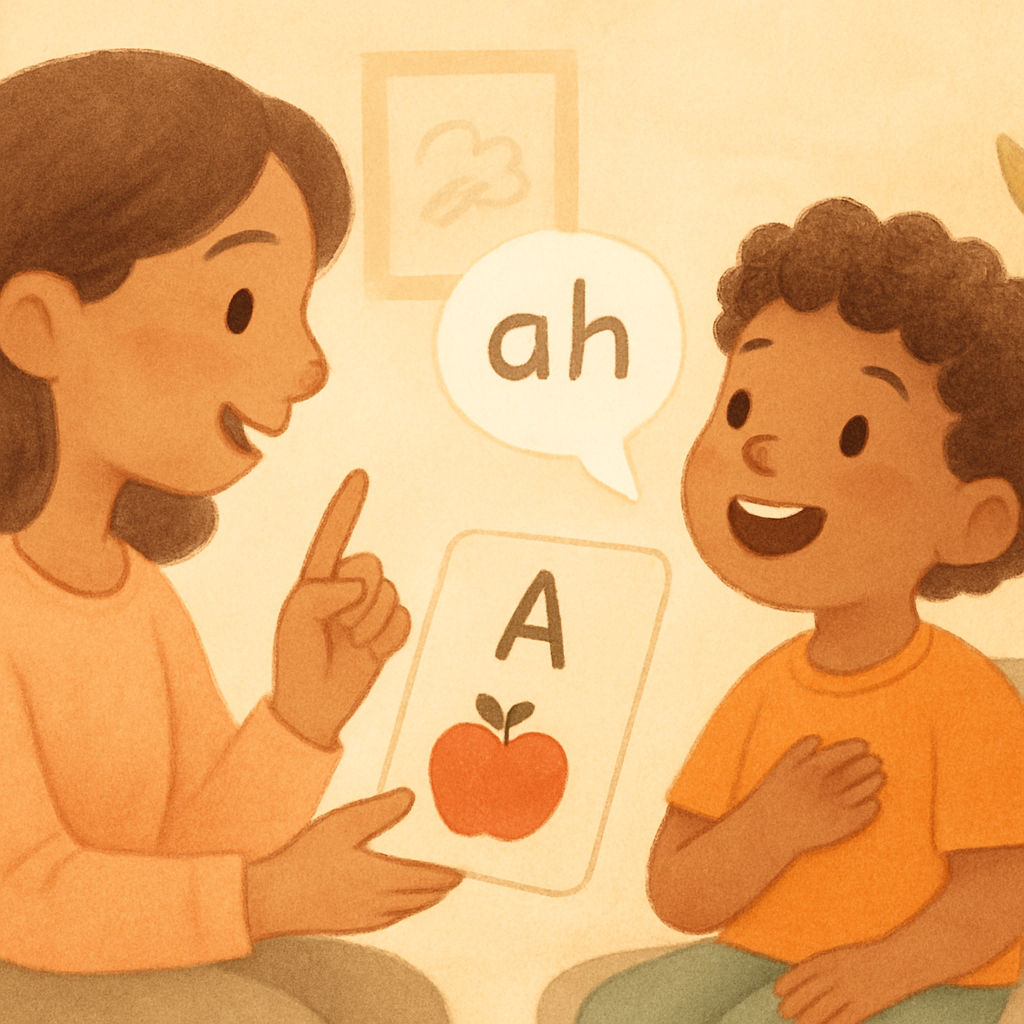
Early intervention is crucial for young children with communication disorders. Pediatric speech therapy uses play-based activities like games, books, and interactive toys to build vocabulary, form sentences, and improve articulation.
Signs your child may need a speech pathologist include trouble following directions, a limited vocabulary compared to peers, or frustration when communicating. Starting therapy before age five often leads to better outcomes.
Consider an assessment if your child has:
-
Difficulty making certain sounds or being understood
-
A history of hearing loss or frequent ear infections
-
Trouble with social interaction or using language appropriately
Speech Therapy for Adults and Seniors
Speech therapy isn’t just for kids—it’s vital for adults and seniors, especially after strokes, brain injuries, or with conditions like Parkinson’s, ALS, or Alzheimer’s. Therapy helps rebuild communication skills or develop new strategies. Speech pathologists offer exercises to strengthen speech muscles and techniques to address memory and problem-solving issues, aiming to restore function and support independence.
Adult speech therapy can help with:
-
Speech disorders such as dysarthria (slurred speech) or aphasia (language difficulties)
-
Voice disorders from overuse or neurological issues
-
Swallowing problems (dysphagia)
Common Communication Challenges Addressed
Speech therapy can tackle a wide variety of communication challenges. From language disorders that affect your ability to understand others to speech disorders that make it hard to produce sounds, a therapist can identify the problem and create a targeted plan. They use specific language intervention activities to build skills and confidence.
These challenges can affect anyone, impacting social skills and daily interactions. The next sections will look at some of the common conditions that speech therapy helps manage, including social communication difficulties and language delays.
Social Communication Disorders
Social communication disorders make using verbal and nonverbal language in social situations challenging. This can impact relationship-building and social interaction, such as reading body language, taking turns in conversation, or staying on topic.
Therapy is especially helpful for people on the autism spectrum who struggle with unwritten social rules. Speech therapists use structured activities to teach key social skills clearly and directly, aiming to improve development and reduce stress during interactions.
Therapy may target:
-
Using gestures
-
Starting and ending conversations
-
Recognizing others’ perspectives and feelings
Language Delays and Other Conditions
Beyond social skills, speech therapy addresses many other conditions, including language delays and developmental delays. These can be caused by various factors, such as a hearing loss that makes it hard to learn language or a physical condition like a cleft palate or cerebral palsy that affects the muscles used for speech.
Fluency disorders, such as stuttering, and articulation disorders, where a person has trouble with speech clarity, are also common reasons to seek therapy. A therapist will work with you to improve your language skills, whether it's expanding a limited vocabulary or learning to produce sounds correctly.
Here are some conditions that speech therapy can address:
|
Condition |
Description |
|---|---|
|
Articulation Disorders |
Difficulty producing specific sounds correctly, affecting speech clarity. |
|
Fluency Disorders |
Interruptions in the flow of speech, like stuttering. |
|
Receptive Disorders |
Trouble understanding or processing what others are saying. |
|
Expressive Disorders |
Difficulty putting thoughts into words, limited vocabulary, or trouble forming sentences. |
Inside a Typical Speech Therapy Session
Stepping into a speech therapy session for the first time can be a new experience. These sessions are led by a qualified speech therapist who creates a welcoming and supportive environment. Each appointment is tailored to your individual needs and goals, ensuring the therapy process is as effective as possible.
From the initial assessment to the specific techniques used, every part of the session is designed to work toward an effective treatment outcome. Let’s explore what you can expect, starting with how a speech pathologist determines your needs and sets goals.
Assessment and Goal Setting with Speech Pathologists
Your first speech therapy session starts with a thorough assessment. The speech pathologist will review your communication challenges, health history, and personal goals using tests, conversation, or observation. This step guides the entire therapy process.
After the assessment, you'll work together to set realistic goals based on your needs—whether it's clearer speech or more confidence in social situations. These goals shape your personalized treatment plan.
By understanding your strengths and challenges, the therapist designs targeted activities to help you make meaningful progress in communication.
Techniques and Strategies Used in Therapy
Speech therapists use various techniques to help you reach your goals. Articulation therapy teaches correct tongue and lip movements for clearer speech, especially for those struggling with specific sounds.
Therapy may target expressive or receptive disorders using pictures, books, and activities to build vocabulary and comprehension. For voice disorders, exercises focus on breath support and vocal cord function. Strategies are tailored to your age and needs.
Common techniques include:
-
Language intervention activities to boost language development
-
Oral-motor exercises to strengthen mouth muscles
-
Modeling and repetition for practicing correct speech patterns
Conclusion
In conclusion, speech therapy is a vital resource for individuals of all ages facing communication challenges. By addressing various disorders and enhancing communication skills, speech pathologists empower their clients to unlock their full potential. Whether through tailored techniques in a supportive environment or engaging activities designed for children, the journey toward improved communication can be both effective and rewarding. If you're considering speech therapy for yourself or a loved one, don't hesitate to reach out for guidance and support. Take the first step today and explore how professional speech therapy can make a difference in your life!
If you're considering this important step for your child's development, reach out today for a consultation or call daar at 02 9133 2500 to learn more about how we can help.
Frequently Asked Questions
What is the difference between speech therapy and speech pathology?
Speech pathology is the broad healthcare discipline focused on diagnosing and treating communication and swallowing disorders. Speech therapy refers to the actual treatment and therapy services provided by a speech pathologist to address these language disorders and other communication challenges.
Are pediatric speech therapy or other services covered by NDIS?
Yes, pediatric speech therapy and other therapy services can be funded through the National Disability Insurance Scheme (NDIS) in Australia. Coverage depends on an individual's specific needs and whether the support is considered reasonable and necessary to help them achieve their goals, as outlined in their NDIS plan.
How do I find qualified Speech Therapy in Liverpool, NSW?
To find a qualified speech pathologist in Liverpool, you can ask your doctor for a referral, search online directories from professional bodies like Speech Pathology Australia, or look for local private practices. This will help you find therapy services that match your specific communication needs.
.svg)




.svg)