
.png?width=48&height=48&name=Group%201%20(3).png)























5 January, 2026

Discover Key Benefits of Socialised Behaviour Therapy
Introduction
Feeling confident in social settings is a vital part of your overall mental health. However, many people find these interactions challenging, often due to factors like avoidance, which can lead to feelings of isolation and anxiety. If you struggle with connecting to others, you are not alone. Fortunately, a focused type of behavioural activation therapy can help you build the social skills you need to thrive. This approach provides practical tools and strategies to improve how you relate to others, ultimately enhancing your quality of life.
Key Highlights
-
Socialised behaviour therapy is a practical approach to improving your social skills and facilitating positive change in overall mental health. This form of behavioural therapy uses techniques like role-playing, positive reinforcement, and gradual exposure therapy. Most individuals may begin noticing improvements in their social skills and confidence within a few weeks to a few months of consistent behaviour therapy, although the exact timeframe can vary depending on individual needs and the frequency of sessions.
-
This form of behavioural therapy uses techniques like role-playing, positive reinforcement, and gradual exposure therapy.
-
It supports children and adults experiencing challenges with social interactions, anxiety, and social behaviour disorders.
-
A primary goal is to build your confidence and competence in various social situations, from conversations to forming relationships.
-
The therapy is action-oriented and focuses on learning new, observable skills in a safe and encouraging environment.
What Is Socialised Behaviour Therapy?
Socialized behaviour therapy is a specialized form of behavioural therapy aimed at improving social functioning and mental health. Based on social learning theory, it helps individuals develop social skills through observation and practice. The process involves working with a therapist to identify specific challenges and create personalized treatment plans and skill-building plans. Upcoming sections will cover its definition, methods, and theoretical background.
Defining Socialised Behaviour Therapy
Socialized behaviour therapy is a clinical practice psychotherapy based on behaviourism. It focuses on learned behaviours and environmental influences, targeting observable actions rather than deep psychological issues. The therapy provides strategies to positively modify behaviours and improve social skills, especially for individuals with mental health conditions or developmental disabilities.
Therapists use this approach to help people manage anxiety, mood disorders, and challenges affecting social functioning. Sessions can be one-on-one or in groups, offering a structured setting for skill-building.
The main goal is to boost confidence in social situations by breaking interactions into manageable steps. Practicing these skills helps improve communication and connections with others, supporting better mental health.
How Socialised Behaviour Therapy Works in Practice
Socialized behaviour therapy is a practical, hands-on way to improve social skills. It starts with assessing your challenges, then your therapist guides you through targeted techniques in social skills training.
Complex tasks like conversation are broken into manageable steps, such as introducing yourself, making small talk, or exiting gracefully. You practice these skills in controlled settings to reduce anxiety.
Each session builds on the previous one, with feedback and reinforcement from your therapist. This structured approach helps you master new skills in a safe environment before using them in real life.
Theoretical Foundations of Behaviour Therapy
Socialised behaviour therapy is grounded in established learning theories, especially social learning theory, which emphasizes learning by observation. It also uses principles from operant conditioning and classical conditioning to reinforce desired behaviours.
Unlike cognitive behavioural therapy (CBT), which targets negative thought patterns, socialized behaviour therapy focuses on changing behaviour directly through practice, reinforcement, and sometimes exposure, making it also relevant for individuals dealing with substance abuse. While cognitive therapy addresses internal thoughts, this approach prioritizes building observable skills in social situations.
Who Can Benefit From Socialised Behaviour Therapy?
A wide range of individuals can find relief and growth through socialised behaviour therapy. It is particularly helpful for those dealing with mental health conditions or mental disorders, including personality disorders, that directly impact social functioning. If you find social interactions to be a source of stress, these therapy services can offer practical solutions to improve your social skills.
Whether you are a child struggling to make friends, an adolescent navigating peer pressure, or an adult facing challenges at work, this therapy is adaptable. Let’s explore how it specifically helps children, adults, and even entire families.
Children and Adolescents With Social Challenges
Children and adolescents with social behaviour disorders, such as autism or conduct disorder, often struggle to interact with others. Behavioural therapy offers a structured way to teach essential social skills.
Early intervention and social skills training help children manage their emotions in social settings, laying the groundwork for healthier relationships. Therapists break down complex social behaviours into manageable steps, such as:
-
Practicing sharing and turn-taking through play
-
Gradual exposure to new social situations to reduce anxiety
This approach makes learning less overwhelming, boosts self-esteem, and prepares children for future success.
Adults Seeking Social Skills Improvement
Many adults struggle with social interactions due to social anxiety or other mental health issues, making everyday situations like meetings or gatherings overwhelming. This anxiety can hinder relationships and prevent you from using your social skills.
Socialized behaviour therapy helps by combining skill practice with anxiety management techniques. It offers a safe space to build confidence and improve social skills without fear of negative consequences. By addressing both skill gaps and anxiety, you can navigate interactions more comfortably, similar to how a neutral stimulus becomes associated with a response in classical conditioning.
The goal is to reduce avoidance, empower you in personal and professional settings, foster meaningful connections, and enhance overall well-being.
Families Navigating Social Skill Difficulties
Success in behaviour therapy often depends on life outside the therapist’s office. Family involvement creates a supportive environment for new social skills to take root. When parents and caregivers participate, they reinforce therapy lessons at home.
Aligning treatment with daily routines helps children use their skills consistently and manage challenging behaviours. Parents receive guidance during sessions to implement str
ategies at home, empowering families to maintain a positive, consistent atmosphere. This collaboration greatly improves a child’s ability to generalize new skills.
Key aspects of family involvement:
-
Modeling positive behaviours
-
Using reinforcement strategies at home
-
Establishing consistent routines to reduce challenging behaviours
Social Behaviour Disorders Addressed by Therapy
Socialised behaviour therapy is a versatile tool for addressing a variety of social behaviour disorders that affect mental health and interpersonal relationships. By focusing on improving social skills, these therapy services offer practical solutions for individuals who struggle with social interaction. The techniques used, often overlapping with cognitive behaviour therapy, are tailored to the specific needs of each person.
This targeted approach helps manage symptoms and build confidence in social settings. The following sections will detail some of the common childhood disorders, adult anxiety issues, and support for neurodiverse individuals that this therapy can address.
Common Childhood Social Behaviour Disorders
This therapy, including behaviour analysis techniques, is highly effective for children with social behaviour disorders. It equips them to navigate overwhelming social situations. Disorders like oppositional defiant disorder (ODD), conduct disorder, and autism spectrum disorder benefit from a structured, skill-based approach.
Therapy teaches emotional regulation, perspective-taking, and appropriate social responses. For children with social phobia or anxiety, it offers gradual exposure in a supportive setting, building resilience and confidence.
By breaking down social skills into clear steps, therapy empowers children to interact more successfully with peers and family.
|
Disorder |
How Behaviour Therapy Helps |
|---|---|
|
Oppositional Defiant Disorder (ODD) |
Teaches conflict resolution and emotional regulation. |
|
Conduct Disorder |
Builds empathy, impulse control, and awareness of consequences. |
|
Autism Spectrum Disorder |
Develops skills for social cues, conversation, and friendships. |
|
Social Phobia/Anxiety Disorder |
Uses gradual exposure and coping strategies to reduce fear in social settings. |
Social Anxiety and Related Issues in Adults
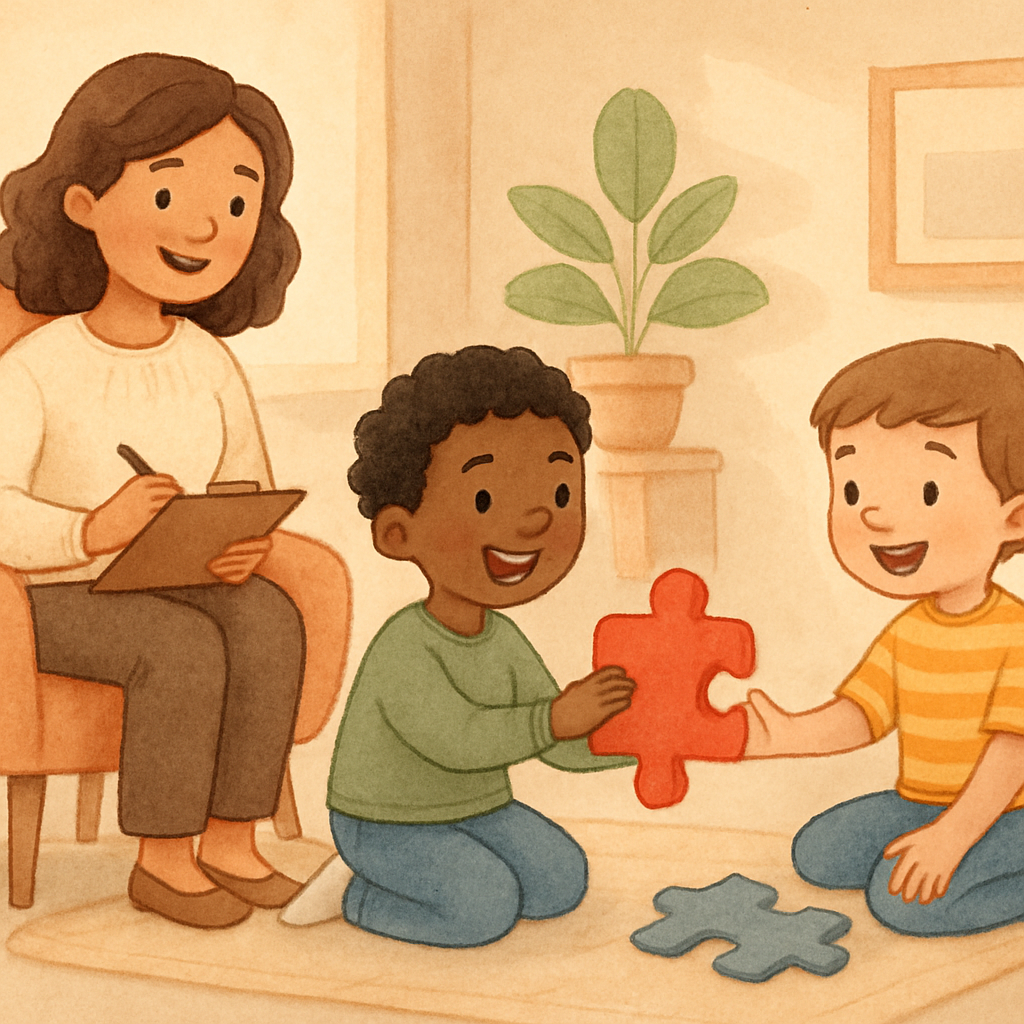
For adults, anxiety disorders, particularly social anxiety disorder, can be paralyzing. The fear of judgment often leads to avoiding social situations, which only reinforces the anxiety. Socialised behaviour therapy directly confronts these challenges by combining skill practice with elements of cognitive therapy.
A key part of the process is identifying and challenging the negative thought patterns that fuel social anxiety. You learn to reframe thoughts like "Everyone is judging me" into more realistic and balanced perspectives. This cognitive shift makes it easier to engage in social activities.
The therapy may also incorporate aversion therapy and exposure therapy, where you gradually face feared situations in a structured way. Starting with less intimidating scenarios and working your way up helps desensitize your fear response. This action-oriented approach empowers you to reclaim your social life.
Support for Neurodiverse Individuals (Including NDIS Participants)
Socialised behaviour therapy, including play therapy, is incredibly beneficial for neurodiverse individuals, including those with autism spectrum disorder. It provides a clear, structured way to learn social rules and cues that might not be intuitive. The goal is to create a supportive environment where individuals can build skills at their own pace.
In Australia, these therapy services are often accessible through the National Disability Insurance Scheme (NDIS). The NDIS can provide funding for specialized therapies that improve communication, social skills, and daily living activities. This makes crucial support more accessible for many families.
This therapy helps neurodiverse individuals by:
-
Teaching specific skills for conversation, like starting a chat or joining a group.
-
Improving the ability to understand non-verbal cues and others' perspectives.
-
Building confidence to participate more fully in school, work, and community life.
Core Techniques Used in Socialised Behaviour Therapy
To help you build confidence, socialised behaviour therapy employs several core techniques. Social skills training is a fundamental component, where you actively practice and rehearse different social scenarios in a safe environment. This structured approach, along with weekly homework assignments, helps you learn and master new skills.
Another key element is the use of cognitive behaviour therapy and positive reinforcement, which rewards your progress and motivate you to keep improving. Some approaches also involve cognitive restructuring to change unhelpful thoughts. The following sections will explore some of these powerful behaviour therapy techniques in more detail.
Role-Playing and Modeling Social Interactions
Modeling and role-playing are key techniques in social learning—observing and imitating others. In therapy, your therapist may demonstrate a social skill, such as starting a conversation or giving a compliment (modeling). You then practice through role-playing, acting out real-life scenarios in a safe environment. This active rehearsal builds confidence and helps you master new social skills.
With this approach, you learn to:
-
Join conversations
-
Ask for help
-
End conversations gracefully
Positive Reinforcement and Feedback Strategies
A key part of this therapy is positive reinforcement—rewarding desired behaviours to increase their frequency. When you use a new social skill, your therapist gives praise or another reward.
This approach builds motivation and confidence by focusing on successes rather than mistakes, creating a supportive environment where you feel safe to try new things. For children, this may include tools like sticker charts.
Consistent reinforcement helps turn new skills into lasting habits. As you associate positive feelings with social interactions, your anxiety decreases and you become more willing to engage with others.
Structured Group Activities and Peer Engagement
Structured group activities are a key technique in this therapy for those experiencing severe mental illness. Practicing with peers provides a controlled space for real-life skill-building and immediate feedback from both therapists and group members.
These activities foster a supportive community, motivating participants and reducing isolation. Peer interaction also reassures you that you’re not alone in your struggles.
The main goal is to boost social functioning. By practicing cooperation, negotiation, and conflict resolution with peers, you build the confidence and skills needed for everyday social situations.
Social Skills Development Through Behaviour Therapy
So, what kind of social skills can you expect to improve through behaviour therapy in order to achieve specific goals? The range is broad, covering nearly every aspect of social interactions and social functioning. The therapy focuses on practical skill development that you can apply immediately in your daily life, improving your overall mental health.
From learning how to listen actively to expressing your own needs clearly, each therapy session provides a comprehensive toolkit for better communication and effective communication. The following sections will detail some of the key skills you can develop, including communication, assertiveness, and emotional regulation.
Enhancing Communication and Active Listening
This therapy focuses on improving communication skills, including both verbal and nonverbal cues. You’ll learn conversation techniques like starting chats, asking engaging questions, and sharing about yourself comfortably.
Active listening is a key skill: paying close attention, asking clarifying questions, and reflecting back what you hear. This shifts focus from your own anxiety to the other person, helping them feel heard and valued.
You’ll practice:
-
Asking open-ended questions to encourage conversation
-
Showing you’re listening through nods and affirmations
-
Reflecting back what you’ve heard to confirm understanding
Building Assertiveness and Conflict Resolution Skills
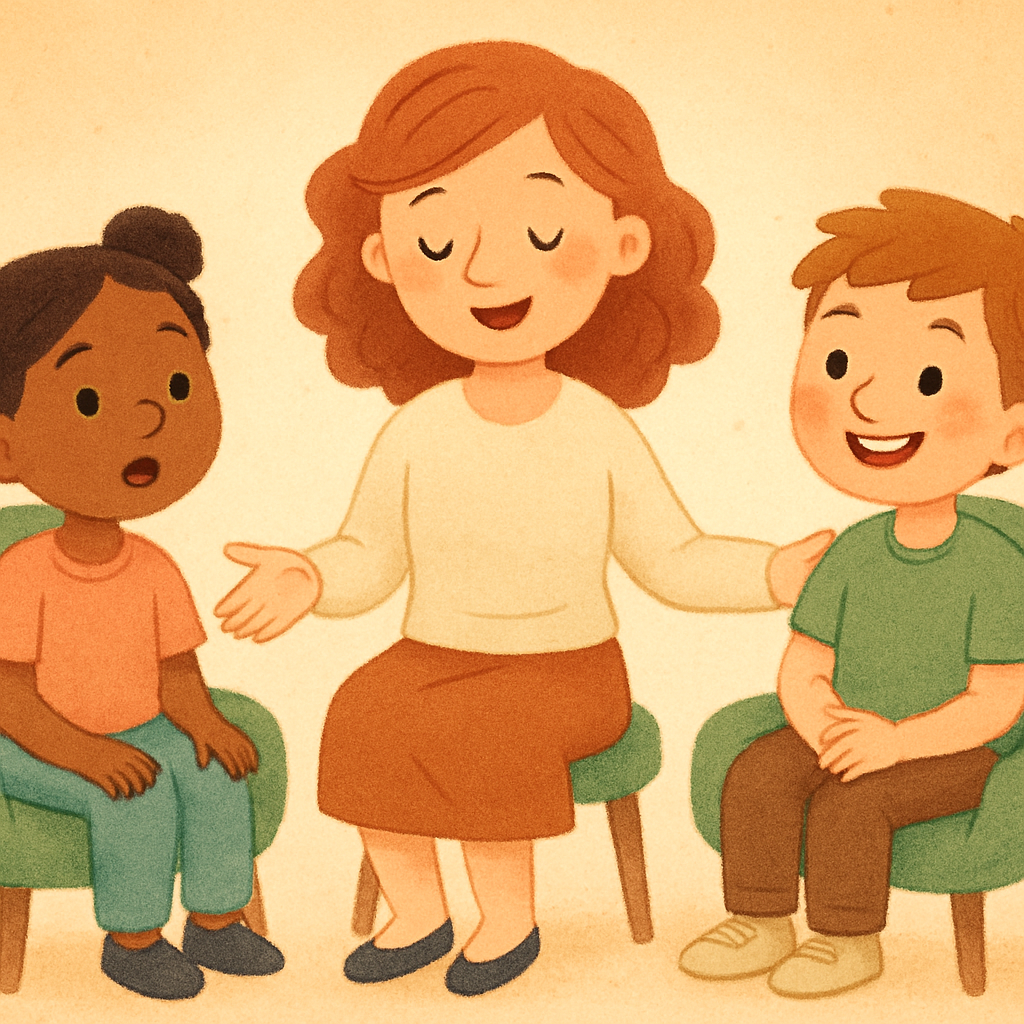
Assertiveness means balancing your needs with others’. If you have social anxiety, you may defer to others and feel uncomfortable. Socialized behaviour therapy teaches you to express yourself respectfully and confidently, which is essential for healthy relationships.
Building assertiveness helps challenge negative thoughts that say your opinion doesn’t matter. As you practice speaking up calmly—using good eye contact and clear language—you’ll likely notice less anxiety and more comfortable interactions.
Assertiveness also improves conflict resolution. Instead of avoiding tough conversations, you learn to address issues directly and constructively, leading to more honest, open relationships.
Emotional Regulation in Social Contexts
Emotional regulation is the ability to manage your feelings in healthy ways, essential for positive social interactions. For those with mental health or behavioural challenges, emotions like anxiety or frustration can be overwhelming in social situations.
Socialized behaviour therapy teaches practical strategies to recognize and manage these emotions. You can learn to identify triggers and develop coping skills, such as breathing exercises, mindfulness, or physical activity, and reframing thoughts—sometimes through exposure therapy.
Strengthening emotional regulation helps prevent outbursts and supports healthier relationships. This skill is especially valuable for children, offering better ways to express themselves without disruptive behaviour.
Socialised Behaviour Therapy in Australia
Yes, specialized therapy services for cognitive behavioural therapy and behaviour therapy are available across Australia. Professionals in clinical psychology and trained social workers offer these programs. These Australian health services are designed to support individuals with various mental health conditions who want to improve their social skills and confidence.
For many, accessing this support is made easier through programs like the National Disability Insurance Scheme (NDIS). The following sections will provide more information on how to access services through the NDIS and what to look for when choosing a qualified provider.
Accessing Therapy Services Through NDIS
The National Disability Insurance Scheme (NDIS) is a key resource for accessing therapy in Australia. If you or your child has a permanent disability—including certain mental health conditions affecting social functioning—you may qualify for NDIS funding. This funding covers various health services, including behaviour therapy.
To use these services, first become an NDIS participant. After your plan is approved, you can use your funding to work with registered providers who meet your needs. The NDIS system gives you choice and control over your supports.
Working with an NDIS provider means receiving tailored therapy from professionals focused on your goals.
|
NDIS Access Step |
Description |
|---|---|
|
1. Check Eligibility |
Confirm your condition meets NDIS requirements for permanent and significant disability. |
|
2. Apply for Access |
Submit an Access Request Form with evidence from a qualified professional. |
|
3. Create Your Plan |
Work with an NDIS planner to make a personalized plan that funds specific supports. |
|
4. Choose Providers |
Use your funding to select registered therapy providers that fit your plan’s goals. |
Choosing Qualified Behaviour Therapy Providers
When seeking behavioural therapy, choose a qualified provider for effective, evidence-based care. Look for professionals with training in clinical psychology or related fields—such as registered psychologists, accredited social workers, or speech therapists specializing in social communication.
Before starting therapy, ask about the provider’s qualifications, approach, and experience with your specific concerns. A good therapist will answer your questions openly and explain how they will tailor the therapy to you.
Finding the right fit matters; a trusting relationship with your therapist is key to progress. A strong therapeutic alliance will help you build better social skills successfully.
Conclusion
In summary, Socialised Behaviour Therapy is an invaluable approach for individuals seeking to enhance their social skills and navigate social challenges. Whether it's children facing social difficulties, adults wanting to improve their interactions, or families in need of support, this therapy provides essential techniques such as role-playing, positive reinforcement, and structured activities. By focusing on communication, emotional regulation, and emotional responses, assertiveness, clients can experience significant improvements in their social functioning.
If you're ready to take the next step towards enhancing your social skills, reach out today for a consultation or call daar at 02 9133 2500!
Do you think therapists manipulate their clients?
Therapists do not manipulate their clients; rather, they guide and support them through therapeutic processes. Socialised behaviour therapy focuses on fostering understanding and change in clients' behaviours. This collaborative approach empowers clients to develop healthier coping mechanisms and improve their interpersonal relationships with genuine support from their therapists.
Do you think therapists manipulate their clients?
Therapists do not manipulate clients; rather, they guide and support them through therapeutic processes. Socialised behaviour therapy focuses on fostering self-awareness and healthy coping strategies. Therapists aim to create a safe environment, empowering clients to explore their thoughts and feelings without coercion or manipulation. Trust is essential in this relationship.
.svg)




.svg)