
.png?width=48&height=48&name=Group%201%20(3).png)























8 January, 2026

Speech Therapy Essentials: Tips for Effective Communication
Introduction
Clear communication is a cornerstone of our daily interactions, but for many, it can be a significant hurdle. If you or a loved one faces speech challenges, it can affect everything from relationships to confidence. Speech therapy offers a path forward, providing essential tools and strategies to overcome communication disorders. This guide will walk you through the fundamentals of speech therapy, exploring how it supports language development and helps individuals of all ages find their voice and communicate more effectively.
Key Highlights
-
Speech therapy effectively improves communication skills for both children and adults, enhancing their quality of life.
-
This treatment is not just about speech; it also helps with problem solving, memory, and even swallowing difficulties.
-
Early intervention is key for children with speech disorders, leading to more successful outcomes.
-
A wide range of conditions, from developmental delays to issues caused by a stroke or brain injury, can be addressed with language therapy.
-
Speech-language pathologists create personalized exercises to meet specific communication needs.
-
Therapy can significantly boost self-esteem and independence by improving how you express and understand language.
Overview of Speech Therapy Essentials
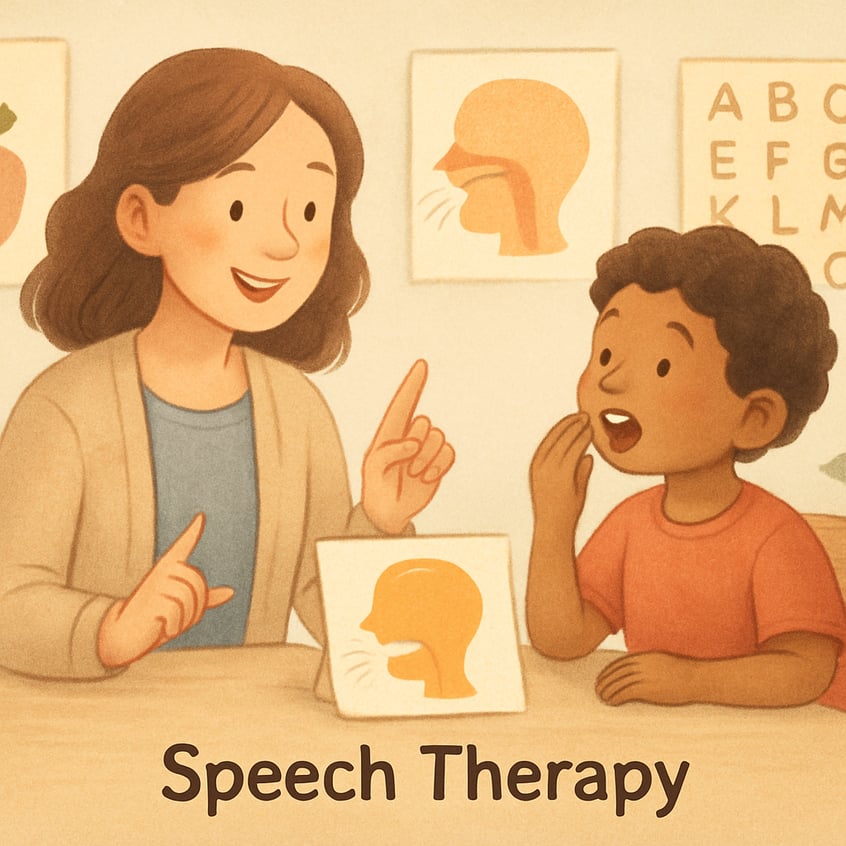
Speech therapy is a specialized treatment designed to enhance your ability to communicate and utilize other language skills. You’ll work with trained professionals called speech therapists, or speech-language pathologists, who guide you through targeted speech therapy exercises. These activities are tailored to address your unique communication needs and help you build confidence.
The goal is to enhance your communication skills so you can express your thoughts and understand others more easily in your daily life. Whether for a child learning to speak or an adult recovering from an injury, therapy can make a world of difference. Next, we’ll explore what speech pathology entails and the differences between speech and language therapy.
Understanding Speech Pathology and Its Importance
Speech pathology is the healthcare field dedicated to diagnosing and treating communication and swallowing disorders. A speech pathologist is a highly trained professional who helps individuals overcome a vast range of challenges that can impact their quality of life. These issues can stem from developmental delays, injuries, or neurological disorders. The work they do is vital for improving how people connect with the world around them.
During a typical session, a speech pathologist’s activities vary based on the person's age and needs. For a child, therapy often involves play-based interactions with books, games, and pictures to stimulate language development. This makes learning fun and engaging.
For an adult, sessions are usually more focused on rebuilding specific skills. This could include exercises to strengthen oral muscles, memory activities, or conversational tactics to improve social communication. The ultimate goal is always to create a personalized plan that helps you achieve your communication goals.
Key Differences Between Speech Therapy and Language Therapy
While often used interchangeably, speech therapy and language therapy target different aspects of communication. Understanding this distinction can help you recognize what kind of support might be needed. Speech refers to the physical act of producing sounds, while language is the system of words and symbols we use to share ideas.
A speech pathologist can help with both, but the focus of the therapy will differ. Here are the key differences:
-
Speech Therapy: This focuses on the "how" of talking. It includes articulation therapy to correct how word sounds are made and fluency therapy to address the flow and rhythm of speech.
-
Language Therapy: This focuses on the "what" of communication. It addresses language disorders by helping individuals understand what others are saying (receptive language) and express their own thoughts (expressive language).
Essentially, speech therapy helps you form sounds correctly, while language therapy helps you use words to build meaningful sentences. Both are crucial for effective communication.
Common Conditions Addressed by Speech Therapy
Speech therapy can benefit anyone with a communication disorder, regardless of age. It's a common treatment for speech problems that arise after a brain injury, stroke, or as a result of nervous system disorders like amyotrophic lateral sclerosis (ALS). Therapists also address voice disorders, articulation disorders, and challenges related to hearing loss.
Often, an underlying medical condition is the root cause of communication difficulties. Speech therapy can help improve skills as you recover from the primary issue, making it a critical part of a holistic treatment approach. Let's look closer at specific language difficulties and social communication challenges.
Receptive Language and Expressive Language Difficulties
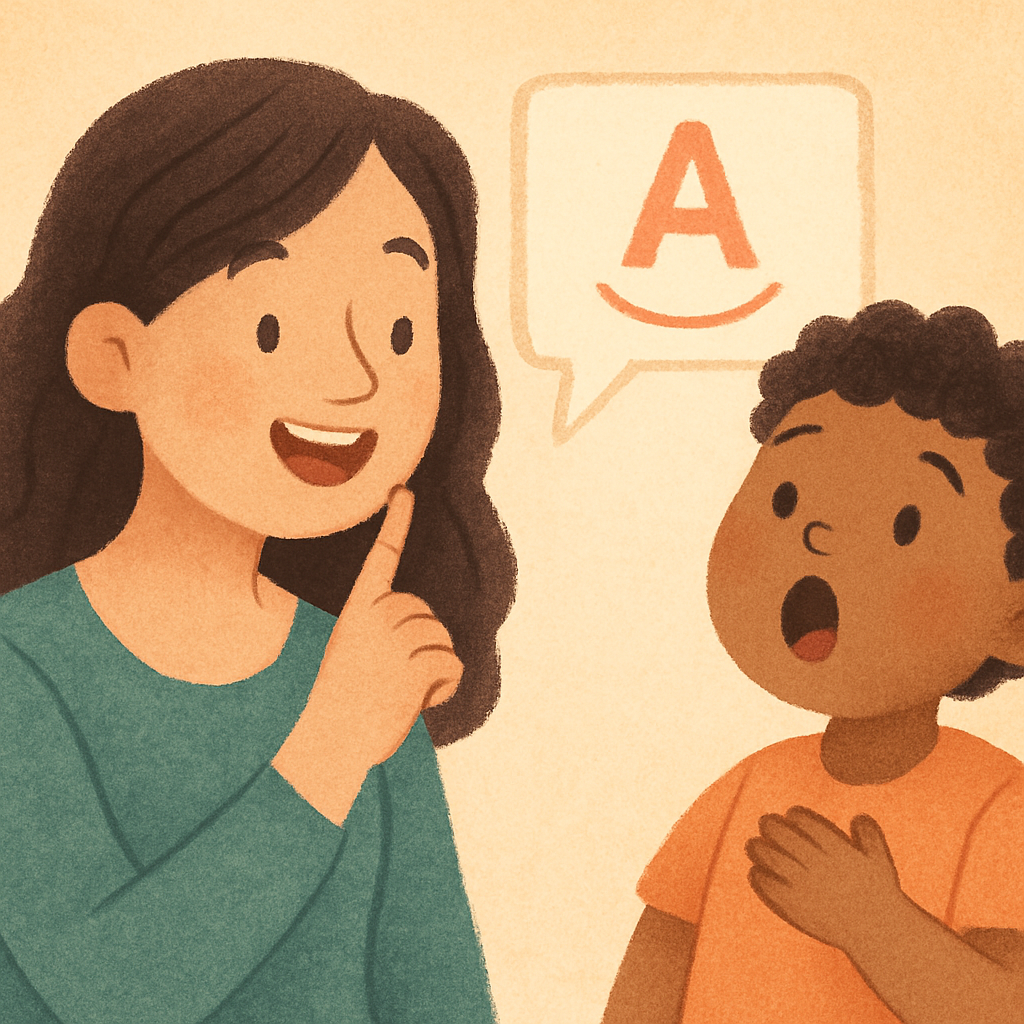
Language difficulties are often categorized into two main types: receptive and expressive. A receptive language disorder means a person has trouble understanding and processing what others are saying. A child with this challenge might seem uninterested in conversations or have difficulty following directions because of issues with language processing.
On the other hand, an expressive language disorder involves difficulty conveying thoughts and ideas. Someone with this disorder may struggle to form accurate sentences, use incorrect verb tenses, or have a limited vocabulary. These language delays can be linked to developmental impairments or result from a medical condition or head trauma.
So, how can you identify if your child needs help? Look for signs like not babbling by 7 months, saying only a few words by 18 months, or having trouble putting words together to make sentences by age 3. If you notice these signs, consulting a professional is a good first step.
Social Communication Disorders and Strategies Used
Beyond just forming words and sentences, communication is deeply social. Social communication disorders create problems with the practical use of language in social situations. This can impact a person's ability to build relationships and affect their overall social development. These challenges are common in autistic children but can affect anyone.
Difficulties may appear in understanding social cues, taking turns in conversation, or adjusting language for different listeners. A speech pathologist uses specific strategies to build these essential social skills.
Some of these strategies include:
-
Practicing conversational tactics to improve interactions.
-
Using role-playing to navigate different social scenarios.
-
Learning to interpret nonverbal cues like facial expressions.
-
Working in a small group to practice skills with peers.
These targeted approaches help individuals communicate more effectively and confidently in their social lives.
Accessing Speech Therapy Services through NDIS
Accessing speech therapy is possible through various settings, including hospitals, schools, and private practices. In countries like the United States and Australia, systems are in place to help individuals connect with these vital services. For instance, Speech Pathology Australia is the national body for the profession in Australia, helping to ensure high standards of care.
No matter where you live, the first step is usually a referral from a doctor to a speech pathologist who can assess your specific needs. Therapy is effective for everyone, from young children with developmental delays to adults recovering from injuries.
How NDIS Supports Speech Pathology in Australia
Support systems are crucial for making speech pathology accessible. In Australia, the NDIS provides funding for people with disabilities to access services from a speech pathologist. In other places, private insurance or government programs help cover the costs. The process generally starts with an evaluation, which leads to a personalized treatment plan designed to improve quality of life.
The duration of therapy varies. Some people see progress in a few months, while others with more complex needs may require longer-term support. The key is that speech therapy works, offering a structured path toward better communication. The table below outlines the typical journey to receiving care.
|
Step |
Description |
|---|---|
|
Initial Concern |
Noticing difficulties with speech, language, or swallowing. |
|
Doctor's Referral |
Consulting a healthcare provider for an evaluation and referral. |
|
SLP Assessment |
A speech-language pathologist diagnoses the specific disorder. |
|
Treatment Plan |
The SLP creates a personalized plan with specific goals. |
|
Ongoing Therapy |
Attending regular sessions and practicing exercises at home. |
Conclusion
In conclusion, effective communication is a vital skill that can significantly enhance your personal and professional interactions. Understanding the essentials of speech therapy can empower you or a loved one to overcome various communication challenges. By familiarizing yourself with the different therapies, recognizing conditions that may need attention, and accessing services like those provided by NDIS, you set the stage for better speech and language outcomes. Don't hesitate to take that first step toward improved communication; it's an investment in your future.
If you're ready to explore how speech therapy can help, consider scheduling a consultation today or call daar at 02 9133 2500!
Frequently Asked Questions
How long does it typically take to see progress in speech therapy?
The timeline for progress varies for everyone. It depends on age, the severity of the disorder, and how often you do speech therapy exercises. Consistent practice is vital for making an effective treatment plan successful. For children, brain development plays a role, but for all ages, dedication improves daily life communication because speech therapy works.
Are speech therapy strategies and results different for adults compared to children?
Yes, approaches differ significantly. Pediatric speech therapy is often play-based, focusing on developmental milestones and early intervention. For adults, especially those with neurological disorders, therapy is geared toward rebuilding skills, problem solving, and overcoming specific communication problems. The goals are tailored to the individual’s life stage and needs.
What qualifications do speech pathologists need in Australia?
To become a speech pathologist in Australia, individuals must complete a university degree recognized by Speech Pathology Australia, the national professional body. These trained experts work in various settings, including private practices and hospitals, and are qualified to diagnose and treat a wide range of medical conditions using language intervention activities.
.svg)




.svg)