
.png?width=48&height=48&name=Group%201%20(3).png)























9 January, 2026

Speech Therapy: Your Path to Clearer Communication
Introduction
Have you ever wondered what speech therapy is and how it works? It’s a professional field focused on assessing and treating communication problems and speech disorders. This therapy is performed by speech-language pathologists (SLPs), also known as speech therapists. They use proven techniques to help people of all ages improve their language skills. Whether it’s a child with a developmental delay or an adult recovering from a stroke, speech therapy is tailored to meet individual communication needs and enhance clear expression.
Key Highlights
-
Speech therapy is a specialized treatment for a wide range of communication problems and speech disorders in both children and adults.
-
A certified speech pathologist assesses and treats conditions like stuttering, articulation issues, and language disorders.
-
Therapy improves overall communication skills, including social interaction, comprehension, and expression.
-
Various techniques are used, such as language intervention activities and targeted speech therapy exercises.
-
Early and consistent therapy can significantly boost confidence and improve a person's quality of life.
Conditions Treated by Speech Pathologists
A speech pathologist can address a surprisingly broad spectrum of conditions affecting how you communicate. Their work goes far beyond just helping with a lisp or stutter. They are trained to evaluate and treat both acute and chronic conditions that impact speech, language, cognition, and even swallowing.
These professionals help with language disorders, cognitive-communication issues from a brain injury, and speech challenges caused by neurological conditions. From developmental delays in children to voice disorders in adults, a speech pathologist provides the tools to overcome these communication hurdles. The following sections will explore some of these conditions in more detail.
Social Communication Disorders
Social communication disorders make it difficult to interact with others by affecting how you use verbal and nonverbal cues. You may have trouble understanding social signals, taking turns in conversation, or adjusting your language for different people.
These challenges are common in autistic children but can also result from brain injuries or nervous system disorders. The main problem is a disruption in the thinking processes behind social interaction, leading to difficulty solving social problems and seeming uninterested.
A speech pathologist can help by teaching conversational skills through targeted therapy. Practicing these skills in a supportive environment helps you navigate social situations more effectively and build stronger connections.
Addressing Stuttering, Articulation, and Resonance Challenges
Many people seek speech therapy for issues that impact speech clarity and flow. Unlike language therapy, which focuses on understanding and using words, speech therapy targets how sounds are physically produced.
Fluency disorders like stuttering affect the speed and rhythm of speech, causing interruptions or repetitions. Articulation disorders involve difficulty forming certain sounds, such as saying "wain" instead of "rain," making speech harder to understand. Resonance disorders affect voice quality due to blocked or altered airflow in the nose or mouth, often linked to conditions like a cleft palate.
Common challenges addressed by speech therapy include:
-
Stuttering: Disrupts the flow and rhythm of speech.
-
Articulation Disorder: Trouble making specific sounds.
-
Resonance Disorders: Voice quality issues from airflow problems.
Inside a Speech Pathology Session in Liverpool and Canterbury
In a speech pathology session, the process starts with an assessment to identify your communication needs and personalize therapy to your goals. Based on this assessment, the therapist creates targeted activities and exercises that are effective and engaging. Together, you'll work on tasks tailored to be challenging enough for progress without causing frustration.
Assessment Methods Employed by Australian Speech Pathologists
To become a speech pathologist in Australia or elsewhere, you must complete extensive training and certification. The first step in speech therapy is a detailed assessment to identify the type and severity of the communication issue. This helps create a personalized treatment plan.
Parents often worry about whether their child needs speech therapy. A speech pathologist can compare your child's language development to typical milestones. If your child isn't meeting these, an evaluation may be needed.
Possible signs of a speech or language disorder include:
|
Age Range |
Potential Signs |
|---|---|
|
4-7 months |
Does not babble |
|
7 months–2 years |
Does not understand others |
|
12-18 months |
Says only a few words |
|
1.5–3 years |
Doesn't put words together in sentences |
Strategies Used for Social Communication and Other Disorders
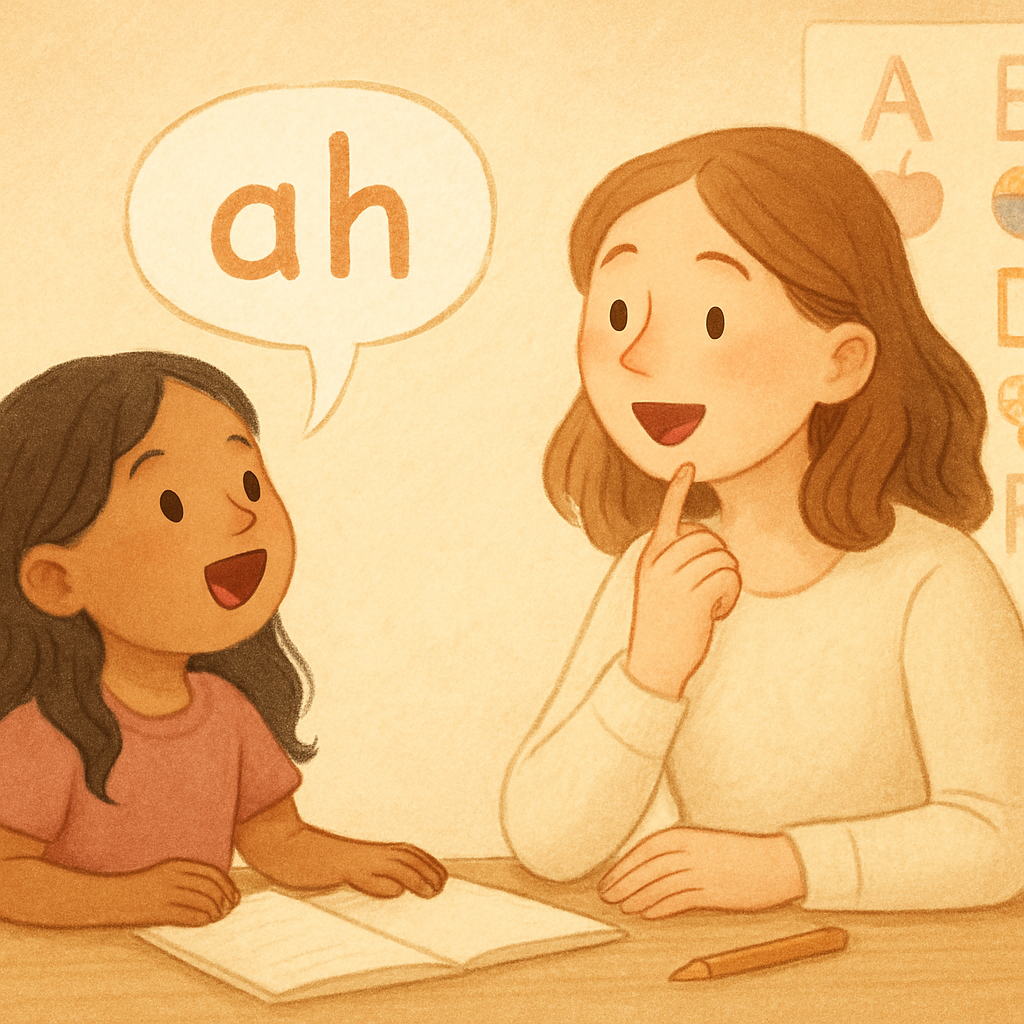
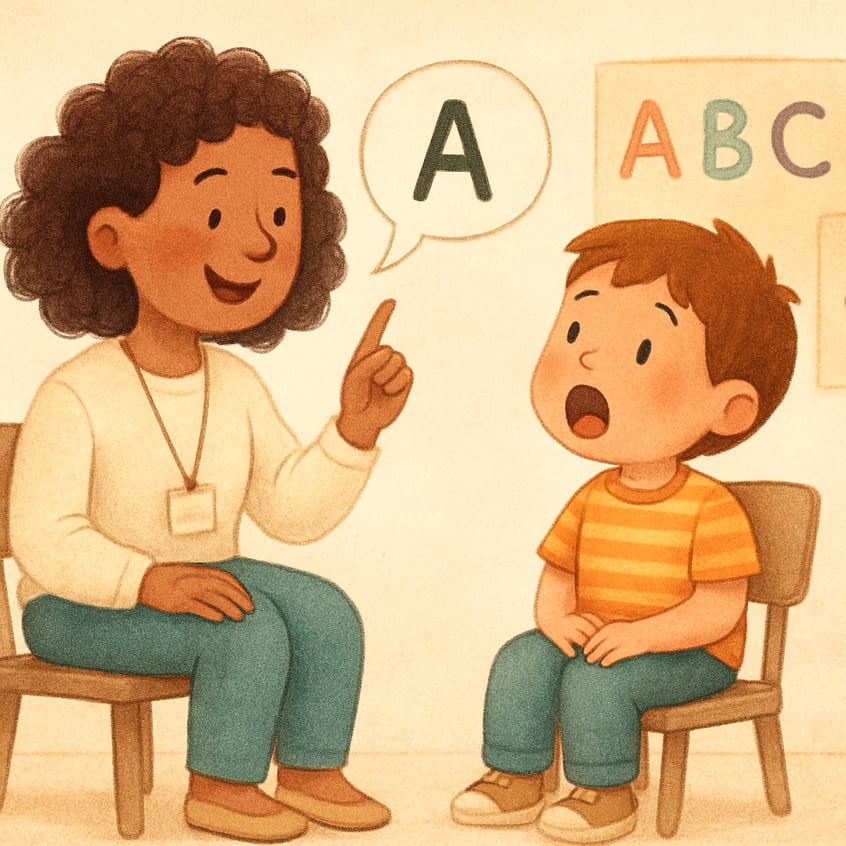
Therapy strategies for social communication and related disorders are practical and goal-oriented. Therapists use language intervention activities to boost language development and communication skills. For children, this often means modeling correct sounds through play with books, pictures, and objects.
For adults, especially those with cognitive-communication disorders, therapy focuses on problem-solving, memory, and organizational exercises to retrain thinking and communication skills. Conversational tactics are used to improve daily social interactions.
Effective strategies include:
-
Using games and rewards to encourage language development
-
Practicing conversational skills for better social interaction
-
Engaging in memory and problem-solving activities to strengthen cognitive communication
Benefits of Speech Therapy for Communication Skills
Engaging in speech therapy offers life-changing benefits that go far beyond just clearer speech. It is an effective treatment that can dramatically improve your overall communication skills, which in turn enhances your daily life. By learning to express yourself and understand others better, you can participate more fully in conversations and activities.
This improvement has a ripple effect, boosting your quality of life and supporting healthy brain development. For many, speech therapy is the key to unlocking more meaningful interactions and reducing the frustration that often comes with communication difficulties.
Enhancing Confidence Through Effective Communication
Addressing speech problems significantly boosts confidence by enabling clear communication and reducing anxiety. This empowers you to engage more in social situations, which is essential for social development at any age.
Struggling to be understood can be frustrating, but strong communication skills bridge gaps, strengthen relationships, and build self-esteem.
Speech therapy builds confidence by:
-
Reducing frustration from being misunderstood
-
Improving conversational participation
-
Empowering self-advocacy at school, work, or in the community
Conclusion
In conclusion, speech therapy offers a transformative path to clearer communication by addressing various speech and language challenges. Whether you're overcoming social communication disorders or enhancing your articulation, the support from skilled speech pathologists can significantly improve your confidence and overall quality of life. With tailored strategies and assessments, each session is designed to empower individuals of all ages. Remember, it's never too late to seek help and enhance your communication skills.
If you're ready to take the first step toward more effective communication, reach out today for a consultation or call daar at 02 9133 2500.
Frequently Asked Questions
How long does speech therapy usually take to show results?
The time it takes for speech therapy to show results varies for each person. It depends on your age, the type and severity of the disorder, and the frequency of therapy. Consistent practice is key to making progress, and an effective treatment plan will be tailored to your specific communication needs.
Is speech therapy effective for adults as well as children?
Yes, speech therapy is highly effective for both adults and children. It addresses childhood speech disorders and developmental delays, as well as communication problems in adults that may result from a stroke, brain injury, or other medical conditions. Treatment is customized for every age and need.
Are there specific exercises I can practice at home to complement my speech therapy sessions?
Absolutely. Home practice is essential for progress. Your speech pathologist will provide speech therapy exercises and strategies to use at home. These can include using apps, playing language development games, or using workbooks. Consistent practice reinforces the communication skills you learn in your sessions.
.svg)




.svg)