
.png?width=48&height=48&name=Group%201%20(3).png)























23 January, 2026

Effective Speech Therapy for Kids Liverpool: A Guide
Introduction
Watching your child grow is a beautiful journey, but it can be concerning if you notice they are struggling with their communication skills. Effective communication is essential for building relationships, succeeding in school, and expressing needs and ideas. If you’re a parent in Liverpool exploring support for your child, this guide is for you. We'll walk you through how pediatric speech therapy services can be the bridge to a brighter, more confident future for your child, helping them develop the tools they need to thrive. To find a qualified speech pathologist in Liverpool for your child, start by researching local pediatric speech therapy clinics and asking for recommendations from your child's school or pediatrician. You can also consult professional organizations such as Speech Pathology Australia to verify credentials and read reviews from other parents, ensuring you choose a trusted specialist suited to your child's needs.
Key Highlights
-
Our specialized speech therapy services in Liverpool are tailored to help your child overcome communication challenges. Early intervention is key to supporting your child's language development and building confidence. A qualified speech pathologist can diagnose and treat a wide range of issues, from speech sound delays to childhood apraxia of speech. To begin the process for getting an assessment for speech therapy, you typically start by scheduling an initial consultation with a speech pathologist. During this first appointment, the speech pathologist will conduct a comprehensive evaluation of your child's communication skills, review their medical and developmental history, and identify any specific concerns such as apraxia of speech. The results of this assessment will guide recommendations for therapy services that best support your child's needs.
-
Early intervention is key to supporting your child's language development and building confidence.
-
A qualified speech pathologist can diagnose and treat a wide range of issues, from speech sound delays to childhood apraxia of speech.
-
We focus on improving your child's communication skills through engaging, evidence-based therapy sessions.
-
Our goal is to empower children to communicate effectively, enhancing their independence and social interactions.
Understanding Pediatric Speech Therapy and Speech Pathology
Navigating the world of pediatric therapy can feel overwhelming, especially with terms like "speech therapy" and "speech pathology." At its core, this field is dedicated to helping children overcome communication challenges so they can connect with the world around them. A speech pathologist is a trained professional who diagnoses and treats a variety of communication disorders. If you are based in Sydney or Liverpool, you can access speech therapy online by reaching out to local clinics or providers that offer telehealth services. Many speech pathologists in these cities now offer online sessions, allowing your child to receive support from the comfort and convenience of home.
These experts work with everything from speech sound difficulties to more complex language disorders. In the following sections, we will explore what pediatric speech therapy involves, the specific role of a speech pathologist, and the key differences between these commonly used terms.
What is Pediatric Speech Therapy?
Pediatric speech therapy helps children overcome communication challenges by improving clarity, understanding, and social skills. It starts with a comprehensive assessment, followed by a personalized treatment plan tailored to your child’s needs. Sessions are engaging and supportive, ensuring learning is positive and progress continues at home.
Our therapists collaborate with families so gains made in therapy translate to daily life. As a result, children build stronger communication skills, confidence, and independence—empowering them to participate more fully in everyday activities.
The Role of a Speech Pathologist in Childhood Communication
A speech pathologist is a highly trained professional who supports children’s communication skills. Beyond helping with speech, they assess, diagnose, and treat a range of disorders—including issues with speech sounds, language comprehension, expression, fluency (stuttering), and swallowing.
Speech pathologists begin by evaluating your child to identify the cause of their communication challenges. They then create a personalized therapy plan with clear goals and use proven techniques to improve communication, whether difficulties are due to developmental delays or neurological conditions.
Through expert therapy and guidance, speech pathologists help children gain confidence in interacting with others. Early intervention and collaboration with families and educators can significantly enhance a child's development.
Difference Between a Speech Pathologist and Speech Therapist
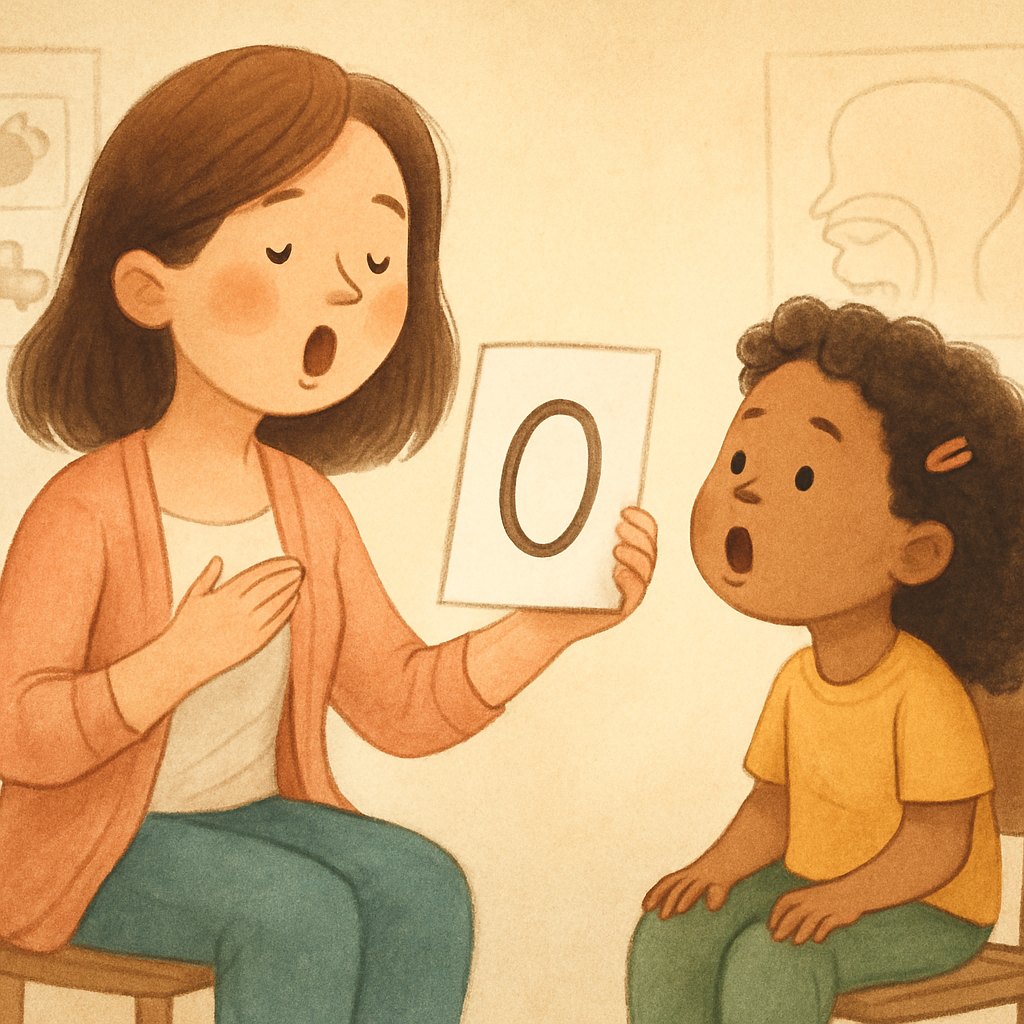
The terms "speech pathologist" and "speech therapist" are often used interchangeably, but they mean the same thing. The formal title is "speech-language pathologist" (SLP), which better reflects their expertise. SLPs do more than provide therapy—they diagnose and treat speech, language, voice, and swallowing disorders.
Referring to them as speech pathologists highlights their specialized training in identifying the root causes of communication challenges. Their work can greatly improve a child’s quality of life by helping them communicate more effectively and reach their full potential.
Common Communication Challenges in Children
Children progress in their speech and language skills at different rates, but some may experience difficulties that can hinder effective communication. These challenges may be as minor as mispronouncing words or as significant as speech or language disorders that interfere with a child's ability to understand others or express themselves clearly.
Early identification of these issues plays a crucial role in ensuring children receive the support they need. Common signs that your child might benefit from speech therapy include difficulty forming words or sounds, stuttering, limited vocabulary for their age, trouble following directions, or challenges with social communication such as taking turns in conversation. In some cases, children may exhibit frustration while trying to communicate or may avoid speaking altogether.
In Liverpool—as in many other cities—speech therapists commonly treat a range of disorders including articulation disorders (problems making certain sounds), fluency disorders (such as stuttering), expressive language disorders (difficulty using words and sentences), receptive language disorders (trouble understanding spoken language), and social communication disorders (challenges with using language appropriately in social situations). Some children may also have voice disorders, which affect the pitch, volume, or quality of their speech.
These speech and language difficulties can impact a child's development beyond just communication. They may affect academic performance, social interactions, self-confidence, and emotional well-being. Children who struggle to communicate effectively may find it harder to make friends or participate fully in classroom activities. Over time, this can lead to feelings of isolation or frustration.
If you notice persistent signs of communication challenges in your child—such as not meeting typical developmental milestones for speech and language—it’s important to seek an evaluation from a qualified speech-language pathologist. Early intervention is key: the sooner therapy begins, the greater the chance of positive outcomes for your child's development and overall quality of life.
Speech therapy typically involves individualized sessions where therapists use engaging activities tailored to each child's unique needs. These might include games that encourage sound production, exercises to improve listening skills, strategies for expanding vocabulary, and interactive scenarios that promote social communication.
Parents play a vital role in supporting their child’s progress by practicing recommended techniques at home and ensuring regular attendance at therapy sessions. With proper support and intervention, many children make significant improvements in their communication skills—and gain greater confidence interacting with others both at home and in school.
Signs Your Child May Benefit from Speech Therapy
As a parent, you know your child best. If you notice something unusual in their communication development, pay attention—early recognition can lead to timely support.
Common signs your child may need a speech therapy assessment include:
-
Limited vocabulary for their age
-
Speech that’s hard to understand
-
Difficulty following directions or understanding questions (receptive language)
-
Trouble forming sentences (expressive language)
-
Stuttering or disrupted speech flow
-
Not meeting typical speech and language milestones
Noticing these signs doesn’t always mean there’s a serious issue, but an evaluation can help. A speech pathologist can assess your child and recommend next steps if needed.
Typical Speech and Language Disorders Treated in Liverpool
Speech therapy treats a range of speech and language disorders. In Liverpool, our therapists tailor care to each child’s needs, from correcting sound errors to addressing complex conditions.
We help with articulation difficulties, fluency issues like stuttering, and motor speech disorders such as childhood apraxia of speech, where muscle movements for speech are challenging. Social communication disorders affecting conversational skills are also a key focus.
Below are common conditions we treat. Therapy uses targeted, evidence-based techniques to build skills and confidence for clearer communication.
|
Disorder Type |
Description |
|---|---|
|
Articulation Disorders |
Trouble pronouncing sounds and making words clear. |
|
Fluency Disorders |
Interruptions in speech flow, such as stuttering. |
|
Language Disorders |
Difficulty understanding or expressing thoughts and ideas. |
|
Childhood Apraxia of Speech |
Problems planning and coordinating speech movements. |
|
Social Communication Disorders |
Challenges with the social use of language, like conversation. |
Impact on Academic and Social Development
Communication difficulties affect more than speech and language—they impact a child’s academic and social development. Delayed language skills can make reading and writing harder, hindering school performance.
Socially, children who struggle to communicate may have trouble making friends, participating in groups, or understanding social cues. They may feel shy, frustrated, or withdrawn.
Therapy can improve your child's communication skills, boosting both classroom success and confidence in social situations. This helps them build relationships and thrive socially.
Early Intervention: Why It Matters
Timing is crucial for your child’s development. If you’re concerned about your child’s speech or language, act now—early intervention offers support as soon as a delay appears, rather than waiting to see if it improves.
Taking action early can greatly improve your child’s language skills, laying a strong foundation for communication and preventing bigger issues later. Let’s look at the benefits of early action, how the NDIS can assist, and the long-term positive outcomes.
Benefits of Addressing Speech and Language Difficulties Early
Starting speech therapy early can significantly benefit a child. Early intervention takes advantage of the brain’s natural ability to learn during critical developmental years, making therapy more effective.
Addressing speech and language issues early helps children develop essential communication skills before challenges become ingrained. This leads to faster progress, better long-term outcomes, greater confidence, and less frustration.
Strong language skills support academic success and healthy social interactions. Early therapy helps children do better in school, form friendships, and communicate confidently—leading to greater happiness overall.
How NDIS Supports Early Childhood Intervention in Liverpool
The National Disability Insurance Scheme (NDIS) helps Liverpool families access essential support for children with developmental delays or disabilities. Through NDIS funding, children can receive early intervention services like speech therapy, tailored to their individual goals—such as improving communication, feeding skills, and daily functioning.
NDIS funding covers:
-
Comprehensive assessments
-
Ongoing speech therapy
-
Assistive technology (e.g., communication devices)
-
Parent and caregiver training
This support makes high-quality therapy more accessible and affordable, helping your child build a strong foundation for the future.
Long-Term Outcomes of Early Speech Pathology Involvement
Engaging with a speech pathologist at the first sign of a concern can lead to significant long-term benefits that extend far into your child's future. Early support doesn't just address immediate speech or language issues; it lays the groundwork for lifelong success and an improved quality of life.
Children who receive early support for their language development are often better prepared for school. They tend to have stronger literacy skills and find it easier to keep up academically. This early boost can prevent learning gaps and build a positive attitude toward school.
Beyond the classroom, strong communication skills are essential for navigating social settings and building relationships. Early speech pathology involvement helps children develop the confidence to participate in daily activities, express their needs, and form meaningful connections with others, carrying these vital skills into adolescence and adulthood.
Evidence-Based Therapy Approaches in Pediatric Speech Pathology
Effective speech therapy services are not about guesswork. They are rooted in evidence-based practices, which means the techniques used have been proven to work through research and clinical expertise. Our therapy sessions are designed around these trusted approaches to ensure your child receives the highest quality of care.
By using methods tailored to your child’s specific needs, we can effectively build their communication skills. In the next sections, we'll discuss the different formats for therapy, some of the popular techniques used by our Liverpool pathologists, and how play and technology are integrated to make learning fun.
Individual vs Group Sessions: What’s Best for Your Child?
When considering speech therapy, you might wonder whether individual or group sessions are the right choice. The answer depends entirely on your child's needs and therapy goals. Both formats offer unique benefits, and sometimes a combination of the two is the most effective approach.
Individual therapy provides one-on-one attention, allowing the therapist to focus entirely on your child’s specific goals. This is ideal for targeting complex challenges or for children who are easily distracted. In contrast, group therapy offers a fantastic opportunity for children to practice their skills in a social setting with peers. It’s particularly beneficial for improving social communication.
Here’s a quick comparison:
-
Individual Therapy: Highly personalized, allows for intensive focus on specific goals.
-
Group Therapy: Great for practicing social skills, learning from peers, and building confidence in a group setting.
-
Best For: The choice is based on the child's needs, with a therapist recommending the best path forward.
Popular Techniques Used by Liverpool Speech Pathologists
Our Liverpool speech pathologists are trained in a wide range of advanced, evidence-based techniques. These specialized methods allow us to provide highly effective therapy services tailored to each child's unique communication challenges. We combine these communication strategies with personalized care to foster meaningful progress.
From articulation disorders to language therapy, we have a toolbox of approaches to draw from. For instance, some children benefit from tactile cueing to learn speech sounds, while others need structured programs to improve fluency. The chosen technique is always based on a thorough assessment of your child’s needs.
Here are a few of the popular techniques we implement:
-
PROMPT: Uses tactile cues on the face to guide muscle movements for speech, helping with motor speech disorders.
-
Lidcombe Program: A parent-led behavioral treatment for young children who stutter, focusing on positive reinforcement.
-
ReST (Rapid Syllable Transition Treatment): A method for treating childhood apraxia of speech by practicing smooth transitions between sounds.
-
Phonological Awareness: Teaches children to recognize and manipulate sounds in language, a critical skill for literacy.
Integrating Play and Technology in Speech Therapy
Making speech therapy enjoyable is key to keeping children motivated. That’s why play-based therapy is a cornerstone of our approach. By using games, toys, and fun activities, we create a natural and engaging environment where children can learn and practice their communication skills without feeling like they're in a traditional lesson.
Technology also plays an exciting role in modern speech therapy. For children with significant communication challenges, we use advanced tools like Augmentative and Alternative Communication (AAC) devices. These can range from simple picture boards to sophisticated eye-gaze technology that allows a child to communicate using their eyes.
By integrating play and technology, we boost child engagement and make learning more effective. These methods help children feel empowered and successful, turning therapy into a positive experience that encourages effective communication and builds confidence.
Conclusion
In conclusion, effective speech therapy plays a crucial role in supporting children's communication skills and overall development. By recognizing common challenges and seeking early intervention, parents can significantly impact their child's academic and social experiences. The range of evidence-based approaches available ensures that therapy is tailored to meet individual needs, whether through one-on-one sessions or interactive group settings. Remember, the journey to improved communication can be both engaging and rewarding for your child.
If you're interested in exploring these services further, don't hesitate to reach out for a consultation or call daar at 02 9133 2500 to discuss how we can support your child's speech and language development.
Frequently Asked Questions
Can speech pathology help with both language delays and speech problems?
Yes, absolutely. A speech pathologist is trained to assess and treat a wide range of communication disorders. This includes both speech problems, like difficulty with articulation or fluency, and language delays, which affect understanding and expression. They provide targeted language therapy to address each child’s specific needs.
How long does pediatric speech therapy usually take to see progress?
The timeline for progress in speech therapy varies for every child. It depends on factors like the type of communication challenge, the frequency of therapy sessions, and family involvement. Consistent effort is key, and your therapist will monitor your child's progress and adjust the plan to ensure they are building their communication skills effectively.
Are speech pathology services available for adults in Liverpool?
Yes, many clinics that serve children also offer speech pathology services for adults. These services support people of all ages, including older adults who may have communication or swallowing difficulties due to strokes, brain injuries, or other neurological conditions. It's always best to inquire with a specific clinic about their services for adults.
.svg)




.svg)