
.png?width=48&height=48&name=Group%201%20(3).png)























22 January, 2026

Speech Therapy for Children: Boosting Language Development
Introduction
Effective communication is the foundation for building relationships, learning, and expressing ourselves. For some children, this doesn't always come easily. If you're wondering how to help your child navigate communication challenges, speech therapy can be an incredibly powerful tool. This guide explores how specialized support can make a significant difference in your child's language development, giving them the confidence and skills they need to connect with the world around them and reach their full potential. To find a qualified speech pathologist in your area, consider asking your pediatrician or your child's school for recommendations, searching professional directories from organizations such as the American Speech-Language-Hearing Association (ASHA), or checking local clinics and hospitals that specialize in speech therapy.
Key Highlights
-
Private speech therapy services offer personalized, one-on-one sessions to address your child's specific needs.
-
A speech pathologist is a trained expert who diagnoses and treats a wide range of speech and language disorders.
-
Early intervention is crucial for improving a child's language development and long-term communication skills.
-
Therapy helps children with challenges like articulation, fluency, voice issues, and social communication.
-
Parents play a vital role by reinforcing therapy goals at home to help their child succeed.
Overview of Speech Pathology for Children
Have you ever wondered what a speech pathologist does for children? These professionals are experts in diagnosing and treating a variety of communication disorders. They don't just focus on correcting speech sounds; they take a holistic approach to care, creating personalized treatment plans to improve overall language skills.
These therapy services are designed to help a child unlock their communication potential. By using targeted interventions, a speech pathologist can address the root causes of difficulties. Let's look closer at what speech pathology involves and who can benefit from these essential services. During a speech pathology assessment for your child, you can expect the speech pathologist to observe your child's communication skills through structured play, conversation, and specific tasks. The assessment often includes reviewing medical and developmental history, as well as using standardized tests to identify areas of need in speech, language, and social communication.
What is Speech Pathology and How Does it Support Language Development?
Speech pathology helps individuals with communication difficulties. A speech pathologist evaluates, diagnoses, and treats speech, language, voice, and fluency disorders to improve your child’s communication. Therapy involves a personalized plan based on your child’s needs, with targeted goals and engaging activities to build communication skills and support language development. To become a speech pathologist in Australia, you must first complete a recognized university degree in speech pathology—typically a bachelor's or master’s program—followed by membership with Speech Pathology Australia, the national professional association. These qualifications ensure that speech pathologists have the necessary training to help individuals with a wide range of communication and fluency disorders.
Therapy involves a personalized plan based on your child’s needs, with targeted goals and engaging activities to build communication skills and support language development.
Working with a specialist helps your child overcome challenges, gain confidence, and improve social integration and well-being—unlocking their full communication potential.
Who Can Benefit from Pediatric Speech Therapy?
Speech therapy addresses a wide range of communication disorders for all ages. Pediatric speech therapists are essential partners for children facing developmental delays or medical conditions.
In a supportive setting, therapists create personalized plans to target your child’s needs. Children who benefit often have:
-
Delays in understanding or using language
-
Speech sound errors or phonological disorders
-
Social skills challenges or stuttering
-
Diagnoses like Autism Spectrum Disorder, hearing loss, or cleft palate
No matter the difficulty level, speech therapists provide tools and guidance to help your child communicate more clearly and confidently.
Recognizing the Importance of Early Intervention
Early intervention is crucial for success with speech and language disorders. Addressing delays or communication issues promptly can greatly improve a child’s development and long-term outcomes. Timely support helps resolve challenges before they become entrenched, enhancing language and social skills vital for academics and friendships. In Australia, speech pathology services are often covered by private health insurance or Medicare depending on eligibility and the specific plan. Many families can access rebates or subsidies for early intervention through programs like the Medicare Benefits Schedule (MBS) or their health insurance provider.
Timely support helps resolve challenges before they become entrenched, enhancing language and social skills vital for academics and friendships.
Acting early gives your child the best chance to reach their full communication potential. A speech pathologist can offer targeted support, building independence, confidence, and a strong foundation for lifelong communication.
Common Communication Challenges in Children
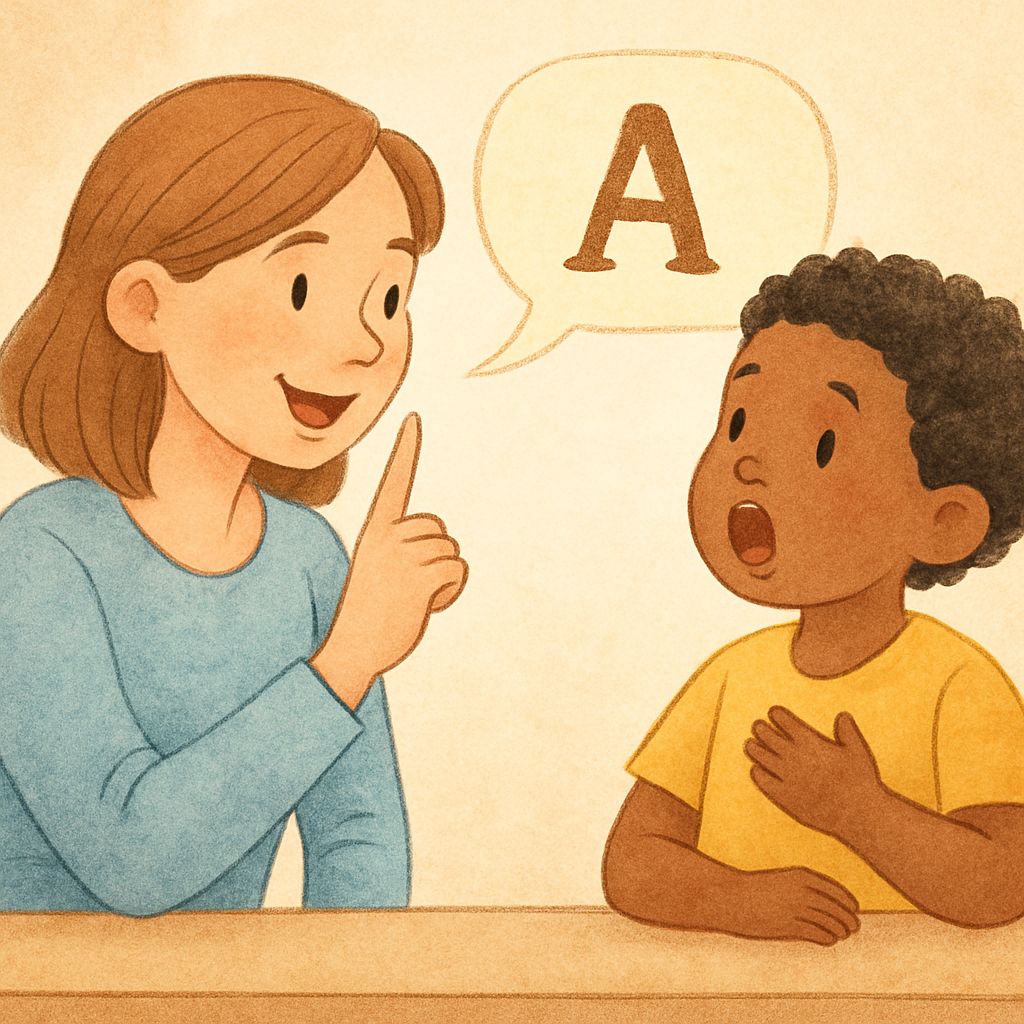
Children can experience a wide range of communication challenges that impact their daily lives. These can include speech disorders, which affect how they produce sounds, or language disorders, which relate to understanding and using words. Other common issues include fluency disorders like stuttering and difficulties with social communication.
Understanding these different types of communication difficulties is the first step toward getting your child the right help. Let's explore some of the most common disorders and the key signs that may indicate your child could benefit from seeing a specialist.
Types of Speech and Language Disorders in Childhood
Several types of speech and language disorders can affect a child's ability to communicate. Speech disorders refer to problems with the actual production of sounds, while language disorders involve difficulty understanding or putting words together to communicate ideas.
Some common disorders include childhood apraxia of speech, where the brain has trouble coordinating the muscle movements needed for speech, and phonological disorders, which involve patterns of sound errors. Voice disorders can also occur, affecting the pitch, volume, or quality of a child's voice. A speech pathologist is trained to diagnose and treat all of these issues.
Here is a brief overview of common disorders:
|
Disorder Type |
Description |
|---|---|
|
Articulation Disorders |
Difficulty pronouncing sounds or words correctly. |
|
Fluency Disorders (Stuttering) |
Disruptions in the natural flow of speech, such as repetitions or blocks. |
|
Voice Disorders |
Problems with pitch, volume, or quality, resulting in hoarseness. |
|
Auditory Processing Disorders |
Challenges in understanding or interpreting spoken language. |
Key Signs Your Child May Need Speech Pathology Services
It can sometimes be hard to know if your child's communication problems are part of normal development or a sign of something more. Recognizing language delays or other issues early on allows you to seek help from a speech pathologist sooner.
Paying attention to how your child communicates can offer important clues. Are they struggling to be understood by others? Do they seem frustrated when trying to express themselves? Difficulties with expressive language or social communication disorders can be signs that support is needed.
Here are a few key signs to watch for:
-
Difficulty pronouncing certain sounds or words past a certain age.
-
Struggles with the natural flow of speech, such as stuttering.
-
Problems with voice quality, like consistent hoarseness.
-
Challenges understanding what others are saying or following directions.
Impact of Untreated Language Delays on Learning and Socialization
Untreated language delays can impact a child’s life well beyond speech. Communication difficulties hinder learning, as classroom activities rely on language skills. Children who struggle may fall behind academically.
Socially, poor communication makes it hard to make friends or participate in group activities, leading to isolation and low self-esteem.
Addressing these issues supports your child’s academic success, emotional health, and relationships. Improving communication helps them thrive in all areas of life.
Supporting Your Child’s Progress at Home
The progress your child makes in therapy services doesn't stop when the session ends. As a parent, you play a pivotal role in their journey. Creating a supportive environment at home where your child can practice their new language skills is essential for reinforcing what they learn with their therapist.
Your involvement can significantly boost their confidence and help them reach their full communication potential. There are many simple and fun ways to integrate practice into your daily routine, enhancing your social communication and overall progress. Let's look at some practical ways you can help.
Practical Activities and Games for Reinforcing Speech Therapy
Turning practice into playtime is a great way to reinforce what your child learns in their therapy services. Making it fun helps keep your child engaged and motivated to work on their communication skills. Your speech therapist can provide exercises and strategies tailored to your child’s goals.
You can incorporate these activities into your everyday life. The key is to be consistent and patient. Celebrating small victories along the way helps build your child's confidence and shows them that their hard work is paying off.
Here are a few ideas to get you started:
-
Read books together and ask questions about the story and pictures.
-
Play games that target specific sounds, like "I Spy" or rhyming games.
-
Use puppets or dolls to practice conversations and social skills.
-
Narrate your daily activities, like cooking or cleaning, to model language.
How Parents and Caregivers Can Foster Everyday Language Growth
Beyond specific games, you can foster language growth by creating a communication-rich home. This involves making conversation a natural and enjoyable part of your day. By building a supportive environment, you encourage your child to use their skills and reach their communication potential.
One of the best things you can do is simply talk with your child. Narrate what you are doing, ask open-ended questions, and listen actively to their responses. This models good social communication and shows them that what they have to say is important.
Remember to be patient and give your child plenty of time to formulate their thoughts and respond. Your encouragement and positive reinforcement will empower them to practice and improve their skills in a safe and loving space.
Conclusion
In conclusion, investing in speech therapy for children is a vital step towards fostering their language development and overall communication skills. By recognizing the importance of early intervention and understanding the common challenges they face, you can better support your child’s growth. Engaging in practical activities at home can further reinforce the progress made during therapy sessions. It's essential to monitor your child's communication milestones and seek help if needed, as timely support can significantly impact their learning and social interactions.
If you're ready to take action and want to explore how speech therapy can benefit your child, don't hesitate to reach out for a consultation or contact daar at 02 9133 2500 for more information or assistance.
Frequently Asked Questions
How Early Should a Child Start Seeing a Speech Pathologist?
You should consult a speech pathologist as soon as you notice signs of developmental delays or communication problems. Early intervention is critical for treating language disorders and can significantly improve a child's long-term communication skills, so it's best not to wait if you have concerns.
Is Pediatric Speech Therapy Only for Severe Cases?
No, speech therapy services are not just for severe communication disorders. A speech therapist can help with a wide range of issues, from mild articulation problems to more complex language disorders. These therapy services can boost language development and confidence for any child who needs support.
Can Speech Pathology Services Help Adults as Well as Children?
Yes, speech pathology services benefit individuals of all ages. While this guide focuses on children, adults also seek therapy for speech disorders, voice problems, or communication difficulties resulting from medical conditions. In a supportive environment, adults can work to improve their communication skills and confidence.
.svg)




.svg)