
.png?width=48&height=48&name=Group%201%20(3).png)























4 March, 2026

Understanding Behavioural Therapy for Kids: A Guide
Key Highlights
- Behavioural therapy for kids offers effective behavioural support to address challenging behaviours.
- It uses techniques like positive reinforcement to teach new social skills and improve quality of life.
- Therapy is beneficial for children with Autism Spectrum Disorder, ADHD, and other developmental challenges.
- Individualized support plans are created to ensure positive outcomes for each child.
- Family involvement is crucial for reinforcing new skills and creating a supportive home environment.
- The NDIS can provide funding for behaviour support services to help children thrive.
Introduction
As a parent, you want to see your child grow, learn, and shine. Sometimes, behavioral challenges can make that journey difficult. Have you ever wondered how you can best support your child through these hurdles? Behavioural therapy offers practical, evidence-based strategies to foster positive change. This guide will help you understand what behavioural therapy is, who it helps, and how it can make a meaningful difference in your child's development and overall quality of life.
What Is Behavioural Therapy for Kids?
Behavioural therapy for kids is a focused approach designed to improve their mental health and well-being, especially for those facing various mental health conditions. It provides behavioral support by identifying the root causes of challenging behaviors and teaching new, positive ways to respond. The goal is to enhance a child's quality of life by improving their emotional regulation and social skills.
This therapy helps children, including those with disabilities, learn and practice positive behaviour in a supportive setting. By focusing on strengths and sharing real stories of success, it empowers them to navigate daily life with more confidence. Let's look closer at what this therapy entails.
Defining Behavioural Therapy
Behavioral therapy is a structured approach focused on understanding and changing behaviors. Based on the idea that behaviors are learned, it uses hands-on techniques to teach practical skills—not just talk.
A core element is positive reinforcement: rewarding desirable actions to encourage their repetition, which boosts confidence and motivation. Therapists work with you to create a personalized plan outlining specific goals and strategies—a roadmap for progress.
The goal is a better quality of life. For people with disabilities, positive behavior support focuses on daily living skills to create a safe environment to learn new skills, communicate needs effectively, reduce challenging behaviors, and increase independence.
Common Behavioral Challenges in Children
Children can display a wide range of challenging behaviours for many different reasons. These behaviors often interfere with their ability to learn, form friendships, and participate in everyday lives and daily activities. Understanding these common challenges is the first step toward finding the right support.
Some of these difficulties are related to emotional regulation, while others stem from struggles with social behaviours or communication skills. Identifying these specific issues helps in creating an effective support plan. Common challenges include:
- Frequent tantrums or emotional outbursts
- Difficulty with social interactions and making friends
- Struggles with following instructions or daily routines
- Aggressive behaviors toward others or self
- Challenges with adapting to new situations
For parents of children with ADHD, using positive behaviour support means establishing clear, consistent routines and using reinforcement for desired actions. This structured approach helps manage impulsivity and improve focus.
Core Principles of Behavioural Therapy
Behavioral therapy uses ideas that help people improve how they act. One big idea is positive rewards. This means giving something nice for good actions so the person repeats them. It helps people feel happy and not hurt.
Another important part is called a behavior check or FBA. This lets helpers see why someone acts in certain ways. They look for what starts the action and what the person wants from it. Helpers use this knowledge to choose better steps.
Children can display a wide range of challenging behaviours for many different reasons. These behaviors often interfere with their ability to learn, form friendships, and participate in everyday lives and daily activities. Understanding these common challenges is the first step toward finding the right support.
For the therapy to help, kids need a strong group around them. The group includes family, helpers, and teachers at school. All these people talk and work as one so plans are always followed. The child feels safe and learns more as they grow up with the latest updates and strategies for their development.
Who Benefits From Behavioural Therapy?
Many children can benefit from the structured approach of behavioural therapy, especially those dealing with issues related to substance abuse. It is especially helpful for those who exhibit challenging behaviours that impact their daily functioning and learning. By implementing a custom support plan, therapy helps bring about positive change and improves the child's overall quality of life.
This therapy is not just for the child; it also equips the entire support network, including family and teachers, with the tools to help. Positive behaviour support improves a person's quality of life by reducing stress, increasing independence, and fostering healthier relationships influenced by environmental factors. The following sections will detail who can find success with this approach.
Children With Autism Spectrum Disorder
Behavioral therapy greatly benefits children with autism spectrum disorder (ASD), helping them manage social interactions, communication, and daily routines. A personalized, positive behavior support plan can significantly impact their development.
This therapy creates a supportive environment where children with ASD learn new skills at their own pace. Techniques are tailored to each child's strengths and needs, reducing anxiety and challenging behaviors. Both socialized behavior therapy and positive behavior support use structured methods to teach social skills in safe settings, building confidence for real-life interactions.
With consistent support, children with autism can improve their quality of life—expressing needs more effectively, engaging more fully with others, and gaining greater independence.
Supporting Kids With ADHD and Other Disabilities
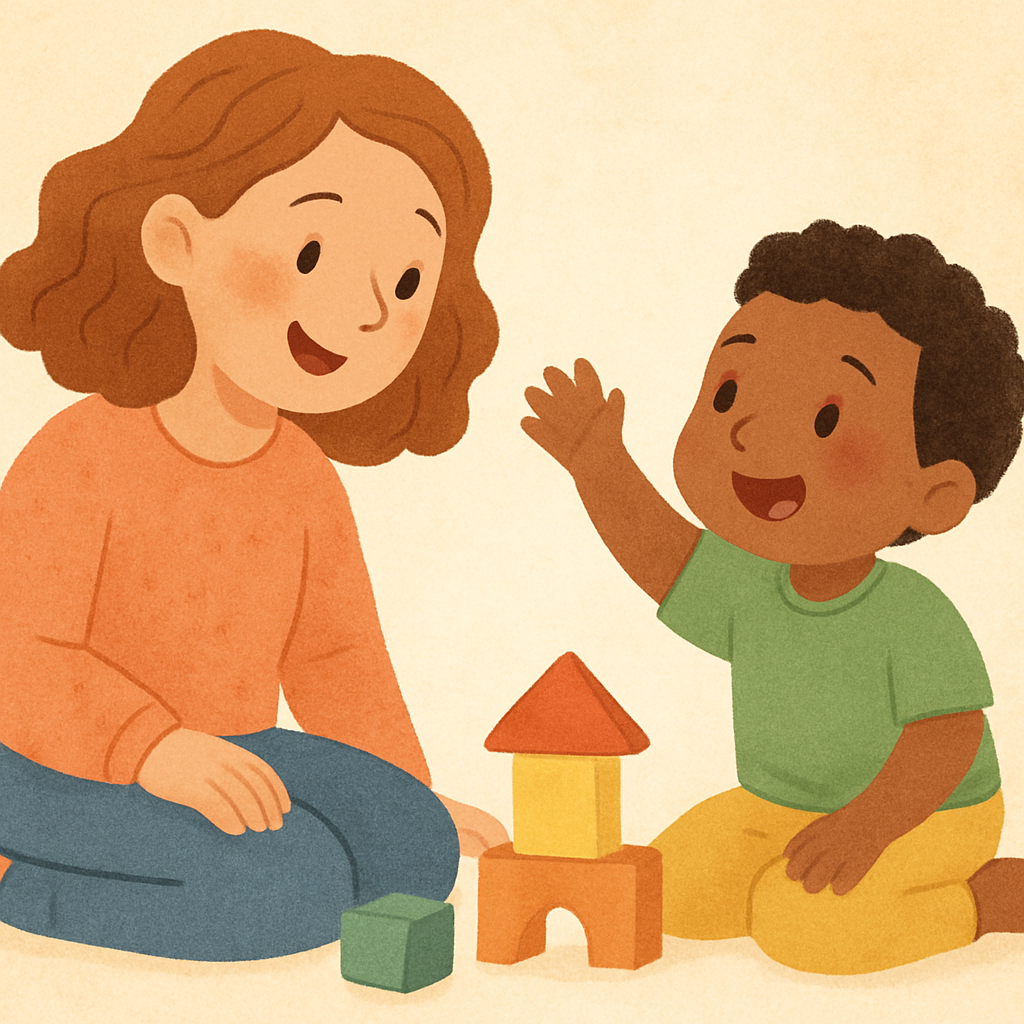
Behavioral therapy provides effective tools for supporting children with ADHD and other disabilities. It offers strategies to improve focus, manage impulsivity, and build emotional regulation. Tailored support plans address each child’s needs.
At home, parents can set clear rules, break tasks into smaller steps, and use rewards to encourage positive behavior—such as a chart for tracking homework or chores with small rewards. This structure helps children with ADHD feel more in control and successful.
Collaboration among parents, teachers, and therapists ensures consistent support across settings. Focusing on reinforcing positive actions motivates children to learn and grow.
The Role of Families and Caregivers
Families and caregivers are the cornerstones of a child's success in behavioural therapy. Your involvement ensures that the skills learned during sessions are practiced and reinforced at home. A collaborative approach between therapists and family members is crucial for creating a consistent support plan.
Therapy programs often aim to upskill caregivers by providing them with practical resources and important information on training. This empowers you to confidently manage challenging behaviors and support your child's development. By being an active part of the therapy team, you can make a huge difference. You can support your child by:
- Learning and using the same reinforcement strategies as the therapist.
- Helping to identify triggers for challenging behaviors at home.
- Celebrating small victories to keep your child motivated.
- Maintaining open communication with the therapy team.
For those in Australia seeking resources, organizations like Autism Spectrum Australia (Aspect) and NDIS providers often offer workshops and practical guides. Consulting with your NDIS provider or a behaviour support practitioner can also lead you to valuable training opportunities.
Key Techniques Used in Behavioural Therapy for Kids
Behavioural therapy for kids uses a variety of hands-on techniques to encourage positive change. These methods are designed to be practical solutions that can be integrated into a child's daily life. Central to this are reinforcement strategies, especially positive reinforcement, which rewards desired behaviors.
A therapist will select positive behaviour support strategies, including daar’s workshops, that are best suited to your child’s needs and incorporate them into a comprehensive support plan. These powerful techniques help children learn new skills and build confidence. Let's explore some of the most common methods used.
Reinforcement and Reward Strategies
Reinforcement and reward strategies are central to behavioral therapy. These techniques boost good behaviour by providing positive consequences immediately after it occurs. Positive reinforcement motivates children to learn which actions are desirable, including good behaviour.
Rather than focusing on mistakes, these strategies highlight what children do right, building self-esteem and making learning more enjoyable. Rewards can be simple and meaningful, such as:
- Verbal praise (“Great job sharing your toy!”)
- Stickers or points on a reward chart
- Extra playtime or choosing a favorite activity
- A high-five or hug
Consistent use of these techniques teaches practical skills and shows children their efforts are valued, creating a more positive and cooperative home environment.
Modeling, Role-Playing, and Social Skills Training
Teaching new skills through observation and practice is highly effective in various social situations. Modeling involves a therapist or parent demonstrating desired social behaviors, giving the child a clear example. Role-playing lets the child practice these skills in a safe setting.
This training helps children rehearse everything from starting conversations to handling disagreements, building confidence before real-life use.
It aligns with socialized behavior therapy and positive behavior support, all focusing on proactively teaching and reinforcing positive behaviors. The goal is to give children practical tools for healthier relationships and successful interactions.
Developing Individualized Positive Behaviour Support Plans
Creating an individualized positive behaviour support plan is essential for enhancing a child's daily life. By focusing on specific challenging behaviours, caregivers can develop tailored strategies that incorporate positive reinforcement and practical skills training. This collaborative approach, which may involve family members and professionals like speech therapists or occupational therapy professionals, fosters emotional regulation and improves social skills. The goal is to create a supportive environment that enables children to build healthier relationships and experience positive outcomes across various settings.
Behavioural Therapy in the NDIS Framework
For families in Australia, the National Disability Insurance Scheme (NDIS) can be a vital resource for accessing behavioural therapy services, including crucial speech therapy options. If your child is an NDIS participant, their plan may include funding for supports that improve their social, emotional, and communication skills, directly enhancing their quality of life.
The NDIS emphasizes positive behaviour support, which focuses on teaching new skills and reducing the need for restrictive practices. This aligns intending to empower individuals with disabilities to live more independent living and fulfilling lives. Understanding how to navigate this framework is key to getting the right support.
Why Behaviour Support Is Important for NDIS Participants
Behavior support is essential for NDIS participants, as it addresses challenges that can hinder community participation, learning, and independence. Early intervention support goes beyond managing difficult behaviors by identifying root causes and teaching effective ways to communicate needs.
Positive behavior support is central to the NDIS framework, promoting quality of life through proactive, person-centered strategies. This approach reduces stress for individuals and their families, creating a supportive environment where participants can thrive.
Early intervention prevents more severe mental health issues later. By building coping and communication skills from a young age, behavior support helps ensure long-term success and well-being for NDIS participants.
The Role of a Positive Behaviour Support Practitioner
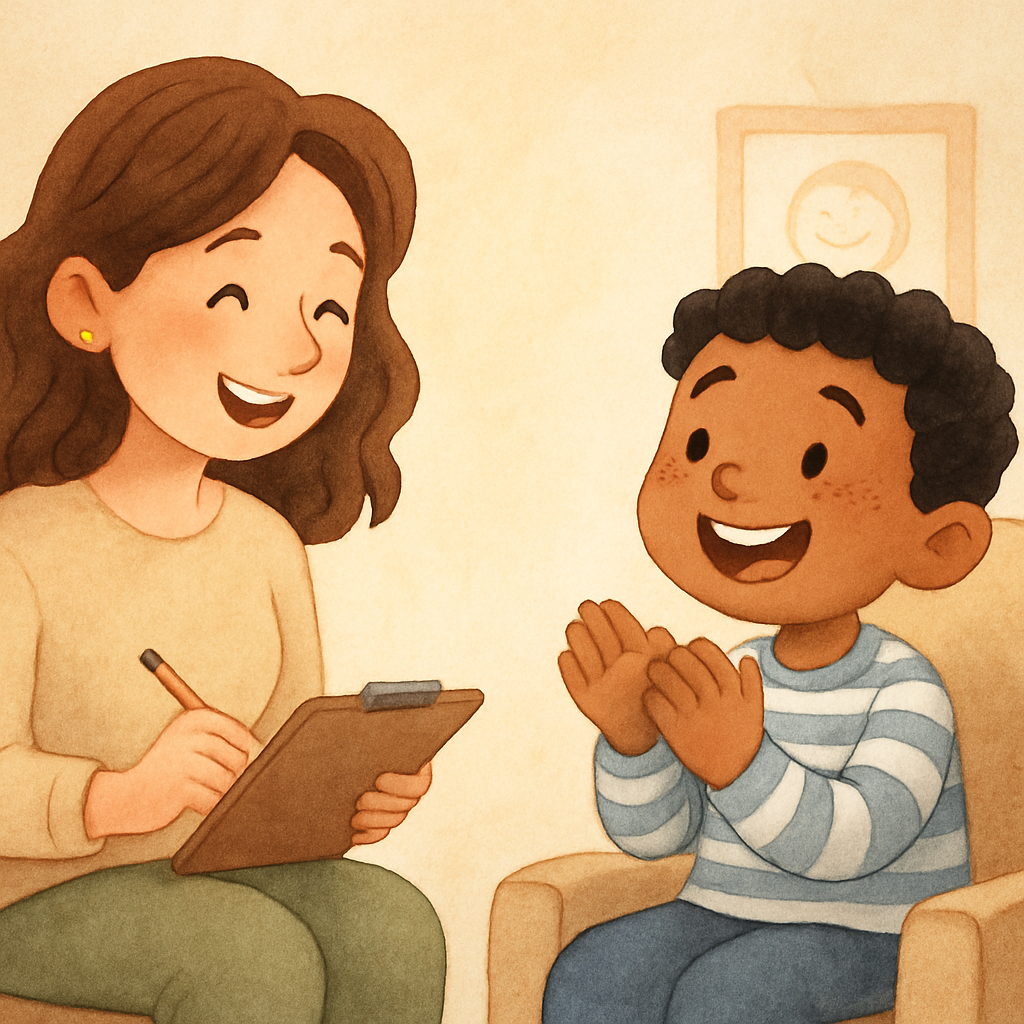
A positive behaviour support practitioner is a qualified professional who specializes in creating and overseeing behaviour support plans. Their primary role is to work with individuals, families, and their entire support network to understand the reasons behind challenging behaviors and develop practical solutions.
These practitioners conduct assessments to identify triggers and functions of behavior. Based on their findings, they design person-centered strategies that focus on teaching new skills and improving quality of life. They don't just hand over a plan; they train and support families and caregivers to implement it effectively. A practitioner’s duties include:
- Conducting a functional behavioral assessment.
- Developing an individualized positive behaviour support plan.
- Training family members, school staff, and other caregivers on the plan's strategies.
Many organizations also offer student placement programs, helping to train the next generation of practitioners and ensure the field continues to grow with skilled professionals.
Accessing NDIS-Approved Behaviour Support Services in Australia
If your child has an NDIS plan, you can access NDIS-approved behaviour support services through a registered NDIS provider. Finding the right provider is a key step in your journey. You can use the NDIS Provider Finder tool on the official NDIS website to search for specialists in your area.
When looking for therapy services, it's helpful to seek out providers that offer a range of supports, such as specialized daar’s programs for children with autism. For example, Autism Spectrum Australia (Aspect) and similar organizations offer practical resources and expertise. Some providers, like those that run workshops and training, can also upskill your family. To access these services:
- Speak to your NDIS support coordinator or Local Area Coordinator (LAC).
- Research registered NDIS providers in your area that specialize in behaviour support.
- Ask potential providers about their experience and approach to ensure they are a good fit for your child.
Remember to check if a provider's services align with the goals in your child's NDIS plan.
Conclusion
In conclusion, understanding and implementing behavioral therapy can significantly enhance the well-being of children facing various challenges. This therapeutic approach not only provides effective strategies to address behavioral issues but also fosters personal growth and development in a supportive environment. Whether it’s through reinforcement techniques or individualized support plans, the goal is to encourage positive behaviors while emphasizing the role of families and caregivers in this journey.
If you’re interested in exploring how behavioral therapy can benefit your child, don’t hesitate to reach out for a consultation or call daar at 02 9133 2500.
Frequently Asked Questions
How can parents use positive behaviour support with challenging behaviors at home?
Parents can use positive behaviour support by creating a clear support plan with consistent routines and rewards for good behavior. By working with family members to implement environmental modifications and these practical solutions, you can effectively manage challenging behaviours and create a calmer, more predictable home environment for everyone.
What outcomes can families expect from behavioral therapy under the NDIS?
Under the NDIS, families can expect positive outcomes like reduced challenging behaviors and an improved quality of life for the NDIS participant through autism daar therapy. Therapy helps build practical skills in communication and emotional regulation, while also strengthening the family's support network by providing them with effective strategies and resources.
What are the key principles of behavioral therapy for children?
Key principles of behavioral therapy for children include reinforcement, which encourages positive behavior; consistency in responses to behaviors; and the use of clear communication. These principles help create structured environments that support learning and behavioral change effectively.
.svg)




.svg)