
.png?width=48&height=48&name=Group%201%20(3).png)
























6 February, 2026

iPhone Dependency Therapy (Children): Managing Meltdowns and Restoring Balance
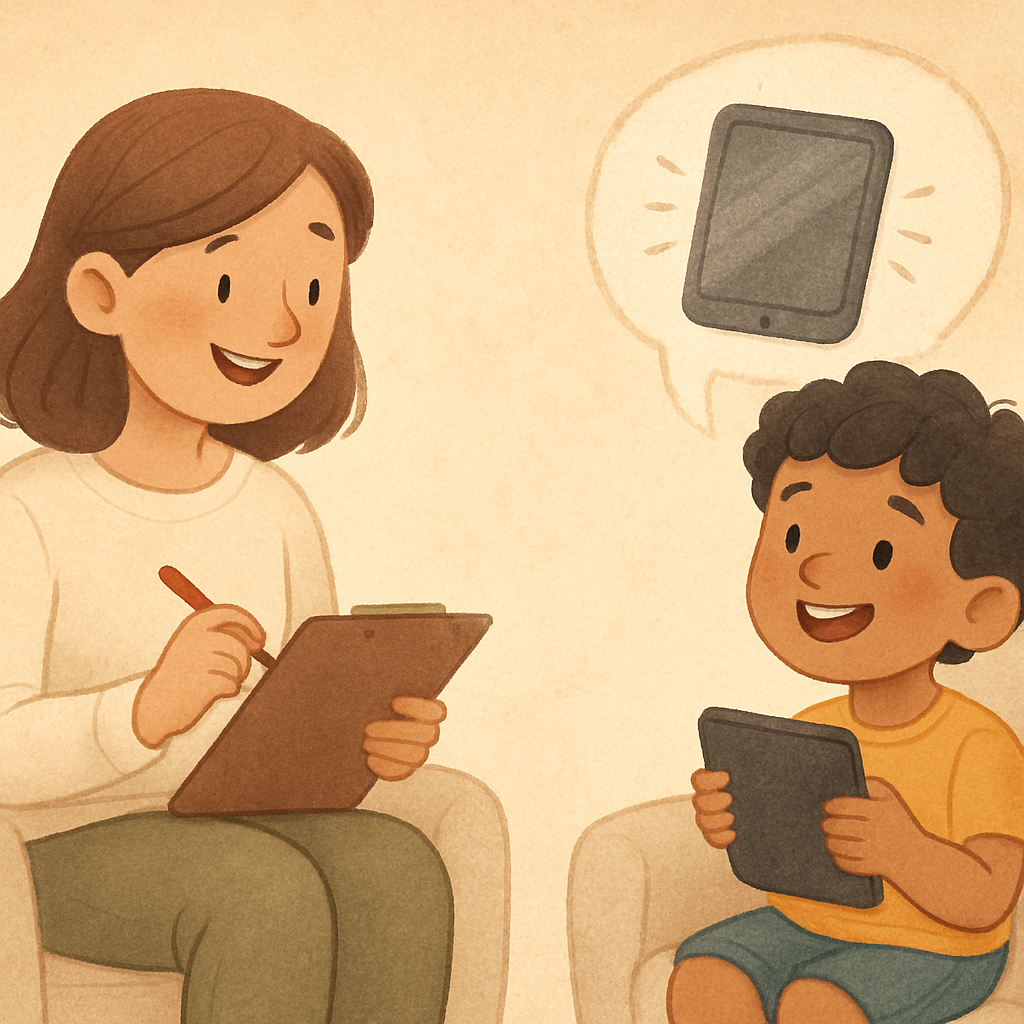
Introduction
It’s a familiar scene in many households: the "five more minutes" plea turns into a full-blown meltdown when the smartphone is finally locked. If you are noticing your child becoming increasingly aggressive or distressed when their device is removed, you are likely dealing with more than just a bad mood. You are navigating the complex waters of screen dependency.
Smartphones, particularly iPhones with their intuitive interfaces and endless app ecosystems, are designed to be engaging. However, for developing brains, this engagement can quickly turn into a fixation. When the device is removed, the sudden drop in stimulation can lead to emotional dysregulation, leaving parents feeling helpless.
This article explores the root causes of these reactions and outlines actionable solutions. We will discuss excessive iPhone use intervention, the role of behaviour therapy, and practical strategies to help your child build healthier digital habits.
Causes of Device Withdrawal Tantrums
To effectively manage the behavior, we must understand the biology behind the reaction. Why does taking away a phone trigger such an intense response?
The Dopamine Loop
Apps and games are engineered to provide variable rewards—likes, notifications, and game achievements—that trigger dopamine releases in the brain. When the phone is taken away, dopamine levels crash. This physiological withdrawal can feel physically uncomfortable for a child, manifesting as anger or tears.
The "Flow State" Interruption
Children often enter a state of "flow" when deeply engaged in a game or video. Interrupting this state abruptly can be jarring. It’s not just about stopping an activity; it’s about being ripped out of a virtual world where they feel competent and in control.
Lack of Coping Skills
If a child uses their iPhone to self-soothe every time they are bored or upset, they miss out on developing internal emotional regulation skills. Without the device, they may feel overwhelmed by their own emotions.
Psychological and Behavioral Impact of Excessive Screen Use
Unchecked screen time does more than just cause arguments; it can reshape behavior. Problematic iPhone use therapy often addresses several key areas of concern:
- Reduced Frustration Tolerance: Accustomed to instant gratification (swiping to the next video), children may struggle with real-world tasks that require patience.
- Social Isolation: Preferring digital interaction over face-to-face play can hinder the development of non-verbal communication skills.
- Sleep Disturbances: The blue light emitted by screens can suppress melatonin, leading to poor sleep, which in turn fuels irritability and behavioral issues the next day.
How Behaviour Therapy Helps Manage Screen-Related Anger
When standard discipline fails, behaviour therapy offers a structured, evidence-based approach. Unlike simple punishment, this therapy focuses on understanding the "why" behind the behavior and teaching new patterns.
Functional Analysis
A behavioral therapist works to identify the specific triggers for the tantrums. Is the child angry because they are bored? Are they avoiding homework? Understanding the function of the behavior is the first step toward changing it.
Skill Building
Therapy isn't just about restriction; it's about education. Therapists teach children emotional regulation techniques—such as deep breathing or counting—to use when they feel the surge of anger that comes with powering down.
Excessive iPhone Use Intervention Techniques
If you are looking for an excessive iPhone, use intervention; professionals often use specific techniques to break the cycle of dependency.
Gradual Exposure and Weaning
Going "cold turkey" can sometimes backfire, leading to intense withdrawal behaviors. A structured intervention might involve gradually reducing screen time by small increments (e.g., 10 minutes less per day) to allow the brain to adapt to lower levels of stimulation.
Cognitive Reframing
For older children, therapy involves discussing their relationship with the phone. Helping them recognize that "I feel anxious without my phone, but I can survive without it" is a crucial step in iPhone dependency therapy (children).
Screen Use Behavior Modification Strategies
You don't always need a therapist to start making changes. Parents can implement problematic iPhone use therapy principles at home through behavior modification.
The "First-Then" Principle
This classic behavioral strategy is simple but effective: "First you do the necessary task (homework/chores), Then you get the preferred activity (iPhone time)." This frames screen time as a reward to be earned, not a right.
Visual Schedules
Anxiety often stems from the unknown. Use a visual schedule or a countdown timer that the child can see. Knowing exactly when screen time ends help prepare their brain for the transition, reducing the shock of the "time's up" announcement.
Screen Time Control Therapy Methods for Parents
Managing a child's device use often requires parents to adjust their own approach. Screen time control therapy emphasizes consistency and modeling.
Establish Tech-Free Zones
Create physical boundaries within the home. For example, no phones are allowed at the dinner table or in the bedroom. This removes the temptation and creates natural breaks in usage.
Model Healthy Behavior
Children mimic what they see. If you are scrolling through emails during family movie night, it undermines the rules you are trying to enforce. Modeling balanced usage is a powerful form of intervention.
Practical, Real-Life Tips for Reducing Tantrums Without Punishment
Punishment can escalate conflict. Instead, try these positive reinforcement strategies to smooth the transition away from screens:
- The "Save and Quit" Protocol: Give a 5-minute warning specifically to "save the game" or "finish the video." This respects their activity and reduces the frustration of lost progress.
- Bridge Activities: Have a high-interest, non-screen activity ready immediately after screen time ends. "Phone down, let's go make a smoothie!" helps bridge the gap between the digital and physical world.
- Positive Praise: When your child hands over the phone without a fuss, praise them enthusiastically. "I love how you turned that off the first time I asked!" Reinforcing good behavior is often more effective than punishing bad behavior.
Conclusion
Navigating the digital landscape is one of the toughest challenges for modern parents. If you are facing daily battles over screens, know that iPhone dependency therapy and structured interventions can make a profound difference.
By understanding the psychological pull of the device and implementing effective strategies to curb excessive iPhone use, you can help your child develop a balanced relationship with technology. It is not about banning phones forever; it is about teaching your child to be the master of their device, rather than the other way around.
Frequently Asked Questions
How do I know if my child needs professional iPhone dependency therapy (children)?
If your child’s reaction to losing their phone involves aggression, destruction of property, or if their screen use is interfering with basic needs like sleep, eating, or schoolwork, it may be time to seek professional guidance.
What is the first step in excessive iPhone use at home?
The first step is usually a "digital audit." Track exactly how much time is being spent and on what apps. Then, sit down with your child to create a "media agreement" that sets clear, consistent boundaries.
How long does it take to see results from screen use behavior modification?
Consistency is key. You may see an "extinction burst" (where behavior gets worse before it gets better) in the first week. However, with consistent application of rules, most families see significant improvement within 2-4 weeks.
.svg)




.svg)