
.png?width=48&height=48&name=Group%201%20(3).png)























3 February, 2026

Understanding Kids Tantrums: Tips for Parents
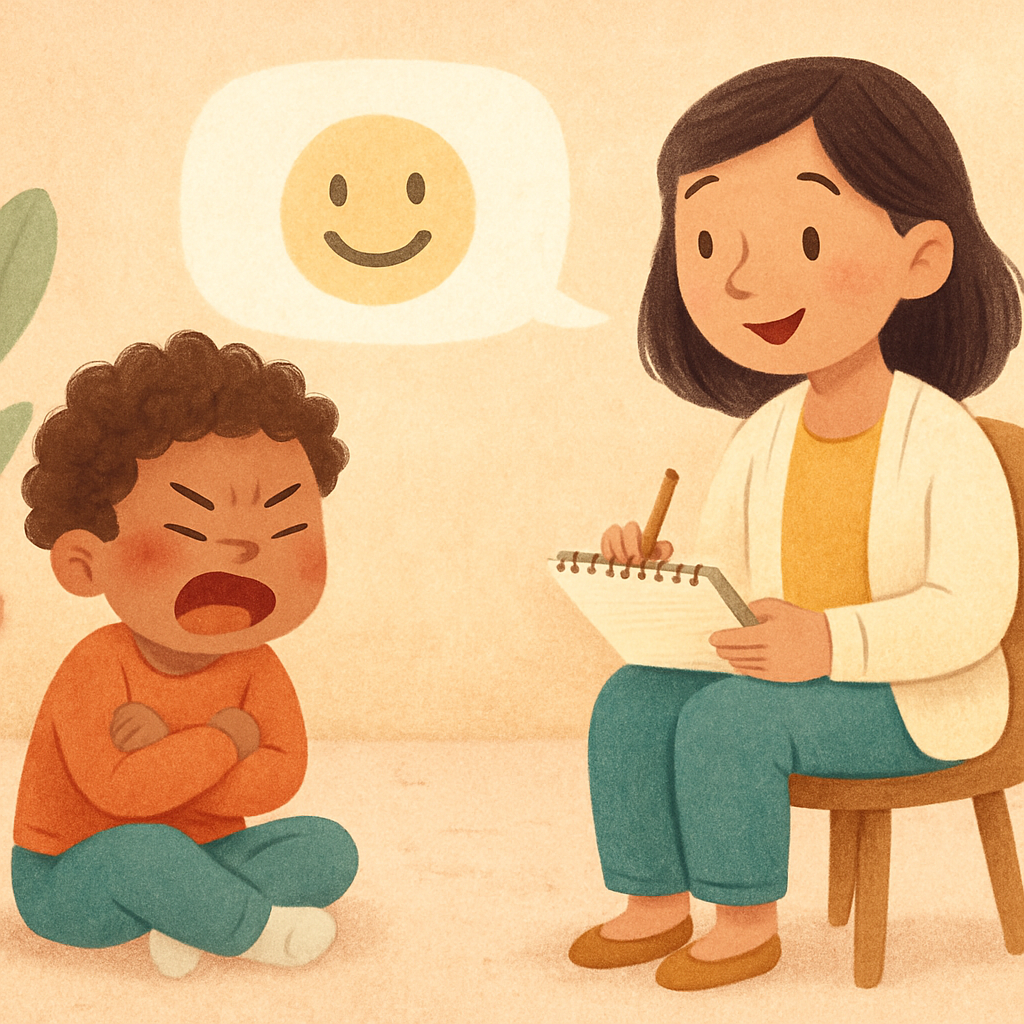
Introduction
If you're a parent of young children, you're likely familiar with temper tantrums. That sudden, overwhelming emotional outburst can be confusing and frustrating. You might wonder if you're doing something wrong or if this behaviour is normal. The good news is that tantrums are a completely normal part of child development. They are not a reflection of your parenting but an important way for your child to express feelings they can't yet put into words. This guide will help you understand why they happen and how to respond.
Key Highlights
- Temper tantrums are a normal part of development for young children and not a sign of bad behaviour. You might notice warning signs that a tantrum is about to happen, such as whining, fussiness, refusal to cooperate, or becoming easily frustrated—these can signal your child is struggling to manage big feelings. Toddler tantrums are often caused by an underdeveloped brain, making it hard for them to manage big feelings.
- Toddler tantrums are often caused by an underdeveloped brain, making it hard for them to manage big feelings.
- Physiological needs like hunger and fatigue are common triggers for emotional outbursts.
- Creating consistent routines helps prevent challenging behaviour by giving your child a sense of control.
- Responding to a tantrum with calm support helps your child learn to regulate their emotions.
- Understanding your child’s feelings during these episodes is key to managing them effectively.
What Are Tantrums in Children?
Temper tantrums are brief episodes of extreme and unpleasant behaviours that young children display when they are overwhelmed by strong emotions like frustration or anger. These emotional outbursts can involve crying, screaming, and sometimes physical actions. They happen because a child’s brain is still developing, and they haven't yet learned how to manage their big feelings.
Understanding these episodes is the first step toward helping your child through them. It's important to see tantrums not as defiance, but as a cry for help. Below, we’ll explore the specific characteristics of tantrums and how they differ from simple anger or misbehaviour.
Definitions and Characteristics of Tantrums
A tantrum is a brief, intense outburst where a child's reaction seems excessive for the situation—crying, screaming, flailing, or throwing things. Most toddler tantrums last 30 seconds to a minute and resolve quickly.
Tantrums are most common between ages 2 and 3 but can start as early as 12 months. About 91% of children aged 30–36 months have tantrums; this drops to 59% by age 4 and becomes rare after age 5.
Remember, tantrums are a temporary developmental phase. As children learn better communication and coping skills, these outbursts fade. They’re not a lasting personality trait.
Differences Between Tantrums, Anger, and Misbehaviour
It can be difficult to distinguish between tantrums, anger, and misbehaviour, but they are different. Anger is a specific emotion, while a tantrum is an uncontrolled outburst when a child is overwhelmed, losing impulse control. Misbehaviour is usually intentional—a child might act out to test boundaries or seek attention.
Recognizing the difference helps you respond better. Tantrums need calm support and reassurance; misbehaviour calls for clear boundaries. Knowing whether your child is overwhelmed or testing limits is key to effective parenting.
Why Do Kids Have Tantrums?
Young children have tantrums for a simple reason: their brains are still under construction. They experience big feelings and strong emotions but lack the mature coping skills to manage them. This is a normal part of child development, driven by a conflict between their desire for independence and their reliance on you.
Frustration is a primary trigger. This can stem from not being able to communicate their needs, being told "no," or dealing with physiological factors like hunger or tiredness. In the following sections, we will look closer at the specific developmental stages and common situations that can lead to these outbursts.
Emotional Triggers and Developmental Stages
A major reason for emotional outbursts in young children is that their brains aren’t fully developed. The logical part, which manages emotions and impulse control, doesn’t mature until ages 5 to 7. Before then, the emotional brain dominates, making toddlers impulsive and easily overwhelmed.
As kids grow, each developmental stage brings new behaviours and challenges. Understanding these stages helps explain tantrums. For example, a two-year-old testing limits is a normal step toward independence.
The table below highlights common behaviours by age and how they relate to tantrums:
|
Child's Age |
Behaviours |
|---|---|
|
1-2 years |
Frustrated when demands aren’t met; possessive; outbursts from limited communication. |
|
2-3 years |
Frequently says "no"; tests limits; may use physical aggression; struggles with turn-taking. |
|
3-4 years |
Wants independence; upset by routine changes; often tests boundaries. |
|
5-7 years |
Better impulse control and understanding of cause and effect; can manage emotions more but still has mood swings. |
Common Situations That Lead to Tantrums
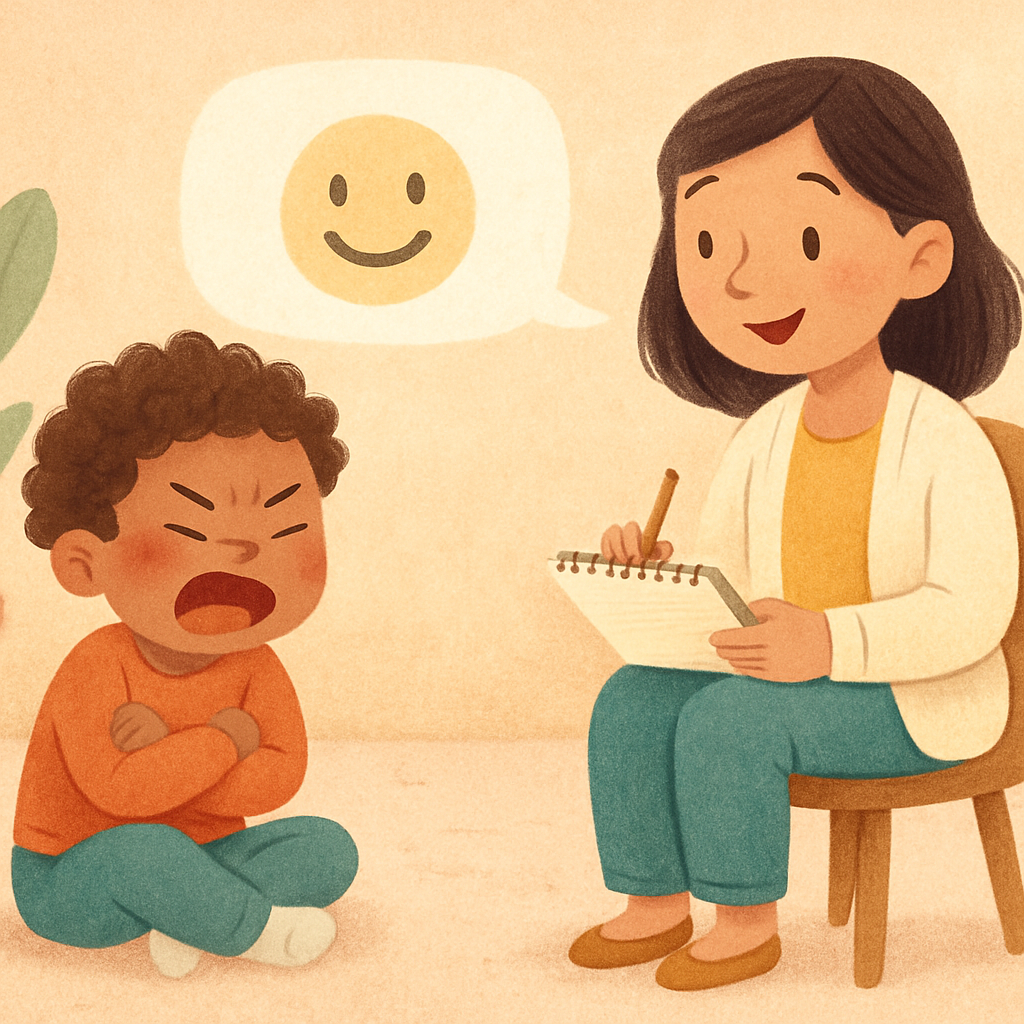
Certain situations are well-known tantrum triggers. One of the biggest culprits is a disruption to the daily routine. Children thrive on predictability, as it helps them feel secure and gives them a sense of control. Sudden changes can feel chaotic and overwhelming, leading to an emotional meltdown.
Physiological needs are another major factor. Just like adults, kids get grumpy when they are tired or hungry. A lack of sleep can lead to poor impulse control, while low blood sugar from hunger can make it harder to manage emotions. Paying attention to these basic needs can prevent many tantrums before they start. Sometimes, overstimulation from a busy day or a noisy environment can also push a child over the edge.
Common triggers to watch for include:
- Hunger: A child going from happy to hysterical right before a meal is a classic sign of being "hangry." Providing healthy snacks between meals can help.
- Fatigue: An overtired child is much more likely to have a tantrum. A consistent nap and bedtime schedule is essential. If you notice signs of a sleep disorder, consult your pediatrician.
- Overstimulation: A busy, loud environment can be too much for a child's developing senses, causing them to need a release.
Strategies for Preventing Tantrums
Prevention is one of the best tools for managing tantrums. By understanding and addressing common triggers, you can reduce the frequency of outbursts. Creating consistent routines is a powerful way to promote positive behaviour because it gives your child a sense of control and predictability in their world.
Parent management training often focuses on these proactive strategies. By establishing a stable environment and teaching your child how to manage their feelings, you empower them to handle challenges without melting down. Let's explore how to build these preventative habits into your daily routine.
Creating Consistent Routines to Minimize Misbehaviour
Children thrive on predictability. Consistent routines help them feel secure and in control, making sudden changes less overwhelming. Structure is a normal part of child development.
Routines for meals, naps, and bedtime make a big difference. Activities at regular times teach children the rhythm of their day and boost confidence. You don’t need a strict schedule—just a steady flow is enough.
Key routines to focus on:
- Morning: Waking up, getting dressed, and breakfast in the same order sets a calm tone.
- Bedtime: A bath and story signal it's time to sleep.
- Transitions: Give advance notice before switching activities ("We’re leaving in five minutes") to reduce meltdowns.
Teaching Emotional Self-Regulation Skills
A key way to prevent tantrums is by teaching your child emotional self-regulation—helping them understand and manage their feelings and behaviour. Young children have limited impulse control, so they need guidance. Model positive behaviour and talk openly about emotions.
Once your child is calm after an outburst, discuss what happened without punishing them. Help them link feelings to actions and suggest better ways to handle emotions next time. Praise efforts when they use words or manage frustration well.
Tips for teaching self-regulation:
- Feeling Faces: Use charts with facial expressions to help your child name their emotions.
- Model Coping Skills: Express your own feelings and coping strategies aloud: “I’m frustrated, so I’ll take a deep breath.”
- Provide Choices: Give simple options (“Red shirt or blue shirt?”) to offer control and reduce power struggles.
Responding Effectively to a Child’s Tantrum
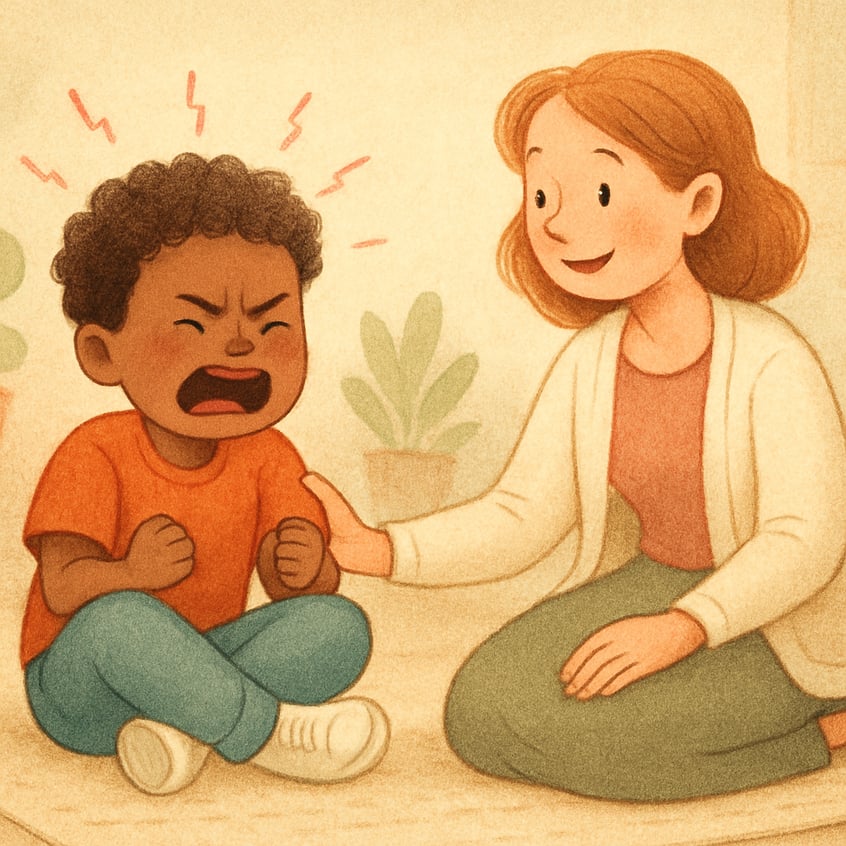
When your child has a tantrum, your response is crucial. Stay calm and steady—use the moment to teach them how to handle big emotions rather than punish the outburst. Your calmness models healthy coping skills and reassures your child that they are safe.
Parent management training encourages composure and positive communication. For severe tantrums, consult a child psychologist for extra support. The strategies below will help you remain supportive during tantrums and communicate effectively afterward.
Staying Calm and Supportive During Episodes
During a tantrum, your main job is to stay calm. Your child’s brain is overwhelmed, and they can't self-soothe. By staying composed and using a steady voice—saying simple, firm phrases like "No hitting"—you provide the calm they need.
Create a safe space for the tantrum. In public, move your child to a quieter spot and wait it out. Stay supportive, but don’t give in; giving in teaches that tantrums work.
Remember, this isn’t just bad behaviour—it’s an overwhelmed child. By being present and supportive, you show them you’re a safe person for all their feelings and help them learn emotional control over time.
Healthy Communication Techniques With an Angry Child
After the tantrum, when your child is calm, it's a good time to teach better communication. Acknowledge their feelings without validating the behaviour: "You were angry because your brother took your toy." This helps them label their emotions.
Focus on validating feelings and offering healthier ways to express them. Show that all emotions are acceptable, but outbursts aren't the best way to communicate. This builds emotional intelligence.
Try these techniques:
- Name the feeling: Label their emotion—"It looks like you were sad," or "I can see you were frustrated."
- Listen actively: Let them share their story without interrupting to show you care.
- Offer alternatives: Suggest better ways to respond next time—"If you're angry, use words or stomp your feet."
Conclusion
Understanding kids' tantrums is essential for parents navigating the challenges of childhood emotions. By recognizing the triggers and characteristics of tantrums, you can approach these moments with calmness and empathy. Implementing strategies to prevent tantrums, such as establishing consistent routines and teaching emotional self-regulation, can make a significant difference. Moreover, responding effectively to your child's outbursts fosters healthier communication and supports their emotional development. Remember, every child is unique, and with patience and understanding, you can guide them through their emotional journey.
For more personalized strategies or support, feel free to reach out for a consultation or call daar at 02 9133 2500!
Frequently Asked Questions
When Should Parents Seek Professional Help for Tantrums?
You should consider seeking professional help from a child psychologist if tantrums are very frequent, last longer than 25 minutes, or involve extreme behaviours like intentional self-injury or throwing dangerous objects. Frequent tantrums in children over 5 or that disrupt the family’s life could also indicate an underlying issue like oppositional defiant disorder.
How Can Parents Help Their Child Learn Self-Control After a Tantrum?
After temper tantrums, once your child is calm, talk about what happened. Help them name their feelings and discuss better ways to show them next time. Since the logical part of the brain is still developing, practicing these conversations helps build pathways for impulse control and reinforces positive behaviour.
Are Frequent Tantrums a Sign of a Behavioural Disorder?
While most frequent temper tantrums are normal, they can sometimes be a sign of an underlying issue. This challenging behaviour could be linked to conditions like attention deficit hyperactivity disorder (ADHD), oppositional defiant disorder, or even a sleep disorder. If the tantrums are unusually severe or persistent, it's wise to consult a pediatrician.
.svg)




.svg)