
.png?width=48&height=48&name=Group%201%20(3).png)
























29 December, 2025

The Role of Applied Behaviour Therapy in Child Development
Introduction
Have you ever wondered how applied behaviour therapy can support childhood development? This therapy, often called ABA therapy, is a scientific method rooted in the principles of learning and behaviour. For decades, it has been a cornerstone of support for children, particularly those on the autism spectrum. Using principles of behaviour analysis, ABA helps children acquire new skills and reduce behaviours that interfere with learning. This guide will explore how this powerful therapy works and its role in helping children thrive.
Key Highlights
-
Applied behaviour therapy is a science-based approach used to help children, especially those with developmental disorders, learn helpful behaviours.
-
A core strategy is positive reinforcement, where a child is rewarded for using new skills, making them more likely to repeat the behaviour.
-
ABA therapy is highly individualized, with a behaviour analyst creating a unique plan to improve areas like social skills and communication.
-
It is particularly effective for children on the autism spectrum, helping to increase independence and decrease harmful behaviours.
-
Modern ABA therapy is flexible and focuses on teaching useful skills in real-world settings, from home to school.
Understanding Applied Behaviour Therapy in Child Development
Applied behaviour therapy is a structured yet flexible treatment designed to address developmental disorders by understanding and improving behaviour. A qualified behaviour analyst works to create a program that meets the unique needs of each child, focusing on increasing helpful actions and minimizing those that are harmful or affect learning.
For children with autism, ABA therapy is used to teach essential skills in areas like communication, social interaction, and daily living. By breaking down complex goals into manageable steps, this therapy helps children make meaningful progress. Let's look closer at the core principles and importance of this approach.
Definition of Applied Behaviour Therapy
Applied Behaviour Analysis (ABA) is a therapy based on the science of learning and behaviour. It helps us understand how behaviour works, how the environment influences it, and how learning happens. Rather than a one-size-fits-all approach, ABA offers a comprehensive framework for understanding and changing behaviour.
ABA applies scientific principles to real-life situations, aiming to increase helpful behaviours and reduce those that are harmful or interfere with learning. This includes improving communication skills and reducing self-injury.
With decades of research and practice, ABA has proven effective for many learners. Since the 1960s, therapists have used ABA to help children with autism and developmental disorders, making it a well-established, evidence-based approach.
Core Principles Underpinning Behaviour Therapy
ABA therapy is based on behaviourism, with operant conditioning as a core principle. This involves changing behaviour through consequences, most often using positive reinforcement. When a behaviour is followed by a reward, like praise or a favorite toy, the person is more likely to repeat it, helping build positive habits.
While positive reinforcement is key, ABA may also use other consequences. Sometimes, no reaction follows incorrect behaviours to discourage them. The approach is never punitive—it's about showing which actions lead to positive results. Negative reinforcement (removing something unpleasant) is used rarely and cautiously.
The Importance of Behaviour Therapy in Early Childhood
Early behaviour therapy can significantly improve a child's development. Early intervention, especially intensive programs like EIBI, gives young children essential skills and helps them reach milestones faster.
Starting therapy in early childhood leads to better outcomes. Studies show that 25–40 hours of therapy per week over one to three years can boost intellectual, language, and social skills. The earlier the start, the greater the opportunity for growth.
Each ABA program is tailored to a child’s needs, focusing on practical everyday skills. Early behaviour therapy promotes independence and sets children up for success in school and beyond.
Key Techniques Used in Applied Behaviour Therapy
ABA therapy uses flexible behaviour modification techniques. While early ABA relied on structured methods like discrete trial training (DTT), modern approaches often incorporate natural, play-based strategies.
A trained behaviour analyst tailors techniques to each individual’s needs. These methods extend beyond therapy sessions and are applied in various settings, such as home and school, to encourage skill generalization. Here are some of the most common ABA techniques.
Positive Reinforcement Strategies
Positive reinforcement is a key part of ABA programs. When a behaviour is rewarded, it's more likely to be repeated. Therapists set goals—like saying "hello"—and reward the child each time they succeed, using things like praise, favorite toys, or fun activities. This consistent encouragement helps new skills become lasting habits and makes learning enjoyable, leading to real and lasting behaviour change.
Antecedent-Behaviour-Consequence (ABC) Model
Understanding why a behaviour occurs is central to behaviour analysis. The Antecedent-Behaviour-Consequence (ABC) model helps therapists analyze and teach behaviours by breaking them into three steps:
-
Antecedent: What happens right before the behaviour, such as a request or sound.
-
Behaviour: The person's response.
-
Consequence: What happens immediately after, like reinforcement or a neutral reaction.
By examining these steps, therapists identify what triggers and maintains behaviours. For example, if a child yells "no" (behaviour) when told to clean up (antecedent) and the teacher removes the toys (consequence), adjusting either step can help teach more appropriate responses.
Task Analysis and Chaining Methods
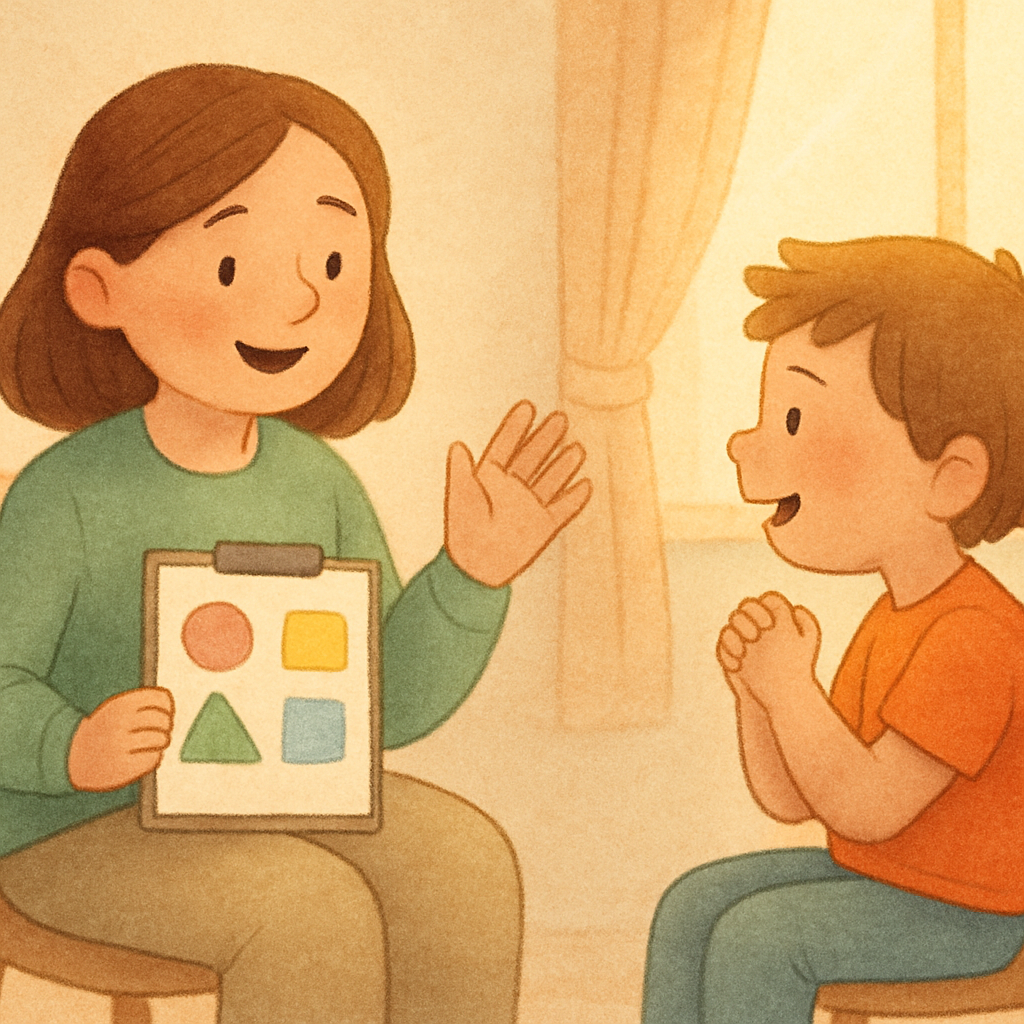
Skills like washing hands or making a sandwich involve many small steps. In ABA therapy, task analysis breaks down these complex tasks into manageable parts for easier learning.
Behaviour technicians then use chaining to teach each step in sequence until the child can do the whole task independently. Chaining can start with the first step (forward chaining) or the last (backward chaining).
This structured method effectively teaches daily living skills and routines, helping children gain confidence and independence by mastering one step at a time.
Shaping and Prompting in Skill Development
When learning new skills, children often need time to get things right. ABA therapists use shaping by rewarding closer attempts to a target behaviour—such as first reinforcing "buh," then "bub," and finally "bubble."
Prompting is another key technique. Prompts are cues, like verbal hints ("What do you say?"), gestures (pointing), or gentle physical guidance. These help the child perform the correct behaviour.
As the child improves, prompts are gradually removed until they complete the skill independently. By combining shaping and prompting, therapists help children learn effectively and with less frustration.
Positive Behaviour Support in Applied Settings
Positive Behaviour Support (PBS) is an approach that aligns closely with the principles of applied behaviour therapy. It focuses on creating supportive environments that encourage positive behaviours and improve quality of life. The goal of PBS is to achieve positive outcomes by understanding why challenging behaviours occur and teaching new, more effective skills.
This proactive approach is used in various community settings, including schools and homes, to create long-lasting change. It’s not just about managing behaviour but about creating a better life for the individual. Let's explore what PBS is and how it integrates with ABA to help children.
What Is Positive Behaviour Support?
Positive Behaviour Support (PBS) is a research-based approach for addressing challenging behaviours by understanding their purpose. Rather than just stopping unwanted actions, PBS identifies why they occur and teaches appropriate replacement skills to meet the same needs.
Similar to ABA therapy, PBS uses positive reinforcement and focuses on proactive strategies, such as changing environments and routines to prevent behaviours before they start. This fosters a more supportive setting.
PBS professionals are typically trained in behaviour analysis, with many certified by the Behaviour Analyst Certification Board (BACB). Their goal is to improve quality of life by teaching skills that promote independence and social inclusion.
Integrating Positive Behaviour Support with ABA
Integrating Positive Behaviour Support (PBS) with ABA therapy creates a powerful and holistic intervention. While ABA provides the scientific framework for understanding and changing behaviour, PBS applies these principles on a broader scale, focusing on improving quality of life and preventing behavioural challenges before they start.
This integrated approach is highly effective in commu nity settings like schools, where the goal is to create a positive environment for all learners. The strategies are designed to be practical and sustainable for teachers and caregivers to implement. Key aspects of this integration include:
-
Focusing on proactive strategies to prevent challenging behaviours.
-
Teaching functional replacement skills that serve the same purpose as the problem behaviour.
By combining the precision of ABA therapy with the broad, preventative focus of PBS, practitioners can address behavioural challenges more effectively. This ensures that the intervention not only reduces problem behaviours but also enhances the child's overall well-being and inclusion in their community.
Promoting Positive Outcomes in Children
The main goal of ABA and PBS is to empower children to live more independent, fulfilling lives—not just manage behaviour. These therapies teach practical skills for daily use.
Significant gains often occur in communication, enabling children to express needs more clearly. Social skills are also a focus, helping children build relationships and handle social situations with confidence. Progress in these areas reduces frustration and improves interactions with others.
ABA also develops essential daily living skills, like dressing and hygiene, as well as academic abilities. By breaking tasks into steps and using positive reinforcement, children learn skills that boost independence at home and school.
Broader Uses of Behaviour Therapy in Child Development
While often associated with autism, the principles of behaviour therapy have much broader applications in child development. This powerful approach can be used to support children with a wide range of developmental disabilities and mental health challenges. Its effectiveness lies in its systematic and individualized nature.
Using a variety of techniques, behaviour therapy can help improve intellectual functioning, teach new skills, and address behaviours that interfere with learning and social integration. It is a flexible therapy that can be adapted for people of all ages, from early childhood through adulthood. Let's look at how it can be applied beyond autism.
Addressing Behavioural Challenges Beyond Autism
Behaviour analysis principles effectively address various challenging behaviours in children, not just those with autism. Behaviour therapists use these techniques to help with emotional regulation, attention deficits, and oppositional behaviours by first understanding the function of each behaviour.
ABA-based strategies support children's mental health by teaching coping skills and better ways to express feelings. For example, instead of having a tantrum, a child can learn to ask for a break or express their needs verbally.
This data-driven, goal-oriented approach involves collecting information to identify patterns and then creating plans to teach and reinforce positive behaviours. The result is lasting change and better self-management skills for children.
Supporting Children with Other Developmental Delays
ABA therapy benefits children with developmental delays in speech, motor skills, or cognition. Through individualized assessment, therapists create tailored programs that break skills into manageable steps. This structured approach boosts confidence and motivation by providing frequent successes. ABA’s adaptability allows it to address specific challenges and focus on functional skills, helping children reach milestones and engage more fully in daily life.
Enhancing Social Skills and Independence
ABA therapy focuses on improving social skills and promoting independence. It teaches children how to make eye contact, take turns in conversation, and understand social cues—skills practiced in both structured and natural settings for real-life use.
Better social skills help children build friendships and feel connected to peers, supporting emotional well-being. Practicing these abilities boosts their confidence in social interactions.
ABA also teaches daily living skills like personal hygiene and simple meal preparation. Mastering these tasks increases autonomy and reduces dependence on caregivers, empowering children to lead more independent lives.
Considerations for Parents Choosing Therapy Providers
Choosing the right therapy provider is a critical step in your child's journey. It's important to find a qualified behaviour analyst who can design and oversee effective ABA programs. Look for professionals certified by the Behaviour Analyst Certification Board (BACB), as this indicates they have met rigorous standards for education and training.
A good provider will work with you to establish clear treatment goals that are tailored to your child's unique needs and your family's preferences. Finding the right fit is about more than just credentials; it's about building a trusting relationship. Here are some things to consider when making your choice.
Questions to Ask Before Starting Behaviour Therapy
When looking for an ABA provider, come prepared with questions to ensure their approach fits your child’s needs and your family’s values. A reputable provider will welcome your questions and offer clear answers.
Before choosing a program, ask about their staff, methods, and logistics. This conversation helps you assess their professionalism and partnership.
Key questions to ask:
-
What are the qualifications and training of your BCBAs and therapists?
-
How are treatment goals set, and how is parent input included?
-
How is my child’s progress measured and shared with me?
-
What does a typical therapy session involve?
-
How much supervision do therapists receive from senior staff?
Evaluating the Quality of Positive Behaviour Support
When evaluating a provider that offers Positive Behaviour Support (PBS) integrated with ABA therapy, you are looking for a focus on your child's overall quality of life. High-quality programs go beyond just reducing problem behaviours; they actively teach new skills and create supportive environments.
A key indicator of quality is certification from the Behaviour Analyst Certification Board (BACB), which ensures practitioners have the necessary training. You should also see an emphasis on collaboration, with therapists working closely with you and your child's school. Trust your instincts—a good program will feel supportive and respectful of your child as an individual.
Use a checklist to help you evaluate potential providers and ensure they meet your standards for high-quality care.
|
Area of Evaluation |
What to Look For |
|---|---|
|
Staff Qualifications |
Are analysts certified by the BACB? What ongoing training is provided? |
|
Individualization |
Is the plan customized to your child's specific skills, needs, and interests? |
|
Family Involvement |
How are parents trained and included in setting goals and therapy? |
|
Data and Progress |
How is progress tracked, and how often is it reviewed with you? |
|
Focus of Therapy |
Is the emphasis on building skills and improving quality of life, not just compliance? |
Effectiveness, Limitations, and Controversies
ABA therapy is considered an evidence-based treatment for autism spectrum disorder, supported by decades of research. Many studies show significant improvements in language, social skills, and daily functioning. However, like any therapy, it has limitations and is not without its critics.
It's important for parents to have a balanced view. While ABA can be incredibly effective, some raise concerns about its intensity and methods. Understanding these different perspectives can help you make an informed decision for your child's mental health and well-being. Let’s discuss the effectiveness, criticisms, and areas for growth.
How Long Does it Take to See Results?
One of the most common questions parents have about ABA therapy is about the time frame for seeing results. There is no single answer, as progress depends on many factors, including the child's age, ability level, and the intensity of the therapy. However, with consistent intervention, you can typically expect to see progress.
Early intervention often yields faster and more significant results. Some studies on intensive ABA programs, which involve 25-40 hours of therapy per week for one to three years, have shown substantial gains in a child's skills. However, even less intensive programs can lead to positive outcomes.
Progress is a gradual process. The therapy focuses on teaching new skills step-by-step, and data is collected in every session to monitor development. Your behaviour analyst will regularly review this data with you to track progress toward goals and make adjustments to the plan as needed.
Common Criticisms and Responses
ABA therapy has faced some criticisms over the years. Some critics argue that early forms of ABA were too rigid and demanding, focusing on making children with autism "indistinguishable from their peers." Concerns have been raised that the therapy can be stressful for children and may discourage natural behaviours like stimming, which can be a form of self-regulation.
However, defenders of modern ABA therapy note that the field has evolved significantly. Today's behaviour analyst is trained to use play-based, naturalistic approaches that are fun and engaging. The focus is not on changing a child's personality but on building skills that increase their independence and joy.
The goal is to empower children by teaching them functional ways to communicate and navigate the world, not to force them to conform. Good ABA therapy respects a child's neurodiversity and works to address challenging behaviours while building on their individual strengths and interests.
Limitations and Areas for Future Growth
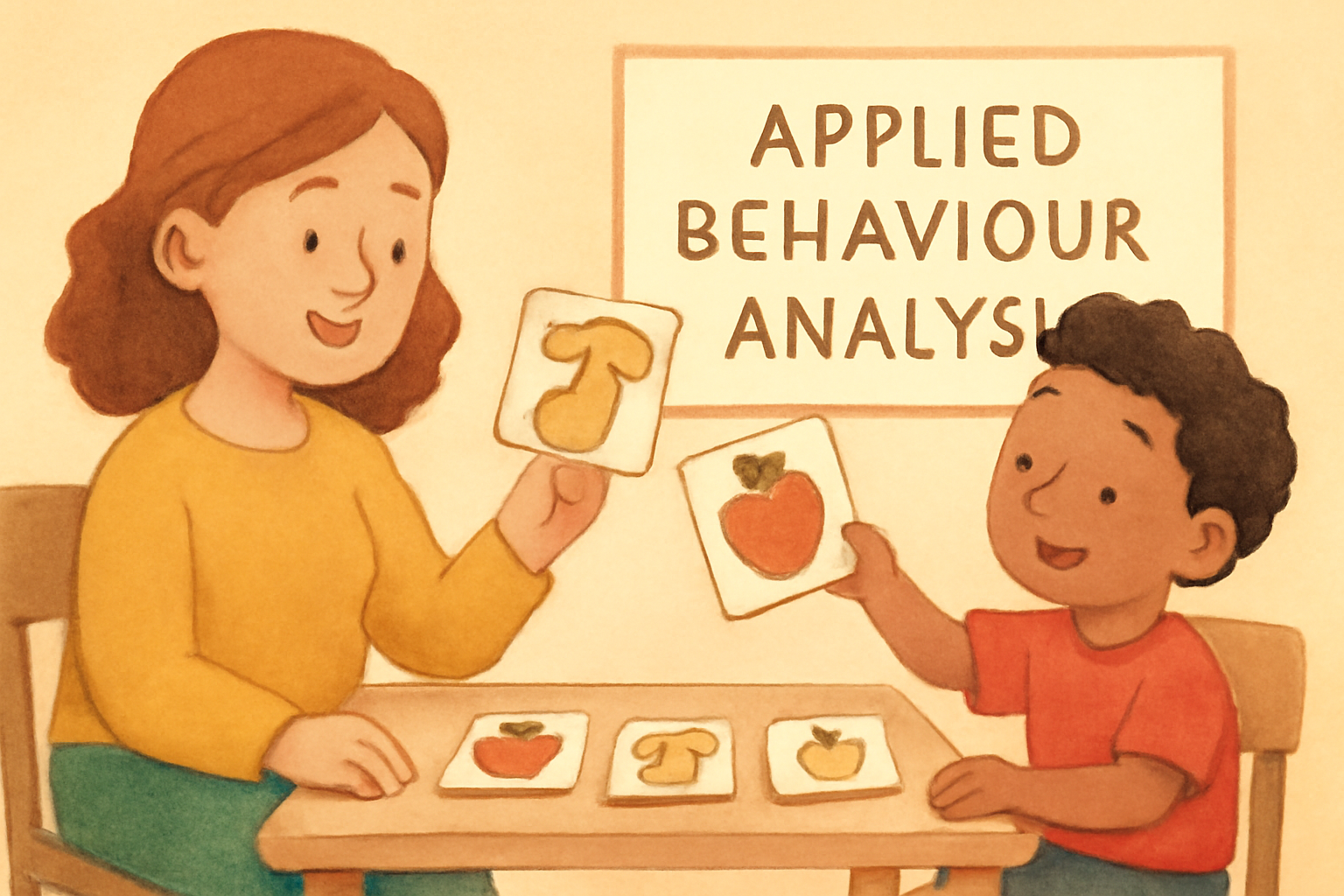
Despite its effectiveness, ABA therapy has limitations. Skills learned in structured settings may not always transfer to real-life situations, so modern ABA focuses on teaching in natural environments and involving families.
Access to quality care is another challenge. Qualified providers can be hard to find, and intensive therapy can be costly and time-consuming. Success also depends on the therapist’s skill and the quality of individualized support.
Looking ahead, ABA is becoming more person-centered, with greater emphasis on individual assent and well-being. The field aims to ensure therapy is both effective and respectful, continually evolving to better serve each learner.
Understanding Applied Behaviour Therapy
Grasping the fundamentals of applied behaviour therapy is the first step to seeing how it can benefit your child. ABA therapy is a methodical and personalized treatment that uses the science of learning to teach important new skills. It is not a single technique but a broad framework that can be adapted to help individuals improve their communication, social, and daily living abilities. The therapy helps children lead more independent and successful lives by breaking down goals into small, achievable steps and reinforcing progress along the way.
A key part of the process is understanding that all behaviour serves a purpose. By figuring out why a behaviour happens, a therapist can teach a child a more positive and effective way to get their needs met. This focus on function, rather than just the behaviour itself, is what makes ABA a powerful tool for improving a child's overall well-being and mental health. Let's examine how this approach supports development.
How Applied Behaviour Therapy Supports Developmental Milestones
Applied behaviour therapy plays a crucial role in helping children reach key developmental milestones. By using a structured approach to skill acquisition, ABA can target specific areas where a child may be experiencing delays, such as language, social interaction, or motor skills.
For example, if a child is struggling with communication skills, an ABA program can break down language into its simplest parts. A therapist might start with imitating sounds, then move to words, and eventually to forming sentences. This step-by-step process allows the child to build a strong foundation for communication, helping them catch up to their peers.
The focus on positive reinforcement makes learning motivating and helps secure positive outcomes. As children master new skills and reach their developmental milestones, they gain confidence and are better equipped to learn even more. This creates a positive cycle of growth and achievement.
Understanding Applied Behaviour Analysis: A Foundation for Growth
Applied Behaviour Analysis provides a solid foundation for growth by using a scientific approach to understand and improve behaviour. It is based on the idea that behaviours are learned and can be changed through systematic teaching. This therapy isn't about quick fixes; it's about building a strong base of skills that will serve a child for a lifetime.
The core ABA principles guide therapists in creating effective and individualized learning plans. By analyzing how a child interacts with their environment, a therapist can design interventions that teach new skills in a clear and consistent way. This might involve increasing language abilities, improving focus, or developing social skills.
This methodical process ensures that learning is both meaningful and lasting. By breaking down complex goals into smaller steps and providing consistent reinforcement, ABA helps children build confidence as they acquire new skills, establishing a powerful foundation for continued development.
Understanding the Principles of Applied Behaviour Analysis
The principles of behaviourism are the bedrock of Applied Behaviour Analysis. These principles help us understand that behaviour is influenced by the environment and its consequences. One of the most fundamental ABA principles is that behaviours followed by rewarding consequences are more likely to be repeated.
This is where positive reinforcement comes in. In ABA therapy, therapists identify a target behaviour they want to increase, such as a child asking for a toy instead of grabbing it. When the child uses the desired behaviour, they receive a positive consequence, like praise or getting the toy. This makes them more likely to use that skill again.
The entire approach is analytical and data-driven. Therapists carefully observe and record behaviours to understand what triggers them and what consequences maintain them. This allows them to create a precise and effective plan to help the child learn more helpful behaviours.
Benefits of ABA in Child Development
The benefits of ABA therapy in child development are wide-ranging and can have a profound impact on a child's life. By focusing on teaching functional skills, ABA helps children become more independent and successful in their daily routines. The therapy is known for delivering positive outcomes in critical areas.
Many children experience significant gains in communication skills and social skills, which allows them to connect better with others and express their needs. This can lead to reduced frustration and a better quality of life. Below, we'll explore some of the specific benefits and how ABA fosters positive change.
Benefits of Applied Behaviour Therapy for Children
One of the greatest benefits of ABA therapy is its proven ability to produce positive outcomes by teaching children essential new skills. These skills are practical and directly applicable to everyday life, which helps children become more independent and successful across different environments, including home, school, and the community.
Children often show marked improvement in communication skills. They learn how to express their wants and needs, ask questions, and engage in conversations. This ability to communicate effectively can dramatically reduce frustration and challenging behaviours that may have stemmed from an inability to be understood.
Furthermore, ABA is highly effective at developing social skills. Therapists work with children on everything from making friends to understanding social cues, helping them build meaningful relationships. The combination of improved communication and social abilities empowers children and enhances their overall quality of life.
How ABA Techniques Foster Positive Behaviour in Children
ABA techniques are designed to systematically foster positive behaviour. A board-certified behaviour analyst will choose from various methods, such as Discrete Trial Training (DTT) or more naturalistic, play-based approaches, depending on what works best for the child. The common thread among all ABA techniques is the focus on reinforcement.
In ABA programs, positive behaviours are immediately followed by something the child values. This reward system makes the child want to repeat the behaviour. For example, if a child sits quietly during story time, they might earn a sticker or extra playtime. This clear connection helps the child understand what is expected of them.
By consistently reinforcing desired actions and not reinforcing unhelpful ones, therapists shape a child's behaviour over time. This structured yet flexible approach is what makes ABA so effective at helping children learn and adopt positive behaviours that will serve them well in all aspects of life.
Addressing Behavioural Challenges with ABA Strategies
ABA strategies are highly effective for addressing challenging behaviours because they focus on understanding the "why" behind the behaviour. A behaviour analyst doesn't just look at what the child is doing; they investigate the function of the behaviour. Is the child trying to escape a task, get attention, or communicate a need?
Once the function is understood, the therapist can implement a plan to teach the child new skills that serve the same purpose but in a more appropriate way. For instance, if a child tantrums to escape a difficult task, the therapist might teach them to ask for a break instead. This replacement skill is then heavily encouraged using positive reinforcement.
This proactive and instructional approach is far more effective than simply trying to stop a behaviour. By empowering children with new skills, ABA strategies help reduce challenging behaviours in a way that is respectful, supportive, and leads to long-term positive change.
Conclusion
In conclusion, Applied Behaviour Therapy (ABA) plays a crucial role in fostering the healthy development of children. By utilizing techniques such as positive reinforcement and the ABC model, ABA helps address behavioural challenges, enhances social skills, and supports independence. Understanding ABA allows parents to make informed decisions about therapy providers and to actively engage in their child's growth journey. As we recognize the importance of these therapeutic strategies, it's essential to remember that every child is unique, and individualized approaches can lead to the most effective outcomes. If you're interested in exploring how Applied Behaviour Therapy can benefit your child, don't hesitate to reach out for more information on available options.
Don't hesitate to get in touch or call us at 02 9133 2500!
Frequently Asked Questions
Is applied behaviour therapy suitable for young children only, or can older children benefit too?
Applied behaviour therapy is effective for people of all ages. While early intervention in young children is highly beneficial, ABA therapy can also help older children, teens, and adults with autism spectrum disorder or other developmental disorders learn new skills and increase their independence at any stage of life.
Are there any risks or drawbacks to applied behaviour therapy?
The primary limitations of ABA therapy relate to the quality of the program and therapist. Poorly implemented ABA can be rigid or fail to generalize skills. It is crucial to work with a qualified behaviour analyst who creates a respectful, person-centered plan to ensure it positively supports mental health.
How can Applied Behaviour Therapy be tailored to meet the individual needs of a child?
Applied behaviour therapy is highly personalized. A behaviour analyst starts with a detailed assessment of a child’s needs, skills, and preferences. From there, they collaborate with the family to set specific treatment goals and design ABA programs that are uniquely tailored to help the child succeed.
.svg)




.svg)