
.png?width=48&height=48&name=Group%201%20(3).png)























3 February, 2026

Angry Child? Discover Solutions for a Peaceful Home
Introduction
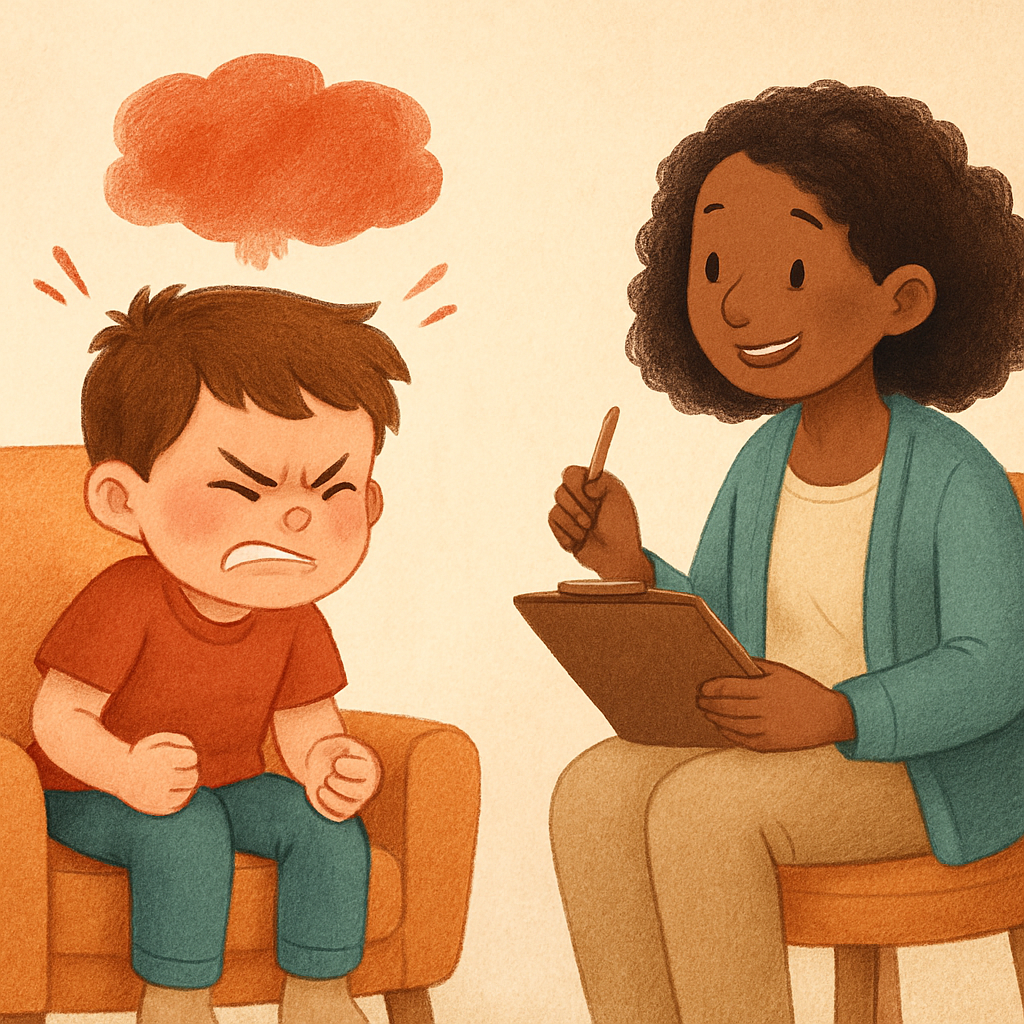
Dealing with an angry child can be stressful and upsetting for the whole family. When your child lashes out, it's easy to feel overwhelmed and unsure of what to do. It’s important to remember that grappling with strong emotions is a normal part of life and a key aspect of children’s mental health development. Understanding the root causes of this anger and learning effective strategies can help you guide your child toward better emotional control and restore peace in your home.
Key Highlights
- A child's anger often comes from a lack of skills to handle frustration.
- For young children, temper tantrums can be a sign they are overwhelmed by their feelings.
- Parents can model calmness by taking deep breaths and not giving in to demands.
- Teaching kids problem-solving and other coping skills helps with emotion regulation.
- You can reduce anger by identifying triggers and preparing your child for changes.
- Praising your child for expressing emotions appropriately encourages positive behaviour.
Common Causes of Misbehaviour and Anger
Behaviour is a key way children communicate, especially when they lack the words or self-control to express emotions. Challenging behaviours—like tantrums, defiance, or withdrawal—often signal unmet needs or feelings they can't verbalize. Instead of seeing these as misbehaviour, view them as signs of distress.
Children’s anger may come from frustration, anxiety, difficulty with change, sensory overload, or unmet emotional needs. Nonverbal cues, such as crying or aggression, are ways they show what they're feeling.
Understanding the reasons behind these behaviours helps parents respond with empathy rather than punishment. By observing body language and patterns, adults can spot triggers and create a supportive environment.
Addressing underlying needs—by offering comfort, reducing frustration, or keeping routines—improves behaviour. Encouraging communication and teaching emotional regulation empowers children to express themselves better. Recognizing that all behaviour has meaning strengthens relationships and supports healthy development.
Emotional Triggers and Stress Factors
Many children who have frequent meltdowns often do so at predictable times, usually when asked to start or stop an activity. Without coping skills, these strong emotions can quickly turn into disruptive behaviour. While tantrums are normal for toddlers, ongoing or intense outbursts in older children may be a concern.
Sensory processing issues are another major trigger—some kids find everyday environments overwhelming, leading to anxiety and meltdowns. For example, a child might scream if their face gets wet or struggle in noisy, crowded places.
Common triggers include:
- Transitions like homework or bedtime
- Being told to stop a preferred activity (e.g., video games)
- Sensory overload from crowds or loud noises
Behavioural Disorders Linked to Frequent Anger Outbursts
Frequent, intense anger outbursts in children may signal more than a passing phase and could indicate an underlying condition. Accurate diagnosis is essential for proper support and to prevent long-term developmental issues.
Conditions like ADHD or anxiety often make emotional regulation difficult. For example, kids with ADHD may get easily frustrated by tasks like homework, while anxious children might lash out to avoid stressful situations.
Recognizing the root cause can guide you toward effective help:
|
Condition |
Connection to Anger Outbursts |
|---|---|
|
ADHD |
Easily frustrated and impulsive; struggle with boring tasks, leading to defiance and tantrums. |
|
Anxiety |
May lash out when overwhelmed or pressured, using anger as an escape. |
|
Learning Disorders |
Frustration with difficult schoolwork can trigger acting out to hide academic struggles. |
|
Autism Spectrum Disorder |
Rely on routine; unexpected changes or sensory overload may cause meltdowns. |
|
Trauma |
Difficulty managing emotions; may view others as hostile, resulting in irritability and angry reactions. |
Effective Strategies to Calm an Angry Child
During your child's meltdown, your reaction can either escalate or calm the situation. Your most effective tool is your own composure. Staying calm and speaking in a steady, low voice models self-control for your child.
Focus on de-escalating—not winning an argument. Provide a safe space for your child to process emotions without rewarding aggression. With consistent coaching, you can teach impulse control and healthier ways to manage anger, like deep breathing.
Techniques to De-escalate Tantrums at Home
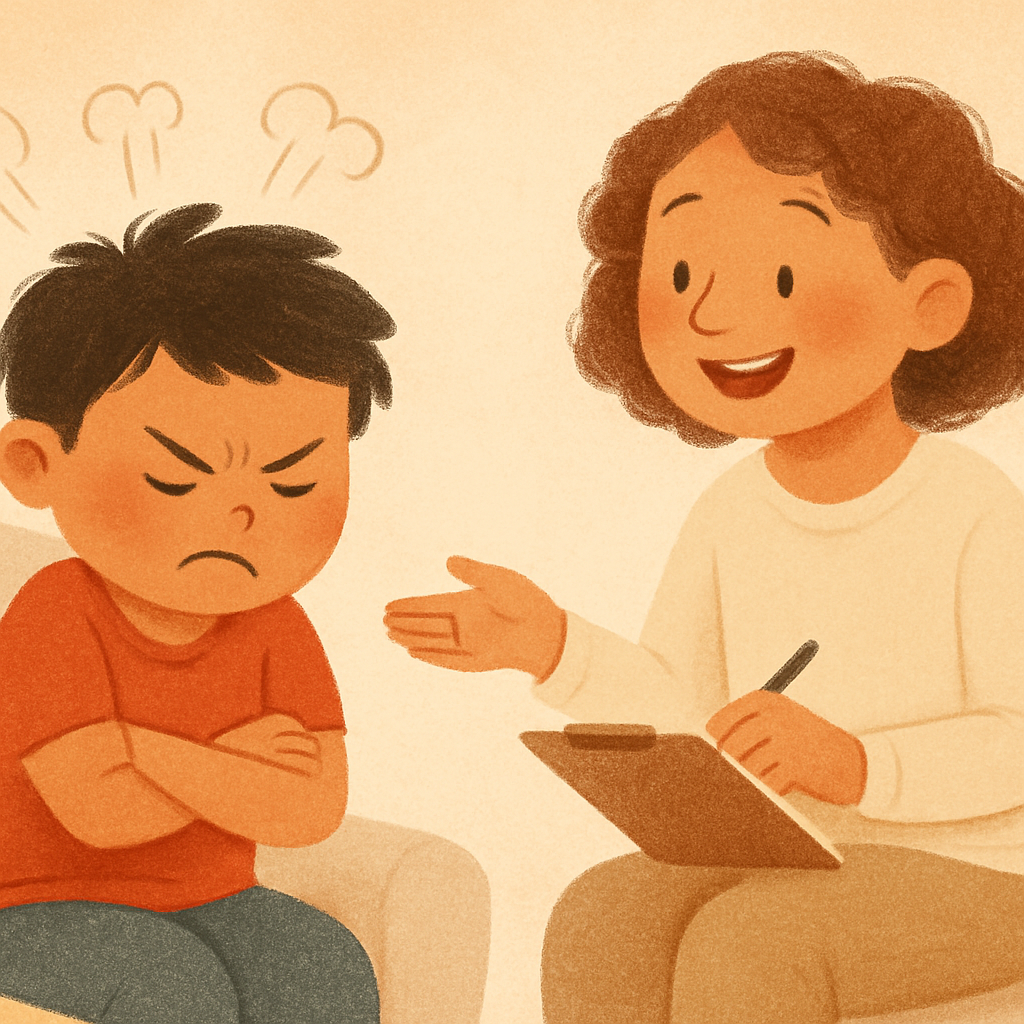
Effectively handling a tantrum depends on its severity. If your child isn’t being physically aggressive, ignoring the behaviour is often best, as even negative attention can reinforce it. If they become a danger to themselves or others by hitting or throwing things, safety comes first ignoringing isn’t an option.
Move your child to a safe, quiet space to calm down away from you and any rewards. This isn’t punishment; it’s a chance for them to regain control. Use a steady voice to explain that they need time to calm down. Once composed, discuss what happened and better ways to handle emotions next time.
Tips for handling tantrums:
- Use time-outs to remove them from volatile situations.
- Praise them after they calm down and can talk.
- Practice coping skills like deep breathing when they’re calm so they can use them when upset.
Words and Actions to Avoid During Anger Episodes
During an anger episode, what you avoid is as important as what you do. Reacting emotionally—like yelling back—only escalates the situation and models poor communication.
Trying to reason with a child mid-tantrum is ineffective; their brain is in "fight or flight" and can't process logic. Giving in to stop the outburst teaches them that aggressive behaviour gets results. Instead, keep your body language and tone calm to prevent a power struggle.
Avoid:
- Yelling or raising your voice
- Giving in to demands during a tantrum
- Trying to reason or repeat yourself while they’re upset
Supporting Self-Regulation and Positive Behaviour
Managing tantrums is just one step; the long-term goal is to help your child learn emotion regulation. This skill develops over time with practice and support. As a coach, you guide your child in building tools to handle frustration and anger constructively.
Teach coping skills and reinforce them through repetition, especially when your child is calm. Praise their efforts to use these skills—this encourages positive behaviour and helps them manage their feelings more effectively.
Building Emotional Awareness in Your Child
A crucial step in emotion regulation is helping your child understand what they are feeling in the first place. You can build their emotional vocabulary by naming feelings for them. For example, saying, "It seems like you are feeling frustrated because your tower fell over," helps them connect a word to their internal experience.
Encourage your child to talk about their strong emotions when they are calm. Listen without judgment and validate their feelings, even if you don't agree with their behaviour. This teaches them that feelings themselves aren't bad, but how we act on them matters. This shift in mindset helps them see that they have control over their reactions to anger.
You can encourage healthy communication by:
- Regularly using emotional words to describe feelings.
- Telling them it's okay to feel angry, sad, or disappointed.
- Praising them for using their words to express themselves instead of acting out.
Everyday Routines That Help Prevent Misbehaviour
One of the most effective ways to manage anger is to prevent it from starting. Many outbursts happen during predictable, high-stress times of the day, such as homework time or bedtime. Creating steady routines around these activities can significantly reduce conflict and anxiety for your child because they know what to expect.
Consistency is key. When your child knows the rules and the consequences for not following them are applied fairly every time, they are less likely to push back. Simple strategies like giving time warnings before a transition ("We are leaving the park in 10 minutes") or breaking down tasks into single steps can also help avoid meltdowns. These practical steps build a foundation for positive behaviour.
Helpful routines to prevent misbehaviour include:
- Giving clear, one-step directions for tasks.
- Providing time warnings before transitions.
- Establishing consistent consequences for breaking rules.
Conclusion
In conclusion, navigating the challenges of an angry child requires patience, understanding, and effective strategies. By identifying the common causes of misbehaviour and implementing techniques to calm your child, you can create a more peaceful home environment. Supporting your child in developing emotional awareness and positive behaviour not only helps them manage their anger but also strengthens your relationship with them. Remember, this journey may take time, but the rewards of fostering a calm and loving atmosphere are invaluable.
If you're looking for personalized guidance tailored to your family’s needs, don’t hesitate to reach out for a consultation or call daar at 02 9133 2500 for support.
Frequently Asked Questions
When Should I Seek Professional Help for My Child’s Anger?
You should seek professional help if your child's anger is frequent, intense, and causes disruptions at home or school. If their disruptive behaviour makes you feel frightened or out of control, consult your pediatrician. They can refer you to specialists in children's mental health or programs like parent management training.
What Long-Term Effects Can Unmanaged Anger Have on a Child?
Unmanaged anger can negatively impact a child’s development by leading to persistent behaviour problems and difficulties with peers. It hinders their ability to learn emotion regulation, which can affect their long-term mental health, relationships, and academic success, often creating a continuous power struggle with authority figures.
How Can I Encourage Healthy Communication About Feelings?
Encourage healthy communication by using emotional words to label your child's big feelings and your own. Listen attentively, notice their body language, and validate their experience without judgment. Praising them for sharing their feelings reinforces this positive behaviour and strengthens their communication skills for the future.
.svg)




.svg)