
.png?width=48&height=48&name=Group%201%20(3).png)























7 January, 2026

Exploring Behaviour Therapy: Key Concepts and Practices
Introduction
Are you looking for an effective treatment to manage difficult behaviours or improve your mental and emotional health? Behavioural therapy is a focused, action-oriented approach that can help. It operates on the principle that behaviours are learned and can be changed. Instead of focusing on the distant past, this therapy gives you practical tools to address current problems. By identifying and modifying unhelpful behaviours, you can develop healthier habits, improve your emotional well-being, and enhance your overall quality of life.
Key Highlights
-
Behaviour therapy is a practical approach that helps modify behaviours to improve your mental health.
-
Key behavioural therapy techniques include positive reinforcement, behavioural activation, and modeling.
-
This therapy is an effective treatment for a wide range of mental health conditions, including anxiety, depression, ADHD, and autism.
-
Cognitive behavioural therapy is a popular type that focuses on changing negative thought patterns.
-
The goal is to equip you with practical tools to manage challenges and enhance your quality of life.
-
It provides a structured way to learn new skills and build confidence in various social and personal situations.
Essential Techniques in Behaviour Therapy
Behavioural therapy uses several proven methods to help you achieve positive change, especially in addressing mental health issues. During therapy sessions, a therapist will guide you through structured exercises designed to build new skills and reduce problematic behaviours. The focus is on practical application, so you can use what you learn in your daily life.
Techniques like positive reinforcement and goal setting are central to this approach. They provide motivation and a clear path forward. Let's explore some of the most common types of behavioural therapy techniques and effective behavioural therapy techniques that support your mental health journey.
Positive Reinforcement Strategies
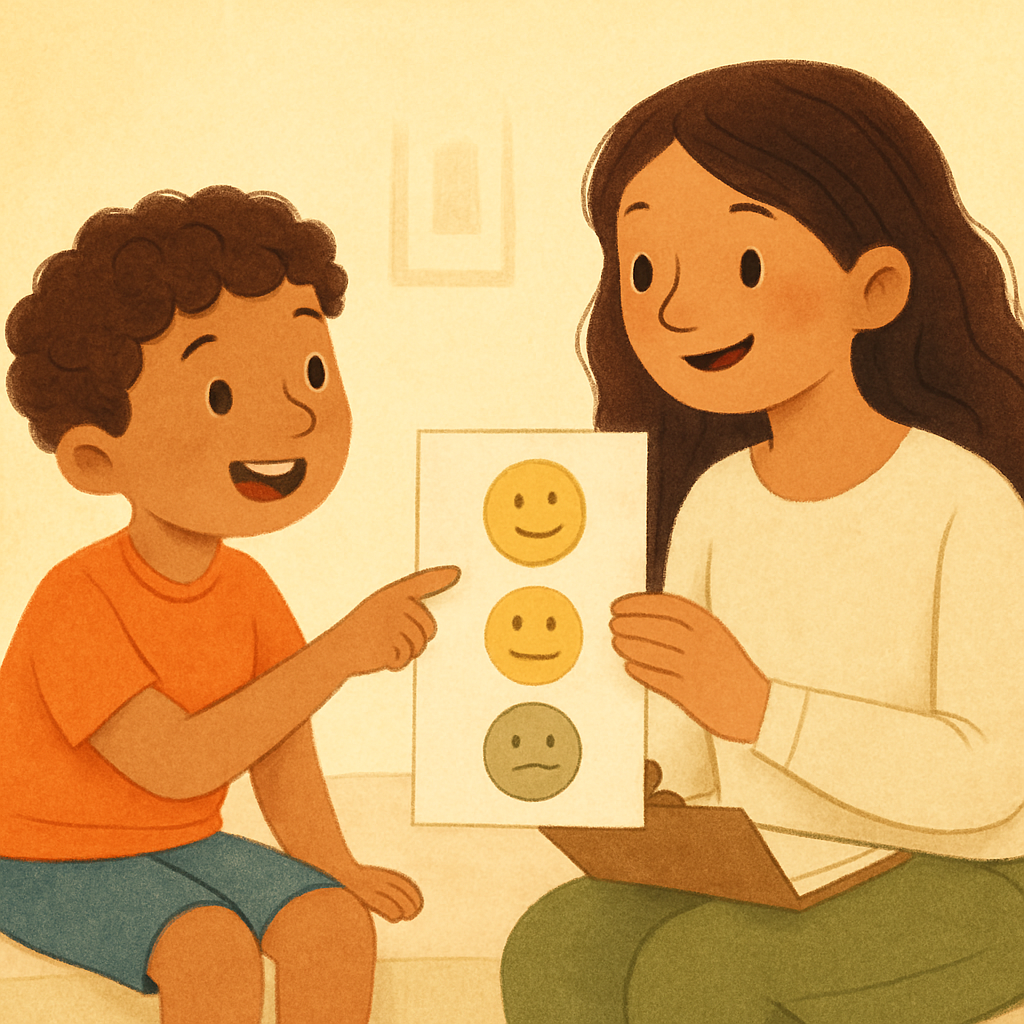
Positive reinforcement is a powerful behavioural therapy technique based on operant conditioning. It involves rewarding desired behaviours to increase their frequency. When you practice new skills or positive behaviours, receiving praise or rewards builds motivation and confidence.
This approach focuses on what you're doing right, creating a supportive environment where you feel safe to try new things. The goal is to make positive changes enjoyable and worthwhile.
Consistent reinforcement helps build lasting habits. Examples include:
-
Praising someone for using a new social skill
-
Using sticker charts to reward children’s progress
-
Feeling accomplished after engaging in a positive activity
Behavioural Activation and Goal Setting
If you are dealing with conditions like depression, you might find it hard to engage in activities you once enjoyed. Behavioural activation is a technique designed to counteract this withdrawal. It encourages you to participate in positive and rewarding activities to improve your mood and break the cycle of inactivity and sadness.
This process starts with goal setting. You and your therapist will work together to create a personalized treatment plan that identifies meaningful activities. These goals are broken down into small, manageable steps to ensure you don't feel overwhelmed.
As you begin to engage in these activities, you will likely notice an improvement in your mood and energy levels. Behavioural activation is a core part of behavioural therapy because it directly targets the avoidance behaviours that maintain depression, helping you tangibly reconnect with your life, especially for those who may experience mood fluctuations related to bipolar disorder.
Modeling and Role-Playing Activities
Have you ever wished you could practice a difficult conversation before it happens? Modeling and role-playing offer exactly that opportunity. This skills training technique involves your therapist demonstrating a specific social skill, which is known as modeling. You then get to practice that skill through role-playing in a safe and supportive environment.
This hands-on approach is incredibly effective for building social skills. You can rehearse real-life scenarios, such as introducing yourself, making small talk, or handling a conflict. The therapist provides immediate feedback to help you refine your approach.
Role-playing allows you to build confidence and reduce anxiety about social interactions. By practicing new behaviours in a controlled setting, you become better prepared to use them in the real world. It is a powerful way to turn theory into practical ability.
Positive Behaviour Support (PBS) in Practice
Positive Behaviour Support (PBS) is a comprehensive, evidence-based approach used to understand and address challenging behaviours. Instead of just trying to stop a behaviour, PBS seeks to understand why it is happening. The goal is to improve an individual's quality of life and create lasting change.
This approach is highly personalized and focuses on teaching new skills to replace challenging behaviours. It is a proactive and supportive framework that benefits not only the individual but also their caregivers and community. Below, we’ll look at the key components of PBS and how it is applied.
Key Components of PBS
The foundation of Positive Behaviour Support is built on several core principles. It begins with a functional behaviour assessment (FBA) to identify the function or purpose behind a challenging behaviour. This understanding is crucial for developing effective strategies. The focus is always on creating a positive environment and teaching new, more appropriate skills.
PBS is about more than just behaviour management; it is about improving a person’s overall quality of life. This involves ensuring their needs are met and that they have opportunities for meaningful engagement. It also helps in addressing unhelpful thoughts that may contribute to certain behaviours.
The key components of a successful PBS plan include:
-
Strengths-based plans that build on what the person can already do.
-
Strategies to reduce harm and teach new functional skills.
-
Upskilling caregivers and schools to provide consistent support.
NDIS and Positive Behaviour Support in Australia
In Australia, the National Disability Insurance Scheme (NDIS) provides funding for individuals with disabilities to access necessary support services, including Positive Behaviour Support. If you or a loved one has an NDIS plan, you can use your funding to work with mental health professionals who specialize in PBS.
These professionals develop personalized behaviour support plans that are aligned with NDIS requirements. The goal is to help individuals reduce challenging behaviours and build skills that enhance their independence and participation in the community. NDIS plan management services can also help you navigate your funding and connect with the right providers.
Finding the right support is a key step in your journey. The NDIS funds various services to create a comprehensive support system tailored to individual needs.
|
Support Category |
Description |
|---|---|
|
Behaviour Support |
Provides FBA-informed behaviour plans to reduce harm and teach new skills. |
|
Early Intervention |
Helps young children build core developmental and communication skills from an early age. |
|
Plan Management |
A funded service to help you manage the financial aspects of your NDIS plan. |
Socialised Behaviour Therapy: Practices and Applications
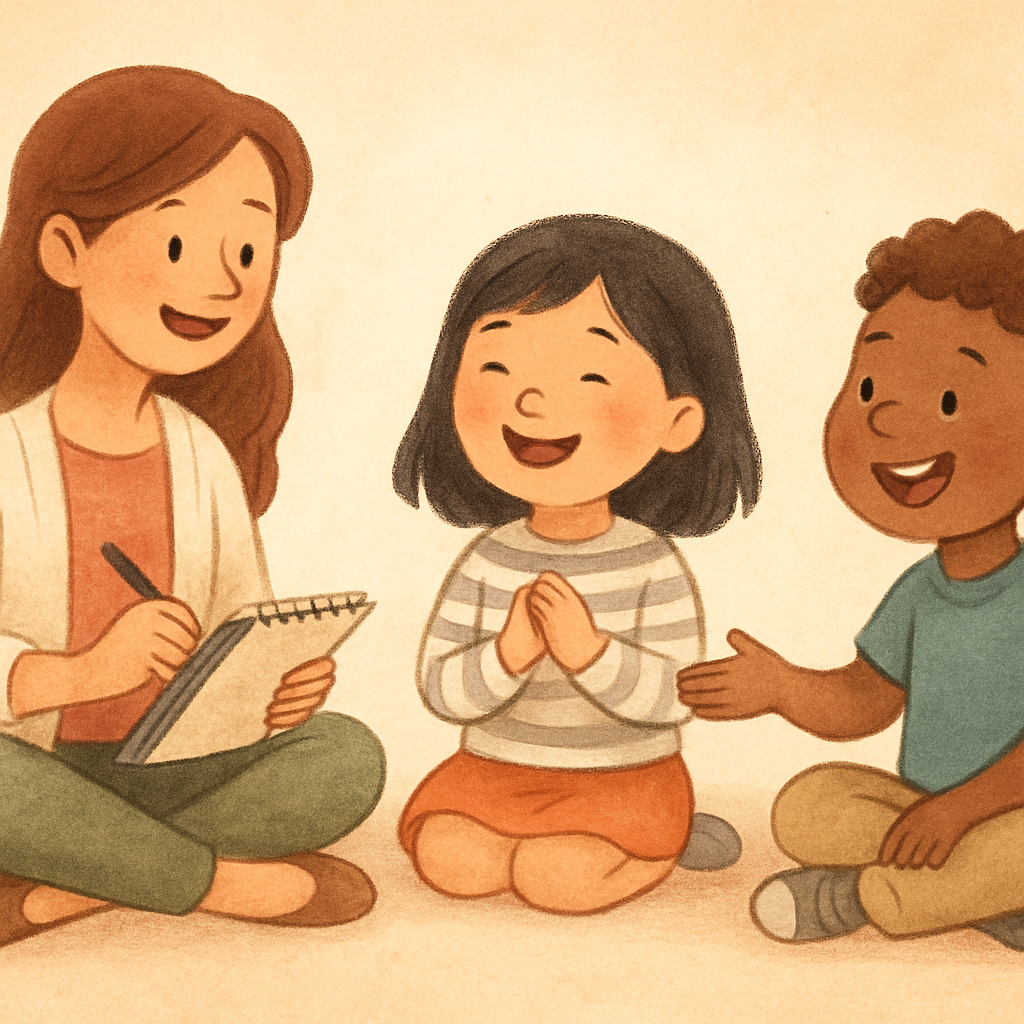
Socialised behaviour therapy is a specific type of behavioural therapy rooted in clinical psychology that focuses on improving your social skills and interpersonal relationships. If you experience social anxiety or find it difficult to navigate social situations, this approach offers practical tools to build your confidence and ease.
It operates on the principle that social skills are learned and can be improved with guided practice in a controlled way. The therapy provides a structured and supportive environment to develop your abilities, helping you connect with others more meaningfully. Let’s look at some of the specific techniques used to achieve this.
Techniques to Enhance Social Skills
To help you feel more comfortable in social situations, this therapy uses targeted social skills training and includes systematic desensitization techniques. The process often begins by breaking down complex interactions into smaller, more manageable parts. This might include learning how to start a conversation, use appropriate body language, or listen actively.
Cognitive restructuring is another important technique. It helps you identify and challenge the negative thoughts and beliefs that fuel your social anxiety disorder. For instance, you might learn to reframe the fear of being judged into a more balanced and realistic perspective.
By practicing these new skills in a safe environment, you build confidence and reduce avoidance. Key activities include:
-
Behavioural rehearsal (role-playing) to practice skills in simulated situations.
-
Receiving corrective feedback from your therapist to refine your approach.
-
Homework assignments to apply your new skills in the real world.
Supporting Children and Adults with Challenging Behaviours
Behaviour therapy is highly effective for both children and adults who exhibit challenging behaviours. For young people, therapists often use play-based activities and positive reinforcement to make therapy sessions engaging and fun, ultimately aiming to enhance their overall mental health. The goal is to teach them alternative ways to express their needs and emotions without resorting to disruptive actions.
For adults, mental health professionals tailor the approach to address specific challenges in work, relationships, or daily life, aiming to make a meaningful impact. Therapy sessions focus on developing practical coping strategies and improving emotional regulation. The collaborative process ensures that the strategies are relevant and sustainable.
This therapy provides a structured framework to support individuals of all ages. It can help by:
-
Teaching emotional regulation to manage feelings like anger or frustration.
-
Building communication skills to express needs effectively.
-
Reducing meltdowns and preventing negative consequences.
Common Conditions Treated by Behaviour Therapy
Behaviour therapy is a versatile and effective treatment for a wide range of mental health conditions, including borderline personality disorder. Its practical, skills-based approach makes it suitable for addressing issues from anxiety and mood disorders to developmental disabilities. During therapy sessions, the focus is on creating measurable change.
Because it is so adaptable, therapists can tailor the techniques to suit the specific needs of each individual, including relationship issues. Let's explore some of the common conditions that can be successfully managed with the help of behaviour therapy.
Autism Spectrum Disorders
For individuals with autism spectrum disorders, behavioural therapy offers a structured and effective way to develop essential life skills. Therapies like Applied Behaviour Analysis (ABA) use proven behavioural techniques to improve communication, social skills, and daily living activities, while also addressing conditions such as panic disorder. The approach is highly personalized to meet the unique needs of each person.
The focus is on teaching new skills clearly and systematically. This might include breaking down complex tasks, such as toileting or holding a conversation, into smaller, more manageable steps. Positive reinforcement is used to reward progress and motivate learning.
Ultimately, the goal of behavioural therapy, a type of therapy for autism, is to enhance an individual's quality of life. By building confidence and competence in key areas, it empowers people with autism to navigate their world more independently and engage more fully with their communities.
ADHD and Emotional Regulation Difficulties
Behaviour therapy offers practical tools for managing ADHD and emotional regulation, including approaches beneficial for those with obsessive compulsive disorder. For those with ADHD, it helps build organizational skills, improve focus, and control impulsivity through routines and strategies that make daily tasks easier.
For emotional regulation, therapy teaches coping mechanisms to manage intense feelings and frustration. You’ll learn to identify triggers and respond in healthier ways.
These techniques are designed for everyday use, empowering you to better control your actions and emotions—leading to stronger relationships and improved well-being.
Anxiety, Depression, and Related Disorders
Behaviour therapy effectively treats anxiety, depression, and related psychological problems and disorders. Techniques like Cognitive Behavioural Therapy (CBT) target negative thoughts and unhelpful behaviours. For anxiety, exposure therapy helps you face fears gradually. For depression, behavioural activation encourages positive activities to reduce withdrawal and lethargy. Cognitive restructuring teaches you to challenge negative thinking.
By focusing on both thoughts and behaviours, Acceptance and Commitment Therapy (ACT) offers a comprehensive path to recovery through behaviour therapy, helping you break cycles of worry and sadness, build coping skills, and achieve a more fulfilling life.
Conclusion
Behaviour therapy is a versatile, effective approach that can improve quality of life for people facing various psychological issues and challenges. Techniques like positive reinforcement, behavioural activation, and modeling help therapists create personalized strategies for meaningful change. From supporting children with autism to helping adults manage anxiety and depression, behaviour therapy offers practical solutions for mental health and social skills. To learn how behaviour therapy can help you or a loved one, explore NDIS-supported services or schedule a consultation.
Schedule a consultation or call daar at 02 9133 2500 today to start your journey to better mental health today!
Frequently Asked Questions
Who can benefit from behaviour therapy in Australia?
A wide range of people in Australia can benefit from behavioural therapy for substance use and other mental health conditions. This includes children and adults with mental health conditions, those with challenging behaviours, or anyone looking to improve their social skills and quality of life. Mental health professionals can tailor the therapy to meet your specific needs.
What is the difference between CBT and other behaviour therapy approaches?
While both are types of therapy, Cognitive Behavioural Therapy (CBT) is a type of psychotherapy that specifically focuses on changing negative or unhelpful thought patterns to influence behaviour. Other behaviour therapy approaches may concentrate more directly on modifying behaviour itself through techniques like reinforcement, without as much emphasis on cognitive therapy.
Where can I find NDIS-supported behaviour therapy services?
You can find NDIS-supported behaviour therapy by searching the NDIS provider directory for a registered behavioural therapist or psychologist. Your NDIS support coordinator or local area coordinator can also help you connect with qualified mental health professionals who offer these support services and conduct therapy sessions.
.svg)




.svg)