
.png?width=48&height=48&name=Group%201%20(3).png)
























29 June, 2026

Latest Update November 19, 2025
Key Highlights
-
A functional behaviour assessment (FBA) systematically identifies the causes behind challenging behaviours, focusing on understanding their function rather than surface-level observations.
-
It includes evaluating antecedents, behaviours, and their subsequent consequences through data collection and direct observation techniques.
-
Essential tools like ABC models and functional analysis uncover patterns and triggers driving the behaviour.
-
Findings guide the development of personalised intervention strategies, shifting behaviour toward more positive outcomes.
-
Collaboration between school staff, caregivers, and professionals ensures comprehensive and tailored assessments.
Introduction
Have you ever wondered why some behaviours persist despite rewards or consequences? A Functional Behaviour Assessment (FBA) digs deeper—identifying what the person gains or avoids when they act out. By collecting objective data on when and where the behaviour occurs, FBAs help caregivers, teachers, and therapists craft strategies that address the root cause—not just the symptoms.
Caregivers, teachers, and therapists use this kind of method to look closely at patterns and what sets someone off. With this clear picture, FBA helps people find out what motivates the behaviour. This makes it easier to come up with strategies that really help the person make good changes and move forward. Now, let’s look at how FBA works, what it is used for, and why so many find it helpful for changing behaviour.
Understanding Functional Behaviour Assessment (FBA)
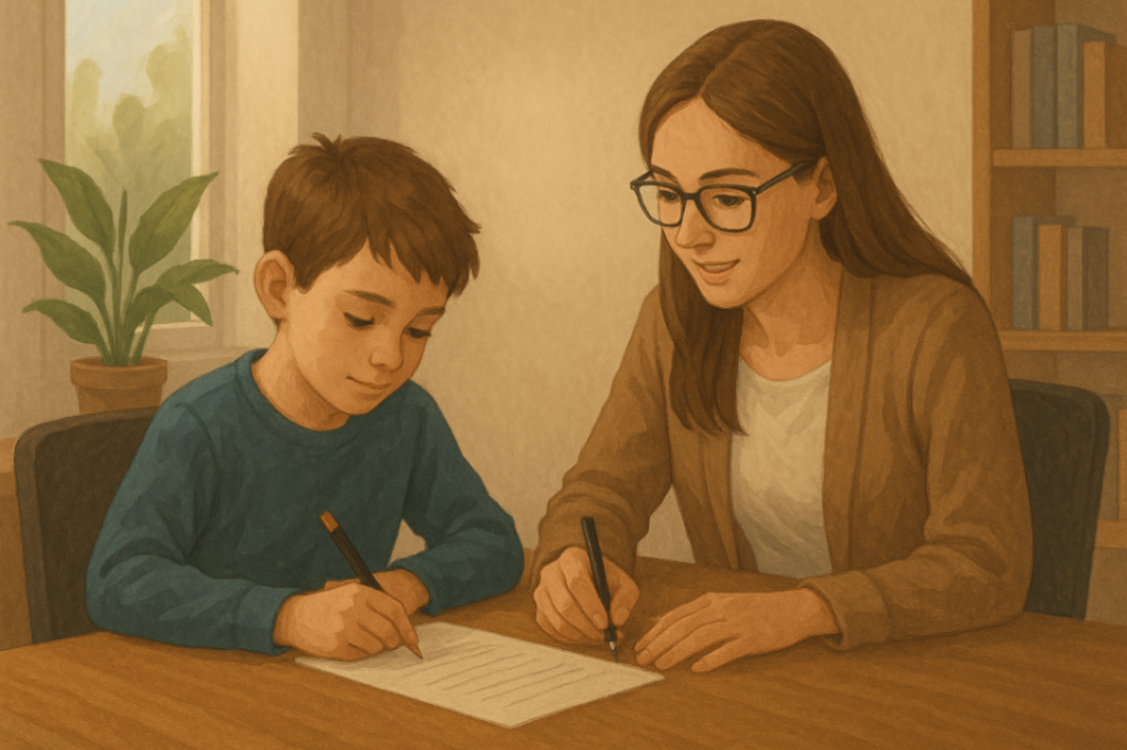 A functional behaviour assessment (FBA) looks at all parts of an individual’s behaviour. It helps to clear up why someone acts the way they do. School staff, caregivers, and experts come together to collect data and watch the person by direct observation. They look for patterns in challenging behaviours by noting what happens first, also called antecedents, and what reinforcement or results come after. This process helps everyone get a better idea of what goes on. FBA helps guide the team on how to pick the best ways to encourage positive behaviour. It also brings people together, so they can work as one to help and support the person’s needs.
Want to understand how support plans help after an assessment? Explore the benefits of behaviour support in Liverpool
What Is the Purpose of an FBA?
At its core, an FBA tries to find out the reason for a person’s behaviour. The goal is to see if the behaviour happens to get reinforcement, avoid something hard, or tell us about needs that are not met. When we understand the behaviour in this way, we can help the person use new and positive behaviours. We do not just try to stop the behaviour.
For example, if a child gets aggressive during group work, they may want to get away from too much noise or activity. Using an FBA helps us figure this out. We can then give the child a way to take a break or be in a calm space. This leads to positive results for the child.
An FBA helps guide what to do next. It makes sure that the staff uses strategies that really fit the person’s needs. It shows that good behaviour plans are built on knowing the behaviour and not just using one answer for everyone. This personal way brings better behaviour in the long run.
How a Functional Behaviour Assessment Supports NDIS Plans
A Functional Behaviour Assessment (FBA) is a core requirement in the NDIS framework, especially for children who need a NDIS Behaviour Support Plan (BSP). Under the NDIS, behaviour support is part of the Capacity Building – Improved Daily Living category, and the FBA forms the evidence base for funding.
An FBA helps your NDIS planner understand:
-
What behaviours are impacting daily life
-
Why the behaviour is occurring (the function)
-
What skills your child needs to learn (communication, flexibility, routines, social participation)
-
What supports are required at home, school and in the community
This information directly shapes the supports your child receives — including behaviour therapy, parent training, school consultation, and environmental adjustments.
Who Conducts a Functional Behaviour Assessment in Australia?
In Australia, functional behaviour assessments are usually led by people who know a lot about behaviour, like Board Certified Behaviour Analysts (BCBAs). School staff and caregivers are a big part of the process. However, trained experts guide the work. They make sure that data collection and study are done the right way.
Teachers and therapists work together with caregivers. They talk with each other to share ideas and give the background the team needs. In schools, when teachers are included, they give real stories of what they see in the classroom.
Caregivers also help a lot by sharing what they notice about the child’s behaviour at home and other places. These different voices help make sure the assessment fits real life. When everyone, including school staff and caregivers, gives input, FBAs help build plans that work well at home, at school, and in therapy.
Identifying and Defining Challenging Behaviours
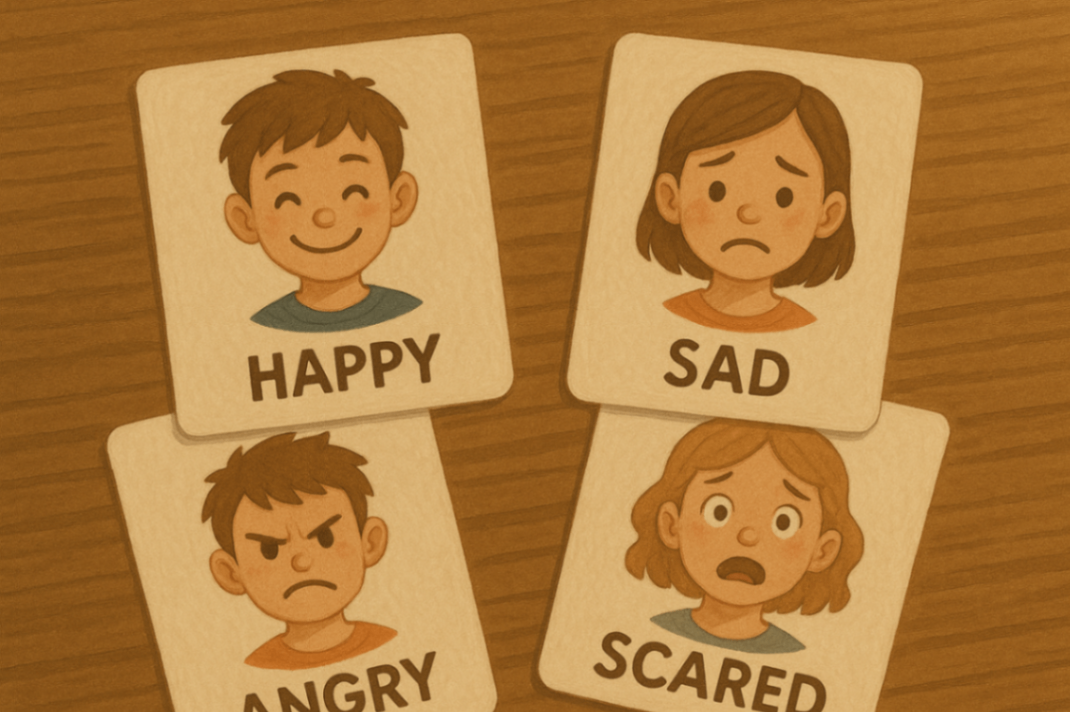 Pinning down challenging behaviours means you need to see not just what someone does, but also why they do it. Using functional analysis can help break down these behaviours so you can see clear patterns and find ways to help.
This starts by using direct observation. You watch the behaviours as they happen in different places. You also need to describe them in clear, simple terms, so there's no confusion. This way, you can set up steps that really work. Let's look closer at how to check common behavioural patterns and how to clearly explain them.
Why Local Support Matters in Liverpool
Families in Liverpool, Canterbury-Bankstown, and surrounding suburbs often rely on behaviour support that happens in real environments — homes, schools, and community settings. Specialised Behaviour Support (SBS) works best when practitioners understand:
-
Local school supports
-
Cultural diversity across Liverpool and Canterbury
-
Community routines like after-school care, sports clubs, park visits
-
Travel, transport and family demands unique to these suburbs
Referencing these suburbs more often increases your local SEO visibility for “behaviour support Liverpool”, “PBS Liverpool”, “NDIS behaviour support Canterbury”.
How SBS Connects Families, Schools & Therapists
Specialised Behaviour Support is more than just 1:1 therapy — it is a full circle:
Families
-
Receive parent coaching
-
Learn proactive strategies
-
Get support creating routines and visuals at home
Schools & Childcare
-
Teachers receive behaviour strategies
-
Classroom modifications are suggested
-
BSP goals are embedded into the school day
Therapists
-
Provide FBA‐driven recommendations
-
Train staff and families
-
Monitor progress through data tracking
This creates a complete, consistent system around the child.
Autism & NDIS Funding — What Parents Need to Know (2025)
Most children with autism accessing behaviour therapy do so through the NDIS under:
-
Improved Daily Living
-
Improved Relationships
-
Early Childhood Early Intervention (ECEI)
Funding levels vary depending on autism severity.
Level 1 Autism – Requiring Support
Often includes funding for:
-
Parent training
-
Social skills programs
-
Communication support
-
Light-to-moderate behaviour support
Level 2 Autism – Requiring Substantial Support
Funding typically covers:
-
Intensive behaviour therapy
-
School consultation
-
AAC training (if required)
-
Daily living skills programs
-
Sensory regulation supports
Level 3 Autism – Very Substantial Support
May include:
-
High-intensity behaviour support
-
Specialist behavioural intervention
-
High levels of school-based consult
-
Crisis planning
-
More hours of therapy and collaboration
Adding level-specific examples will boost your NDIS keyword rankings.
Common Behaviour Patterns Assessed
Some behaviour patterns tend to show up again and again in challenging situations. These patterns matter a lot during assessments. Here is what these behaviours can look like:
-
Aggression: If someone is hitting, pushing, or yelling, it can be a sign that they have sensory overload or feel frustrated.
-
Avoidance: When someone refuses to join in or tries to escape, it often means the situation is too much for them.
-
Self-injury: Things like skin-picking or banging their head can show a person needs to feel something or wants to get away.
-
Social disruptions: When someone keeps interrupting, shouts, or will not follow rules, it often comes from their need for attention.
Using direct observation, professionals watch and write down what happens in many places. As time goes by, they start to see patterns in the way people act. This helps them spot possible causes, such as things in the environment or how some actions might get reinforced. This kind of knowledge is very important. It helps create the right plan to help each person just how they need.
See how families, schools, and health teams collaborate in support planning.
How Behaviours Are Objectively Defined
Objective definitions are the foundation of good interventions. Instead of using unclear words like "tantrum," an FBA looks at the behaviour by breaking it into steps you can measure. For example, instead of saying "tantrum," you could say, "crying that lasts at least three minutes with stomping or throwing things."
This means that data collection has to be exact. People use structured interviews or special tools to get the information they need. They use the data to count how often the behaviour happens, how strong it is, and how long it lasts. This helps make the plan for what to do next.
When you use clear words to talk about the behaviour, there is no confusion. Everyone—teachers, families, and caregivers—understands the same thing. It also helps people to see what causes or follows the behaviour and gives better ideas to help. Always keep in mind, using things you can measure is at the heart of every functional assessment.
Analysing Antecedents, Behaviours, and Consequences (ABC Model)
Understanding the ABC model is important when doing a functional behaviour assessment (FBA). This model helps people look at and understand challenging behaviours. It looks at what happens before the behaviour (antecedents), the specific behaviour itself, and what happens after the behaviour (consequences). By looking at all these steps, school staff and caregivers can learn more about what is making the behaviour keep happening.
Doing direct observation and careful data collection helps people find out why the individual’s behaviour happens. When you know the reason for the behaviour, you can make better plans to help the person. This can help bring about more positive behaviour and support in school or at home.
Understanding Triggers and Context
Triggers can shape how people act, so it is important to look closely at each antecedent. The place, what is going on, or something that happens can lead to challenging behaviours. You need to watch carefully to find out what these things are.
Below is a table that shows some trigger types and the behavioural responses that can happen:
|
Trigger Type |
Potential Behaviour Response |
|---|---|
|
Loud environments |
Covering ears or refusing to engage |
|
Task difficulty |
Avoidance behaviours such as leaving the area |
|
Interruption of activity |
Yelling, shouting, or attempting to resume the activity |
|
Social isolation |
Increased aggression or seeking attention |
If you take the time to really know the whole story, you can make sure your answers work for the person. This can help change the place, or show ways to cope. This is especially helpful when working with challenging behaviours and looking at all the antecedents.
Interpreting the Function of the Behaviour
Behaviour always happens for a reason. People act to get reinforcement, stay away from bad things, or meet needs they have. Functional analysis helps us figure out why someone acts a certain way. It does this by looking at what is happening before and after their actions.
For example, if a child misbehaves after homework is given, the child may be doing this to get away from feeling upset. When people notice these things, they make plans that stop the bad result but do not take away what the child needs. This helps move the child’s actions toward doing the right thing with positive reinforcement.
When you know the function of behaviour, you can work better to change unwanted actions. The goal is not to get rid of the action, but to help grow new, better ways for the person to get what they need. This helps people change for good, in ways that matter to them and fit their needs.
Want to see what happens after the FBA? Learn how PBS strategies are tailored for each child in our next guide.
Conclusion
In the end, a Functional Behaviour Assessment (FBA) helps you understand and deal with challenging behaviours. This tool lets people find out what causes these behaviours by looking at what happens before (antecedents), during, and after (behaviour). By doing a good FBA, you get to clearly see what the behaviours are and make smart plans to help. This is good for the person, and it helps to build a caring place in schools and other places.
Book your child's behaviour support consultation now.
Frequently Asked Questions
How long does a Functional Behaviour Assessment usually take?
An FBA usually takes about 2 to 6 weeks. This gives enough time for data collection through direct observation, interviews, and screenings. The team works with school staff and caregivers. This helps them cover all parts of the behaviour in different situations so that the report is clear and full.
Can an FBA be done at home or school?
Yes — the NDIS funds home, school and community assessments so therapists can observe behaviour where it actually occurs.
How are findings from an FBA used in schools?
Functional behaviour assessment results help school staff create a Behaviour Intervention Plan (BIP). These findings show what triggers certain behaviour. They help the team change the contingencies and encourage better behaviour patterns. This helps the student do well in their learning and with other people at school.
NDIS Registered Provider
Ready to Get Started with NDIS Behaviour Therapy?
Our registered behaviour therapists support children and adults with autism, ADHD, and intellectual disability across Australia. NDIS-funded — in-home and telehealth available.
NDIS Registered Provider
Ready to Get Started with NDIS Behaviour Therapy?
Our registered behaviour therapists support children and adults with autism, ADHD, and intellectual disability across Australia. NDIS-funded — in-home and telehealth available.
.svg)




.svg)