
.png?width=48&height=48&name=Group%201%20(3).png)























2 December, 2025

Introduction
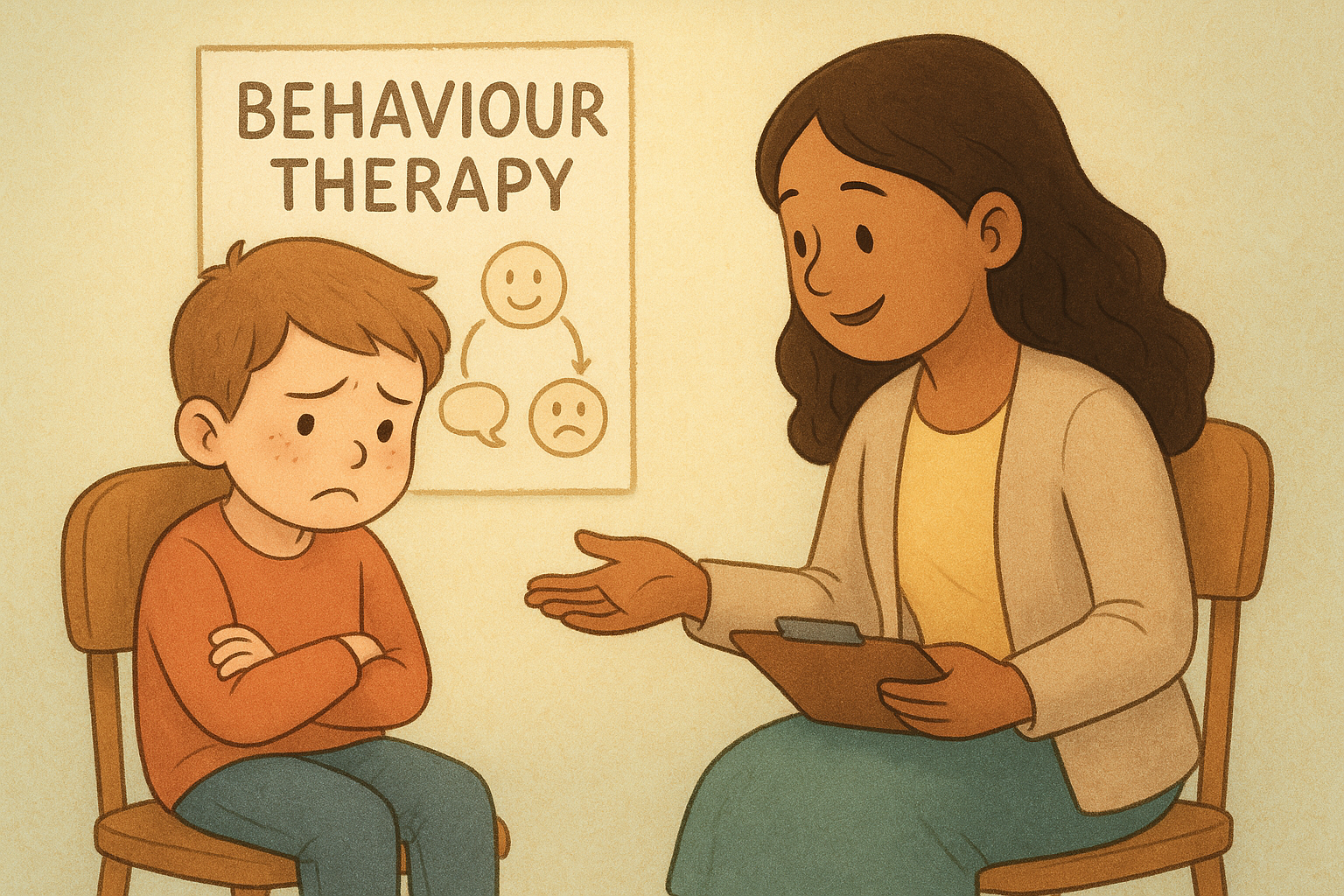
Behaviour therapy is a broad term for different therapies that treat mental health concerns. This form of therapy is built on the idea that all behaviour is learned and, therefore, can be changed. The goal of behaviour therapy is to identify and help modify potentially unhealthy or self-destructive behaviour. Treatment often focuses on your current problems and how you can develop healthier habits to overcome them, leading to a better and more fulfilling life.
Key Highlights
-
Positive behaviour support (PBS) is a framework that uses principles of behavioural therapy to improve a person's quality of life.
-
It focuses on understanding the reasons behind behaviours and teaching new, positive skills.
-
Key techniques are drawn from approaches like cognitive behavioural therapy and operant conditioning. PBS helps individuals develop better social skills for various situations. This therapy aims to replace potentially harmful behaviours with constructive ones. To find a qualified behaviour therapist, start by looking for professionals who specialize in behavioural therapy methods, such as cognitive behavioural therapy and operant conditioning. Check their credentials, certifications, and experience with improving social skills or working with your specific needs. You can also ask for recommendations from doctors, schools, or local mental health organizations.
-
PBS helps individuals develop better social skills for various situations.
-
This therapy aims to replace potentially harmful behaviours with constructive ones.
-
The ultimate goal is to promote lasting positive change and well-being.
Defining Positive Behaviour Support (PBS) and Its Foundations
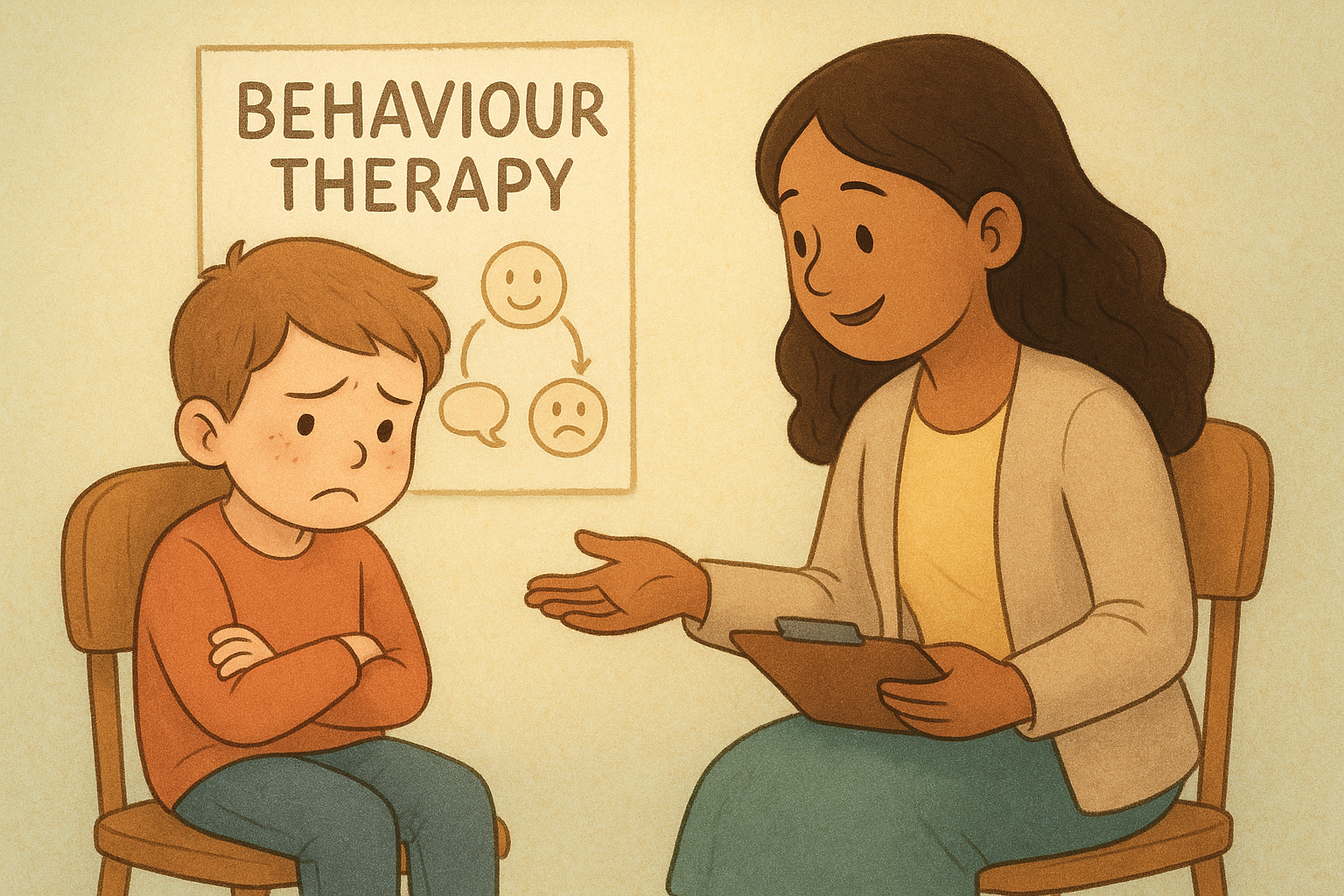
Positive behaviour support, or PBS, is an approach grounded in the principles of behaviour therapy and applied behaviour analysis. It's designed to help you understand why certain behaviour occurs and find constructive ways to bring about positive change. The focus is always on improving your quality of life rather than just controlling behaviour. While behaviour therapy and PBS are generally considered safe and effective, some individuals may experience temporary discomfort, frustration, or emotional ups and downs as they work through different strategies and make changes. It’s important to work with a qualified professional to minimize risks and ensure the approach is appropriately tailored to individual needs.
This framework also draws from social learning theory, which suggests that people can learn new behaviours by observing others. PBS combines these ideas to create a supportive environment where you can learn and practice new skills that align with your personal goals.
What Is Positive Behaviour Support?
At its core, positive behaviour support is a set of interventions designed to help you replace maladaptive behaviour with healthier, more adaptive ones. It is not about punishment or simply stopping a behaviour. Instead, it’s about understanding the function or purpose behind an action and then teaching a new, more appropriate skill that serves the same function.
This approach is highly effective for a range of mental health disorders where certain behaviours can be self-defeating. Through a process of behaviour analysis, a therapist helps identify the triggers and outcomes that maintain these challenging behaviours. This deep understanding is the first step toward creating a meaningful and lasting change.
Ultimately, the goal of positive behaviour support is to empower you. It provides the tools and strategies needed to achieve your goals and enhance your overall well-being by transforming your actions to better align with the life you want to live.
Principles of Behaviour Therapy Behind PBS
The foundations of Positive Behaviour Support are firmly rooted in the science of behavioural therapy. Many of the strategies used come from proven principles of learning that have been studied for decades. These principles help explain how behaviours are formed and how they can be changed over time.
Two of the most influential concepts are classical conditioning and operant conditioning. Classical conditioning involves learning through association, like when a specific sound or place triggers an emotional response. Operant conditioning, on the other hand, focuses on how consequences—like rewards or a lack of response—influence whether a behaviour is repeated.
PBS heavily relies on these ideas to encourage positive change. Some of the key principles you'll see in a PBS plan include:
-
Using positive reinforcement to reward and strengthen desired behaviours.
-
Teaching new skills that can replace challenging ones.
-
Gradually extinguishing unwanted behaviours by changing the response to them.
Key Elements of Behaviour Therapy
Behavioural therapy is a dynamic field that encompasses various techniques and elements to address a wide range of mental disorders. A central component is understanding the patterns that drive behaviour. This involves looking at what happens before, during, and after a specific action to see what reinforces it.
This approach often integrates with other forms of therapy, such as cognitive therapy, which focuses on thought patterns. By understanding these key elements, therapists can create a tailored plan to help you learn healthier ways of coping and interacting with the world. The following sections explore some of these fundamental components in more detail.
How Behaviour Therapy Works in Practice
In a practical sense, behaviour therapy uses specific, actionable techniques to help you change your behaviour. After a thorough behaviour analysis identifies the patterns at play, a therapist will work with you to implement strategies tailored to your goals. These methods are designed to be hands-on and focused on real-world applications.
One common technique is exposure therapy, which is highly effective for phobias and anxiety. It involves gradually and safely exposing you to the things you fear until the fear response diminishes. This is often done through a process called systematic desensitization, where you learn relaxation techniques to manage your anxiety during exposure.
These therapies are built on principles like operant conditioning to produce change. Research shows these methods are very effective, with some studies indicating that about 75% of people who try cognitive behavioural therapy experience benefits. Some common techniques include:
-
Systematic desensitization to treat phobias.
-
Aversion therapy to associate unhealthy behaviour with unpleasant stimuli.
-
Rewarding adaptive behaviours to reinforce positive change.
Major Approaches Within Behaviour Therapy
Behavioural therapy isn't a single, one-size-fits-all approach. It's an umbrella term that includes many different types of behavioural therapy, each with a unique focus and methodology. These therapies have evolved to address a wide variety of human experiences and challenges.
Some of the most well-known approaches include cognitive behavioural therapy (CBT), which examines the link between thoughts and actions, and dialectical behaviour therapy (DBT), which focuses on emotional regulation and mindfulness. Another is acceptance and commitment therapy (ACT), which helps you accept difficult feelings while committing to actions aligned with your values.
Each approach offers a different lens through which to view and modify behaviour. The choice of therapy often depends on your specific needs and goals.
|
Therapy Approach |
Core Focus |
|---|---|
|
Cognitive Behavioural Therapy (CBT) |
Changing negative thought patterns that influence behaviour and emotions. |
|
Dialectical Behaviour Therapy (DBT) |
Emotional regulation, distress tolerance, and interpersonal skills, especially for intense emotional experiences. |
|
Acceptance and Commitment Therapy (ACT) |
Using mindfulness and acceptance to increase psychological flexibility and commit to value-driven actions. |
Types of Behaviour Therapies Used in PBS
Positive Behaviour Support doesn't just rely on one single method. Instead, it pulls from various types of therapy to create a comprehensive and flexible plan. This allows practitioners to tailor their approach to your unique needs and circumstances, making the support more effective for different mental health conditions.
One of the most prominent approaches used within PBS is cognitive behavioural therapy (CBT). Because CBT directly addresses the interplay between thoughts, feelings, and behaviours, it aligns perfectly with the goals of PBS. The following sections will explore how CBT and other targeted therapies are integrated into a PBS framework.
Social Skills Training in PBS
A major component of many Positive Behaviour Support plans is social skills training. This type of intervention is designed to teach you the behaviours and norms needed to interact effectively and appropriately in various social situations. It's particularly helpful if you experience social anxiety or find it difficult to build relationships.
The training is based on the principles of social learning, which suggest that you can learn new skills by observing, practicing, and receiving feedback. A therapist might use role-playing, modeling, and direct instruction to help you build confidence in your interactions with others. The goal is to make social engagement feel less intimidating and more rewarding.
Social skills training can cover a wide range of abilities, helping you feel more comfortable and connected in your daily life. Common areas of focus include:
-
Learning how to start and maintain conversations.
-
Understanding non-verbal cues like body language and facial expressions.
-
Practicing how to handle disagreements constructively.
Implementation of Positive Behaviour Support
Putting Positive Behaviour Support into action is a thoughtful and structured process. It goes beyond simply reacting to challenging behaviours and instead involves creating a proactive and personalized support plan. This plan serves as a roadmap, guiding everyone involved toward the common goal of improving an individual’s mental health and well-being.
Developing an effective plan requires a collaborative effort from you, your family, and any professionals involved. The next sections will detail the steps for creating a plan, the important roles each person plays, and how to keep the support relevant and effective over time.
Steps to Develop an Effective PBS Plan
Creating a successful PBS plan involves a series of clear, deliberate steps. The process begins with a comprehensive behavioural analysis to understand the "why" behind a behaviour. This assessment looks at triggers, the behaviour itself, and the consequences to determine its function or purpose for the individual.
Once the function is understood, the team collaborates to set achievable goals. The focus is not on stopping a behaviour but on teaching new skills that serve the same purpose more positively. This is where the principles of behaviour therapy, especially positive reinforcement, come into play. Rewarding the use of new skills makes them more likely to be used again.
The plan is a living document that outlines specific strategies and supports. Key steps in its development include:
-
Conducting a functional behavioural assessment to gather information.
-
Defining clear, positive, and measurable behavioural goals.
-
Choosing evidence-based strategies to teach new skills and reinforce positive behaviours.
Collaborative Roles: Families, Schools, and Practitioners
Positive Behaviour Support is most successful when it's a team effort. The collaborative roles of families, schools, and practitioners are essential for creating consistent and meaningful change. Each person brings a unique perspective and contributes to a holistic support system that surrounds the individual.
Families are often the most important partners in the process. Parents and caregivers provide invaluable insight into a person’s history, strengths, and daily challenges. Their involvement ensures that the strategies used in therapy are reinforced at home, which is critical for improving mental health and an overall quality of life.
Practitioners like therapists, teachers, and social workers bring professional expertise to the team. They guide the assessment process, develop the support plan, and provide direct training. When everyone, including members of the local community, works together, the individual is surrounded by a network of support that promotes positive growth in all areas of life.
Monitoring and Adapting Support Over Time
An effective PBS plan is not set in stone. As an individual grows and their circumstances change, the support they need will evolve too. Consistent monitoring and adaptation are crucial to ensure the plan remains effective and continues to promote positive mental health outcomes.
The process of monitoring involves systematically collecting information to see if the plan is working. This might include tracking the frequency of certain behaviours or noting how often new skills are being used. This data helps the team make informed decisions about what's working and what needs to be adjusted in the behaviour therapy approach.
Regularly reviewing the plan ensures it stays relevant and continues to improve the individual's quality of life. Health services may be consulted to provide additional resources or expertise. Key aspects of this ongoing process include:
-
Setting regular check-in meetings to review progress.
-
Using simple data collection methods to track changes.
-
Being flexible and willing to modify the plan based on new information.
Conclusion
In summary, Positive Behaviour Support (PBS) is a holistic approach that emphasizes the importance of understanding and addressing behaviours in a constructive way. By focusing on the foundations of behaviour therapy, key elements, and effective implementation strategies, PBS provides a framework for creating supportive environments that promote positive outcomes. It encourages collaboration among families, schools, and practitioners, ensuring that everyone involved plays a part in fostering a nurturing atmosphere. As we navigate through the complexities of behaviour, remember that a tailored PBS plan can lead to lasting positive change.
If you’d like to learn more about implementing PBS in your setting, book your consultation now or call us at 02 9133 2500.
Frequently Asked Questions
What is Positive Behaviour Support (PBS) and how does it work?
Positive behaviour support is a framework based on behaviour therapy that seeks to improve quality of life and mental health. It works by identifying the reasons for challenging behaviour and teaching positive alternatives. With the help of social workers and other professionals, it creates a plan to build new, helpful skills.
How can Positive Behaviour Support be implemented in schools or educational settings?
In schools, positive behaviour support is implemented through school-wide expectations, targeted social skills training, and individual behavioural therapy plans. This tiered approach helps improve student mental health, reduces disruptive behaviour, and fosters a more positive and supportive learning environment for all students.
What role do parents play in the Positive Behaviour Support process?
In positive behaviour support, parents play one of the most vital collaborative roles. They work closely with therapists and social work professionals to apply strategies learned in behaviour therapy at home. This partnership between families and practitioners ensures consistency and reinforces positive changes across all environments.
.svg)




.svg)