
.png?width=48&height=48&name=Group%201%20(3).png)























28 January, 2026

Apraxia of Speech Explained: A Comprehensive Guide

Introduction
Have you ever known exactly what you want to say, but the words just won't come out correctly? This is the central challenge for individuals with apraxia of speech. It is a neurological condition that disrupts the brain's ability to coordinate the muscle movements necessary for clear speech. When this condition is present from birth, it is often called developmental apraxia. Understanding this disorder is the first step toward finding effective support for improving a child’s speech and communication.
Key Highlights
-
Apraxia of speech is a motor speech disorder that affects the brain's ability to plan and sequence the movements needed for speech production.
-
Childhood apraxia of speech is present from birth, while acquired apraxia can occur at any age due to a stroke or brain injury.
-
The condition is not caused by muscle weakness but by a disruption in the brain pathways that control speaking.
-
Diagnosis is made by a speech-language pathologist through observation and specific speech tasks.
-
Intensive, one-on-one speech therapy is the primary treatment to help improve an individual's communication skills.
Understanding Apraxia of Speech
Apraxia of speech is a motor planning disorder that affects the brain’s ability to coordinate movements needed for speech. While a person knows what they want to say, they cannot consistently sequence the jaw, tongue, and lips to produce correct sounds. Unlike other speech disorders, apraxia does not involve muscle weakness.
Also called verbal dyspraxia, this condition creates a disconnect between intention and speech production. Someone with apraxia may say a word correctly once but struggle with it moments later. The next sections will explain how apraxia differs from other disorders and highlight its features in children and adults.
What is Apraxia of Speech and How Does It Differ from Stuttering, Speech Delay, and Cluttering?
Apraxia of speech is a motor speech disorder that makes it hard to plan the movements needed for speaking. The person knows what they want to say, but their brain cannot coordinate the muscle movements to form words correctly and consistently. This differs from other speech disorders.
Key differences:
-
Apraxia of Speech: Difficulty planning and sequencing speech movements; not caused by muscle weakness.
-
Speech Delay: Slower progression along typical speech development milestones.
-
Dysarthria: Caused by muscle weakness or paralysis affecting speech.
Key Features of Childhood and Adult Apraxia of Speech
Apraxia of speech presents differently depending on when it begins. Childhood apraxia of speech (CAS), also called developmental apraxia of speech, is present from birth. Its causes are not fully understood but may involve genetic factors. In contrast, acquired apraxia of speech appears later in life, typically in adults, due to damage to the parts of the brain that control speech, such as from a stroke, tumor, or head injury.
While both types share core difficulties with speech planning, their origins and onset are distinct. The symptoms of childhood apraxia of speech often become noticeable as a child learns to talk, with inconsistent sound errors and difficulty with longer words. Acquired apraxia involves the loss of a previously held ability to speak clearly.
|
Feature |
Childhood Apraxia of Speech (CAS) |
Acquired Apraxia of Speech (AOS) |
|---|---|---|
|
Onset |
Present from birth; noticed during language development. |
Can occur at any age, but most common in adults. |
|
Cause |
Not well understood; may have genetic links. |
Caused by brain damage from a stroke, head injury, tumor, or other illness. |
|
Nature |
A developmental disorder affecting the ability to learn speech motor plans. |
A loss or impairment of existing speech abilities. |
Diagnosis of Apraxia of Speech
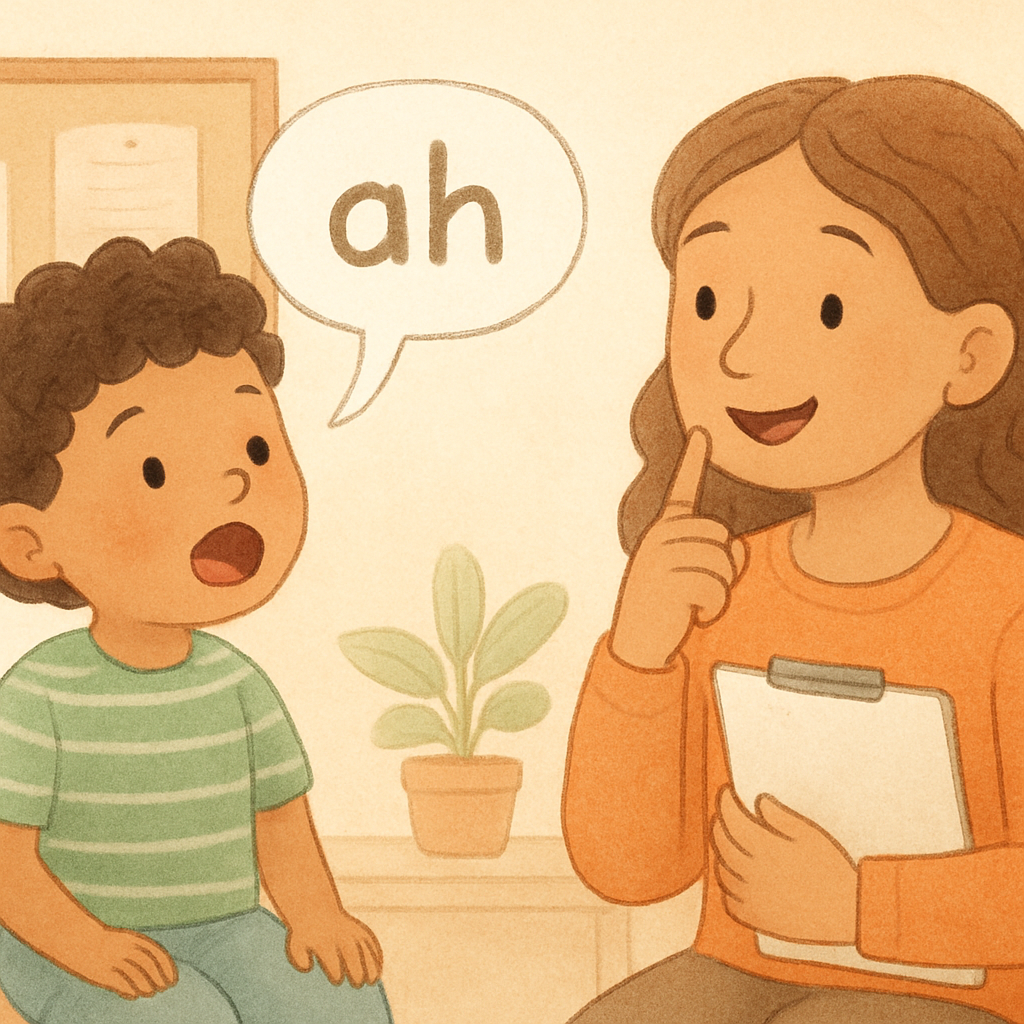
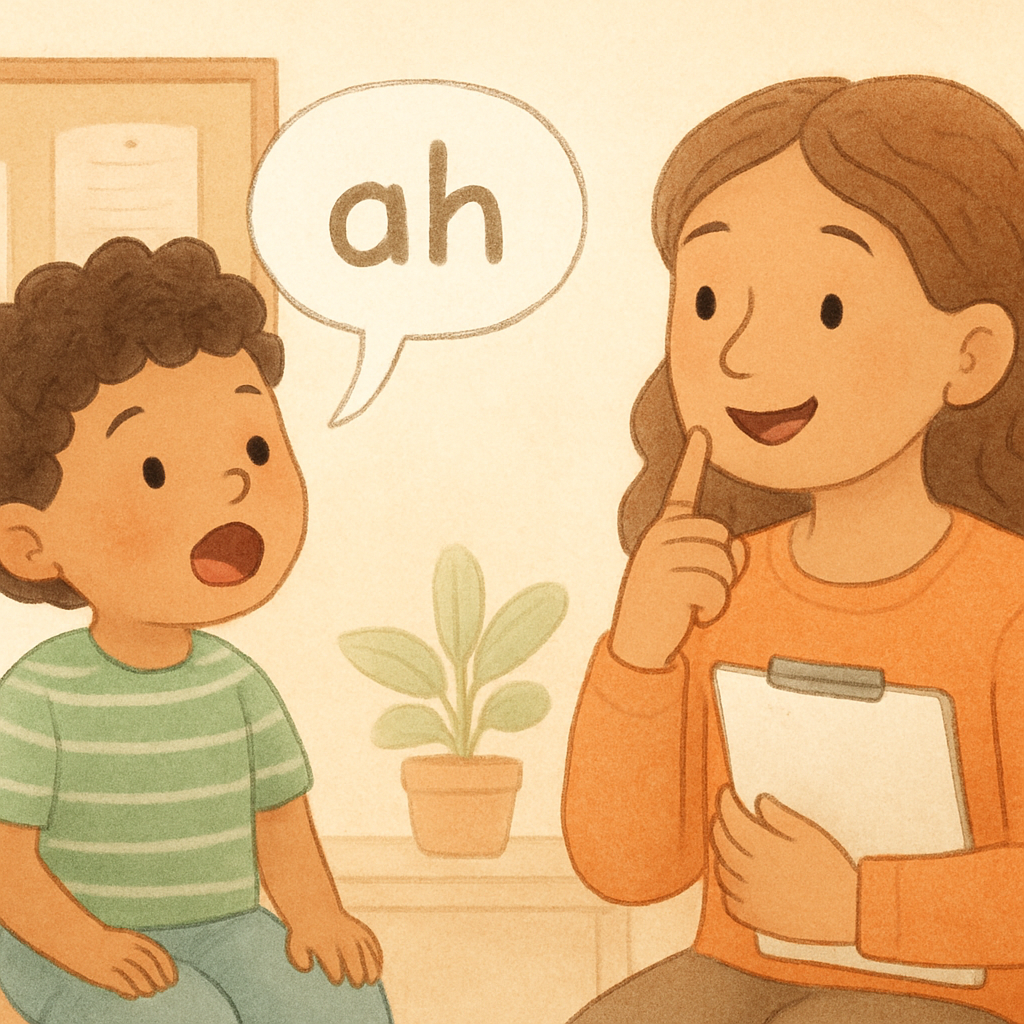
Getting a correct diagnosis is a critical step in managing apraxia of speech. A speech-language pathologist (SLP) plays the lead role in the diagnosis of CAS. There isn't one single test for apraxia; instead, the SLP looks for a pattern of symptoms. The professional will assess a child's hearing and oral-motor skills to rule out other potential causes.
The diagnostic process involves observing the individual's speech and performing specific tasks. In cases of acquired apraxia, imaging of parts of the brain may help identify the source of the damage. Let's look closer at how professionals conduct these assessments and differentiate apraxia from other conditions.
Professional Assessment and Diagnostic Process in Australia
In Australia, experienced speech pathologists diagnose apraxia of speech. Resources like Speech Pathology Australia’s practice portal offer guidance for families and professionals. Diagnosis starts with a thorough assessment to distinguish apraxia from other conditions.
Speech pathologists use talking tests, ask children to repeat words and sounds, and observe mouth movements and communication skills. The Royal Children’s Hospital Melbourne recommends seeing specialists with experience in apraxia. Before booking, ask about the pathologist’s qualifications to ensure your child gets expert care.
Differential Diagnosis: Identifying Apraxia Versus Other Speech Difficulties
A differential diagnosis is crucial to distinguish apraxia from similar conditions. Apraxia affects motor planning, so clinicians first rule out speech issues caused by muscle weakness (dysarthria) or paralysis. They also differentiate apraxia from language disorders like aphasia, which impact word comprehension and retrieval. In developmental verbal dyspraxia, the main problem is coordinating speech movements despite strong language understanding.
Key factors to rule out:
-
Muscle weakness or paralysis
-
Language comprehension problems (aphasia)
-
Typical but slow developmental speech delays
Conclusion
In conclusion, understanding apraxia of speech is essential for both individuals and families affected by this condition. By recognizing the key features, diagnostic processes, and therapeutic approaches, you can make informed decisions that significantly impact communication skills. Awareness and knowledge empower individuals to seek appropriate interventions and support, fostering a more confident pathway toward effective speech.
If you’re looking for tailored strategies or have specific questions regarding therapy approaches, don’t hesitate to reach out for a consultation or call daar at 02 9133 2500.
Frequently Asked Questions
Can Apraxia of Speech be Cured or Treated Effectively?
There is no cure for apraxia of speech, but it can be treated effectively. The best way to improve is through intensive, frequent speech therapy. Treatment focuses on improving motor skills to achieve functional communication. In some severe cases, alternative communication methods may be used to support speech.
What Therapy Approaches Work Best for Apraxia of Speech?
Intensive speech-language therapy is the most effective approach. This often involves one-on-one sessions that focus on repetitive practice of speech motor movements. Techniques like Dynamic Temporal and Tactile Cuing (DTTC) are used in early childhood, while other methods may include sign language or referencing the practice portal’s childhood apraxia of speech page for guidance.
How is Apraxia of Speech Different from Stuttering, Speech Delay, and Cluttering?
Apraxia of speech is different from other speech disorders because it is a problem with motor planning, not muscle weakness or rhythm. It affects the child’s ability to sequence the order of sounds in words. This can be seen in their facial expressions as they appear to grope for the right mouth position.
.svg)




.svg)