
.png?width=48&height=48&name=Group%201%20(3).png)























27 January, 2026

Understanding Stuttering Disorder Diagnosis: Key Insights
Introduction
Stuttering is a speech disorder that affects millions of young people, disrupting the natural rhythm of how they talk. It can create challenges in communication and impact a person’s confidence and relationships. Understanding how this condition is diagnosed is the first step toward finding effective support and treatment. This guide provides key insights into the diagnosis of stuttering and other related communication disorders, helping you navigate the path to improved speech fluency and more confident communication.
Key Highlights
-
Stuttering is a speech disorder that disrupts the normal flow and rhythm of speech, also known as a fluency disorder.
-
Diagnosis is performed by a speech-language pathologist through an overall assessment of the speaker's symptoms and history.
-
The most common type is developmental stuttering, which appears in early childhood as language skills are forming.
-
While there is no cure, speech therapy is a highly effective treatment that can improve speech fluency and confidence.
-
Early diagnosis and intervention are key to helping individuals manage the condition and improve their quality of life.
Overview of Stuttering Disorder Diagnosis
A stuttering diagnosis is typically made by a speech-language pathologist. They will listen for the key symptoms of the fluency disorder and review the individual's health history, as outlined in the statistical manual of mental disorders. The assessment helps determine the type of stuttering, such as developmental stuttering that starts in childhood or acquired stuttering, which can result from a brain injury.
This evaluation is crucial because stuttering can be part of broader communication disorders. A thorough diagnosis considers the physical speech disruptions and their emotional impact in various social situations. Let's explore the specifics of what stuttering is and how it's identified.
What Is Stuttering?
Stuttering is a speech disorder that impacts the normal flow of speech. If you stutter, you know what you want to say but have trouble producing the words smoothly. This results in disruptions like repeated sounds or syllables, holding onto sounds for too long, or complete blocks where no sound comes out. These interruptions can be accompanied by physical tension or struggle.
This condition is the most common form of developmental stuttering, usually appearing in young children as their language abilities are growing. It can make achieving fluent speech a daily challenge. Stuttering, influenced by various genetic factors, is not just a habit; it is a complex communication disorder with neurological roots.
Understanding stuttering involves recognizing that it's more than just a surface-level speech issue. It affects how a person interacts with the world and can influence their social and emotional well-being, including conditions like social anxiety disorder. The goal of diagnosis is to understand the complete picture of how it affects a person's speech fluency and life.
Key Speech Disorders: Stuttering, Cluttering, Dysarthria, Apraxia of Speech
While stuttering is a well-known speech disorder, it's important to distinguish the severity of stuttering from others like cluttering, dysarthria, and apraxia of speech. Each condition affects speech fluency in a unique way, and a correct diagnosis is essential for effective treatment. Stuttering is primarily a disorder of speech rhythm, while others stem from different issues.
A speech-language pathologist can help differentiate these conditions. For example, organizations like the Stuttering Foundation provide resources to understand these differences better. Recognizing the specific nature of the treatment for a speech disorder ensures that the therapy approach is tailored to the individual's needs.
Here is a brief comparison of these key speech disorders:
|
Disorder |
Primary Characteristic |
|---|---|
|
Stuttering |
Disruptions in the flow of speech (repetitions, prolongations, blocks). |
|
Cluttering |
A rapid or irregular rate of speech that can be difficult to understand. |
|
Dysarthria |
Slurred or slow speech caused by muscle weakness. |
|
Apraxia of Speech |
Difficulty with the motor planning required to form speech sounds. |
Signs and Symptoms of Stuttering
The signs of stuttering go beyond simple repetitions. It is characterized by a range of symptoms of stuttering that affect speech. You might notice a prolongation of sounds, where a person holds a sound for an extended time, or blocks, where they are unable to produce a word at all. This speech disfluency is often accompanied by physical tension.
In addition to these core symptoms, many people who stutter also develop secondary behaviors, which can include negative feelings like blinking, clenching fists, or facial grimacing. Next, we will cover these common patterns and behaviors in more detail.
Common Speech Patterns and Disfluencies
When diagnosing stuttering, professionals look for specific speech disfluencies that disrupt normal speech flow—more than common fillers like "um" or "ah." These patterns often involve visible effort or tension, and an expert opinion can aid in understanding the severity. Recognizing these signs can signal when a speech evaluation is needed.
Key diagnostic patterns include:
-
Sound or syllable repetition: Repeating parts of words, such as "li-li-like this."
-
Sound prolongation: Drawing out sounds, like "sssssssee me."
-
Mid-word pauses: Unusual pauses within words.
-
Blocking: Silent or audible pauses where speech seems stuck.
At least one of these must be present for a diagnosis. Identifying these disruptions is essential to the evaluation process.
Behavioral and Emotional Indicators
Stuttering affects more than speech; it also impacts emotions and behavior. People who stutter often develop physical responses, such as blinking, looking away, or clenching fists—known as "overflow" spasms.
Emotionally, stuttering can cause frustration, embarrassment, and shame, especially in social settings. These feelings may lead to social anxiety.
Common signs include:
-
Avoidance behaviors: Switching words or avoiding speaking situations.
-
Physical tension: Noticeable stress in the face, neck, or shoulders while speaking.
-
Speaking anxiety: Feeling stressed or anxious before or during conversations.
Differences Between Typical Speech Delay and Stuttering
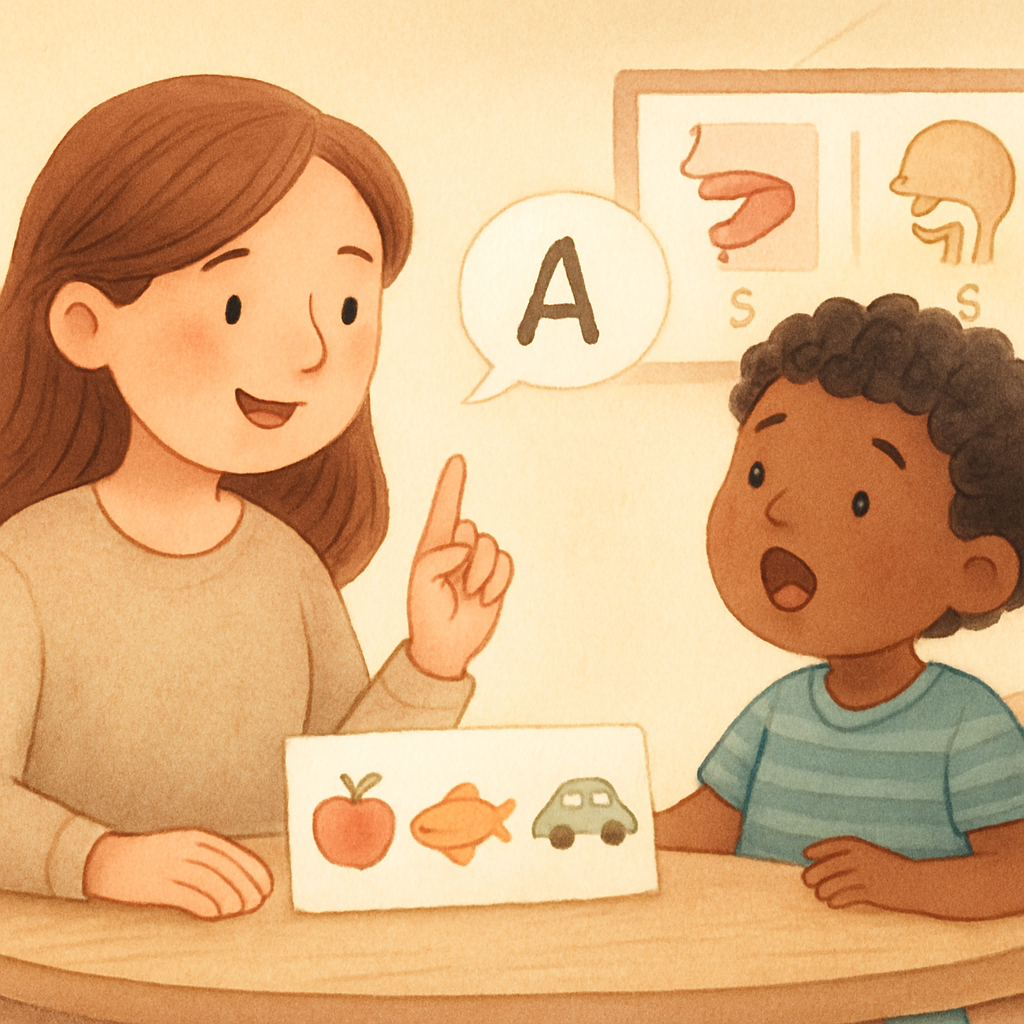
Many young preschool children experience disfluency as a normal part of speech development, often repeating words or phrases. This differs from stuttering, which involves physical tension and struggle behaviors.
Children with typical speech delays may repeat whole words, such as "I-I want a cookie," while those who stutter tend to repeat sounds or syllables, get stuck on words, or show visible effort when speaking.
If you're concerned about your child's speech, consult a speech-language pathologist. They can assess whether your child's disfluencies are typical or indicate a speech disorder by evaluating the frequency and type of disruptions.
Distinguishing Stuttering from Other Speech Disorders
It is vital to distinguish stuttering from other communication issues. While it is a fluency disorder, conditions like cluttering, dysarthria, and apraxia of speech also affect how a person talks. Getting the diagnosis right, as emphasized by the American Psychiatric Association, is the most important part of finding the best treatment. A speech-language pathologist is trained to identify the unique features of each speech disorder.
Understanding these distinctions helps clarify the specific challenges a person faces. The following sections will compare stuttering directly with cluttering, dysarthria, and apraxia of speech.
Stuttering vs. Cluttering
Stuttering and cluttering are both fluency disorders, but they differ significantly. Stuttering involves interruptions in speech, such as repetitions, prolongations, and blocks; speakers usually know what they want to say and are aware of their disfluencies. Cluttering, which can benefit from techniques like easy onset of the voice, is marked by rapid or irregular speech that sounds disorganized, and individuals often don't notice their speech issues.
While both disrupt speech flow, stuttering centers on struggle and interruption. A speech-language pathologist can assess whether someone has stuttering, cluttering, or both. Accurate diagnosis is important because each disorder requires different treatment.
Stuttering vs. Dysarthria
Dysarthria is a motor speech disorder stemming from weakness or impaired control of the muscles used for speaking. This often results in slurred, slow, or mumbled speech that may be difficult to understand. Causes of dysarthria include neurological injuries or conditions such as stroke, traumatic brain injury, Parkinson's disease, multiple sclerosis, neurodevelopmental disorders, or cerebral palsy. These disorders disrupt the signals between the brain and the muscles responsible for articulation—such as those in the lips, tongue, vocal cords, and diaphragm—which leads to reduced precision and coordination during speech.
On the other hand, stuttering is a fluency disorder characterized by involuntary repetitions (such as “b-b-boy”), prolongations (stretching out sounds), or blocks (pauses) in speech. Unlike dysarthria, stuttering does not arise from muscle weakness but rather from difficulties with timing and coordination in the brain’s speech centers. Individuals who stutter may experience tension or struggle when trying to speak, but their muscle strength remains intact. While psychogenic stuttering is considered rare, it is important to recognize the various origins of stuttering.
Because dysarthria and stuttering have distinct underlying causes—motor impairment versus neural coordination—their treatments are also different. Management of dysarthria often involves working with a speech-language pathologist on exercises to strengthen oral muscles, improve breath support and articulation, and develop compensatory strategies such as slower speech rates or using augmentative communication devices if needed. Treatment may also address swallowing difficulties if present.
Stuttering therapy focuses more on behavioral techniques that target speech fluency and mental health aspects of communication. Techniques might include controlled breathing exercises, practicing smooth speech patterns (fluency shaping), desensitization to speaking situations (cognitive-behavioral therapy), and strategies to reduce anxiety or negative emotions associated with speaking.
Accurate diagnosis by a healthcare professional is essential because an incorrect assessment could lead to ineffective interventions. Comprehensive evaluation typically involves medical history review, neurological assessment, observation of speech behaviors, and sometimes imaging studies, which may include external links to relevant resources for deeper insights.
In summary, while both dysarthria and stuttering can affect someone’s ability to communicate clearly, their origins and treatments differ significantly. Understanding these differences helps ensure individuals receive appropriate therapy tailored to their specific needs for improving speech clarity and confidence.
Stuttering vs. Apraxia of Speech
Apraxia of speech is a motor planning disorder where the brain struggles to coordinate muscle movements for speaking. People with apraxia know what they want to say, but their brains have trouble sending the right signals to the speech muscles, leading to inconsistent sound errors and trouble sequencing sounds.
Stuttering is a fluency disorder that affects the rhythm and flow of speech, not motor planning. Both are neurological, but apraxia involves programming mouth movements, while stuttering affects timing and coordination.
Distinguishing between these conditions is essential for diagnosis. A speech-language pathologist evaluates error types and patterns to determine if the issue is motor planning (apraxia) or fluency (stuttering).
When and How Stuttering Is Identified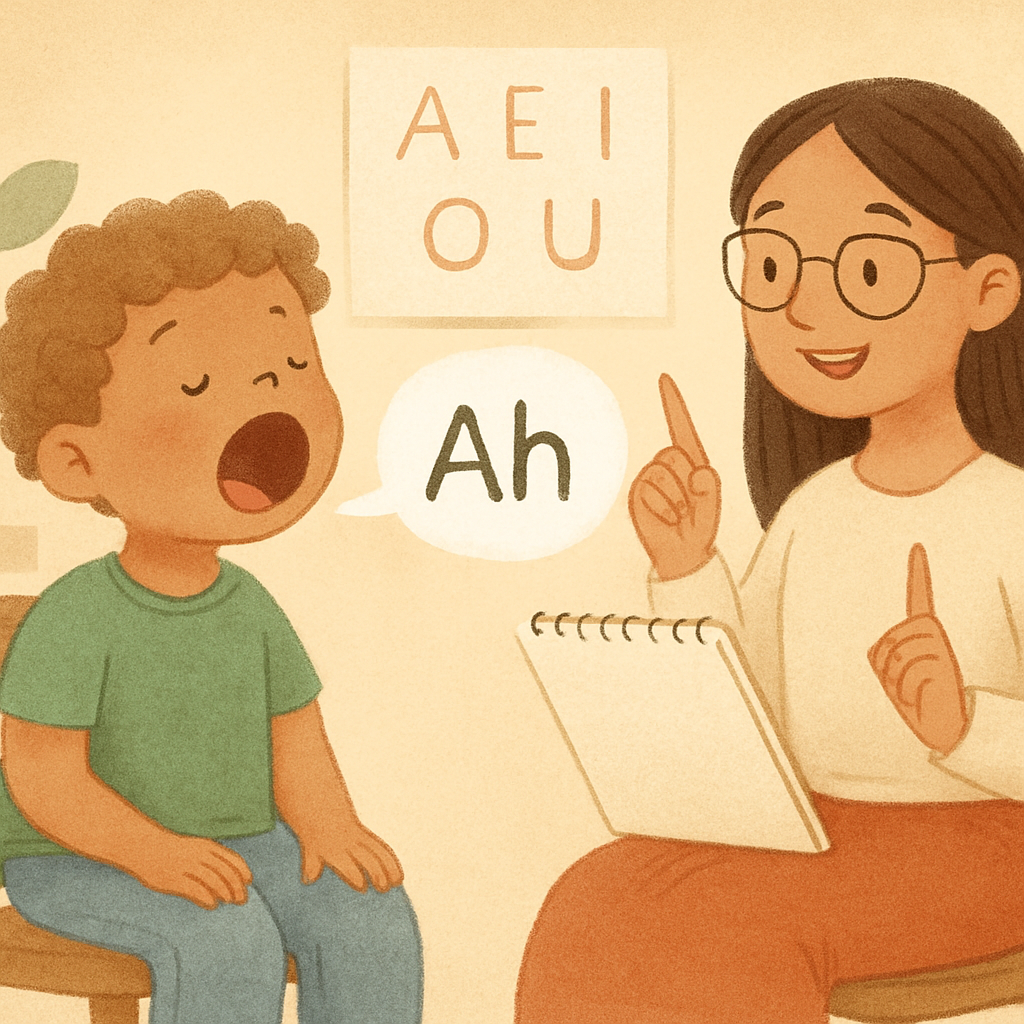
Stuttering is usually identified in early childhood, most often between ages 2 and 6, when language develops rapidly. A speech-language pathologist diagnoses stuttering through a thorough assessment, including observation, history-taking, and evaluating its impact on daily life, as well as potential language problems.
Early recognition is key for effective intervention. The following sections outline typical ages of onset and warning signs to watch for in children and adults.
Age Ranges: Early Childhood Through Adulthood
Developmental stuttering typically begins in early childhood, often by age three and continues up to 7 years of age, with 95% of cases starting before age four. Many children outgrow stuttering, but for some, it persists. A family history increases the risk. Persistent stuttering continues into adulthood, though rarely, it can first appear in adults—often due to brain injury. Recognizing these patterns helps parents and professionals know when to seek evaluation and what to expect.
Recognizing Early Warning Signs in Children
Parents and teachers are often the first to notice signs of stuttering in a child. During the preschool years, it's important to pay attention to a child’s speech patterns. While some disfluency is normal, certain signs may indicate a need for an evaluation by a speech-language pathologist and a specific type of treatment. Early recognition can lead to timely support.
One of the most important things to watch for is how long the stuttering has been present. If a child has been stuttering for three to six months or more, considering the number of boys with similar stuttering duration, it is a good idea to seek a professional opinion.
Other warning signs include:
-
Struggle behaviors: The child shows physical tension, such as facial grimacing or eye blinking, when trying to speak.
-
Family history of stuttering: There is a history of stuttering or other language disorders in the family.
-
Emotional reactions: The child seems frustrated or embarrassed about their speech.
Identifying Stuttering in Adults
While often seen as a childhood condition, stuttering can also affect adults. Many adults have persistent stuttering from childhood, often facing speech challenges and social anxiety for years.
Stuttering can also begin in adulthood—called acquired or neurogenic stuttering—usually after a stroke, brain injury, or other neurological event. Sudden adult-onset stuttering should be evaluated by a doctor to rule out serious causes.
Both types of adult stuttering are treatable. Speech-language pathologists can help adults manage their speech and improve confidence.
The Importance of Early Diagnosis
Receiving an early diagnosis for stuttering can make a significant difference in a person’s life. It opens the door to effective treatments, including cognitive behavioral therapy, and support, which can greatly improve their quality of life. For children, early intervention can prevent stuttering from becoming a lifelong issue. For people of all ages, it helps build confidence and reduce the anxiety associated with speaking.
The following sections explore the specific benefits of early diagnosis and discuss some of the potential challenges in the diagnostic process.
How early diagnosis can benefit individuals with stuttering disorder
Early diagnosis is key to managing stuttering effectively. Identifying stuttering in children allows for timely speech therapy, which can prevent it from becoming a long-term issue. Early intervention also equips children with strategies to improve fluency, enhance their social skills, and fosters positive attitudes toward communication.
For all ages, diagnosis opens access to treatment options. Speech therapy teaches techniques to manage stuttering, reduce tension, and build confidence—making social interactions less stressful and improving quality of life.
Ultimately, early diagnosis provides individuals and families with knowledge and resources, affirms that stuttering is a real medical condition, and encourages supportive care.
Potential challenges in diagnosing stuttering disorder
Diagnosing stuttering can be challenging due to its variability—someone may stutter one day and speak fluently the next, making single assessments unreliable. Professionals must conduct a systematic review of symptoms over time, especially in young children, to distinguish between developmental disfluencies and persistent stuttering.
Key diagnostic challenges include:
-
Variability: Stuttering changes with situations, emotions, and other factors.
-
Hidden behaviors: Some people hide their stutter by avoiding certain words or circumstances, making it harder to assess.
Without a clear professional diagnosis, navigating support systems is difficult. Ongoing research aims to improve diagnostic methods for these complexities.
Conclusion
Understanding stuttering diagnosis is crucial for early intervention and effective support, especially in cases involving language delay. Identifying signs and distinguishing stuttering from other speech disorders can greatly improve communication outcomes. Early diagnosis helps address challenges and enables timely strategies to enhance fluency in both children and adults. Creating a supportive environment encourages individuals to seek help. If you suspect someone is struggling with stuttering, consult a specialist promptly. Proactive steps can boost confidence and communication skills.
For guidance, contact our experts for a consultation or call daar at 02 9133 2500.
Frequently Asked Questions
Can stuttering be diagnosed at any age, or is it only a childhood disorder?
Stuttering can be diagnosed at any age. While it most commonly appears in early childhood, it is possible for persistent stuttering to continue into adulthood. A fluency disorder can also be acquired later in life. Additional research shows that a thorough assessment of the speaker is necessary for diagnosis, regardless of age.
What steps should parents or teachers take if they suspect stuttering?
If you suspect a child is stuttering, the first step is to consult a speech therapist. In the meantime, create a relaxed environment, listen patiently, and focus on what the child is saying, not how they say it. Resources from organizations like the Stuttering Foundation can also provide helpful guidance, including information about support groups.
Who are the professionals or clinics specializing in stuttering diagnosis?
Speech-language pathologists (SLPs) are the professionals who specialize in diagnosing and treating stuttering. You can find qualified SLPs through organizations like the National Stuttering Association or by asking your doctor for a referral. Many speech therapy clinics offer specialized treatment options to help manage this speech disorder, particularly for individuals protected under the disabilities act.
.svg)




.svg)