
.png?width=48&height=48&name=Group%201%20(3).png)























28 January, 2026

Apraxia of Speech in Children: A Comprehensive Guide
Introduction
Do you worry that your child struggles to form words, even when they seem to know exactly what they want to say? You might be observing signs of childhood apraxia of speech, a motor-based condition that makes speaking a challenge. Unlike other common speech disorders, apraxia isn't something children simply outgrow. The good news is that with the right diagnosis and consistent speech therapy, your child can make significant progress in their communication journey.
Key Highlights
-
Childhood apraxia of speech (CAS) is a motor speech disorder where the brain has trouble coordinating the muscle movements needed for speech.
-
A child with CAS knows what they want to say, but the messages from the brain to the mouth get disrupted.
-
Symptoms include inconsistent pronunciation of words, difficulty with longer sentences, and groping for sounds with the mouth.
-
A speech-language pathologist diagnoses CAS through a professional evaluation, distinguishing it from other speech disorders.
-
Intensive, frequent speech therapy is the primary treatment and can significantly improve a child’s ability to communicate clearly.
Understanding Apraxia of Speech in Children
Childhood apraxia of speech, also called verbal dyspraxia, is a communication disorder affecting a child’s ability to speak. It involves motor planning problems, where the brain struggles to coordinate the muscle movements needed for clear and consistent speech. Although children with this condition understand language, their speech is affected.
The cause is often unknown but may be related to genetics or brain injury. Unlike adult apraxia—which usually results from stroke or trauma later in life—childhood apraxia appears earlier and is not acquired suddenly. Understanding this condition helps distinguish it from other speech disorders and better support your child.
Defining Childhood Apraxia of Speech
Childhood apraxia of speech (CAS) is a motor speech disorder present from birth. It’s caused by the brain’s difficulty planning jaw, lip, and tongue movements—not muscle weakness.
Key symptoms include inconsistent word pronunciation, distorted sounds, misplaced syllable stress, and choppy or robotic speech. Longer words are typically harder for children with CAS.
The cause is often unknown but may be linked to genetic disorders, syndromes, or brain injuries affecting speech planning. In CAS, messages from the brain don’t properly guide mouth movements.
How Apraxia Differs from Stuttering, Speech Delay, and Cluttering
It can be confusing to tell different speech disorders apart, as many share overlapping signs. However, understanding how apraxia of speech differs from conditions like speech delay, stuttering, or cluttering is essential for getting the right diagnosis and treatment for your child.
The core issue in apraxia is inconsistent errors in motor planning for speech. In contrast, a child with a speech delay follows the usual stages of language learning, just at a much slower rate. Stuttering is characterized by repetitions, prolongations, or blocks that disrupt the flow of speech, while cluttering involves speaking at a rapid and disorganized pace.
Here is a simple breakdown of these speech disorders:
|
Disorder |
Core Issue |
|---|---|
|
Apraxia of Speech |
The brain has difficulty planning and coordinating movements for speech. Errors are inconsistent. |
|
Speech Delay |
The child follows a typical speech development path, but at a slower pace than their peers. |
|
Stuttering |
Speech is interrupted by repetitions of sounds, syllables, or words, as well as blocks or prolongations. |
|
Cluttering |
Speech is often too fast, disorganized, and difficult for others to understand. |
Recognising Signs and Symptoms
Recognizing the symptoms of childhood apraxia of speech is the first step toward getting your child the help they need. These signs can create significant communication difficulties and may lead to other language problems if not addressed. The main symptoms revolve around your child's speech being inconsistent and effortful.
Common signs parents should look for include your child saying a word correctly once, then incorrectly the next time. You might also notice them "groping" with their mouth, trying to find the right position to make a sound. They may also distort speech sounds or have more trouble with longer, more complex words. Let's look more closely at the early indicators you can watch for and the common features of this condition in young children.
Early Indicators Parents Should Watch For
During early childhood, certain signs may suggest that very young children are at risk for future speech problems. While every child develops at their own pace, some indicators may point toward an underlying issue like apraxia.
Here are some common signs parents should look for in their child with possible apraxia of speech:
-
Limited cooing or babbling as an infant.
-
Saying their first words later than expected.
-
Having trouble with sucking, chewing, or swallowing.
-
Using only a few different consonant or vowel sounds.
-
Relying on gestures and non-word noises to communicate.
These early indicators of potential language disorders can impact a child’s ability to express their wants and needs. If you notice these signs, it is a good idea to speak with a healthcare professional to determine if an evaluation is needed.
Common Features of Apraxia in Young Children
As children with apraxia grow, their speech difficulties often become more obvious. The disorder results from the brain struggling to coordinate mouth movements needed for speech.
Key symptoms of childhood apraxia of speech include:
-
Saying the same word differently each time.
-
Visibly groping for sounds with their mouth.
-
More trouble with longer words and sentences than shorter ones.
-
Speech that sounds flat or choppy due to abnormal rhythm or tone.
These challenges can be frustrating and may affect language development and communication. Children know what they want to say but can’t express it clearly.
Diagnosis and Assessment of Apraxia
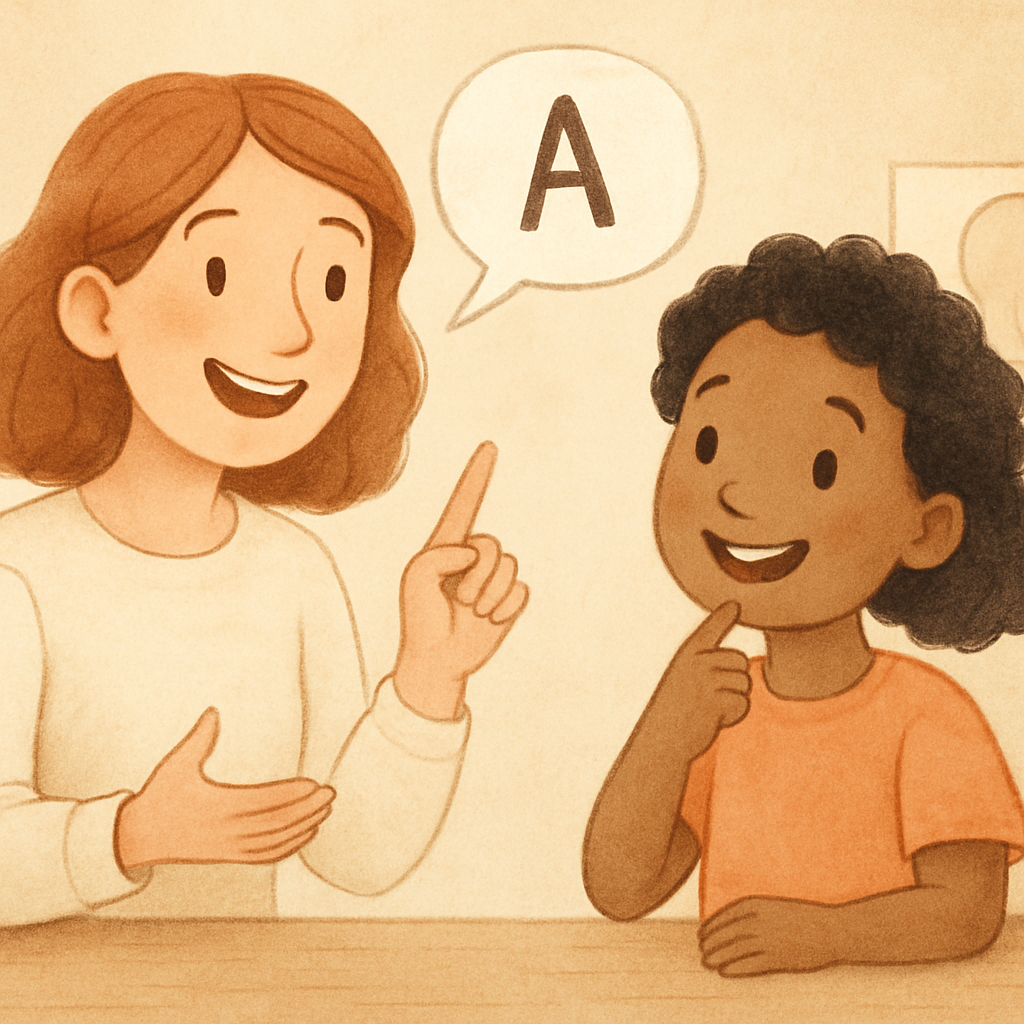
If you’re concerned about your child’s speech, seek a professional evaluation. Only a qualified speech-language pathologist (SLP) can diagnose CAS. Start by consulting your family doctor or a child health nurse for a referral.
An SLP will conduct a thorough assessment to determine if your child has apraxia, carefully ruling out other speech disorders with similar symptoms. This ensures your child receives the most effective therapy through targeted diagnosis and testing.
Professional Evaluation and Testing Procedures
Apraxia of speech is diagnosed by a speech pathologist using specialized tests to assess your child’s oral-motor skills, sound production, and speech melody. The SLP observes mouth movements for muscle weakness, asks your child to do nonspeech tasks like smiling or blowing, and listens to how they say sounds and words. They also check how well others understand your child’s speech.
Because diagnosing CAS can be complex, the SLP may need to observe your child over time. A hearing test is recommended to rule out hearing loss. This comprehensive evaluation confirms the diagnosis and guides a targeted therapy plan.
Distinguishing Apraxia from Other Speech Disorders
Differential diagnosis helps professionals distinguish developmental apraxia of speech from similar disorders. Unlike acquired apraxia, which occurs after adult brain injury, childhood apraxia is present from birth.
Key differences:
-
Dysarthria: Caused by weak speech muscles; apraxia involves motor planning, not muscle weakness.
-
Aphasia: Affects language comprehension and expression; apraxia mainly impacts speech production.
-
Phonological Disorder: Errors follow patterns; apraxia errors are inconsistent and unpredictable.
Accurate diagnosis is crucial, as apraxia treatment targets improving the brain’s ability to plan and coordinate speech movements.
Conclusion
In conclusion, understanding apraxia of speech in children is crucial for early intervention and support. By recognizing the signs and symptoms, parents can take proactive steps toward securing an accurate diagnosis and effective therapy for their child. It’s important to remember that while apraxia presents unique challenges, with the right tools and guidance, children can improve their communication skills significantly.
If you have concerns about your child's speech development or would like to explore effective therapeutic approaches, don’t hesitate to reach out for a consultation or call daar at 02 9133 2500 for professional help
Frequently Asked Questions
Can childhood apraxia of speech be cured or managed long-term?
There is no cure for childhood apraxia of speech, but it can be managed effectively. Through ongoing, intensive speech therapy, a child's ability to communicate can improve dramatically. Even in severe cases, treatment helps manage speech problems long-term, leading to more functional communication and reducing frustration.
What therapy approaches are most effective for childhood apraxia of speech?
Effective speech language therapy is frequent and intensive. A speech pathologist often uses motor-programming techniques that focus on repetition to improve speech production. Methods like PROMPT use touch cues to guide oral muscular phonetic targets. In some cases, alternative communication tools may be used to support expression.
How does apraxia of speech affect a child into adulthood?
Developmental apraxia of speech is a lifelong condition that continues into adulthood. While therapy greatly improves language skills, some adults may retain subtle communication disorders. Unlike apraxia from a later brain injury, this condition is present from birth, and the goal of long-term therapy is to achieve functional communication.
.svg)




.svg)