
.png?width=48&height=48&name=Group%201%20(3).png)























28 January, 2026

Dysarthria Explained: What You Need to Know
Introduction
Have you ever wondered what causes speech to become slurred or difficult to understand? For some, the answer is dysarthria, a motor speech disorder that affects the muscles used for speech production. This condition happens when neurological conditions or injuries impact the nervous system's ability to control the tongue, lips, and vocal cords, including issues at the neuromuscular junction. It can make clear communication a challenge, but understanding the condition is the first step toward managing it effectively and improving communication.
Key Highlights
-
Dysarthria is a motor speech disorder caused by muscle weakness due to nervous system damage.
-
This speech impairment can result from neurological conditions like stroke, brain injury, or Parkinson's disease.
-
Common symptoms include slurred, slow, or soft speech, affecting overall communication skills.
-
It is not a language problem; individuals with dysarthria know what they want to say.
-
Speech therapy is a primary treatment that helps improve speech production and develop coping strategies.
-
Management focuses on strengthening speech muscles and improving clarity.
Understanding Dysarthria: An Overview
Dysarthria, which can be one of the common causes of dysarthria, is a speech impairment that originates from damage to the nervous system. This damage weakens the muscles you use to talk, making it hard to speak clearly. It can be present from birth, often associated with conditions like cerebral palsy, or acquired later in life due to a stroke or brain injury.
It's important to remember that this speech disorder doesn't affect a person's intelligence or understanding of language. People with dysarthria know exactly what they want to express; the challenge lies in the physical act of speaking. We will explore what this condition is, how it differs from others, and some key facts.
What is Dysarthria?
Dysarthria is a motor speech disorder caused by muscle weakness from nervous system damage, particularly affecting the vagus nerve's function. This makes it hard to coordinate the tongue, jaw, and voice box to form words.
Dysarthria can be developmental (from brain damage before or at birth, often in children) or acquired (from brain injury later in life, such as stroke or trauma, more common in adults).
The main issue is difficulty speaking clearly—not with language itself, but with the physical act of producing speech.
How Dysarthria Differs from Apraxia of Speech and Stuttering
While dysarthria, apraxia of speech, and stuttering all effect communication skills, they are distinct motor speech disorders with different root causes. Understanding these differences is key to proper diagnosis and treatment.
Dysarthria is fundamentally a problem of muscle weakness or paralysis, often related to dysfunction in the brain regions such as the basal ganglia. The brain sends the correct signals, but the muscles can't execute them properly. Apraxia of speech, on the other hand, is a brain-to-muscle messaging issue. The muscles are strong enough, but the brain has trouble coordinating the movements needed for speech. Stuttering involves disruptions in the flow of speech, such as repetitions or blocks.
Here's a simple breakdown:
-
Dysarthria: A "weakness" problem where muscles can't perform commands correctly, potentially affected by the peripheral nervous system.
-
Apraxia of speech: A "planning" problem where the brain struggles to tell the muscles what to do.
-
Stuttering: A "fluency" problem characterized by interruptions in the rhythm of speech.
Key Facts about Dysarthria in Australia
While exact statistics for Australia are limited, dysarthria is closely linked to several neurological conditions, including Huntington’s disease. Global data from organizations like the World Health Organization helps estimate its prevalence. Speech therapists in Australia and worldwide use frameworks like the International Classification of Functioning, Disability, and Health (ICF) to assess its impact.
Dysarthria is common among people with conditions such as stroke and Parkinson’s disease.
Estimated prevalence by condition:
|
Condition |
Prevalence of Dysarthria |
|---|---|
|
Parkinson’s Disease |
70% to 100% |
|
Traumatic Brain Injury |
10% to 65% |
|
Stroke |
8% to 60% |
|
Multiple Sclerosis (MS) |
25% to 50% |
|
Amyotrophic Lateral Sclerosis |
Up to 30% |
Common Symptoms of Dysarthria
The symptoms of dysarthria can vary widely from person to person, depending on the cause and severity of the speech impairment. , including conditions such as myasthenia gravis. The most noticeable sign is having trouble speaking in a way that others can easily understand. This difficulty stems from a lack of control over the muscles involved in speech production.
Your voice quality might change, and you could also experience issues with swallowing. Recognizing these signs is crucial for seeking timely help. Next, we’ll look at the specific speech characteristics and other associated symptoms you might notice.
Speech Characteristics in Dysarthria
When you have dysarthria, the physical act of speech production is disrupted. This can manifest in several ways, affecting your speech rate, volume, and overall speech intelligibility. Your speech might sound different than it used to, making it challenging for listeners to follow along.
The changes in voice quality are a key indicator of this speech disorder. You might find your voice sounds hoarse, nasal, or strained. For some, speech becomes robotic or monotone, lacking the usual rhythm and intonation. These changes occur because the muscles controlling your voice box and breathing are weakened or uncoordinated.
Here are some common speech characteristics:
-
Slurred or mumbled speech
-
Speaking too slowly or too quickly
-
Speaking in a very soft whisper or too loudly
-
A harsh, breathy, or nasal vocal tone
-
Speaking in short bursts instead of full sentences
Non-Speech Symptoms and Associated Signs
Beyond speech difficulties, dysarthria often causes other physical symptoms due to the same muscle weakness that affects talking. These signs can indicate problems with cranial nerves or the nervous system.
You may have trouble controlling facial muscles, making it hard to smile or show expressions, which can also cause drooling. Because the same muscles are used for speaking and eating, difficulty chewing and swallowing (dysphagia) is common.
Watch for these signs:
-
Difficulty moving your lips, tongue, or jaw
-
Trouble chewing or swallowing
-
Drooling from poor muscle control
-
Weakness or drooping on one side of the face
Recognizing Dysarthria versus Speech Delay
In children, it can be tricky to tell the difference between childhood dysarthria and a more common speech delay. A speech delay means a child is developing speech skills in the typical sequence, but at a slower pace. Dysarthria, however, is a motor-based issue where the physical ability to produce speech is impaired.
A key distinction is the consistency of errors. A child with a speech delay might mispronounce a word one day and say it correctly the next. With dysarthria, the speech errors are often more consistent because they stem from physical muscle weakness or incoordination. Improving communication skills requires different approaches for each condition.
Here are some points to help distinguish them:
-
Speech Delay: Later development of speech and language milestones.
-
Childhood Dysarthria: Physical difficulty forming sounds due to muscle issues.
-
Consistency: Dysarthria often involves consistent errors, whereas delays can be inconsistent.
-
Voice Quality: Children with dysarthria may have a noticeably slushy, nasal, or strained voice.
How Dysarthria Affects Speech and Communication
Living with dysarthria means facing daily hurdles in communication. This speech disorder can make it frustrating to express your thoughts and feelings, even when you know exactly what you want to say. The speech impairment can impact everything from simple conversations with family to interactions at work or school.
Because being understood is so fundamental to our relationships, the effects of dysarthria go beyond just speech and can lead to emotional and behavioral problems. We will now examine the specific types of speech problems it can cause, its impact on daily life, and the social and emotional toll it can take.
Types of Speech Problems Caused by Dysarthria
The specific speech problem you experience with dysarthria depends on which part of the nervous system, particularly the cerebral cortex, is affected. There are several types of dysarthria, each with a unique cluster of symptoms. This variety is why one person's speech impairment might sound very different from another's.
For example, ataxic dysarthria, caused by damage to the cerebellum, can lead to uncoordinated speech that sounds like you are placing emphasis on the wrong syllables. Hypokinetic dysarthria, often seen in Parkinson's disease, is characterized by a soft, monotone, and rapid speech rate. In addition, unilateral upper motor neuron disorders can also cause distinct changes in speech production. These differences in speech production and voice quality help specialists identify the underlying issue.
Common speech problems include:
-
Flaccid: Breathy and nasal-sounding speech.
-
Spastic: A strained or harsh vocal quality.
-
Ataxic: Irregular pronunciation and syllable stress.
-
Hypokinetic: Monotone, rigid, and quiet speech.
Impact on Daily Communication
Dysarthria can greatly disrupt daily life. Simple tasks like ordering coffee, talking on the phone, or joining group conversations may become stressful and exhausting. You might have to repeat yourself often or avoid speaking in certain situations.
This ongoing struggle to be understood can cause frustration for both you and others. You may turn to writing, gestures, or tools like an alphabet board to communicate more clearly.
The goal is to maintain your communication and connections—whether by speaking more slowly or teaching others helpful strategies. It’s about finding new ways to navigate conversations effectively.
Social and Emotional Effects
Dysarthria affects more than just speech—it can deeply impact your social and emotional well-being. Many people experience changes in self-identity and increased risk of social isolation.
Difficulty being understood often strains relationships at work, school, and home. You might feel embarrassed, frustrated, or withdraw to avoid being misunderstood. For children, these challenges can lead to emotional or behavioral issues.
This ongoing stress can contribute to mental health problems like depression. That’s why it’s essential to seek support for both the speech disorder and its emotional effects. Staying connected with others is vital for living well with dysarthria.
Diagnosing Dysarthria
Getting a correct diagnosis for this speech disorder is a critical step toward effective management. The process usually begins with your primary doctor, who will likely refer you to a specialist. A speech-language pathologist, or speech therapist, plays a central role in evaluating your speech and identifying the nature of the problem.
Diagnosing dysarthria involves more than just listening to you speak; it's about understanding the root cause, which lies in the central nervous system. The following sections will detail the clinical evaluation process, the specific role of speech pathologists, and how they distinguish dysarthria from similar disorders.
Clinical Evaluation Process
The clinical evaluation for dysarthria is a thorough process led by a speech-language pathologist. It starts with a review of your medical history to identify any potential causes, such as a past brain injury or a neurological condition. The therapist will then assess the physical mechanics of your speech.
This involves looking at how well you can move your lips, tongue, and jaw. The therapist will also check your breathing support for speech and the quality of your voice. This hands-on evaluation helps determine the severity of the speech impairment and which type of dysarthria you may have.
The evaluation may include tasks such as:
-
Reading a paragraph out loud.
-
Counting or repeating the alphabet.
-
Repeating specific sounds, words, and sentences.
-
Sticking out your tongue or smiling to check muscle function.
Role of Speech Pathologists in Australia
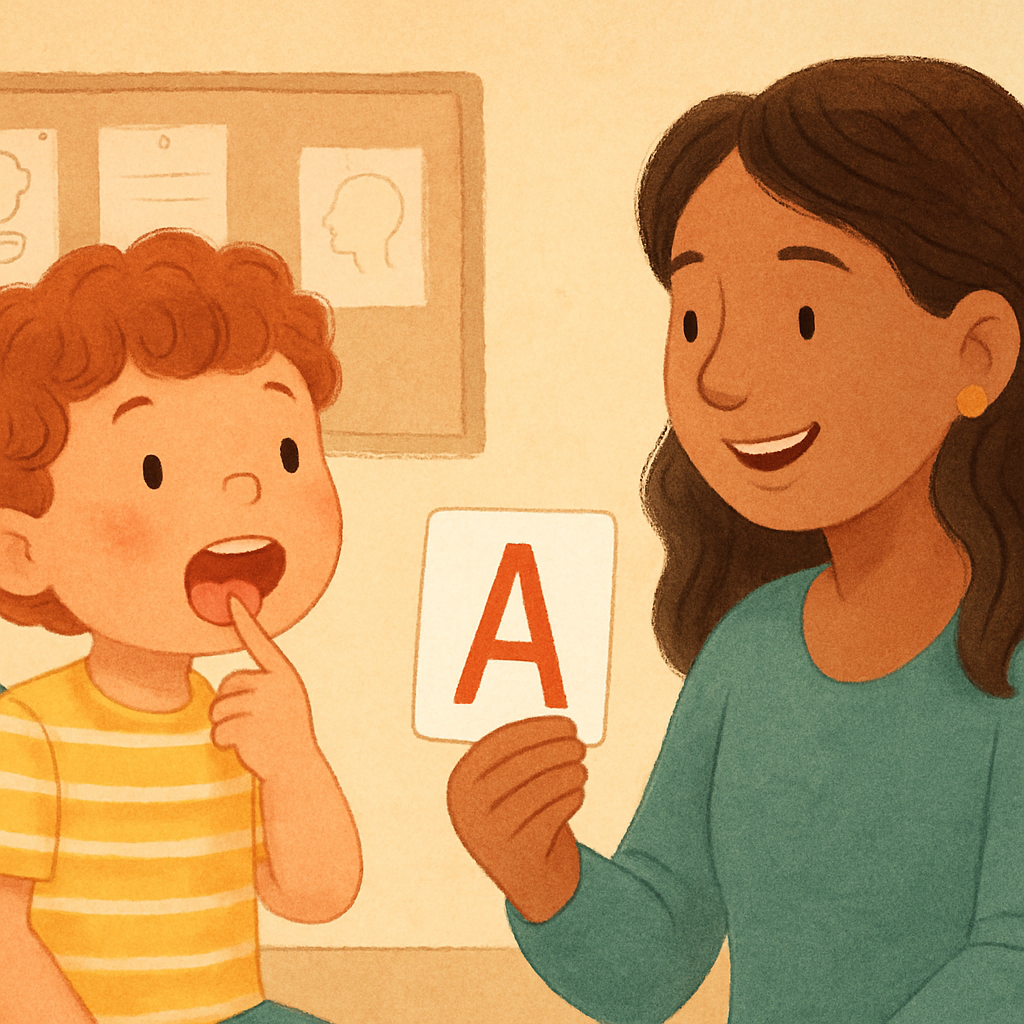
In Australia, speech pathologists are the primary professionals who diagnose and manage dysarthria. They perform thorough assessments to determine the nature and severity of speech difficulties, considering their broader impact on daily life.
Using frameworks like the International Classification of Functioning, Disability and Health (ICF), they evaluate how dysarthria affects participation in everyday activities. This holistic approach ensures treatment plans are personalized to each individual's needs and goals.
Speech pathologists also educate and support individuals and families, offering strategies to improve communication and quality of life.
Differential Diagnosis: Dysarthria, Apraxia of Speech, and Other Disorders
A crucial part of diagnosing dysarthria is distinguishing it from other motor speech disorders, particularly apraxia of speech. While both can result from a brain injury or spinal cord injury and affect speech clarity, their underlying mechanisms are different. A differential diagnosis ensures you receive the most appropriate therapy.
Dysarthria is caused by muscle weakness or paralysis, which can involve lower motor neuron impairment, leading to consistent speech errors. In contrast, apraxia of speech is a motor planning disorder; the muscles are fine, but the brain struggles to send the right signals for movement. This can lead to inconsistent errors and moments of clear speech. Aphasia is another condition to rule out, as it affects language comprehension and expression, not the physical act of speaking.
Key points in a differential diagnosis include:
-
Muscle strength (weak in dysarthria, normal in apraxia)
-
Consistency of errors (more consistent in dysarthria)
-
Presence of automatic speech (often intact in apraxia)
-
Language comprehension (impaired in aphasia, intact in dysarthria)
-
Swallowing difficulties (common with dysarthria)
Dysarthria in Children
Yes, children can develop dysarthria. This condition, known as childhood dysarthria, can be present from birth due to conditions like cerebral palsy or acquired after a traumatic brain injury, including chronic traumatic encephalopathy. It's a motor-based speech disorder, meaning the child has trouble controlling the muscles needed for clear speech.
Distinguishing childhood dysarthria from a typical speech delay is essential for providing the right support. While both can affect a child's ability to communicate, their causes and treatments differ. The following sections will cover the signs to look for, screening approaches, and how to tell it apart from a speech delay.
Signs and Symptoms of Dysarthria in Kids
In children, dysarthria can be mistaken for severe developmental delay, but it has distinct physical signs. Speech often sounds consistently slurred, choppy, or slow. Voice quality may be strained, nasal, hoarse, or very quiet. The muscles of the face may show weakness, which can cause drooling and difficulty chewing or swallowing. These symptoms indicate a motor control problem rather than just a speech delay. Unlike typical delays with inconsistent errors, dysarthria causes predictable speech errors due to ongoing physical limitations.
Screening and Early Intervention Approaches
Early screening and intervention are vital for children with suspected dysarthria. If you have concerns, the first step is a clinical evaluation by a speech-language pathologist. They will assess your child's speech skills, muscle movements, and overall communication abilities to determine if a motor speech disorder is present.
Once diagnosed, early intervention can begin. Speech therapy is the cornerstone of treatment, including speech supplementation strategies. A therapist will create a personalized plan to help your child improve their speech. The focus is on building muscle strength and coordination for better speech production.
Common early intervention approaches include:
-
Exercises to strengthen the tongue, lips, and jaw.
-
Strategies to slow down the rate of speech for better clarity.
-
Breathing exercises to support a stronger voice.
-
Activities to practice clear articulation of sounds and words.
Distinguishing Childhood Dysarthria from Speech Delay
Telling childhood dysarthria apart from a speech delay is a critical diagnostic step. A speech delay means a child's language is developing along a normal path, just more slowly. In contrast, dysarthria is one of the motor speech disorders where the physical machinery of speech is impaired.
A speech-language pathologist will look for specific patterns. For instance, a child with dysarthria may have a consistently "slushy" or nasal quality to their voice, which is not typical of a simple delay. They may also show weakness or poor coordination in their oral muscles during non-speech tasks, like chewing.
Key differences to look for include:
-
Cause: Dysarthria stems from a neurological issue affecting muscle control; a delay does not.
-
Speech Errors: Errors in dysarthria are often consistent and related to muscle weakness. In a delay, errors can be more variable.
-
Voice Quality: Dysarthria often involves abnormal vocal quality (e.g., breathy, strained).
-
Associated Motor Issues: Difficulties with chewing or swallowing are more common with dysarthria.
Management and Treatment Options
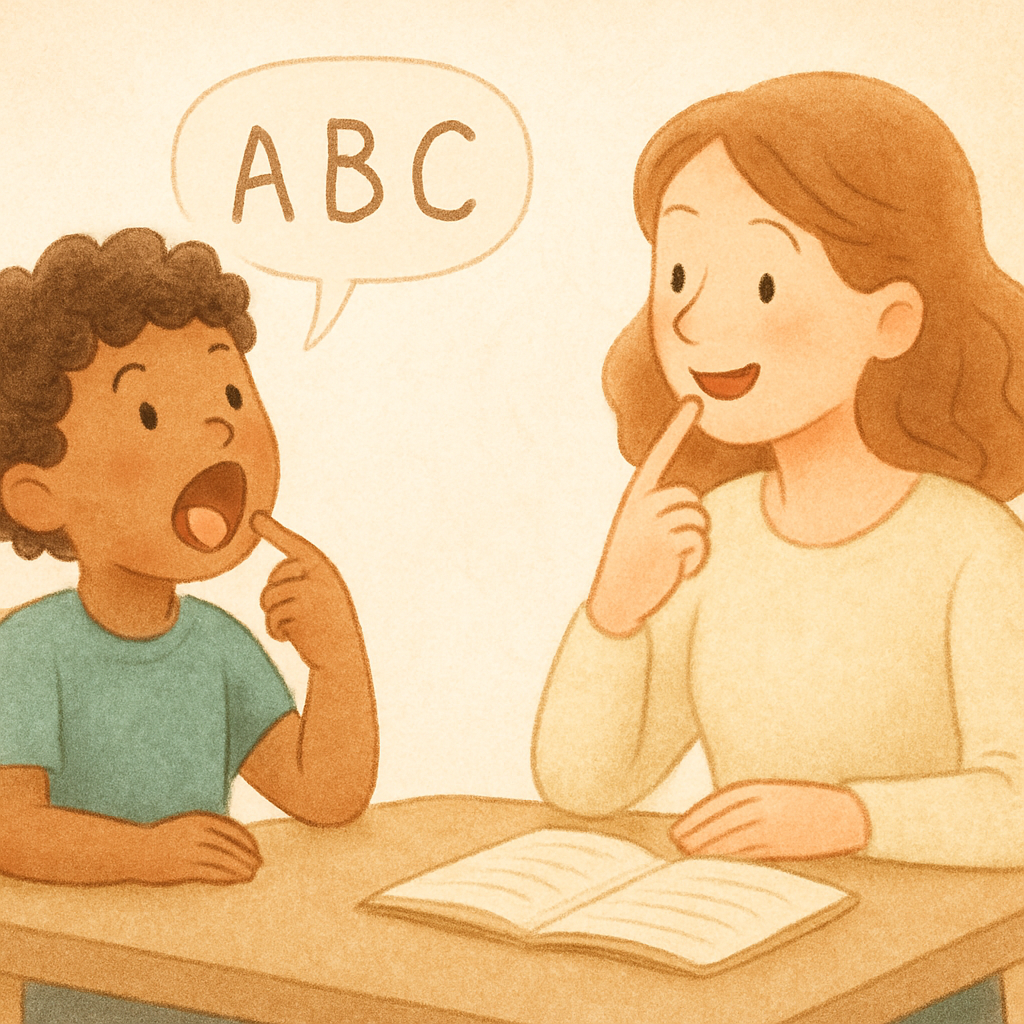
Managing dysarthria involves a multi-faceted approach tailored to the individual. The goal is to improve communication, whether that means making speech clearer or finding other ways to express oneself, including nonverbal communication strategies. A personalized treatment plan often combines speech therapy with other supportive measures.
Depending on the underlying cause, medical or surgical interventions may be an option. For many, the focus is on therapy and using assistive technology to enhance communication. In fact, a systematic review will be discussed in the next sections, where we'll explore these different avenues, from medical procedures to specific speech therapy techniques and alternative communication tools.
Medical and Surgical Interventions
In some cases, medical or surgical interventions can address the underlying cause of dysarthria. If the condition is a side effect of a particular medication, your doctor might adjust your prescription, which can sometimes reverse the symptoms.
When dysarthria is caused by a physical issue like a brain tumor or lesion from a brain injury, surgery may be recommended. Removing the tumor can sometimes alleviate pressure on the cranial nerve nuclei and other parts of the nervous system that control speech. However, for many chronic neurological conditions, the damage is not reversible, and treatment focuses on management rather than a cure.
Possible interventions include:
-
Changing medications that cause dysarthria-like symptoms.
-
Surgical removal of a brain tumor or lesion.
-
Treatments for the primary neurological disease (e.g., medications for Parkinson's disease).
-
Procedures to address specific issues, like injections for vocal cord problems.
Speech Therapy Techniques for Dysarthria
Speech therapy is the primary treatment for improving communication in people with dysarthria. A speech-language pathologist will design a program based on your specific needs, focusing on practical communication strategies and exercises. This is different from language therapy, which targets language comprehension and formulation.
One well-known program, especially for those with Parkinson's disease, is the Lee Silverman Voice Treatment (LSVT). This intensive therapy focuses on improving vocal loudness to make speech more understandable. Other techniques aim to strengthen the muscles used in speech or teach you to speak more slowly and deliberately.
Common speech therapy techniques include:
-
Exercises to strengthen the tongue, lips, and jaw.
-
Breathing techniques to increase vocal volume.
-
Slowing the rate of speech and over-articulating words.
-
Practicing conversation skills in a group setting.
-
Using gestures and facial expressions to support verbal communication.
Assistive Devices and Technology
When speech is severely impaired, assistive devices and technology can be a lifeline. These tools are part of a broader category called augmentative and alternative communication (AAC). They can supplement your speech or, in some cases, replace it as your primary method of communication.
These communication strategies can range from simple, low-tech options to complex electronic devices. The right tool depends on your physical abilities, cognitive skills, and personal preferences. The goal is to provide a reliable way for you to express your needs, thoughts, and feelings.
Examples of assistive devices include:
-
Letter or picture boards.
-
Alphabet boards to spell out words.
-
Voice amplifiers to make a quiet voice louder.
-
Specialized computers with keyboards and message displays.
-
Brain-computer interfaces (BCIs) for individuals with severe motor impairment.
The Role of Speech Therapists
Speech therapists, also known as speech-language pathologists, are the experts who lead the charge in managing dysarthria. Their role goes far beyond just doing exercises. They conduct thorough assessments, create a personalized treatment plan, and provide the tools you need to become a more effective communicator.
Through speech therapy, these professionals help you maximize your existing communication skills and develop new ones. In the following sections, we’ll look at how they create individualized plans, the types of exercises they use, and the crucial support they offer to families and caregivers.
Creating Individualized Treatment Plans
A one-size-fits-all approach doesn't work for dysarthria. That's why speech therapists create a highly individualized treatment plan for every person they work with. This plan is based on a comprehensive assessment of your specific speech difficulties, the underlying cause of your dysarthria, and your personal communication goals.
The therapist considers what is most important to you. Is your goal to be understood by your family, to speak more clearly at work, or simply to reduce frustration in daily conversations? The treatment plan is designed to address these priorities.
An individualized plan will typically outline:
-
The frequency and duration of speech therapy sessions.
-
Specific goals, such as improving vocal loudness or articulation clarity.
-
The techniques and exercises to be used.
-
Recommendations for assistive technology or strategies for communication partners.
Speech and Communication Exercises
A key part of speech therapy for dysarthria is doing targeted exercises to improve speech skills. These exercises strengthen and coordinate the muscles used for speaking. Your therapist will choose activities tailored to your type of dysarthria.
Therapy goes beyond mouth exercises; it may include breathing techniques to help you speak louder and longer. You'll also practice strategies like slowing your speech, pausing between words, and using nonverbal cues such as gestures and eye contact.
Common exercises and strategies include:
-
Tongue and lip strengthening
-
Practicing specific sounds with clear articulation
-
Reading aloud to work on pacing and volume
-
Breath support exercises
-
Using facial expressions for emphasis
Support for Families and Caregivers
Managing dysarthria is a team effort. The support of families and caregivers is essential for improving a person's quality of life. Organizations like the ALS Association emphasize the importance of involvement from speech therapists, who play a key role in educating loved ones and providing them with strategies to become more effective communication partners.
When communication is difficult, frustration can build on both sides. A therapist can teach caregivers how to listen patiently and what to do when they don't understand. This helps reduce the communication burden on the person with dysarthria and fosters a more positive and supportive environment. Building these support networks is crucial.
Helpful tips for families and caregivers include:
-
Reducing background noise during conversations.
-
Paying close attention and maintaining eye contact.
-
Asking yes-or-no questions to clarify information.
-
Repeating back the part of the message you understood, so the person doesn't have to start over.
Living with Dysarthria
Living with dysarthria means learning to navigate a world that relies heavily on spoken communication. While it presents challenges, there are many daily strategies and adaptations that can significantly improve your communication skills and overall quality of life. It’s about finding what works for you and empowering yourself to stay connected.
The journey involves more than just therapy; it’s about making practical changes in your daily life and environment. Let's explore some strategies for improving communication, adapting your surroundings, and finding valuable support networks.
Daily Strategies for Improving Communication
Incorporate simple communication strategies into your daily routine to make conversations easier. Start with a single topic word to give context—say "movie" if you want to discuss a film.
Be mindful of your environment. Reduce background noise by turning off the TV or radio before speaking. Speak slowly, use short sentences, and don’t hesitate to supplement speech with writing or gestures if needed.
Helpful tips:
-
Speak slowly and clearly.
-
Avoid talking when you’re very tired.
-
Check that your listener understands.
-
Use gestures and facial expressions.
-
Carry a pen and paper as backup.
Adapting Social and Work Environments
To improve your quality of life, adapt your social and work environments to support better communication. Educate others about dysarthria and ways they can help.
Socially, choose quieter places or one-on-one conversations. At work, use email for complex topics or a quiet space for calls. These changes reduce stress and help you participate more fully.
Suggestions:
-
Inform others about your communication needs.
-
Hold important conversations in quiet, well-lit spaces.
-
Use written communication for details.
-
Request meeting agendas in advance.
Resources and Support Networks in Australia
Finding the right resources and support networks is essential for living with dysarthria. In Australia, start by speaking with your doctor or speech therapist, who can connect you to local services. National organizations also offer valuable information and support.
If your dysarthria is linked to a specific condition, condition-focused groups—such as those for Parkinson’s disease, multiple sclerosis, or motor neuron disease—provide tailored resources and support.
Helpful resources include:
-
Speech Pathology Australia for qualified speech therapists
-
Condition-specific organizations (e.g., Parkinson’s Australia, MND Australia)
-
Support groups at hospitals and community health centers
-
Online forums for people with communication disorders
Conclusion
In summary, understanding dysarthria is essential for recognizing its impact on communication and everyday life. From identifying symptoms to exploring effective treatment options, knowledge is power when it comes to managing this speech disorder. Support from speech therapists, alongside the Academy of Neurologic Communication Disorders and family and caregiver involvement, can significantly enhance the quality of life for individuals with dysarthria. By utilizing available resources and adapting environments, those affected can navigate their daily challenges more effectively. If you or a loved one is grappling with dysarthria, don't hesitate to seek guidance and support tailored to your needs.
If you’re ready to take the next step, consider scheduling a consultation or call daar at 02 9133 2500 to find the best approach for your needs.
Frequently Asked Questions
Is dysarthria the same as slurred speech?
Slurred speech is a primary symptom of dysarthria, but they aren't exactly the same. Dysarthria is the medical term for the speech disorder itself, which is caused by muscle weakness affecting speech production. Slurred speech is just one of the many signs of this speech impairment, which can also include changes in voice quality and speed.
Are there therapies that can help improve dysarthria?
Yes, absolutely. Speech therapy is the main treatment for dysarthria. Speech therapists create a personalized treatment plan with exercises to strengthen speech muscles and teach communication strategies to improve clarity. The goal is to manage the speech impairment and make communication easier and more effective for you.
Which medical conditions are most commonly associated with dysarthria?
Dysarthria is commonly linked to neurological conditions that affect muscle control, including acute ischemic stroke. These include Parkinson’s disease, multiple sclerosis, amyotrophic lateral sclerosis (ALS), and muscular dystrophy. It can also result from a brain injury, stroke, or be present from birth in conditions like cerebral palsy.
.svg)




.svg)