
.png?width=48&height=48&name=Group%201%20(3).png)























28 January, 2026

Stuttering: Effective Strategies for Better Communication
Introduction
Stuttering can make everyday conversations feel challenging. As one of the most recognized communication disorders, it can affect your child’s speech, cause you to get stuck on words, feel tense when speaking, or even avoid certain situations due to an ongoing stutter. If this sounds familiar, know that you are not alone and that help is readily available. A speech pathologist can provide you with effective strategies and support to help you communicate more freely and confidently. This guide will explore what stuttering is and how you can manage it for better communication. Stuttering is characterized by disruptions in the flow of speech, such as repeating sounds, syllables, or words, or having blocks and prolongations during speaking. In contrast, delayed speech refers to a slower development of speech and language skills in children, meaning they may start talking later than expected or have a limited vocabulary for their age. While both are speech concerns, stuttering involves difficulty producing fluent speech, whereas delayed speech is about the timing of speech development.
Key Highlights
-
Stuttering is a speech disorder that disrupts the natural flow of speaking.
-
The primary symptoms of stuttering include repeating parts of words, prolonging sounds, or experiencing blocks in speech.
-
While the exact cause is unknown, factors like family history and brain differences play a role.
-
This condition is common in young children, and for most, it resolves over time.
-
Effective management techniques, including speech therapy, help improve communication and confidence.
-
Support from a stuttering association and loved ones is vital for a person's journey.
Understanding Stuttering and Related Speech Disorders
Stuttering is a type of fluency disorder that interrupts the smooth flow of speech. While many successful people among us occasionally stumble over our words, a person who stutters experiences these disruptions more frequently and in different types of ways. These disruptions can include repetitions, prolongations, and blocks. Several well-known people have successfully managed stuttering, including actor James Earl Jones, President Joe Biden, and actress Emily Blunt, showing that stuttering does not have to limit achievement or communication.
It is important to know that stuttering is just one type of speech disorder that can begin in early childhood. Other conditions, such as cluttering or apraxia of speech, also affect communication but have distinct characteristics. The following sections will explain the key symptoms of stuttering and how positron emission tomography differs from similar disorders.
What Is Stuttering? Key Features and Symptoms
Stuttering is a speech disorder that disrupts the flow of a lot of words and can have implications for mental health. People who stutter know what they want to say but struggle to speak smoothly. Common symptoms include repeating parts of words ("w-w-want"), prolonging sounds ("Sssssam is nice"), or blocks where no sound comes out. Secondary behaviors, like head nodding or eye blinking, may also occur during speech.
Symptoms can vary from day to day and often worsen with stress or excitement. While many young children experience typical disfluencies, such as repeating whole words or using fillers, many children go through normal periods of stuttering that show distinct family recovery patterns, requiring professional evaluation.
Differentiating Stuttering from Cluttering, Dysarthria, and Apraxia of Speech
Stuttering is a well-known speech disorder, often confused with cluttering. Stuttering involves difficulty getting different words out, while cluttering features rapid or irregular speech that’s hard to understand. People who clutter may frequently use fillers like "um" and have unexpected pauses. Joining local support groups can be beneficial for those dealing with these speech issues.
Other speech disorders, such as dysarthria and apraxia of speech, involve muscle movement issues—dysarthria stems from muscle weakness, and apraxia from trouble coordinating muscles for speech, often occurring after a brain injury. When children are learning a lot of words or new speech sounds, stuttering, however, disrupts rhythm and fluency without affecting muscles. The causes of cluttering are unclear but differ greatly from stuttering.
Comparison:
|
Feature |
Stuttering |
Cluttering |
|---|---|---|
|
Speech Rate |
Slow or tense |
Fast and irregular |
|
Awareness |
Usually aware of disfluencies |
Often unaware of speech patterns |
|
Disfluencies |
Repetitions, prolongations, blocks |
Fillers ("um"), revisions, fast bursts |
Effective Strategies for Better Communication
Living with stuttering brings daily challenges, but therapy and support can help individuals communicate more confidently. Stuttering causes involuntary repetitions, prolongations, or blocks in speech, affecting self-esteem and social participation.
Speech therapy is the main treatment for older children. Certified speech-language pathologists (SLPs) assess needs and use techniques like fluency shaping to smooth speech or stuttering modification to reduce tension.
Emotional support matters too. Mindfulness can ease speaking anxiety, while resilience and self-advocacy build confidence. Setting realistic goals—like introducing yourself or making phone calls—helps track progress. Support groups provide a space to share experiences and advice related to psychogenic stuttering.
Family and friends play a key role by listening patiently, avoiding interruptions, and fostering a calm environment.
In summary, managing stuttering takes ongoing effort, but targeted therapy, supportive relationships, and adaptive strategies can greatly improve communication and quality of life. The next sections detail specific therapy approaches and practical tips for building support.
Therapy Options and Techniques for Managing Stuttering
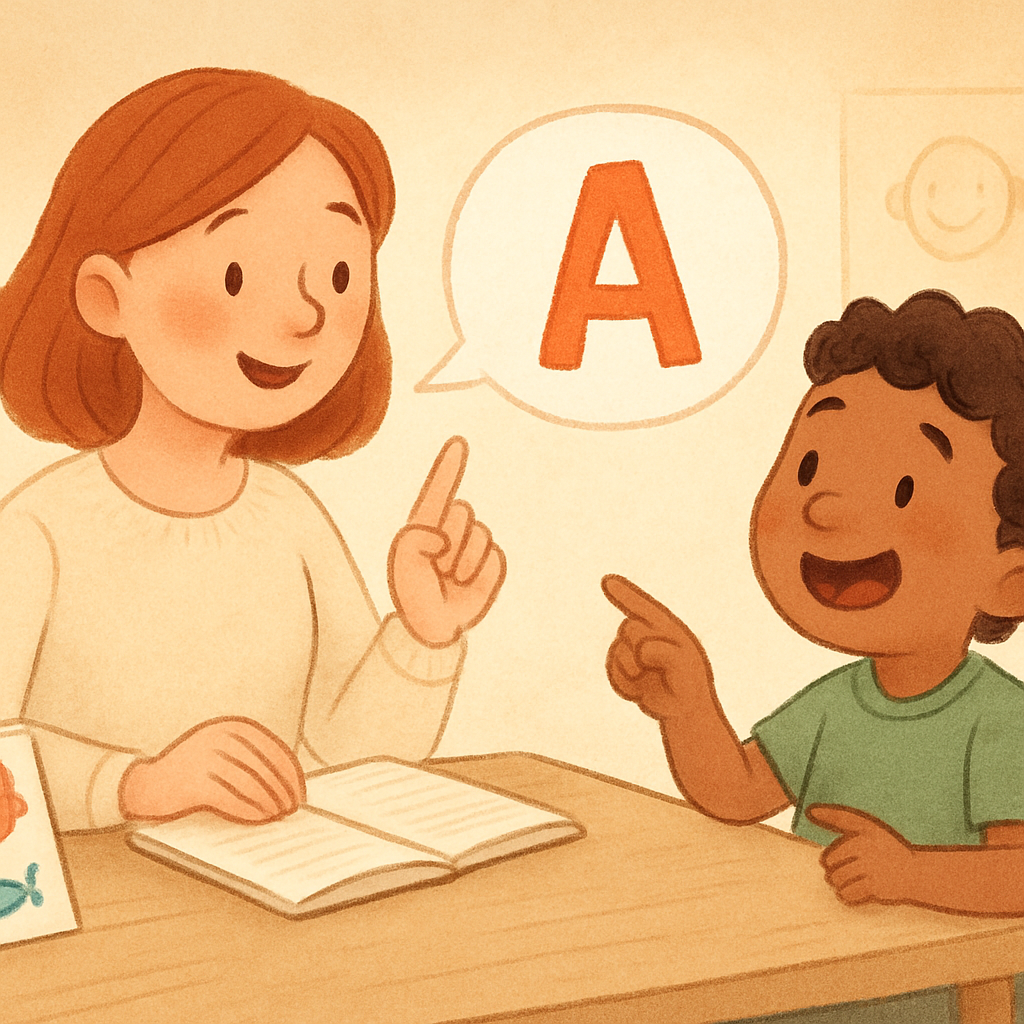
Speech therapy offers various treatments for managing stuttering. A speech pathologist will help you find the best treatment approach. Fluency shaping teaches techniques like stretching vowels to promote smoother, fluent speech, while stuttering modification reduces tension and makes stuttering less noticeable.
Some people benefit from electronic devices that alter auditory feedback by playing your voice back with a slight delay, improving speech flow for certificate holders and providing various treatment options.
Therapy goals typically include:
-
Controlling speech rate for better fluency
-
Reducing avoidance of certain words or situations
-
Building communication confidence
-
Connecting with support groups for encouragement
Helping Someone Who Stutters: Practical Tips for Families and Friends
If you have a friend or family member who stutters, your support is vital over a long time. Listen patiently to improve the flow of your speech, maintain natural eye contact, and focus on what they say—not how they say it. This shows you value their input.
Don’t finish their sentences or offer advice like “slow down” or “take a breath.” These can add pressure and make speaking harder. Instead, model calm, unhurried speech yourself, especially for children around 3 to 4 years of age. Seeking early help can be beneficial for managing stuttering.
Additional tips for family members:
-
Don’t put them on the spot or force them to speak.
-
Ensure everyone takes turns and avoids interrupting.
-
Respond positively and show engagement when they speak while being mindful of possible side effects that can arise from communication stress.
-
Follow any guidance from their speech pathologist.
Conclusion
Effective communication is essential andtial, and understanding stuttering fosters supportive environments. Stuttering, a speech disorder with interruptions like repetitions or blocks, often varies with stress or social settings.
It arises from genetic, neurological, and environmental factors. Recognizing these helps provide empathetic support. Techniques such as slowing speech, mindful breathing, and positive reinforcement can ease conversations and build confidence. Supportive homes, schools, and workplaces encourage open dialogue and reduce anxiety.
Progress takes patience—consistent practice and encouragement are key. Active listening and gentle guidance show compassion to those who stutter.
For personalized strategies—whether you stutter or want to help—professional guidance can help.
Contact us today for a consultation or call daar at 02 9133 2500 to explore tailored solutions that boost confidence and fluency.
Frequently Asked Questions
What are some common causes of stuttering?
Stuttering, including neurogenic stuttering, can be caused by a combination of genetic, neurological, and environmental factors. These may include family history, brain function differences, and early language development experiences. Personal feelings, situations, and the actions of others can affect the amount a person stutters. Stressful situations or trauma can also exacerbate stuttering in individuals prone to the condition.
How can I support someone who stutters during conversations?
To support someone who stutters during conversations in different social settings, practice patience and listen actively without interrupting. Encourage them to express themselves at their own pace, maintain eye contact, and create a comfortable environment. Discussing their negative feelings openly can help. Your understanding can make a significant difference in their confidence and communication experience.
What techniques can help improve fluency in individuals who stutter?
Fluency techniques for individuals who stutter include controlled breathing, slow speech practice, and the recognition of types of disfluencies through visual aids. Additionally, cognitive-behavioral strategies and regular speech therapy sessions can significantly enhance confidence and communication effectiveness, fostering smoother interactions in daily conversations through the use of short sentences.
.svg)




.svg)