
.png?width=48&height=48&name=Group%201%20(3).png)























29 January, 2026

How Behavioural Therapy for Kids Can Transform Lives
Introduction
When your child struggles with difficult behaviors, it can be challenging to know how to help. Behavioral therapy offers a structured, evidence-based path forward for people of all ages. This type of psychological treatment is action-oriented, focusing on helping young children modify unhelpful behaviors and learn positive new skills. Unlike therapies that focus on the past, this approach targets immediate changes to improve your child's mental health and daily functioning, providing tools for a happier, healthier future.
Key Highlights
- Behavioral therapy for kids is an effective treatment that aims to change negative behaviors and teach healthier habits.
- It often uses positive reinforcement in therapy sessions to encourage desired actions and build confidence.
- Key techniques can help improve a child's social skills and emotional regulation for better overall well-being, promoting essential skill development.
- Different types of therapy, like Cognitive Behavioral Therapy (CBT) and play therapy, are tailored to a child's needs.
- Early intervention is crucial and can lead to significant, long-lasting positive outcomes in a child's life.
Key Benefits of Behavioural Therapy for Children
Behavioral therapy provides a wealth of benefits that extend far beyond just correcting a single issue. It is a powerful tool for improving a child's overall mental health by teaching them how to navigate their world more effectively. This approach fosters positive behaviors and equips them with essential life skills. For children with attention-deficit/hyperactivity disorder (ADHD), the most effective behavioral therapy techniques include positive reinforcement to encourage desired behaviors, clear structure and consistent routines, the use of reward systems, and skill-building strategies such as modeling and role-playing. These techniques help children learn self-control, improve organizational skills, and enhance their ability to focus and interact positively with others.
Through early intervention, you can address challenges faced by children with autism spectrum disorder before they become more significant. The therapy helps boost emotional regulation, improve social skills, and can even have a positive ripple effect on academic performance and family harmony. Let’s explore these benefits in more detail.
Emotional and Social Development
Therapy significantly improves older children's emotional regulation, helping them identify and manage feelings like anger or anxiety. Techniques from sessions empower children to handle stress more effectively, reducing outbursts and emotional distress—especially for those with mental health conditions.
At the same time, cognitive behavioural therapy boosts social skills by providing a safe space to practice interactions, express themselves, and resolve conflicts. Role-playing and guided activities foster empathy and help children form stronger friendships.
Positive reinforcement encourages children and young minds to use these new skills, building confidence and reinforcing healthy emotional expression. Ultimately, therapy helps children grow into well-rounded individuals equipped for life’s social and emotional challenges.
Academic and Family Impact
Addressing behavioral problems often leads to positive behaviour support and positive changes in the classroom. As children learn to manage their impulses and emotions, they can focus better and participate more, resulting in improved academic performance and a better school experience.
The benefits extend to family life as well. Ongoing behavioral struggles can strain relationships and create stress at home. Behavioral therapy, which often includes family therapy or parent training, provides strategies to handle challenges, improve communication, and reduce frustration.
Working with a therapist helps your family create a stable, predictable environment. Consistently applying new techniques not only manages behavior but also strengthens the parent-child bond. This collaborative approach, which is a type of psychotherapy, makes your home a supportive place for lasting growth and change.
Building Lifelong Skills
Behavioral therapy isn’t just about solving present problems—it builds lasting skills for the future in a healthy way. Children are especially receptive to learning, and this therapy teaches them practical coping strategies they can use throughout life.
A key technique is cognitive restructuring, which helps kids recognize and challenge negative thoughts. By reframing their thinking, they can better manage emotions and behaviors, building resilience and reducing stress.
The ultimate goal is to empower your child with a sense of control, address any behavioral issues, and develop problem-solving abilities. These skills foster long-term mental well-being and give them the tools to face challenges with confidence.
A Beginner’s Guide to Getting Started with Behavioural Therapy
Deciding to start behavioral therapy for your child is a significant first step toward positive change. While the process might seem overwhelming initially, it is a structured journey designed to support you and your child every step of the way, helping them challenge unhelpful thoughts. Knowing what to expect can make it feel much more manageable.
From finding the right resources to understanding what happens in therapy sessions, this guide will walk you through the essentials. With the right information, you can feel confident in your ability to find effective therapy and begin this transformative process.
What You’ll Need: Resources, Specialists, and NDIS Funding
To get started, connect with qualified behavioral therapists who work with children. Your pediatrician or your child’s school can provide referrals. Learn about different therapy types, including a form of talk therapy, to find the best fit for your child’s needs.
In Australia, NDIS funding may help cover therapy costs for children with diagnosed disabilities or certain mental health conditions, including those that involve challenging behaviours. Review your child’s NDIS plan or consult a support coordinator to see what services are covered.
Each therapy offers a unique approach to support your child:
|
Therapy Type |
Focus Area |
|---|---|
|
Cognitive Behavioral Therapy (CBT) |
Helps children identify and change negative thinking patterns that affect feelings and behavior. |
|
Applied Behavior Analysis (ABA) |
Uses reinforcement to increase positive behaviors and reduce harmful ones, often for autism. |
|
Dialectical Behavior Therapy (DBT) |
Teaches skills for managing emotions, coping with distress, and improving relationships. |
Step-by-Step Guide to Starting Behavioural Therapy
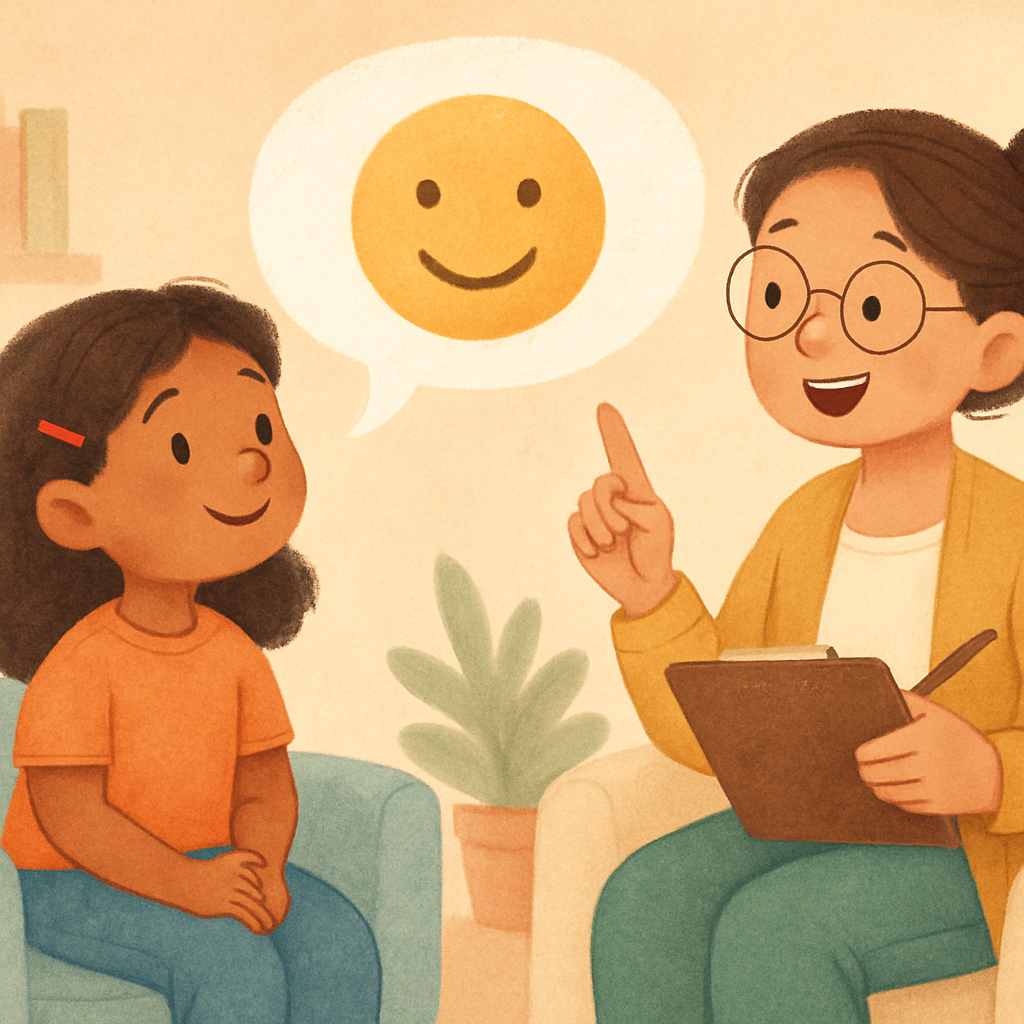
Starting behavioral therapy involves a few simple steps. While the first step can feel daunting, a clear roadmap makes it easier.
For young adults, young people, and families, understanding the process builds confidence and sets up success. The journey includes recognizing the need, choosing the right therapist, and working together toward shared goals—a collaboration that leads to lasting change.
Here's how it works:
- Notice signs your child may benefit from therapy.
- Find a qualified behavioral therapist who fits your family.
- Set clear, positive goals with the therapist.
- Include fun, engaging activities in therapy.
Step 1: Identifying Signs Your Child May Benefit
How do you know if your child needs therapy? Start by observing your child’s behaviors. Occasional bad days are normal, but ongoing issues that disrupt daily life may signal a need for extra support. Look for patterns of negative behavior that don’t improve on their own.
Warning signs include frequent tantrums, aggression, trouble managing emotions, social withdrawal, restlessness, or sudden changes in interests and habits. These disruptive behaviors may point to underlying mental health concerns that therapy can help address.
If these behaviors cause problems at home or school, affect friendships, or limit enjoyment of life, consider seeking professional advice on behavior therapy techniques. Trust your instincts—if something feels wrong, exploring therapy is a caring step.
Step 2: Finding a Qualified Behavioural Therapist in Australia
Once you decide to seek help, the next step is finding the right professional. Look for qualified behavioral therapists experienced in this type of talk therapy with child therapy experience. Your child's doctor or school counselor can often refer you to trusted specialists.
When researching therapists who specialize in child behavior, check if their approach fits your child's needs. In initial conversations, ask about their methods, experience, and what sessions are like. It’s important to find someone your child feels comfortable with.
Professional organizations are also valuable resources. Groups like the Australian Psychological Society or the American Psychological Association offer directories of licensed therapists who specialize in children and families.
Step 3: Involving Parents and Setting Goals
Your involvement as a parent or family member is not just helpful—it's essential for your child's success in therapy. Behavioral therapy plays a vital role and is most effective when the skills learned during therapy sessions are consistently reinforced at home. You are your child's most important teacher and role model.
Many therapists offer behavioral parent training and behaviour support to equip you with the same tools they use. This helps you understand the principles of behavioral modification and how to apply them in daily life. You'll learn how to set clear expectations, use effective consequences, and provide praise for positive behaviors.
Working collaboratively with the therapist to set achievable goals is a key part of the process. These goals should be specific, positive, and focused on the behaviors you want to see increase to improve the overall quality of life. Your active participation creates a united front, ensuring your child receives consistent support both in and out of therapy.
Step 4: Integrating Fun Games and Activities into Sessions
Who said therapy can't be fun? For children, play is their natural language and a powerful tool for learning. Many therapists integrate elements of play therapy, a type of therapy, into their sessions to make the experience engaging and enjoyable. Using games helps children process emotions, practice new skills, and tackle challenges in a low-pressure way.
Activities can be tailored to a child's specific goals. For example, a child working on overcoming fears might use a "Fear Ladder Challenge" as part of exposure therapy to confront anxieties one small step at a time. A "Magic Detective Game" can help them investigate and challenge negative thoughts. These activities make effective therapy feel like an adventure.
Role-playing is another common technique used to practice social situations, communication skills, and problem-solving with younger children. This use of positive reinforcement and fun helps children feel a sense of achievement and motivation. By integrating play, therapists tap into a child's creativity and make the hard work of changing behavior feel exciting.
Conclusion
In conclusion, behavioral therapy can be a transformative journey for children, unlocking potential and fostering growth in various facets of their lives. By focusing on emotional and social development, as well as academic success, this therapeutic approach equips children with lifelong skills that extend beyond the therapy sessions, especially in addressing emotional and behavioral challenges. As you embark on this journey, remember to identify the signs that your child may benefit from such support, seek qualified therapists, and actively engage in the process. Your involvement is crucial in promoting their progress and ensuring a positive experience.
If you're ready to take the next step, we encourage you to reach out for a consultation or call daar at 02 9133 2500 to explore how behavioral therapy can make a difference for your child.
Frequently Asked Questions
How do I know if my child needs behavioural therapy?
Consider behavioral therapy if you notice persistent behavior problems in your young children, such as frequent tantrums, social difficulties, or aggression. If these negative behaviors impact their daily life, schooling, or overall mental health, consulting a professional is a good next step to get them the support they need.
Are behavioural therapy services covered by NDIS in Australia?
Yes, NDIS funding can often cover behavioral therapy for children with diagnosed disabilities or certain mental health problems. To access this effective treatment, review your child's NDIS plan or speak with a coordinator to confirm if therapy sessions are included as part of their approved supports.
How can parents actively support their child’s progress?
Parents can actively support progress by participating in therapy sessions that incorporate response prevention, and consistently applying learned techniques at home. Use positive reinforcement to encourage good behavior, maintain the behavioral modification strategies taught by the therapist, and create opportunities for your child to practice their new social skills in everyday situations.
Where can I find reputable behavioural therapy services for kids?
To find reputable services, start by asking for referrals from your pediatrician or your child's school. You can also search directories from professional organizations for lists of qualified behavioral therapists who specialize in mental health for young children and can provide effective therapy sessions for issues such as obsessive-compulsive disorder for your family.
.svg)




.svg)