
.png?width=48&height=48&name=Group%201%20(3).png)























13 February, 2026

Early Intervention Behavior Therapy for Autism: Building a Strong Foundation
For parents of young children recently diagnosed with autism spectrum disorder (ASD), the path forward can feel overwhelming. You are likely navigating a maze of appointments, assessments, and advice. Amidst the noise, one recommendation stands out consistently among pediatricians and specialists: the importance of starting support early.
Early intervention behavior therapy autism programs are designed to tap into the incredible potential of a young child's developing brain. Unlike waiting until school age, starting therapy during the toddler or preschool years allows us to shape learning pathways while the brain is at its most adaptable.
But what does this actually look like for a two or three-year-old? Is it too much, too soon?
The reality is that modern Behaviour Therapy for young children is far from a rigid classroom setting. It is often play-based, joyful, and deeply engaging. It focuses on turning everyday interactions into learning opportunities, helping children connect, communicate, and thrive.
In this guide, we will explore why early intervention is a gamechanger, how behavioral therapy for autism works in the early years, and what you can expect from this transformative journey.
The "Window of Opportunity": Why Timing Matters
The human brain develops more rapidly between birth and age five than at any other time in life. This period is known as a critical window of neuroplasticity—the brain's ability to reorganize itself by forming new neural connections.
For children with autism, who may process information differently, this is the ideal time to introduce early intervention behavior therapy autism strategies.
By intervening early, we can:
- Close the Gap: Help children catch up on developmental milestones like pointing, babbling, or responding to their name.
- Prevent Habits: Address challenging behaviours (like head-banging or screaming) before they become deeply ingrained responses to frustration.
- Boost School Readiness: Equip children with the foundational skills needed to sit, listen, and learn in a future classroom environment.
What is Behaviour Therapy in the Early Years?
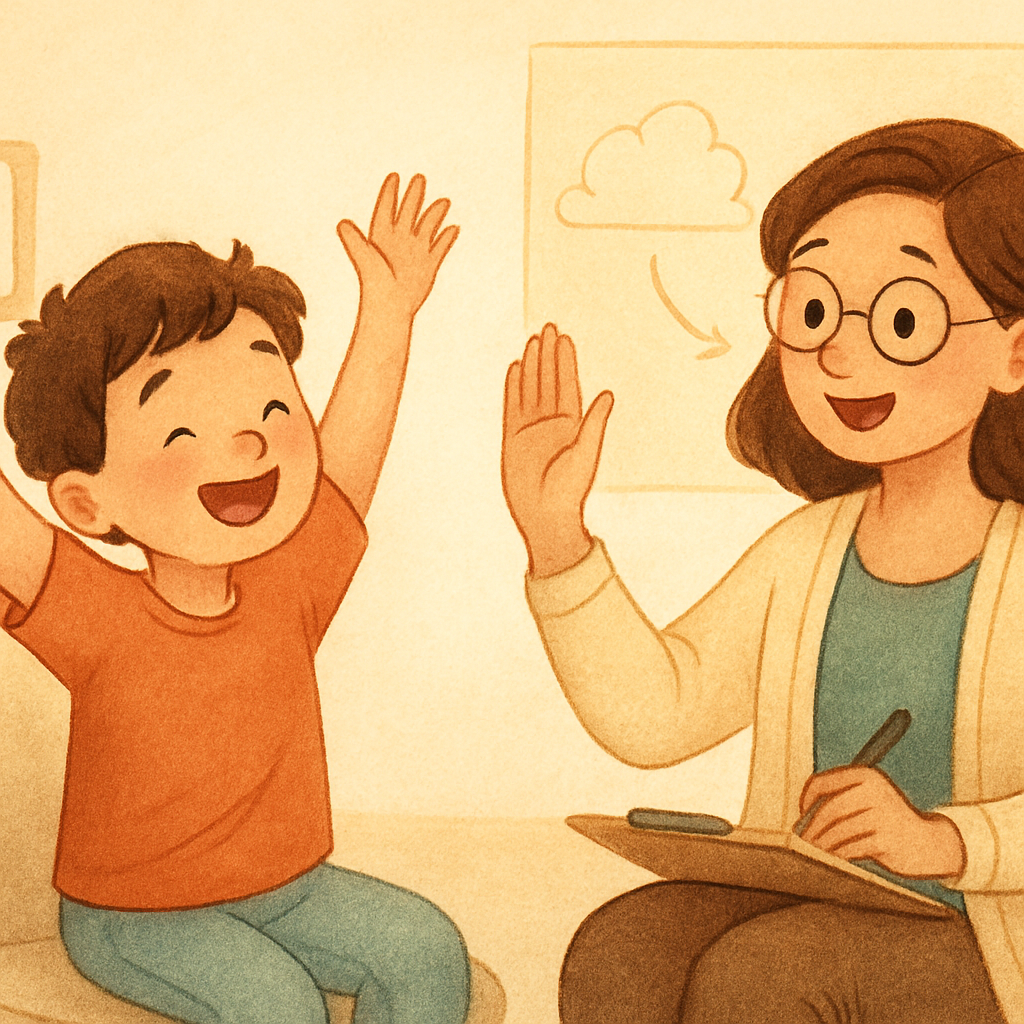
When parents hear "therapy," they often imagine a clinical room with a clipboard. However, Behaviour Therapy for toddlers and preschoolers looks very different. It looks a lot like play.
Whether utilizing Applied Behaviour Analysis (ABA) or the Early Start Denver Model (ESDM), the goal is to follow the child's lead.
Naturalistic Teaching
If your child loves spinning wheels on a toy car, the therapist joins in. They might pause the wheel to encourage the child to make eye contact or say "go." This is behavioral therapy for autism in action—using the child's natural motivation to teach a new skill.
Functional Communication
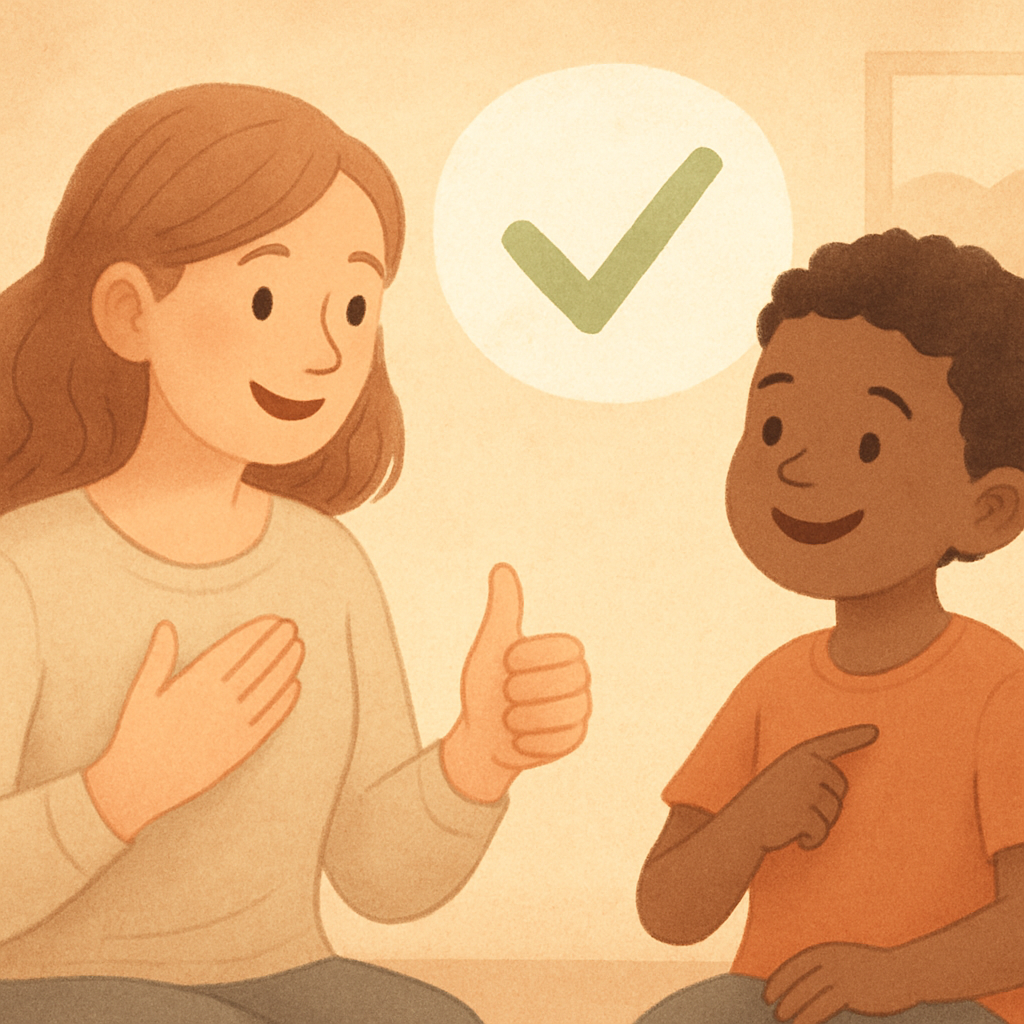
Frustration in young children often stems from an inability to communicate. A core focus of early intervention behavior therapy autism programs is giving the child a voice. This might mean teaching spoken words, sign language, or using a picture board. When a child can ask for "juice" instead of crying for it, their entire world becomes less stressful.
Core Goals of Early Intervention
While every child’s plan is unique, most early intervention programs focus on three pillars:
1. Social Engagement
Autism can sometimes make the social world feel chaotic or uninteresting. Therapy breaks down the barriers to connection.
- Joint Attention: Teaching the child to look where you point and share an experience.
- Imitation: Learning to copy actions (like clapping), which is the precursor to learning language.
2. Adaptive Skills
Independence starts small. Behaviour Therapy breaks complex daily tasks into tiny, manageable steps.
- Example: Washing hands isn't just one command. It is: turn on water -> wet hands -> get soap -> rub hands -> rinse -> dry. By mastering one link in the chain at a time, the child builds confidence.
3. Emotional Regulation
Young children have big feelings. For autistic children, sensory sensitivities can make these feelings even bigger. Therapy helps children identify their emotions and learn soothing strategies, like deep breathing or squeezing a sensory toy, rather than melting down.
The Role of Parents in Therapy
You are your child’s first and most important teacher. Effective early intervention behavior therapy autism programs are not just about the therapist working with the child; they are about coaching you.
"Parent-mediated intervention" is a key component. Therapists teach parents strategies to use during bath time, meal time, and Playground trips. When Behaviour Therapy is woven into the fabric of daily family life, the child gets practice all day long, not just during session hours. This consistency is the secret sauce to rapid progress.
Conclusion
The journey of raising a neurodiverse child is a marathon, not a sprint. However, the first few miles—the early years—are crucial for setting the pace.
Early intervention behavior therapy autism programs provide the map and the compass for this journey. By investing in Behaviour Therapy now, you are not just teaching your child to sit or say words; you are giving them the tools to understand the world and the confidence to take their place in it.
Don't "wait and see." If you suspect your child could benefit from early intervention behavior therapy autism services, we are here to guide you. Our compassionate team specializes in play-based, evidence-driven support for young children.
Contact us today to schedule a consultation or call daar at 02 9133 2500 for an assessment and unlock your child’s potential.
FAQ: Common Questions for Parents
What is the best age to start early intervention?
As soon as possible. You do not need to wait for a formal diagnosis to start addressing delays. If you notice red flags in communication or social interaction at 18 months or 2 years, seeking support immediately allows you to take full advantage of neuroplasticity.
Is behavioral therapy for autism too intense for a toddler?
It shouldn't be. A high-quality program for a young child is designed to be developmentally appropriate. It involves breaks, snacks, naps (if needed), and plenty of floor time play. If a child is distressed, the approach should be adjusted. Learning happens best when a child is happy.
Will my child "grow out" of autism with therapy?
Autism is a lifelong neurotype, not a disease to be cured. The goal of Behaviour Therapy is not to remove the autism, but to remove the barriers that prevent the child from succeeding. It helps them develop the skills to navigate the world independently while embracing their unique way of thinking.
.svg)




.svg)