
.png?width=48&height=48&name=Group%201%20(3).png)























13 February, 2026

Turning Chaos into Calm: The Power of ADHD Behaviour Therapy
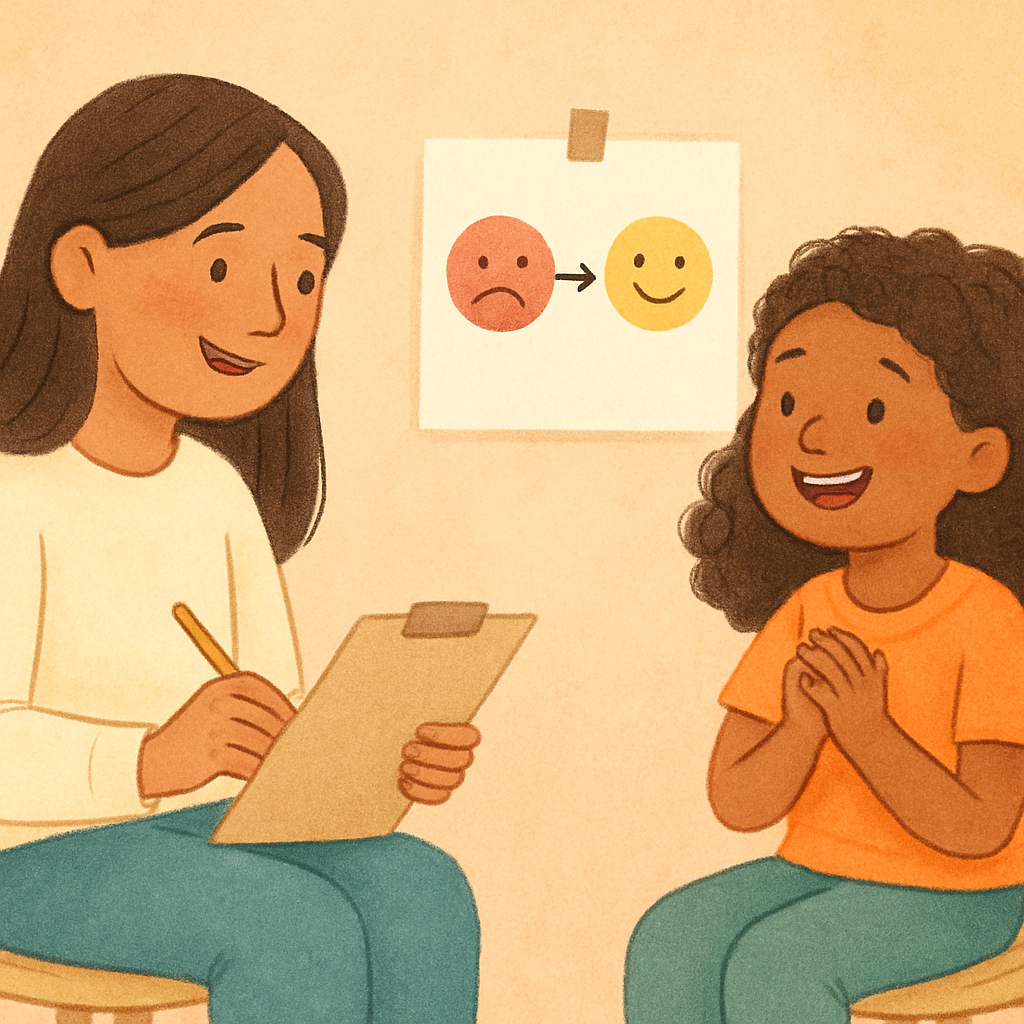
For parents of children with Attention Deficit Hyperactivity Disorder (ADHD), the daily routine can often feel like navigating a minefield. Simple tasks like getting dressed, finishing homework, or sitting through dinner can quickly escalate into battles of will. You might find yourself repeating instructions ten times, dealing with impulsive outbursts, or worrying about your child’s social struggles at school.
In the search for solutions, medication is often the first option presented. While medication plays a crucial role for many, it is not a cure-all. It may help the brain focus, but it doesn't teach the skills needed to organize that focus or manage emotions.
This is where ADHD behaviour therapy shines.
Recognized by health organizations worldwide as a first-line treatment—especially for young children—Behaviour Therapy offers a practical, skills-based approach to managing ADHD. It shifts the focus from "what is wrong with the child" to "how can we change the environment to help the child succeed."
In this guide, we will demystify ADHD behaviour therapy, exploring how it works, why it is effective, and how it empowers both parents and children to build a happier, more harmonious life.
What is Behaviour Therapy for ADHD?
Unlike traditional psychotherapy, which might involve talking through feelings or past events, Behaviour Therapy for ADHD is action-oriented. It is based on the principles of behaviour modification: encouraging positive behaviours through reinforcement and discouraging negative behaviours through consistent consequences.
For a child with ADHD, the brain’s reward system functions differently. They often struggle with delayed gratification and require more immediate, frequent feedback than their neurotypical peers. ADHD behaviour therapy bridges this gap by creating a structured environment where expectations are clear and feedback is instant.
The goal isn't to change the child's personality or suppress their energy. The goal is to:
- Strengthen positive behaviours: Like following directions, sharing, and staying on task.
- Reduce disruptive behaviours: Like interrupting, aggression, or defiance.
- Teach self-regulation: Helping the child learn to pause before acting.
The Three Components of Effective Therapy
Comprehensive ADHD behaviour therapy usually involves a three-pronged approach involving parents, teachers, and the child.
1. Parent Behaviour Training (PBT)
Surprisingly, the most effective part of therapy for young children involves the parents, not just the child. PBT teaches parents the specific skills needed to manage the unique challenges of ADHD.
- The Power of Praise: Children with ADHD receive a disproportionate amount of negative feedback. PBT teaches parents to "catch them being good," using specific praise to reinforce desired actions.
- Planned Ignoring: Learning to selectively ignore minor, attention-seeking behaviours (like whining) to stop reinforcing them.
- Effective Commands: Replacing vague requests ("Be good") with clear, direct instructions ("Please put your shoes in the basket").
2. Classroom Interventions
School is often the biggest hurdle for children with ADHD. Behaviour Therapy extends into the classroom through collaboration with teachers.
- Daily Report Cards: A system where the teacher rates the child on specific goals (e.g., "Stayed in seat," "Completed math work"). If the child meets the goal, they earn a reward at home. This links school performance with home consequences.
- Accommodations: Simple changes like seating the child near the teacher, breaking tasks into chunks, or allowing movement breaks.
3. Child Skills Training
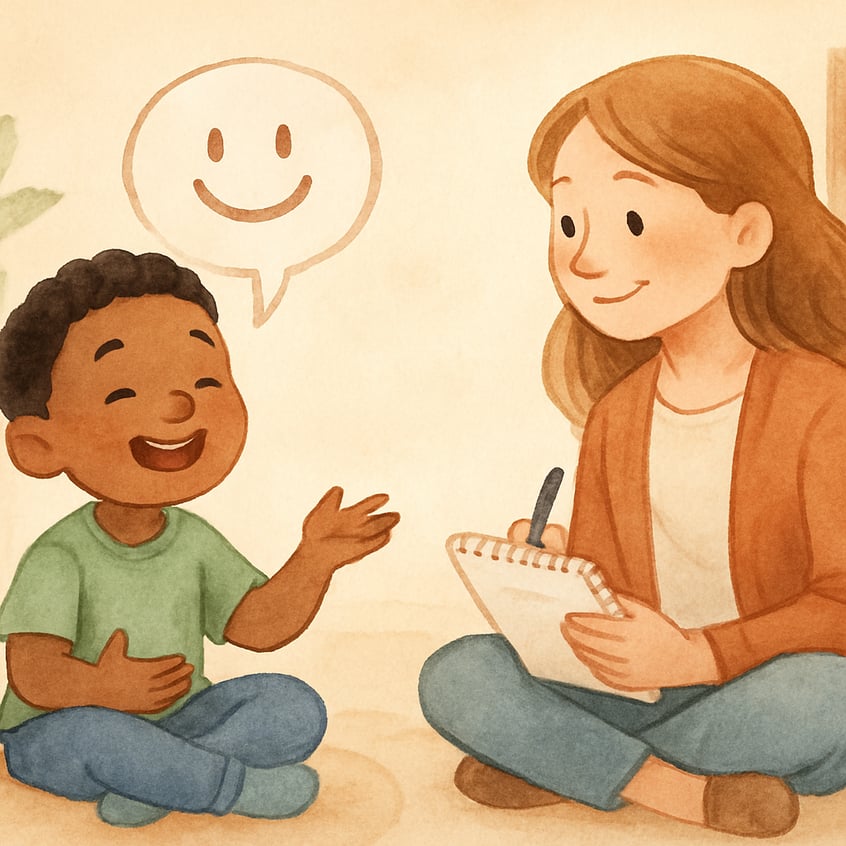
As children get older, they can benefit from direct Behaviour Therapy sessions.
- Social Skills: Learning how to read social cues, wait for a turn in conversation, and handle losing a game.
- Executive Functioning: Learning strategies to use planners, organize school materials, and manage time effectively.
Core Strategies Used in ADHD Behaviour Therapy
Whether implemented by a therapist or practiced at home, these core strategies are the engine of ADHD behaviour therapy.
Token Economies
Because the ADHD brain craves immediate feedback, abstract rewards (like "good grades in three months") are ineffective. Token economies—using charts, stickers, or points—provide a tangible, visual way to track progress.
- How it works: The child earns a token for specific behaviours (e.g., brushing teeth without a fuss). These tokens are then "cashed in" for privileges (e.g., screen time, a trip to the park).
The "When-Then" Rule
This strategy leverages motivation to ensure compliance.
- The Concept: "When you have finished your homework, then you can play video games."
- Why it works: It places the control in the child’s hands. The fun activity is contingent on the responsibility, creating a natural incentive.
Time-Outs (The Reset)
In Behaviour Therapy, time-outs are not about shame or punishment; they are a tool to remove reinforcement.
- The Concept: When a child is aggressive or defiant, they are removed from the fun environment for a short period (usually 1 minute per year of age).
- Why it works: It stops the escalation of emotion and removes the audience. It gives the child (and the parent) a moment to reset before trying again.
The Long-Term Benefits
Investing time in ADHD behaviour therapy yields dividends that last a lifetime.
- Improved Self-Esteem: By shifting the focus to positive reinforcement, children begin to see themselves as capable and successful rather than "naughty" or "lazy."
- Better Relationships: As behaviour improves, the constant friction between parent and child decreases, allowing for a warmer, more connected relationship.
- Skill Acquisition: Unlike medication, which works only while it is in the system, the skills learned in therapy—organization, emotional regulation, social interaction—are internalized and carried into adulthood.
Conclusion
ADHD is a complex condition, but it does not have to define your child’s future or your family’s happiness. ADHD behaviour therapy provides a roadmap out of the chaos.
By understanding how the ADHD brain works and implementing structured, positive, and consistent strategies, you can help your child unlock their full potential. It takes patience, effort, and practice, but the reward—a confident, capable, and happy child—is worth every moment.
If you are looking for guidance on implementing ADHD behaviour therapy or need support for your child, we are here to help. Our team of specialists is dedicated to empowering families with evidence-based strategies.
Contact Us Today to schedule a consultation or call daar at 02 9133 2500 and take the first step toward a calmer, more confident future.
FAQ: Common Questions About ADHD Behaviour Therapy
Is behaviour therapy a replacement for medication?
For children under 6, the American Academy of Pediatrics recommends Behaviour Therapy as the first line of treatment before trying medication. For older children, a combination of both (multimodal treatment) is often most effective. Therapy teaches skills; medication helps the brain focus enough to learn those skills.
Is this just "strict parenting"?
No. While it involves structure, ADHD behaviour therapy is actually rooted in positivity. It requires parents to be much more generous with praise and rewards than typical parenting. It is about being consistent, not harsh.
What if my child resists the strategies?
Resistance is normal, especially in the beginning. This is often called an "extinction burst"—the behaviour gets worse before it gets better as the child tests the new boundaries. Consistency is key. If the reward system isn't working, it may need to be tweaked to be more motivating for the child.
.svg)




.svg)