
.png?width=48&height=48&name=Group%201%20(3).png)























31 December, 2025

Unlocking the Power of Positive Behaviour Support
Introduction
Welcome to a new way of understanding behaviour. Positive behaviour support (PBS) is a compassionate and effective approach that moves beyond simply managing actions. Instead, it seeks to understand the root causes of behaviours to create lasting, positive change. This method, rooted in applied behaviour analysis (ABA), is all about empowering individuals, enhancing their overall quality of life, and supporting their mental health. By focusing on strengths and providing tailored strategies, PBS helps people build the skills they need to thrive in all aspects of their lives.
Key Highlights
-
Positive behaviour support focuses on understanding the reasons behind a person's actions to improve their quality of life.
-
It uses proactive strategies and positive reinforcement to reduce or eliminate challenging behaviour.
-
A personalized behaviour support plan is created to teach new skills and modify environments.
-
This approach aims to foster independence and enhance overall wellbeing and mental health.
-
It involves collaboration between the individual, their family, and support professionals.
-
The goal is to make difficult behaviours unnecessary by addressing unmet needs.
Understanding Positive Behaviour Support
Positive Behaviour Support (PBS) is an evidence-based approach rooted in applied behaviour analysis (ABA) for individuals with intellectual disabilities. Instead of relying on punishment, PBS focuses on understanding the reasons behind behaviours to create personalized interventions that encourage positive change.
PBS aims to improve quality of life by teaching individuals to meet their needs through appropriate behaviours, often replacing challenging actions with better communication methods like speech, gestures, or assistive devices, all under the guidance of a behaviour therapist.
A key feature of PBS is prevention. It proactively adjusts environments and routines—such as classroom layouts, visual schedules, more preferred activities, and clear expectations—to reduce triggers, support success, and teach alternative behaviours.
PBS values collaboration and respect. Interventions are tailored for each person with input from individuals, families, educators, and therapists.
Developed in the late 20th century as a humane alternative to punitive methods, research shows PBS effectively reduces challenging behaviour and builds positive skills and social connections.
Today, PBS is widely used in schools, homes, workplaces, and communities to support people with developmental disabilities, autism, mental health issues, and other challenges.
In summary, PBS shifts away from discipline toward compassionate prevention—focusing on early intervention and skill-building to help individuals thrive in safe, supportive environments.
What is Positive Behaviour Support?
Positive Behaviour Support (PBS) views challenging behaviours as messages about an individual’s needs, feelings, or environment—not just problems to eliminate. Instead of punishing unwanted actions, PBS seeks to understand what drives them and addresses the needs of the individual and root causes.
Positive Behaviour Support (PBS) views challenging behaviours as messages about an individual’s needs, feelings, or environment—not just problems to eliminate. Instead of punishing unwanted actions, PBS seeks to understand what drives them and addresses the needs of the individual and root causes.
Functional behavioural assessments (FBAs) and functional analysis are key in PBS. These assessments help identify when and why certain behaviours occur, ensuring interventions address real needs rather than just symptoms.
Collaboration is central: families, teachers, therapists, and the individual work together to set goals and provide consistent support. This teamwork builds trust and ensures everyone’s input shapes solutions.
PBS emphasizes prevention over reaction by anticipating situations that might trigger challenging behaviour—such as transitions or sensory overload—and proactively using tools like visual schedules or sensory breaks.
The ultimate goal of PBS is to reduce problematic behaviour while increasing independence, self-advocacy, and community participation. Ongoing monitoring allows plans to adapt as needed, empowering individuals while promoting dignity and respect.
In schools and human services, PBS fosters more inclusive environments for all. Its focus on empathy, skill-building, and collaboration makes it a strong framework for supporting positive change across diverse populations.
Core Principles of Positive Behaviour Support
Positive behaviour support is guided by a set of core principles that ensure it remains respectful, effective, and focused on the individual, much like cognitive behaviour therapy. These principles are the foundation of every support plan and are essential for creating meaningful and lasting change for a person and their support network.
Central to PBS is a person-centered approach, a commitment to evidence-based practices, and strong ethical considerations. This framework also prioritizes proactive strategies over reactive ones, focusing on understanding the behaviours of concern while using prevention and positive reinforcement to build skills. Let's look at what these key principles mean in practice.
Person-Centered Approach in Behaviour Therapy
A person-centered approach is key to effective behaviour therapy. It recognizes each individual’s unique experiences, preferences, strengths, and goals, tailoring support to their specific needs.
This holistic method considers the whole person, not just their behaviour. Practitioners identify unmet needs—such as communication, sensory issues, or emotional comfort—to create a supportive environment for growth and independence.
By involving individuals and their families in decision-making, this approach ensures strategies are meaningful and aligned with their values. Collaboration builds trust and empowers individuals to take an active role in their progress.
Evidence-Based Practices and Ethical Considerations
Positive behaviour support is based on evidence-based practices, using proven methods rather than guesswork. Behaviour analysts use functional assessments to objectively understand behaviours and design tailored interventions for individuals with autism spectrum disorder. This data-driven approach allows teams to track progress, adjust strategies, and improve quality of life.
Ethical considerations are central; all interventions must respect the individual's dignity, rights, and freedom, especially concerning substance abuse. The goal is to enhance well-being and independence while minimizing restrictive practices, ensuring support is safe and empowering.
Prevention, Proactive Strategies, and Positive Reinforcement
Positive behaviour support (PBS) focuses on a holistic approach that emphasizes prevention and proactive strategies instead of reacting to challenging behaviours. The aim is to identify triggers and adjust environments, routines, or communication to reduce the need for problem behaviours.
Positive reinforcement—rewarding desired actions with praise, activities, or small items—encourages repeat positive behaviour and strengthens new skills.
By combining proactive adjustments with positive reinforcement, PBS creates an environment for success and growth. Typical techniques include:
-
Teaching communication or social skills to replace challenging behaviours
-
Modifying routines for stability and reduced anxiety
-
Changing environments to minimize sensory overload
-
Using visual aids to clarify expectations and transitions
Who Can Benefit from Positive Behaviour Support?
The benefits of positive behaviour support extend to a wide range of individuals and contexts. Anyone who displays challenging behaviours stemming from unmet needs, communication difficulties, or developmental differences can find value in this approach. It is particularly effective for people who need help developing new communication skills and new skills to improve their social interactions.
From individuals with social behaviour disorders to children with developmental delays in schools and even their families, PBS offers a framework for creating more supportive and understanding environments. The principles can be adapted to fit various settings, making it a versatile and powerful tool for positive change.
Individuals with Social Behaviour Disorders
People with social behaviour disorders—such as anxiety, some personality disorders, or other mental illnesses—often struggle in daily interactions. Their behaviours may be misunderstood, leading to isolation and frustration. Dialectical behaviour therapy and Positive Behaviour Support (PBS) are crucial for these individuals.
PBS helps identify the underlying causes, like intense anxiety or difficulty reading social cues. With this understanding, tailored strategies can be developed to help manage emotions and navigate social situations.
PBS emphasizes building skills over simply managing symptoms. This can include teaching coping strategies for anxiety, offering social skills training, and addressing negative thoughts to create safer, more predictable environments. For those with social behaviour disorders, PBS can boost self-confidence, improve relationships, and enhance quality of life.
Children and Youth in Educational Settings
In schools, Positive Behaviour Support (PBIS) is used to create a safe and positive learning environment for all students. It reduces disciplinary issues by clearly defining, teaching, and reinforcing behavioural expectations, recognizing that behaviour can be a form of communication.
PBIS uses a three-tiered model:
-
Universal support for all students.
-
Targeted help for at-risk groups.
-
Intensive, individualized support for those with persistent challenges.
This approach leads to better student outcomes, including:
-
Improved communication and social skills.
-
Fewer disruptive behaviours and disciplinary referrals.
-
A more positive, respectful school culture.
Families, Carers, and Community Members
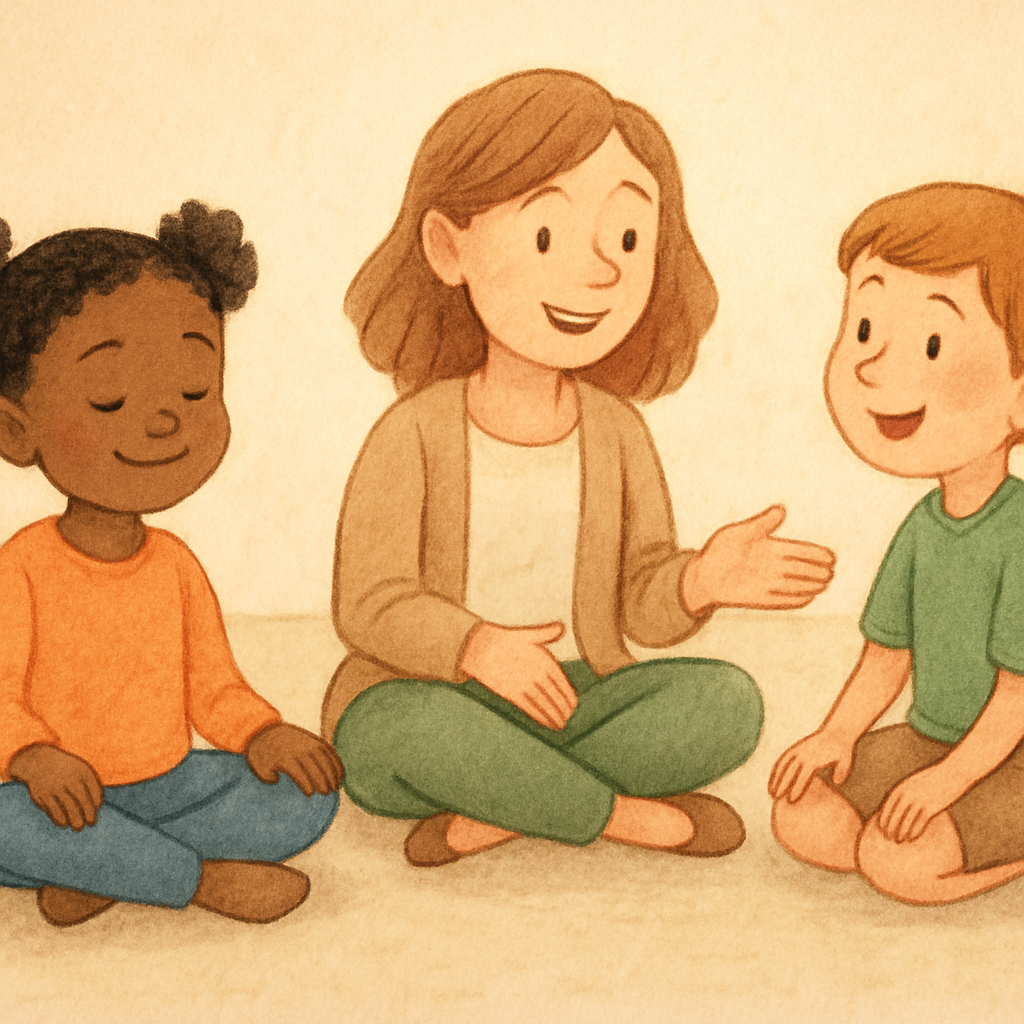
This approach benefits not only the individual but also family members, carers, and the wider community. Challenging behaviours can cause stress and strain interpersonal relationships; PBS offers families practical tools and understanding.
Involving family and carers in developing behaviour support plans ensures everyone learns effective strategies, creating consistency and empowering carers with confidence and skills to respond positively.
This collaboration improves communication, reduces conflict at home, and supports better mental health. Families feel equipped to provide meaningful support, fostering a calmer, more stable environment for everyone to thrive.
Planning and Implementing Behaviour Therapy
Putting positive behaviour support into action requires careful planning and expert implementation. The process begins with a thorough functional assessment to understand the individual’s unique needs and the reasons behind their behaviours, including relevant environmental factors. This analysis is the foundation for creating a truly effective plan.
This crucial information is then used to develop a comprehensive behaviour support plan. This plan is a collaborative document, created by a team of professionals in consultation with the individual and their family. Let’s look at how this plan is developed and the roles of the experts who provide this specialist behaviour support.
Developing a Positive Behaviour Support Plan
A positive behaviour support plan is a proactive, evidence-based approach that addresses the root causes of challenging behavious to improve quality of life. After a thorough functional assessment—using observation, interviews, and pattern analysis—the team identifies why the behaviour occurs. This understanding guides effective, respectful interventions based on best practices. Additionally, several studies, including a b c analysis, further support the effectiveness of these interventions.
The plan is developed collaboratively by professionals, the individual (when possible), and family or caregivers to ensure it fits the person's unique needs and can be used consistently across settings like home, school, or community, including customized treatment plans.
Key components include:
-
Environmental modifications: Adjusting settings to reduce behaviour triggers (e.g., changing classroom layouts or schedules).
-
Skill-building strategies: Teaching communication, social, and coping skills, including active listening techniques.
-
Safe response methods: Clear guidelines for responding to unsafe behaviours with de-escalation—not punishment.
-
Emotional regulation supports: Techniques to help recognize emotions and manage stress, such as relaxation exercises or scheduled breaks.
Plans also involve ongoing monitoring and regular reviews to track progress and make necessary adjustments.
A well-crafted positive behaviour support plan reduces challenging behaviours, builds new skills, promotes independence, and enhances overall well-being.
Roles of Behaviour Therapists, Psychologists, and NDIS Providers
Developing and implementing a successful plan for individuals with mental disorders requires a team of skilled professionals, often led by a behaviour therapist or registered psychologist. These experts conduct assessments, analyze behaviour, and design evidence-based strategies for the core behaviour support plan.
They collaborate with the individual and their support network, including social workers, to tailor the plan to specific needs and goals. They also train family members, carers, and support workers to implement strategies correctly and consistently.
NDIS providers play a key role by offering funded specialist behaviour support and connecting individuals to necessary health services. They coordinate care as outlined in the NDIS plan and facilitate access to a multidisciplinary team—including occupational therapists, speech pathologists, and other specialists—for comprehensive support.
Conclusion
In conclusion, positive behaviour support is a transformative approach that emphasizes understanding and addressing the needs of individuals through proactive strategies and positive reinforcement, drawing on principles of operant conditioning. By fostering a person-centered environment, we can create more inclusive settings for those with social behaviour disorders, children in educational contexts, and their families. The evidence-based practices outlined in this blog highlight the importance of tailoring support to each unique situation, ensuring that all stakeholders are involved in the process.
If you're ready to dive deeper into implementing these strategies, don’t hesitate to reach out for a consultation or call daar at 02 9133 2500. Together, we can unlock the true potential of positive behaviour support!
Frequently Asked Questions
Is Positive Behaviour Support covered by the NDIS in Australia?
Yes, positive behaviour support is funded by the National Disability Insurance Scheme (NDIS). An eligible NDIS participant can receive funding under the "Improved Relationships" category. An NDIS provider can use this funding to develop and implement a behaviour support plan, including findings from a randomized controlled trial, designed to improve wellbeing and mental health.
What are some examples of successful positive behaviour support strategies?
Successful support strategies include using positive reinforcement to encourage desired actions, teaching new skills for communication and social interaction, and modifying environments based on behaviour analysis. Other examples are creating visual schedules to add predictability, incorporating cognitive behavioural therapy (CBT), and teaching emotional regulation techniques to manage stress and frustration effectively.
What challenges might arise when implementing positive behaviour support?
Challenges can include accurately identifying all of an individual's unmet needs and ensuring all support people apply the support strategies in the behaviour support plan consistently, which may include direct observation of behaviours. It can also be difficult to manage a sudden increase in challenging behaviour while staying committed to the positive, proactive approach.
.svg)




.svg)