
.png?width=48&height=48&name=Group%201%20(3).png)
























3 April, 2026

Language Delay Therapy Canterbury: Tips for Success

Key Highlights
- Language delay therapy in Canterbury helps children develop crucial communication skills.
- Early intervention from a qualified speech pathologist is key for long-term language development.
- Therapy options include clinic-based, in-home, and mobile services to fit your family's needs.
- A speech pathologist addresses various issues, including speech sound disorders and social communication challenges.
- Support is available for all age groups, from young children to teenagers, to improve their quality of life.
- Combining speech pathology with occupational therapy can provide comprehensive support for your child.
Introduction
Watching your child’s language development is an exciting journey, but sometimes they may need a little extra support to reach their full communication potential. If you're concerned about your child's communication skills, you're not alone. Language delay therapy in Canterbury offers specialized assistance to help young children find their voice and express themselves confidently. Early intervention is a powerful tool that can set the stage for future success in school and social situations, ensuring your child has the best start possible.
Understanding Language Delay Therapy in Canterbury
In Canterbury, language delay therapy is a specialized area of speech pathology focused on helping children who are not meeting their communication milestones. This early intervention is essential for healthy child development, as it provides targeted support to build a strong foundation for speaking and understanding. There are early intervention services available in Canterbury specifically for children with language delay, offering assessments and individualized therapy programs designed to address each child's unique needs as soon as possible.
Therapists work with families to create personalized plans that address specific challenges related to a language delay. The goal is to make communication easier and more rewarding for your child. The following sections will explain what a language delay is and how to spot the signs.
Definition and Key Features of Language Delay
A language delay means a child's language skills develop more slowly than their peers, affecting their ability to understand and express thoughts, needs, and feelings. Unlike speech sound disorders, which involve trouble pronouncing words, language delays focus on comprehension and expression.
These challenges can be frustrating for both children and families. A child may have a limited vocabulary, struggle with sentences, or find it hard to follow directions. However, with early intervention support and support, many children catch up.
Early identification is crucial. Speech pathologists in Canterbury are trained to spot language delays and create effective therapy plans that incorporate positive behaviour support. Using play-based activities, they make learning engaging and help children improve their communication skills.
Common Signs and When to Seek Support
Knowing when to seek help for your child can be challenging, but trust your instincts. If your child is falling behind in communication milestones compared to peers, consider consulting a professional. Communication issues may signal other developmental delays or autism spectrum disorder.
Watch your child’s speech and interactions for clues. Early support can boost progress, reduce frustration, and build confidence, knowing that your child is in safe hands. If you’re concerned, contacting a speech pathologist for an assessment is a smart first step.
Common signs to watch for:
- Limited babbling or vocabulary for their age
- Trouble understanding simple instructions or questions
- Difficulty forming sentences
- Speech that others find hard to understand
- Frustration when trying to communicate
Language Delay Therapy Options Available in Canterbury
Families in Canterbury have access to a range of flexible therapy services designed to support children with language delays, including options that align with your NDIS plan. These options ensure you can find a solution that fits your child’s needs and your family’s lifestyle. Speech pathology services are offered in various settings, and some providers even combine them with occupational therapy for a more holistic approach.
Whether you prefer a structured clinic environment or the comfort of your own home, there are daar’s programs available. Let's look at the different ways you can access therapy, including traditional clinic-based services and convenient mobile solutions.
Clinic-Based and In-Clinic Services
Clinic-based speech therapy offers a structured setting with specialized tools to make sessions engaging and effective, helping children reach their full potential. In private practice, speech pathologists provide comprehensive assessments and one-on-one therapy tailored to your child’s needs.
The clinic environment minimizes distractions and supports collaboration with other therapists if needed, helping establish a consistent therapy routine.
When choosing a speech therapist, ask about their approach and what sessions involve. An initial consultation can help ensure the clinic and therapist are the right fit for your family.
Mobile, In-Home, and Community Therapy Solutions
For families in Canterbury, mobile and in-home therapy offer convenience and comfort. A qualified speech pathologist comes to your home, at your child’s school, or daycare, allowing your child to learn new skills in a familiar setting.
In-home therapy integrates sessions into daily routines using your child’s own toys and activities, making learning practical and easy to continue between visits. Mobile therapists work with you to incorporate communication goals into everyday life.
These flexible services are available through private payment or funding options like home care packages. They provide consistent support, facilitated by a supportive team, without the need to travel, making therapy a seamless part of your week.
Age Groups Supported by Canterbury Therapists
Language delay therapy in Canterbury is not just for one specific age; it supports people of all ages. Therapists create individualized therapy plans to meet the unique needs of each person, from toddlers just learning to talk to teenagers navigating complex social interactions. The focus is on providing age-appropriate support that builds confidence and improves communication.
For young children, the emphasis is on early intervention for 2 year old children, while for older kids, therapy may target more advanced language and social skills. The following sections explore how therapists adapt their approaches for different age groups.
Early Childhood and Preschool-Aged Children
Early intervention is key for treating language delays in young children. In Canterbury, therapists use play-based activities to make learning engaging and fun, helping kids build essential communication skills.
Therapy is woven into daily routines so children can practice during everyday moments. Parents and caregivers also receive practical strategies to support their child’s progress at home—whether encouraging first words or helping form simple sentences, the goal is to boost confidence early on.
Addressing delays quickly leads to better long-term outcomes. By working closely with families, therapists help give children the strongest possible start in communication.
School-Aged Children and Teenagers
For school-aged children and teens, language delay therapy evolves to address more complex academic and social language needs. Support may include understanding classroom instructions, writing essays, or joining group discussions.
Therapy often involves collaboration with schools to ensure skills carry over into the classroom. Social communication is a focus, helping teens interpret social cues, take turns in conversation, and form connections, which is often a focus in autism assessments.
The goal is to build practical skills and confidence for academic and social success. By targeting specific challenges, daar’s workshops and therapy empower young people to participate fully at school and in their communities.
Specialized Therapy Approaches for Language Delays
Therapists in Canterbury use a variety of specialized therapy approaches to address language delays effectively. These methods are tailored to each child's unique needs, ensuring they receive the most appropriate support. Speech pathology may be combined with other disciplines, like occupational therapy, to provide a holistic treatment plan.
From focusing on the mechanics of speech to exploring alternative communication methods, therapists have many tools at their disposal. Let's look at some specific approaches, such as voice therapy and the integration of different therapeutic services.
Voice Therapy Canterbury Services for Language Development
While often associated with issues like hoarseness, voice therapy can also play a role in overall language development, particularly in cases such as traumatic brain injury. It focuses on improving the quality, pitch, and volume of the voice, which are all important components of effective communication skills. For some children with language delays, strengthening their vocal production can build confidence in using their voice.
During a child's first session, speech therapists will conduct an assessment as part of the process to understand their unique profile. This may involve gentle, play-based activities to observe how the child uses their voice and language. The therapist will get to know your child, discuss your concerns, and explain the therapy process in a way that makes everyone feel comfortable.
Based on this initial meeting, the therapist will develop a plan that targets specific language skills. The goal is to create a supportive and encouraging environment where your child can practice and improve their communication, one step at a time.
Combining Speech Pathology and Occupational Therapy
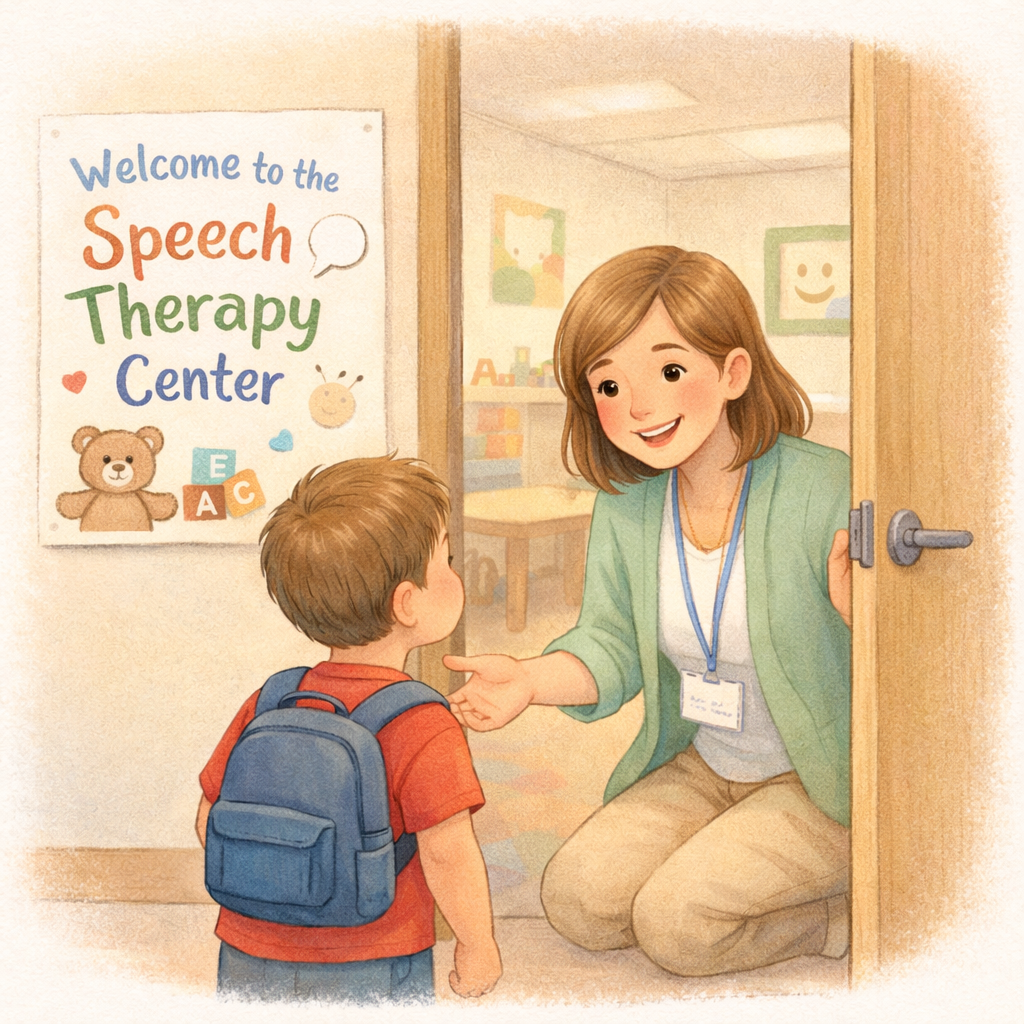
Yes, combining speech pathology services with support from occupational therapists is a powerful and common approach for treating language delays in Canterbury. This collaborative model provides holistic care that addresses the whole child, including their mental health. While a speech pathologist focuses on communication, an occupational therapist helps with skills needed for daily life, such as fine motor control and sensory processing.
This integrated approach builds on the child’s strengths and provides comprehensive support, including emotional regulation. For example, an occupational therapist might help a child develop the physical coordination needed for activities that a speech pathologist uses to encourage language. Working together, these professionals create a unified plan that supports all areas of a child’s development.
This teamwork ensures that therapy goals are reinforced across different settings, making progress more consistent and meaningful in daily life.
|
Therapy Type |
Focus Area |
Example Activities |
|---|---|---|
|
Speech Pathology |
Communication, language, and speech skills. |
Using games to build vocabulary, practicing sentence structure, and improving pronunciation. |
|
Occupational Therapy |
Fine motor skills, sensory processing, and daily living tasks. |
Activities to improve handwriting, managing sensory sensitivities, and developing self-care routines. |
Conclusion
In conclusion, navigating language delay therapy in Canterbury can be a rewarding journey for both children and their families. Understanding the various therapy options, age groups supported, and specialized approaches available will empower you to make informed decisions tailored to your child's needs. By being proactive and seeking support, you can help foster essential communication skills that will benefit your child in countless ways. Remember, every step taken in this process is a step towards greater confidence and connection for your child.
If you're ready to explore the best options for your family, don't hesitate to reach out for a consultation or call daar at 02 9133 2500 for local professionals or clinics for guidance and support.
Frequently Asked Questions
How effective is language delay therapy in Canterbury?
Language therapy in Canterbury is highly effective, especially with early intervention. Consistent therapy sessions help young people build essential communication skills, improve confidence, and catch up to their peers every step of the way. The success of speech therapy services depends on personalized goals and active family participation, leading to significant long-term progress.
Can language delay therapy help with specific disorders like autism or hearing impairment?
Yes, a speech pathologist can tailor therapy to address communication difficulties associated with autism spectrum disorder, autism daar hearing impairments, and neurological conditions. They may introduce alternative communication methods or targeted strategies to help individuals express themselves effectively, manage social interactions, and overcome specific challenges related to their condition.
Where can I find more information about pediatric language delay therapy in Canterbury?
To find more information about the national disability insurance scheme and speech pathology for young children in Canterbury, you can start by consulting with allied health providers in your area. Many clinics offer important information on their websites, including details on services and how to complete a referral form to begin the assessment process.
.svg)




.svg)