
.png?width=48&height=48&name=Group%201%20(3).png)























4 February, 2026

Socialised Behaviour Therapy for Kids: A Comprehensive Guide
Introduction
Is your child struggling with big emotions or challenging behaviours? You are not alone. Many parents look for ways to support their child's well-being. Behaviour therapy is a powerful and effective form of therapy that helps kids learn to manage their feelings and behaviours in healthy ways. This approach can equip your child with valuable new skills to navigate life’s challenges, improving their confidence and social skills. Let’s explore what this therapeutic approach involves and how it can benefit your child. In socialised behaviour therapy for kids, the focus is primarily on skill-building, positive reinforcement, and supportive strategies. Restrictive practices are generally avoided, as the goal is to create a safe and encouraging environment that helps children learn and grow rather than using punitive or restrictive measures.
Key Highlights
- Socialised behaviour therapy helps your child learn new skills and healthy habits to replace challenging behaviours.
- This form of therapy uses techniques like positive reinforcement to encourage better choices.
- It is an effective treatment for improving social skills, confidence, and emotional regulation.
- Therapy sessions are often engaging, using games and role-playing to teach new coping strategies.
- The goal is to improve your child's overall quality of life by addressing the link between thoughts, feelings, and actions.
Key Benefits of Socialised Behaviour Therapy
Socialised behaviour therapy provides children with the tools they need to manage their emotions and actions effectively. This approach focuses on skill development, teaching new skills that lead to lasting positive change. By learning to handle challenges constructively, children can improve their relationships and overall happiness.
In a supportive environment, your child learns to replace negative behaviours with positive ones. This not only boosts their confidence but also helps create a more harmonious family dynamic. If you're a parent looking to get started with socialised behaviour therapy for your child, consider reaching out to a licensed therapist who specializes in behavioral interventions. They can guide you through the initial assessment process, set achievable goals tailored to your child's needs, and recommend therapy sessions or group programs that foster social and emotional development. Below, we'll look at how this therapy specifically enhances communication and emotional regulation.
Social Skill Development and Communication Enhancement
A key benefit of this therapy is building social skills. It improves communication and conflict resolution, helping children form and maintain friendships. Therapists teach specific skills for successful interactions, boosting your child’s comfort and confidence with others. When searching for a specialist or therapist for socialised behaviour therapy, look for someone with experience working specifically with children’s social skill development and communication enhancement. It’s important that the therapist uses evidence-based techniques and fosters a supportive environment where your child feels safe to practice new skills.
Children learn to:
- Share and take turns
- Express needs and feelings
- Understand social cues
- Resolve conflicts positively
Practicing these skills in a safe setting helps children apply them in daily life, leading to stronger relationships with peers and family, and a happier childhood.
Support for Emotional Regulation and Resilience
Socialized behavior therapy effectively teaches children emotional regulation, helping them identify and express feelings in healthier ways. This reduces outbursts and other challenging behaviors, supporting long-term mental health. For families seeking support, there are government programs and NDIS funding options available for socialized behavior therapy. These resources can help make therapy more accessible, ensuring children receive the emotional regulation and mental health support they need. As children master their emotions, they gain confidence and resilience, learning to handle difficult situations without feeling overwhelmed. This boost in self-esteem prepares them to face future challenges positively.
As children master their emotions, they gain confidence and resilience, learning to handle difficult situations without feeling overwhelmed. This boost in self-esteem prepares them to face future challenges positively.
By building these skills, therapy strengthens your child’s ability to bounce back from setbacks—essential for navigating school, friendships, and life’s ups and downs—promoting overall well-being.
Positive Behaviour Support (PBS) in Children’s Therapy
Positive Behaviour Support (PBS) plays a crucial role in children’s therapy, focusing on fostering positive actions and developing essential social skills. By creating a supportive environment, therapists can employ techniques aimed at teaching new skills and encouraging emotional regulation. Parents often work alongside specialists to develop a tailored behaviour support plan that addresses the individual needs of their child, whether it involves dealing with challenging behaviours or enhancing overall quality of life. This holistic approach transforms therapy sessions into a pathway for positive change.
What is Positive Behaviour Support?
Positive Behaviour Support (PBS) is a proactive approach that enhances children’s quality of life by promoting desired behaviors while reducing challenging ones. It involves understanding the reasons behind behaviors and implementing tailored strategies to encourage positive changes in various environments, especially in therapy settings. Socialised behaviour therapy differs from other forms of behaviour therapy for children in that it specifically focuses on teaching and reinforcing social skills within group or peer contexts, aiming to help children interact effectively with others and build positive relationships. Other behavior therapy approaches may concentrate more on individual behavior management strategies or skill acquisition, without emphasizing the social aspect as strongly.
PBS Techniques Used in Australian Settings
In Australian settings, Positive Behaviour Support (PBS) techniques are tailored to meet the unique needs of children. These strategies focus on reinforcing positive actions, promoting social skills, and enhancing emotional regulation within a supportive environment. Behaviors are analyzed to create individualized behaviour support plans that minimize challenging behaviours while fostering personal growth. Engaging therapy sessions may include parent behavioral training and the incorporation of early intervention methods, ensuring that young children develop essential communication skills and build healthy habits for their social interactions.
Socialised Behaviour Therapy for Children with Autism
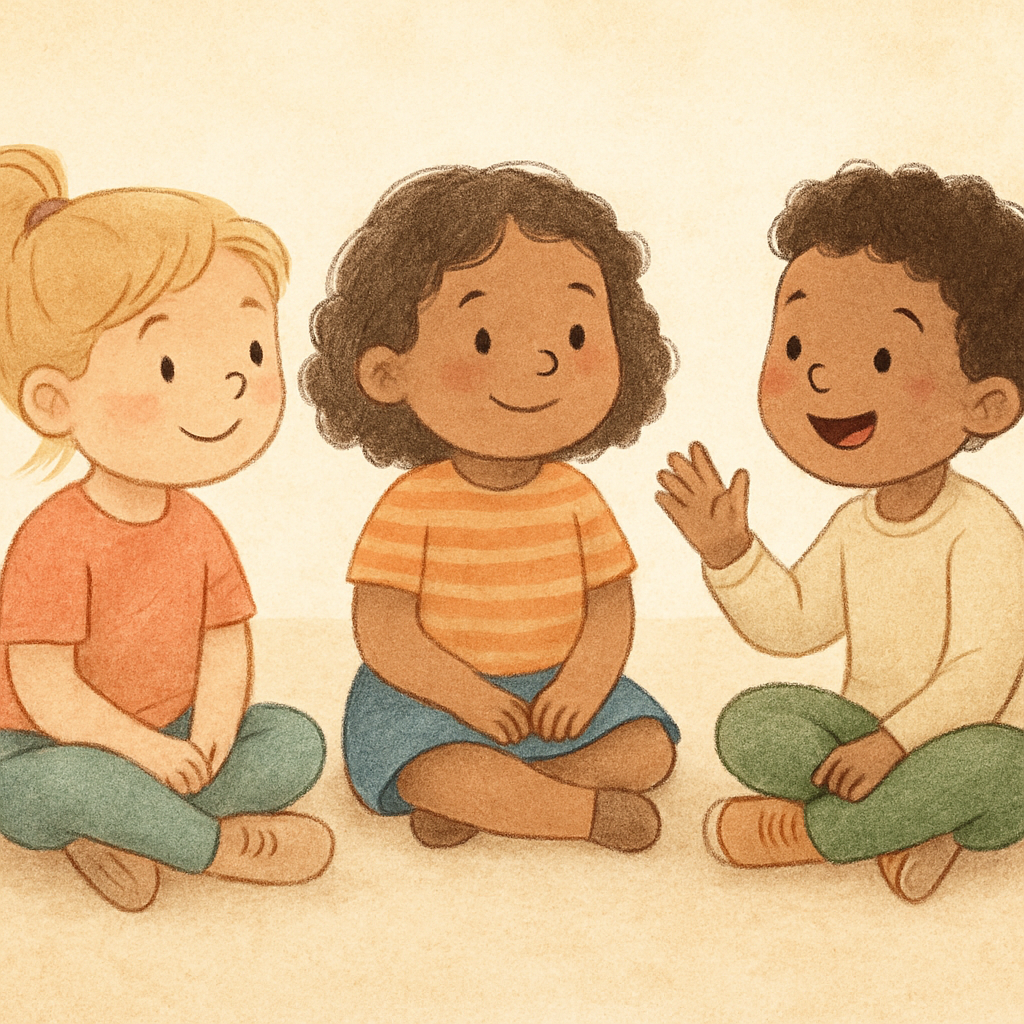
For children with autism spectrum disorder and other developmental disorders, socialised behaviour therapy is a highly effective treatment. This approach is tailored to address the unique challenges these children face, particularly in communication and social interaction. It provides structured support to help them navigate social situations more successfully.
Therapy focuses on building skills and reducing harmful behaviours through a personalized behaviour support plan. The goal is to improve their overall quality of life and participation in the community. Next, we will discuss the strategies used and how therapy is adapted.
Effectiveness and Common Strategies
Behavioral therapy is highly effective for children with autism. It builds essential social skills and coping mechanisms, greatly improving quality of life. Sessions are hands-on and tailored to each child's learning style.
Therapists use targeted strategies to teach new skills and reduce challenging behaviors, such as breaking down social cues or using visual aids. The goal is to create positive learning experiences.
Common techniques include:
- Role-playing to practice social interactions
- Teaching emotional recognition and regulation
- Establishing structured routines for stability
Adapting Therapy to Diverse Learning Needs
A key strength of socialized behavior therapy is its adaptability to different learning needs. Specialists assess each child’s strengths and challenges, then create a personalized support plan with targeted techniques and goals.
This approach also considers the child's unique personality and temperament. Whether strong-willed, sensitive, or free-spirited, the therapy works with—not against—their natural tendencies, making treatment more effective and helping parents understand underlying behaviors.
Personalized plans ensure your child gets the right support for their specific challenges, helping them build new skills and manage behaviors more effectively.
Conclusion
In conclusion, Socialized Behavior Therapy offers an effective way to boost children’s social skills and emotional resilience. Blending socialization with behavioral strategies, it improves communication and adaptability in different social settings. This therapy supports emotional regulation and positive behavior, giving children—especially those with autism—tools to better navigate their world. Interested in learning more?
Contact us for a consultation or call daar at 02 9133 2500 and start your child’s journey toward stronger social skills and emotional well-being today.
Frequently Asked Questions
What is Socialized Behavior Therapy and how does it work for children?
Socialized Behavior Therapy is a structured approach aimed at improving children's social skills and emotional understanding. It utilizes interactive techniques to foster communication, enhance relationships, and teach coping strategies, ultimately supporting children in navigating social situations effectively.
What are the key benefits of Socialized Behavior Therapy for kids?
Socialized Behavior Therapy offers numerous benefits for children, including enhanced social skills, improved communication, emotional regulation, and increased resilience. Through tailored techniques, it fosters positive interactions and supports children's ability to navigate social situations effectively.
How can parents support their child during Socialized Behavior Therapy sessions?
Parents can support their child during Socialized Behavior Therapy by actively participating in sessions, encouraging open communication, and reinforcing learned skills at home. Additionally, providing a calm environment and being patient helps build trust and confidence in the therapeutic process.
.svg)




.svg)