
.png?width=48&height=48&name=Group%201%20(3).png)























4 March, 2026

The Importance of Early Intervention in Education
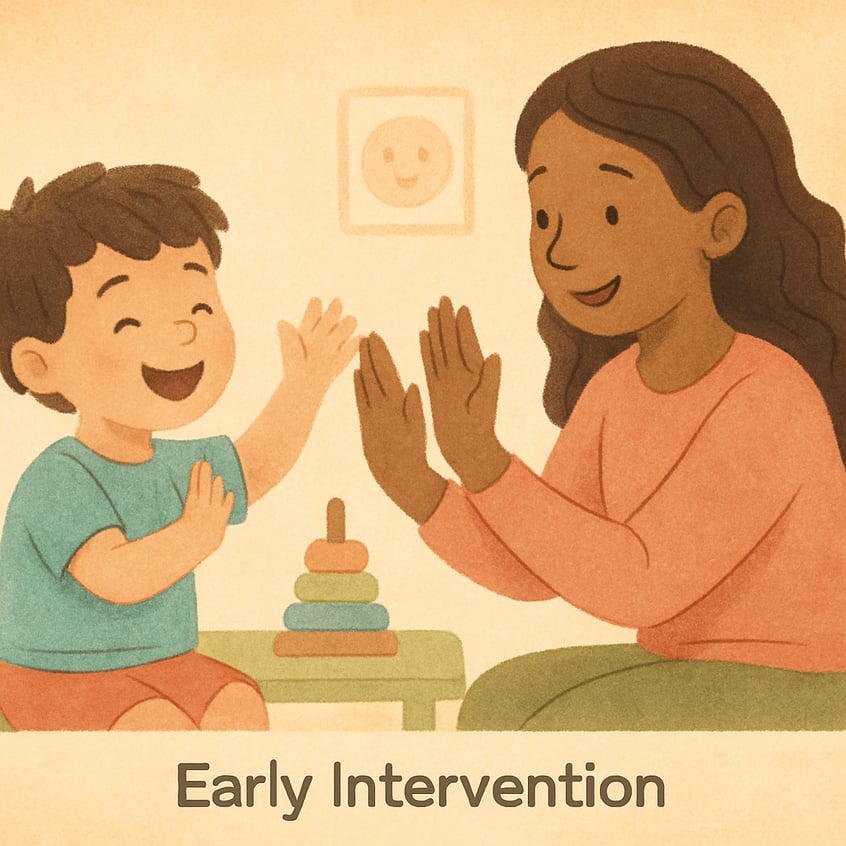
Key Highlights
- Early intervention provides crucial support for young children with developmental delays or on the autism spectrum, starting as soon as concerns arise.
- The first few years of life are a key window of opportunity for learning, making early childhood intervention highly effective.
- You don't need a formal early diagnosis to access support services; starting early is the most important step for positive outcomes.
- Effective programs often include behavior support and therapies like Applied Behavior Analysis to help children develop essential skills.
- Early support helps children reach their full potential, improving their quality of life and long-term educational success.
Introduction
Have you ever wondered about the importance of early intervention in a child's education? It’s a term for providing specialized support as soon as developmental concerns appear. For children with developmental delays or autism, starting these services early can make a significant difference. Early support leverages a critical period of brain growth, helping children build foundational skills for communication and social interaction. This approach is not just about addressing challenges; it's about unlocking a child's potential and setting them on a path for lifelong success in their child development journey.
Early Identification and Its Impact on Child Development
Early intervention supports infants and young children with developmental delays or disabilities, such as autism. By addressing challenges during early childhood—the most rapid period of development—therapists and families can build essential skills before delays worsen.
Why is this crucial? Early diagnosis or concern identification enables immediate action. Addressing missed milestones gives children tools to succeed in school and life. Timely support can positively change a child's developmental path. Next, we'll explore why early detection matters and how intervention programs work.
Why early detection matters for young children’s development
The early years of a child's life are marked by rapid brain growth and high adaptability, making it easier to learn new skills. Early detection of developmental delays or autism allows professionals to leverage this brain plasticity.
Early intervention has a stronger, lasting impact by addressing communication, social, and behavioral challenges during these formative years. It builds a solid foundation for future learning, reduces the need for intensive services later, and improves long-term outcomes.
Taking action early helps children with developmental challenges thrive—not just catch up. It supports their emotional growth, boosts confidence, and enhances their overall quality of life and potential.
How early intervention works for children under 9 years old
Early childhood intervention for children under nine starts with a detailed assessment to identify their strengths and needs. Based on this, a personalized plan with clear goals is developed, focusing on communication, emotional regulation, and social skills.
Strategies are tailored to each child and often use play-based learning, a natural way for young children to develop new skills. Therapies like Applied Behavior Analysis (ABA) are frequently included to teach positive behaviors through reinforcement.
The main goal is to maximize learning while the brain is rapidly developing. Programs are flexible and can take place at home, in clinics, or specialized centers to fit the family’s routine and target key developmental milestones.
Accessing Early Intervention Services in Australia
Navigating early intervention services can be overwhelming, but families in Australia have clear pathways to support. You don’t need a formal diagnosis to get started—if you’re concerned about your child’s development, seek help immediately.
Early action is crucial. Programs are designed to begin in early childhood, and the National Disability Insurance Scheme (NDIS) offers key funding for therapies and support. Here are the steps you can take and how professionals work together to help your child.
Steps for families to access early childhood intervention through the NDIS and other pathways
Accessing early intervention in Australia begins by recognizing your child’s needs and seeking guidance. The National Disability Insurance Scheme (NDIS) is the main source of funding for children with developmental delays. Even while waiting for NDIS approval, you can act.
If you have concerns, talk to your family doctor or a child health nurse for referrals and resources. The NDIS offers an early childhood approach for children under 9, focusing on timely support.
General steps to access services:
- Contact the NDIS or an Early Childhood Partner to discuss concerns and check eligibility.
- Gather relevant reports from doctors, educators, or therapists.
- Work with an Early Childhood Partner to create a personalized plan, which may include therapies or parent training.
- Research and choose service providers that best fit your child and family.
Collaborations between early intervention professionals, schools, and families
Effective early intervention relies on teamwork. Strong collaboration between families, professionals, and schools ensures children receive consistent support across therapy, home, and school settings.
Speech therapists, occupational therapists, and social workers work together to create a holistic plan, sharing strategies with parents and teachers. This unified approach tailors support to the child's needs for better results.
Active family involvement—through feedback and reinforcing learning at home—boosts progress. Regular meetings help monitor growth and adjust strategies as needed. This partnership not only supports development but also enhances the child’s overall quality of life by building a strong support network.
Behavior Support Within Early Childhood Intervention
Behavior support is a key component of many early childhood intervention programs. It focuses on understanding why a child exhibits challenging behaviors and teaching them more functional and appropriate ways to communicate their needs. This approach is grounded in behavior analysis and uses strategies that promote positive change.
The goal of positive behaviour support is not just to manage behavior but to improve a child’s quality of life. This involves teaching new skills and creating supportive environments that reduce the likelihood of challenging behaviors. It also includes careful management of any restrictive practices to ensure the child’s safety and dignity. The following sections explore specific strategies and interventions used in behavior support.
The role of behavior support strategies for young children in both home and classroom settings
Behavior support strategies help young children learn adaptive behaviors at home and in the classroom. These proactive, positive approaches teach skills instead of punishing behavior, creating predictable routines that make children feel safe and understood.
Parents can use these strategies to improve routines and strengthen bonds, while teachers foster social interaction and inclusivity. Consistency across settings helps children apply new skills everywhere.
Effective strategies include:
- Positive reinforcement for desired behaviors
- Teaching communication skills
- Modifying environments to prevent triggers
- Clear, predictable schedules to reduce anxiety
By understanding the reasons behind behaviors, these strategies empower children to develop coping and social skills.
Early Intensive Behavioral Intervention (EIBI) and management of restrictive practices
Incorporating early intensive behavioral intervention (EIBI) can profoundly influence the management of restrictive practices associated with autism spectrum disorder. By utilizing applied behavior analysis, EIBI addresses the unique needs of young children, fostering essential skills such as communication and social interaction. It actively promotes positive behaviors while reducing harmful ones, which significantly enhances a child’s everyday routines and overall quality of life. Support services, like parent training and specialist behavior support, further empower families, ensuring effective strategies are in place for long-term success.
Long-Term Benefits of Early Intervention for Children and Society
Early intervention benefits extend beyond childhood. Supporting children during crucial development builds a strong foundation for future success, reduces risks, and helps them reach their potential. These positive effects impact not only the child but also their family and community.
Children who receive early help are more likely to succeed in school, form healthy relationships, and lead independent lives. This improves quality of life and lowers the need for intensive support later. Next, we'll examine the lasting developmental, educational, and societal outcomes of quality early intervention.
Lasting developmental, educational, and societal outcomes from quality early intervention
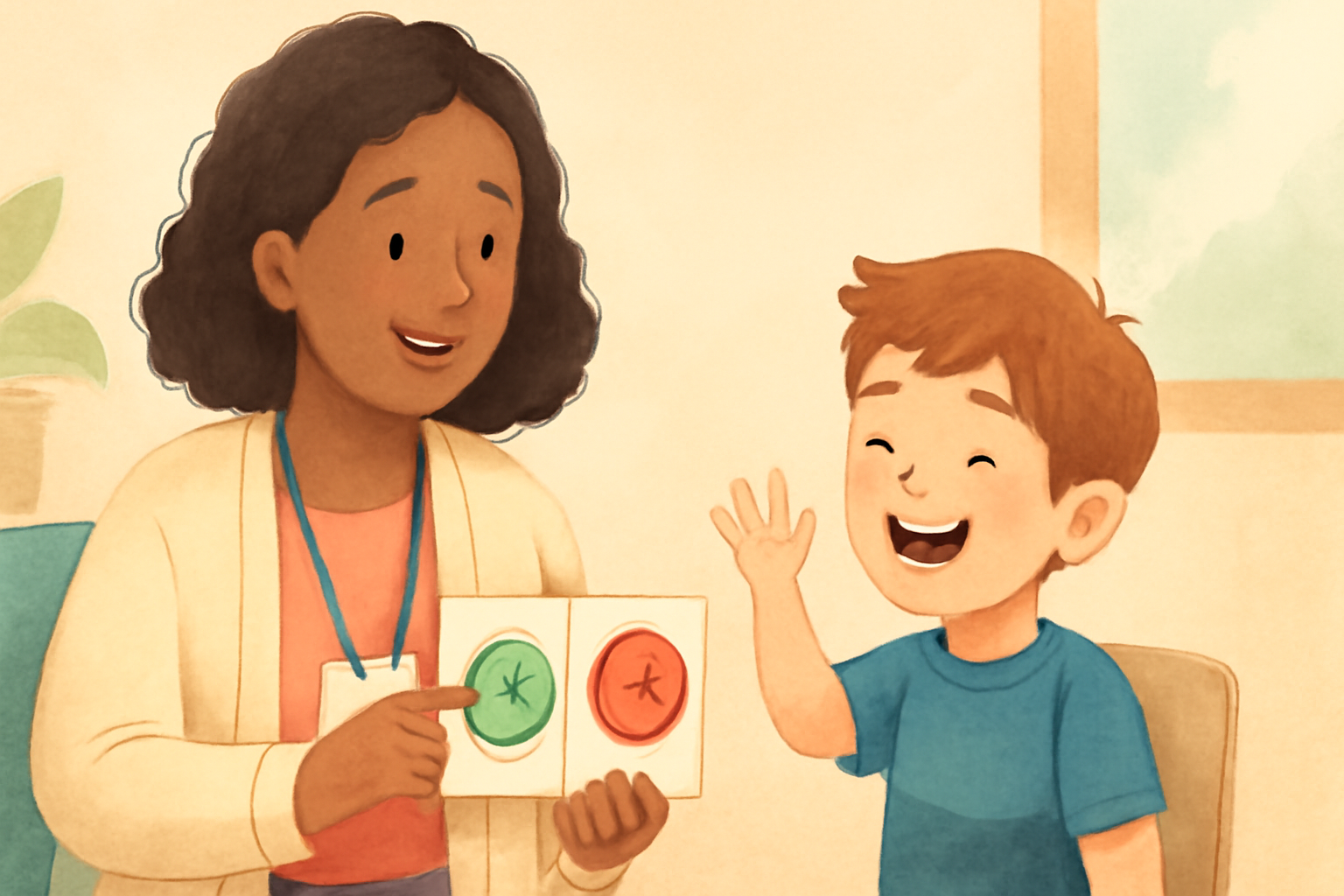
Quality early support has a ripple effect that creates lasting positive changes throughout a person's life. Developmentally, children who receive timely intervention often show significant gains in cognitive development, language abilities, and social skills. These improvements help them engage more fully with their peers and the world around them, setting the stage for healthier emotional development.
In terms of educational outcomes, these children are more likely to succeed in mainstream classrooms and are less likely to require special education services as they get older. This early boost in learning and confidence translates into better academic performance and higher graduation rates, opening doors to more opportunities in adulthood.
From a societal perspective, early intervention is a wise investment. Individuals who received early support are more likely to be employed and participate actively in community life. This reduces the long-term costs associated with healthcare and social services, while fostering a more inclusive and productive society where everyone has the chance to contribute.
Conclusion
In conclusion, early intervention is essential for supporting a child’s academic and social development. Addressing challenges early with effective strategies improves learning and well-being. Strong partnerships among parents, educators, and specialists create a supportive network for growth and resilience. These efforts benefit not only the child but also society by nurturing confident, capable individuals. Explore available resources and get involved today!
Reach out for a consultation or call daar at 02 9133 2500 for expert guidance tailored to your child’s needs.
Frequently Asked Questions
What are some signs that a child may need early intervention in their education?
Signs can include not meeting developmental milestones for their age, such as delays in speaking, walking, or social interaction. Other indicators might be difficulty with eye contact, repetitive behaviors, or challenges with emotional regulation. If you notice any signs of a developmental delay or possible autism symptoms, seeking an early diagnosis or assessment for early intervention is recommended.
How can parents advocate for early intervention services within the school system?
Parents can advocate by documenting their child’s needs and communicating openly with teachers and school administrators. Request meetings to discuss available support services and early intervention strategies. Participating in parent training and understanding your rights within the school system will empower you to ensure your child receives the necessary support during their early years.
What types of early intervention programs are available for children with learning difficulties?
Various early intervention program options exist, depending on the child's needs. These often include speech therapy to improve communication, occupational therapy for daily living and sensory skills, and special education services for academic support. For behavioral challenges, programs may incorporate Applied Behavior Analysis (ABA) to teach new skills and behaviors.
.svg)




.svg)