
.png?width=48&height=48&name=Group%201%20(3).png)























6 January, 2026

Speech Therapy: Understanding Its Benefits for Children
Introduction
Have you ever wondered what speech speech therapy is and how it works? It is a specialized treatment designed to improve your ability to talk and use other language skills. A trained professional, known as a speech-language pathologist or speech pathologist, works with you to find exercises that meet your specific needs. Speech therapy helps you express your thoughts, understand what others are saying, and manage various communication disorders. Ultimately, it can significantly improve your confidence and quality of life.
Key Highlights
-
Speech therapy is a specialized treatment that helps both children and adults improve their communication and language skills.
-
Conducted by speech pathologists, these sessions address various speech disorders and language development challenges.
-
Therapy is not just for speaking; it can also help with swallowing difficulties, memory, and problem-solving skills.
-
Early intervention is highly effective for children, greatly improving school readiness and social abilities.
-
Speech therapy enhances overall quality of life by boosting confidence and improving the ability to express thoughts and feelings.
Who Can Benefit from Speech Therapy?
Speech therapy is a valuable resource for people of all ages. From toddlers experiencing speech delays to adults recovering from a stroke or brain injury, a wide range of individuals can find support. There is no right or wrong age to begin; anyone who needs help with their speech or language skills is a good candidate.
Speech therapists work to identify the root cause of communication problems and create a personalized plan. Whether you or your child has specific communication needs, therapy can enhance language skills and make daily interactions easier and more fulfilling.
Common Signs That Indicate a Child May Need Help
As a parent, you can watch for key milestones to see if your child may need speech therapy. Signs of possible speech or language issues include:
-
No babbling by 4–7 months
-
Only a few words by 12–18 months
-
Difficult to understand between 18 months and 2 years
-
Not forming sentences by 1.5–3 years
If you notice these or other communication challenges, such as trouble pronouncing or understanding words, consult a speech therapist for assessment and guidance.
Age Groups and Specific Needs in Australia
Speech therapy benefits all ages, addressing unique needs at each stage. For young children, it targets developmental delays and builds language skills—early intervention can prevent future academic and social issues.
School-aged children may receive therapy through their schools, with government support available in countries like Australia. Services often focus on reading, writing, and social skills to help students keep up with peers.
Adults also benefit, especially when relearning communication after injury or illness. Therapy helps restore independence and confidence.
Conditions Addressed by Speech Therapy in Children
What conditions does speech therapy help with? The field is broad, covering a wide range of speech disorders, language disorders, and other communication disorders. These challenges can make it difficult for a child to express themselves, understand others, and interact socially.
These issues may arise from developmental delays or be linked to an underlying medical condition. Regardless of the cause, a speech therapist can create a targeted plan to help your child build the skills they need for clear and confident communication. The following sections will explore some of these specific conditions in more detail.
Speech Sound Disorders and Articulation
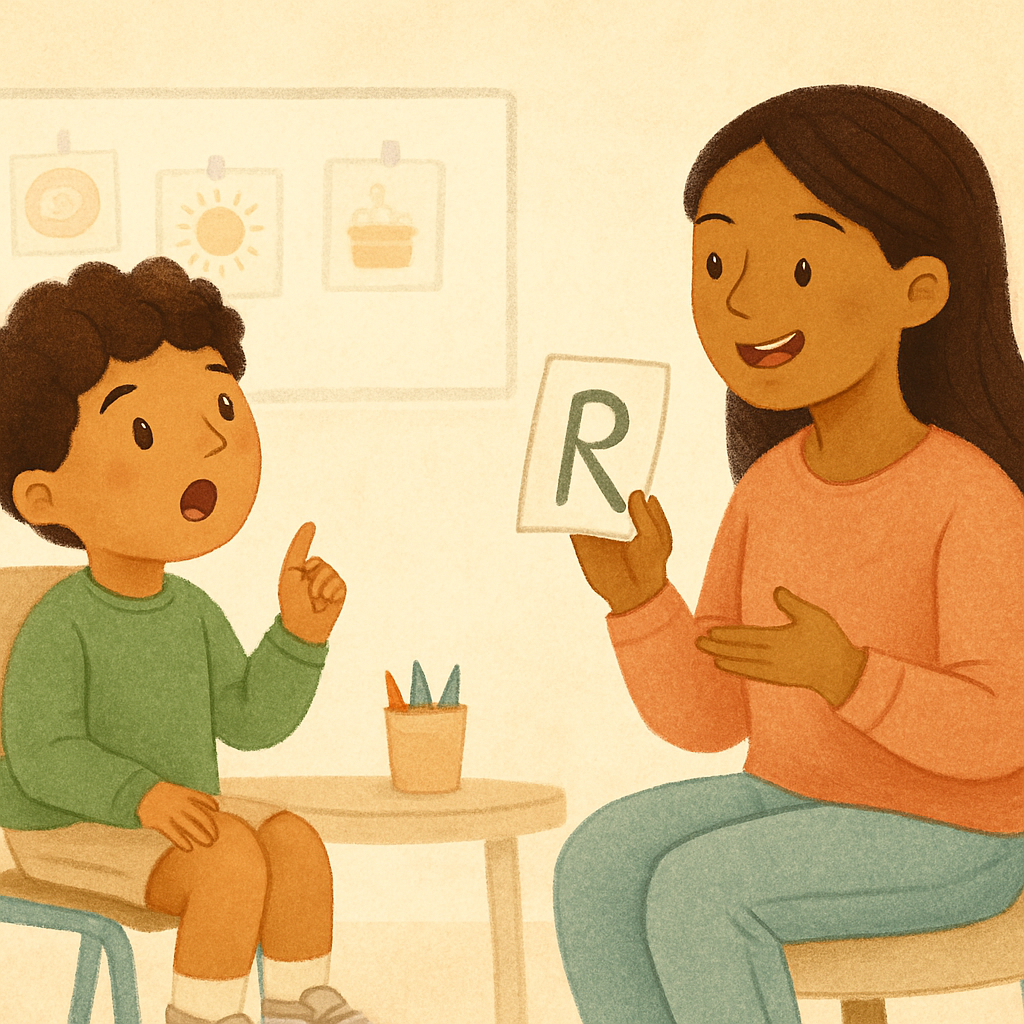
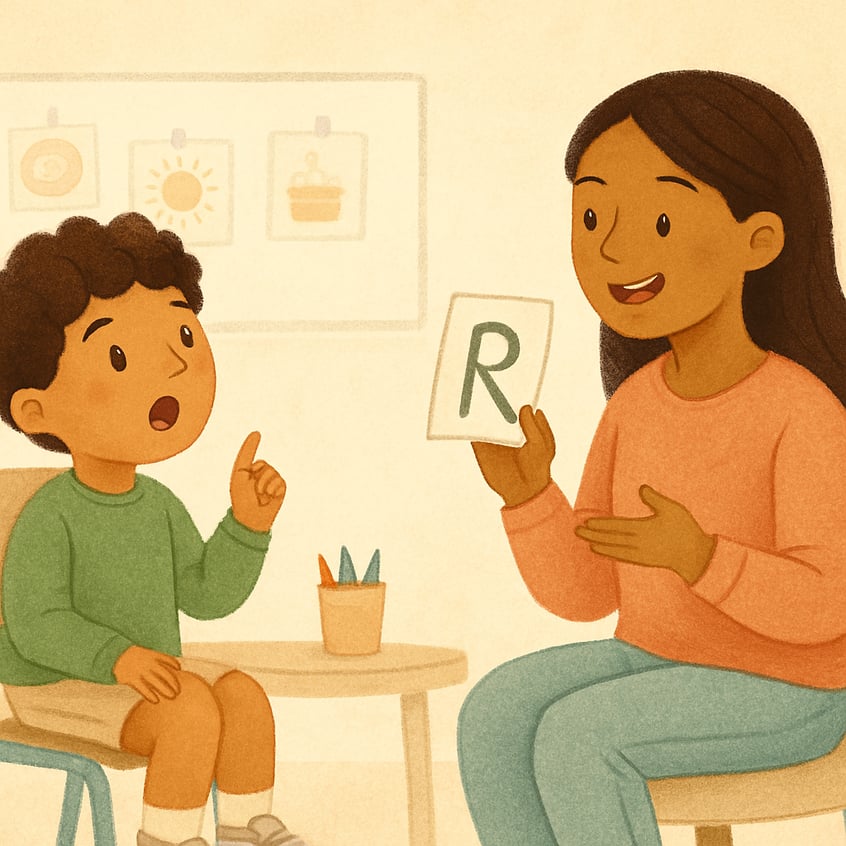
Speech therapy often targets speech sound disorders, such as articulation disorders, where a person cannot form certain sounds correctly—for example, saying "wabbit" instead of "rabbit."
In articulation therapy, therapists model correct sounds and demonstrate tongue and lip movements. Repeated practice helps strengthen the brain–mouth connection, making accurate sound production easier.
The key difference: Speech therapy (like articulation therapy) focuses on producing sounds correctly, while language therapy addresses understanding and using words for communication, including both receptive and expressive skills.
Social Communication Challenges
Social communication is understanding how and why we use language to interact, following unwritten rules like taking turns or adjusting speech for different people.
Some, including many autistics, may struggle with these rules. This can affect interpreting body language, staying on topic, or understanding humor and sarcasm.
Speech therapy offers strategies for these challenges. Speech pathologists may role-play greetings, practice interpreting non-literal language, or work on shifting topics appropriately to make social interactions easier.
What Happens During a Speech Therapy Session?
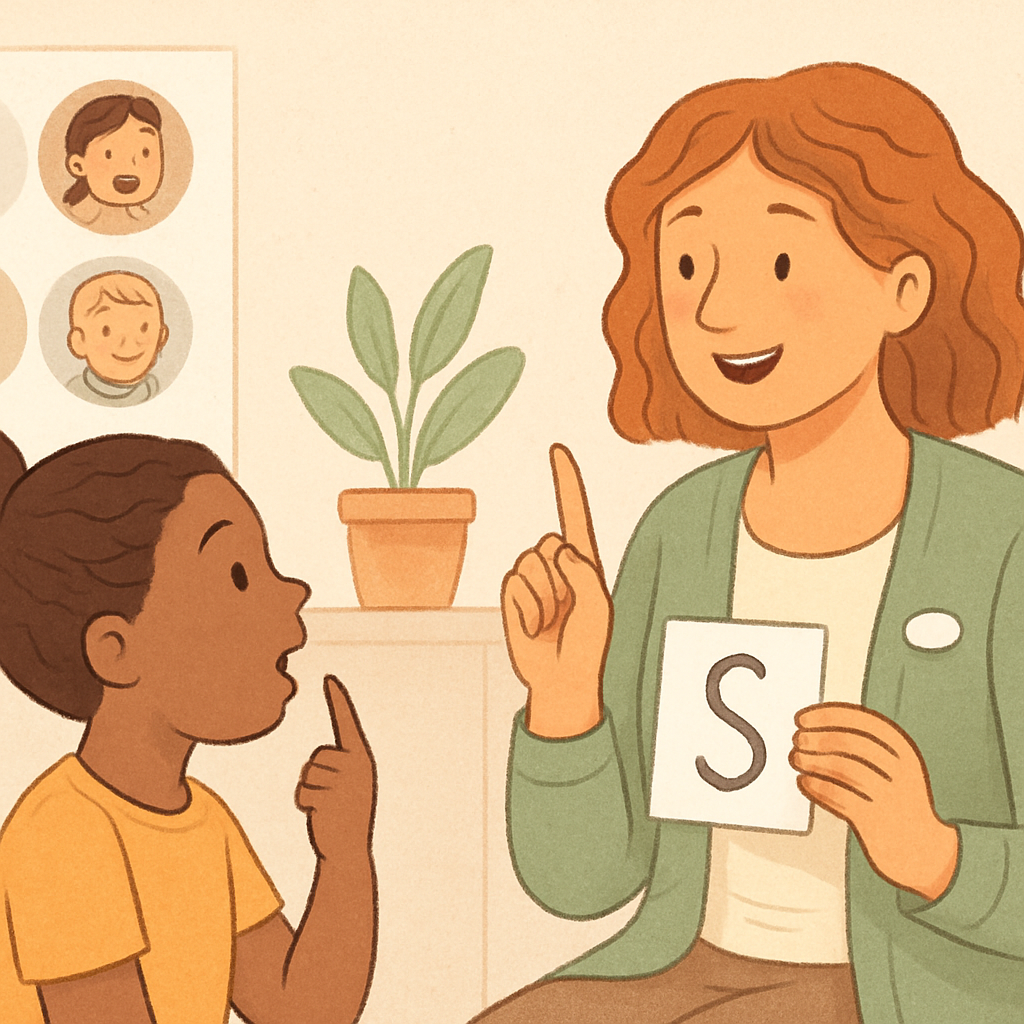
A typical journey into speech therapy begins with an assessment by a speech therapist. This initial evaluation helps identify the type of communication disorder and determines the best course of treatment. This therapy can take place in a variety of settings, including schools, hospitals, and private practices.
Based on the assessment, the speech therapy work is tailored to your or your child's unique needs. What a speech pathologist does during a typical session varies, but the goal is always to improve communication skills through targeted exercises and activities, which we will look at next.
Typical Techniques Used by Speech Pathologists
A speech pathologist tailors each session to the person's age, condition, and goals. For children, sessions are often play-based and may be one-on-one or in small groups. For adults, therapy may focus on regaining skills after injury.
Common techniques include:
|
Technique |
Description |
|---|---|
|
Language Intervention Activities |
Using books, pictures, and play to build language skills. |
|
Articulation Therapy |
Teaching correct sound production through modeling and practice. |
|
Cognitive-Communication Exercises |
Improving memory, organization, and problem-solving for better communication. |
|
Oral-Motor Exercises |
Strengthening mouth, jaw, and tongue muscles with targeted movements. |
Therapists may use games, books, or exercises based on individual needs.
Strategies for Supporting Social Communication Skills
Yes, speech therapists use specific strategies for social communication disorders. These targeted methods help individuals learn the unwritten rules of interaction and make communication more effective in real-life situations. Strategies include:
-
Practicing how to start, maintain, and end conversations
-
Reading and using non-verbal cues like facial expressions and body language
-
Adjusting language based on the listener or situation
-
Understanding humor, sarcasm, and figures of speech
These approaches build confidence in social settings, supporting stronger connections with family, friends, and peers.
Expected Outcomes and Timeline of Speech Therapy
Speech therapy is a proven, effective treatment that offers numerous benefits. The primary goal is to improve communication, which in turn can boost self-esteem, increase independence, and enhance overall quality of life. With the right support, both children and adults can make incredible progress with their language skills.
However, many people wonder, how long does speech therapy usually take to show results? The timeline for speech therapy is not one-size-fits-all. Progress tracking is an essential part of the process, but the duration depends on several individual factors that we will explore further.
How Long Does It Take to See Results?
There’s no set timeline for speech therapy results, as everyone’s needs differ. Progress depends on factors like age, type and severity of the disorder, frequency of sessions, and any underlying conditions.
Some childhood issues improve with age, while others may need ongoing therapy. Speech therapists tailor treatment plans to each individual, aiming for steady progress in daily communication. Patience and consistency are essential.
Progress Tracking and Parental Involvement
Consistent progress tracking is essential in speech therapy. Therapists set clear goals, monitor improvement, and adjust plans as needed, celebrating achievements to motivate families.
Parental involvement is crucial for children’s success. Studies show that when parents practice therapy techniques at home, children improve faster and retain skills longer. Therapists often provide homework and strategies for practice between sessions.
Active family participation helps children integrate new skills into daily life and can speed up results. Working together, families can better support their child’s communication development.
Conclusion
In conclusion, speech therapy provides valuable support for children with communication challenges. It improves speech clarity, social skills, and confidence. By recognizing early signs and knowing what to expect in therapy, parents can actively support their child’s progress. Speech therapy can lead to stronger connections and new opportunities.
If you’d like to learn more, consider scheduling a consultation or call daar at 02 9133 2500 today!
Frequently Asked Questions
Are parents involved in speech therapy sessions for children?
Yes, parental involvement is highly encouraged and is a key factor in a child's success. Speech therapists often provide strategies and homework so parents can continue the speech therapy work at home. This reinforces the communication skills learned in speech therapy and helps the child make faster progress.
What qualifications should an Australian speech pathologist have?
A qualified speech pathologist in Australia is typically certified by the national association, Speech Pathology Australia. These certificate holders must meet specific university-level entry requirements to ensure they have the necessary training. This process ensures they are prepared to provide safe and effective services to the public.
Is speech therapy effective for adults as well as children?
Absolutely. Speech therapy is highly effective for people of all ages. In adults, it is often used to treat communication disorders that result from strokes, brain injuries, or other neurological disorders. The goal is to help them regain skills, improve their quality of life, and communicate more easily.
.svg)




.svg)