
.png?width=48&height=48&name=Group%201%20(3).png)























22 January, 2026

Transform Your Communication: Speech Therapy Insights
Introduction
Developing strong language skills is essential for connecting with others and expressing yourself. When you or a loved one faces challenges with communication disorders, a speech pathologist can provide the necessary support. Today, effective communication through technology has transformed how we access these vital services. With telehealth, you can receive expert speech therapy from the comfort of your home, making it a convenient and effective way to overcome communication hurdles and improve your quality of life.
Key Highlights
-
Telehealth offers speech therapy services online, making it easier to access a qualified speech pathologist. Common techniques used in speech therapy sessions include articulation exercises, language development activities, auditory discrimination tasks, and fluency shaping strategies. Therapists often use visual aids, games, and interactive practice to address specific speech disorders and tailor sessions to individual needs. It effectively addresses various speech disorders and aids in language development for both children and adults.
-
It effectively addresses various speech disorders and aids in language development for both children and adults.
-
The benefits of speech therapy via telehealth include convenience, saving travel time, and wider access to services across Australia.
-
Online sessions are interactive and engaging, using games and technology to achieve therapy goals.
-
Research shows that telehealth is just as effective as in-person therapy for many individuals.
Understanding Telehealth Speech Pathology
Telehealth speech pathology is a modern approach to receiving professional support for communication difficulties, including those related to nervous system disorders. Instead of traveling to a clinic, you connect with qualified speech therapists online through video conferencing. This method brings expert health services directly to you, no matter where you live.
This flexible approach has made it easier for people to fit therapy into their busy schedules, including those who speak languages other than English. Let’s explore what speech therapy telehealth involves, how it works, and how it compares to traditional in-person sessions.
What is speech therapy telehealth, and how does it work?
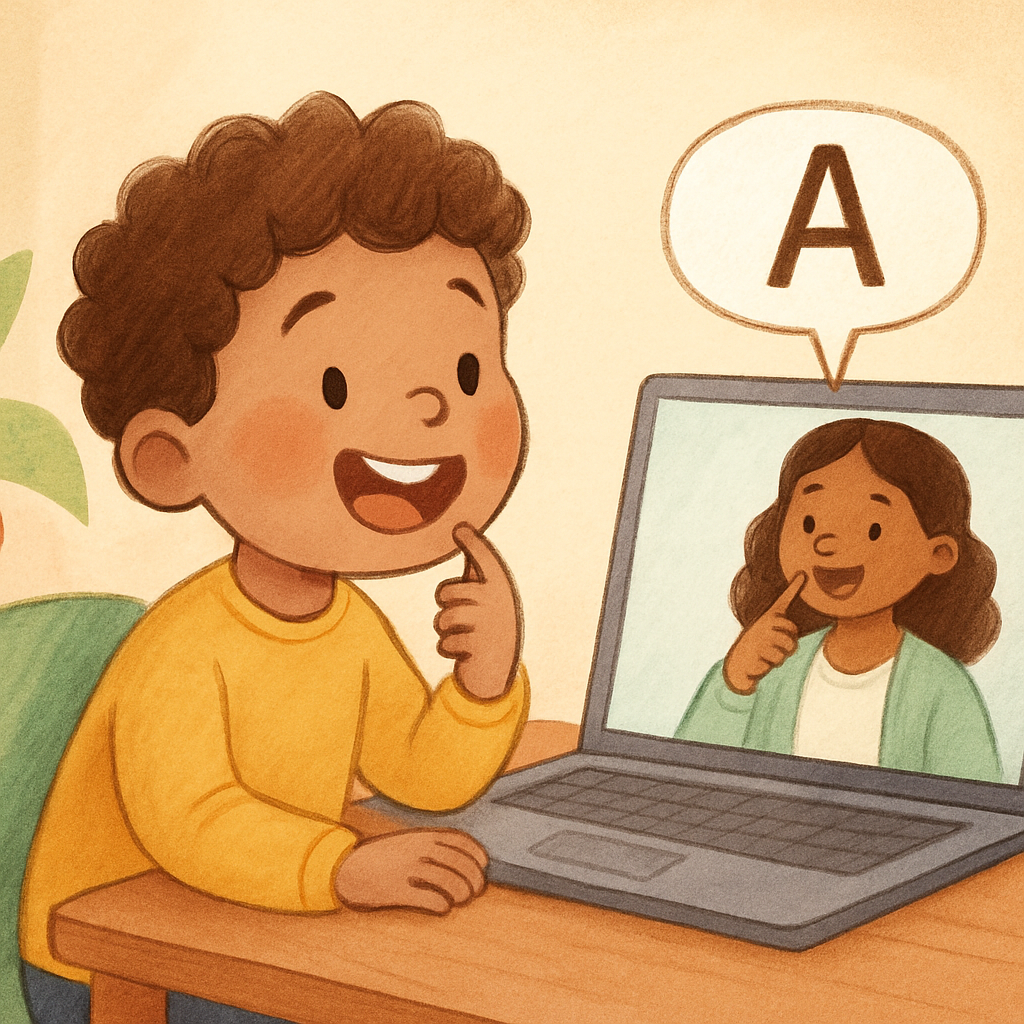
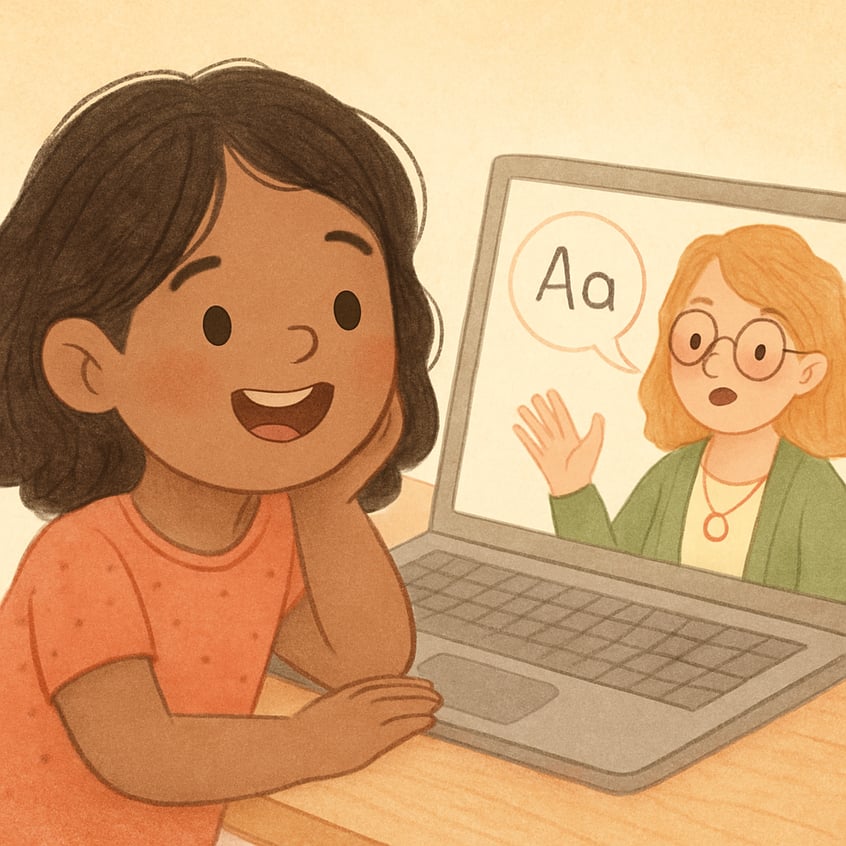
Speech therapy telehealth is the delivery of health services by a speech pathologist through online video platforms. It helps people improve their communication by addressing speech and language challenges remotely, in simple terms. This service is designed to be as effective and engaging as meeting in person.
So, how does it work? Before your session, you will receive an email with a secure link, typically for a platform like Zoom. At your appointment time, you simply click the link to join your speech pathologist in a virtual therapy room, which may be particularly beneficial for those with conditions such as cleft palate. No special software downloads are needed; you can use a computer, tablet, or even your phone.
These sessions are highly interactive and focus on improving social skills. For children, a therapist might use immersive green screens to create fun worlds, play online games, or use toys you already have at home. This makes the experience dynamic and engaging, ensuring that therapy goals related to social skills are met in a supportive environment.
Key differences between telehealth and in-person speech pathology
While both telehealth and in-person therapy aim to treat speech disorders, key differences exist in how they address making sounds in syllables. Telehealth lets you work with a speech pathologist from home, saving travel time and costs. In-person therapy takes place in a clinic, which some prefer.
Telehealth offers more flexibility and access to specialists beyond your local area. Research shows telehealth is just as effective as in-person therapy for many clients, especially school-aged children.
|
Feature |
Telehealth Speech Pathology |
In-Person Speech Pathology |
|---|---|---|
|
Location |
Home or private space with internet |
Physical clinic or office |
|
Convenience |
High; no travel, flexible scheduling |
Lower; travel required |
|
Environment |
Familiar home setting |
Structured clinical setting |
|
Access |
Wide choice of specialists |
Limited to local providers |
Conditions Supported Through Speech Therapy Telehealth
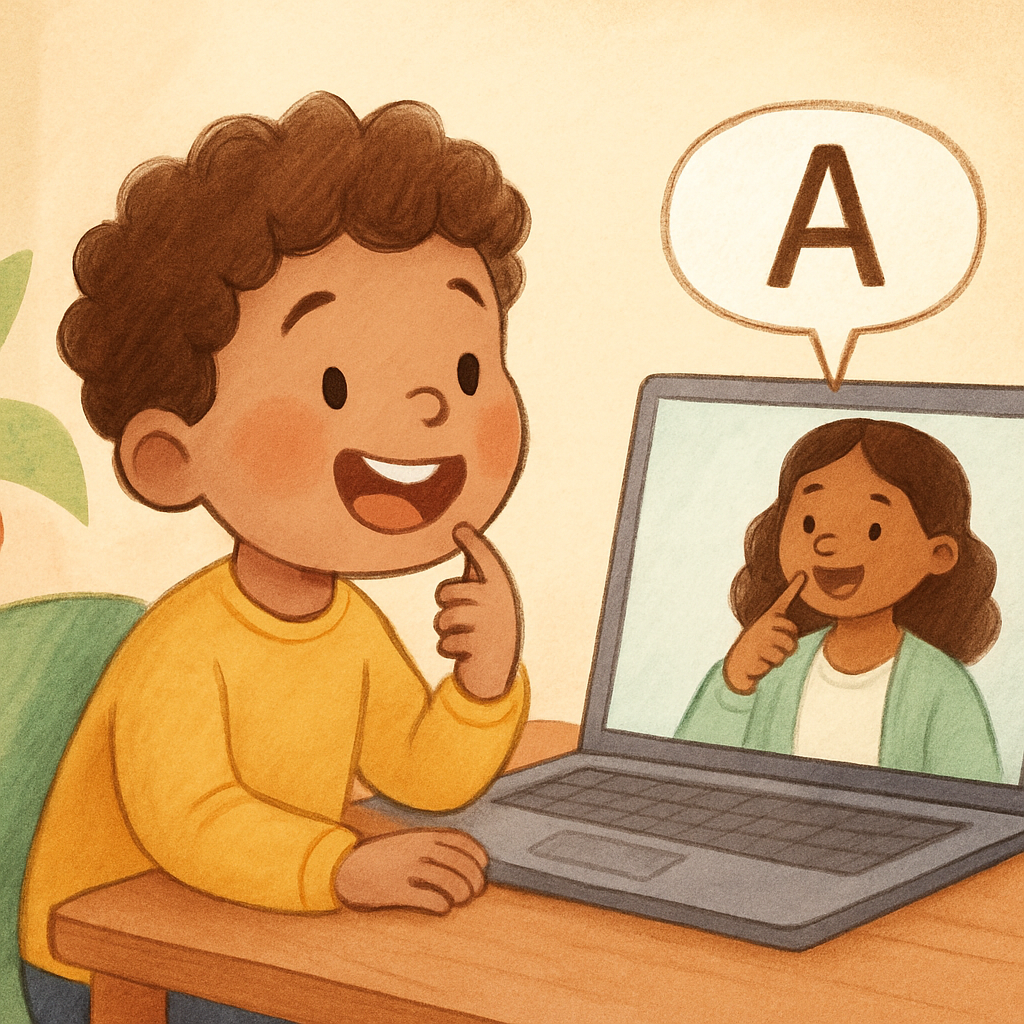
Telehealth speech pathology can support a wide array of conditions for both children and adults, including Alzheimer's disease. It is an effective way to address various speech disorders and language disorders that affect communication. Many people with conditions like autism or hearing loss find online therapy to be a convenient and helpful option.
Whether the communication challenges stem from a developmental delay or a medical event like a brain injury, telehealth provides tailored support, backed by medical professionals. The following sections will detail the specific disorders that can be treated and how therapy is adapted for different age groups.
Communication and language disorders addressed via telehealth
Many communication disorders can be managed through telehealth. A skilled speech pathologist can create a personalized online plan to target your specific challenges and support language development by addressing vibrations in speech clarity.
Telehealth sessions effectively treat common issues, including:
-
Articulation Disorders: Trouble making specific sounds, such as a lisp.
-
Fluency Disorders: Problems with speech flow, like stuttering.
-
Language Disorders: Difficulty understanding or expressing language.
-
Voice Disorders: Issues with pitch, volume, or voice quality.
Supporting children and adults with telehealth speech pathology
Telehealth speech pathology offers personalized, age-appropriate support for children and adults to improve communication and quality of life.
For children, online sessions are lively and engaging, using games, virtual backgrounds, and familiar toys to create a comfortable, playful environment that encourages skill-building.
For adults, therapy is more conversational, focusing on overcoming communication challenges from stroke, brain injury, or conditions like Parkinson’s. The goal is to rebuild skills, improve clarity, and enhance social confidence and independence.
Getting Started: Accessing Speech Therapy Telehealth in Australia
Accessing telehealth speech therapy or language therapy in Australia is simple. Start by searching online for providers—many offer a free initial consultation, giving you a chance to ask questions and determine if therapy or an assessment is needed, all without commitment. A doctor’s referral isn’t usually required.
Telehealth removes geographic barriers, so you can connect with qualified therapists anywhere in Australia who provide high-quality language services. This convenience helps you find the right fit for yourself or your child, ensuring high-quality care that fits your lifestyle.
How to choose a qualified speech pathologist for telehealth
Choosing the right speech pathologist is essential for successful therapy, and early intervention can significantly enhance the effectiveness of this process. Make sure your therapist is qualified and certified by Speech Pathology Australia, which ensures they meet strict professional and ethical standards.
Consider these factors:
-
Qualifications and Registration: Verify certification with Speech Pathology Australia.
-
Experience: Seek a therapist experienced in your specific needs, especially if you have experienced a head injury.
-
Rapport: Choose someone you or your child feel comfortable with, as this supports progress.
-
Specialization: Find a therapist who specializes in relevant areas, such as working with children or particular conditions.
Conclusion
Telehealth speech pathology provides convenient access to speech therapy from home. By learning how telehealth works and the conditions it supports, you can better address communication challenges and improve your communication skills. Remote sessions with qualified speech pathologists offer personalized care tailored to your needs. Seeking help is a positive step toward better communication and quality of life.
If you're interested in telehealth speech therapy, reach out for a consultation or call daar at 02 9133 2500 for guidance and support.
Frequently Asked Questions
Is telehealth speech therapy as effective as face-to-face sessions?
Yes, research strongly supports that telehealth speech therapy is as effective as in-person therapy for many clients, including those needing support with swallowing difficulties. A qualified speech pathologist can help you make just as much progress toward your goals. The dynamic is slightly different, but the quality of care and effectiveness remain high.
What should I expect during my first telehealth speech pathology appointment?
Your first telehealth appointment is typically a discovery session or initial consultation. The speech pathologist, also an SLP, will discuss your concerns, ask questions to understand your needs, and determine if an assessment or therapy is right for you. It's a chance for you to see how online speech therapy works.
What qualifications do Australian speech pathologists require?
In Australia, a qualified speech pathologist must hold a university degree in speech pathology to help people of all ages. They also need to be a Certified Practising Speech Pathologist (CPSP) with Speech Pathology Australia. This certification ensures they meet national standards for practice, similar to the ASHA certification in the US.
.svg)




.svg)