
.png?width=48&height=48&name=Group%201%20(3).png)























23 January, 2026

Enhance Communication Skills with Speech Therapy Liverpool
Introduction
Does you or a loved one struggle to express thoughts and feelings? Communication challenges can be frustrating, but you don’t have to face them alone. Professional speech therapy services provide the tools and support needed to build confidence and make communication easier. Whether it’s through targeted language therapy to improve sentence structure or exercises to enhance social skills, a trained therapist can make a significant difference. Taking that first step can open up a new world of connection and understanding.
Key Highlights
-
Discover how professional speech therapy services can address a wide range of communication challenges for both children and adults.
-
Learn about the critical role of early intervention in supporting a child's language development.
-
Understand how a qualified speech therapist or speech pathologist provides the best support for your specific needs.
-
Explore various conditions that speech therapy helps, from autism and ADHD to recovery from brain injury.
-
Find out about flexible options, including in-person appointments and convenient online speech therapy sessions.
Identifying Communication Challenges
Recognizing a communication issue is the first step toward finding a solution. These challenges can appear in many forms, from difficulty understanding others, known as receptive language disorders, to trouble organizing thoughts, which relates to executive functioning. A child’s language development might not follow a typical path, or an adult may suddenly find language processing difficult after an injury.
Pinpointing these specific communication needs is essential for getting the right help. The following sections will explore what early signs suggest a child might need speech therapy and how a speech pathologist can address social communication difficulties.
Early Signs Your Child May Benefit from Speech Therapy
Wondering about the early signs your child might need speech therapy in Liverpool? Early intervention supports healthy language development and can have a lasting positive impact. If your child is falling behind peers in communication milestones, consider consulting a professional.
Some children are at higher risk for communication difficulties. Watch for these key indicators: Premature birth, which increases risk of feeding and language issues Hearing loss, affecting speech development Diagnoses such as autism or childhood apraxia of speech In Liverpool, speech therapy typically focuses on helping children improve specific communication skills, such as sound production and language use, while speech pathology encompasses a broader field including assessment, diagnosis, and treatment of a wide range of speech, language, and swallowing disorders. Both professions can address concerns related to childhood apraxia of speech, hearing loss, and autism, but a speech pathologist may be involved in more complex cases or the underlying causes of communication challenges.
-
Premature birth, which increases risk of feeding and language issues
-
Hearing loss, affecting speech development
-
Diagnoses such as autism or childhood apraxia of speech
If you’re concerned about your child’s progress, seeking an evaluation is a proactive step. A speech therapist can assess your child’s needs and create a plan to help them thrive.
Social Communication Difficulties and How They’re Addressed
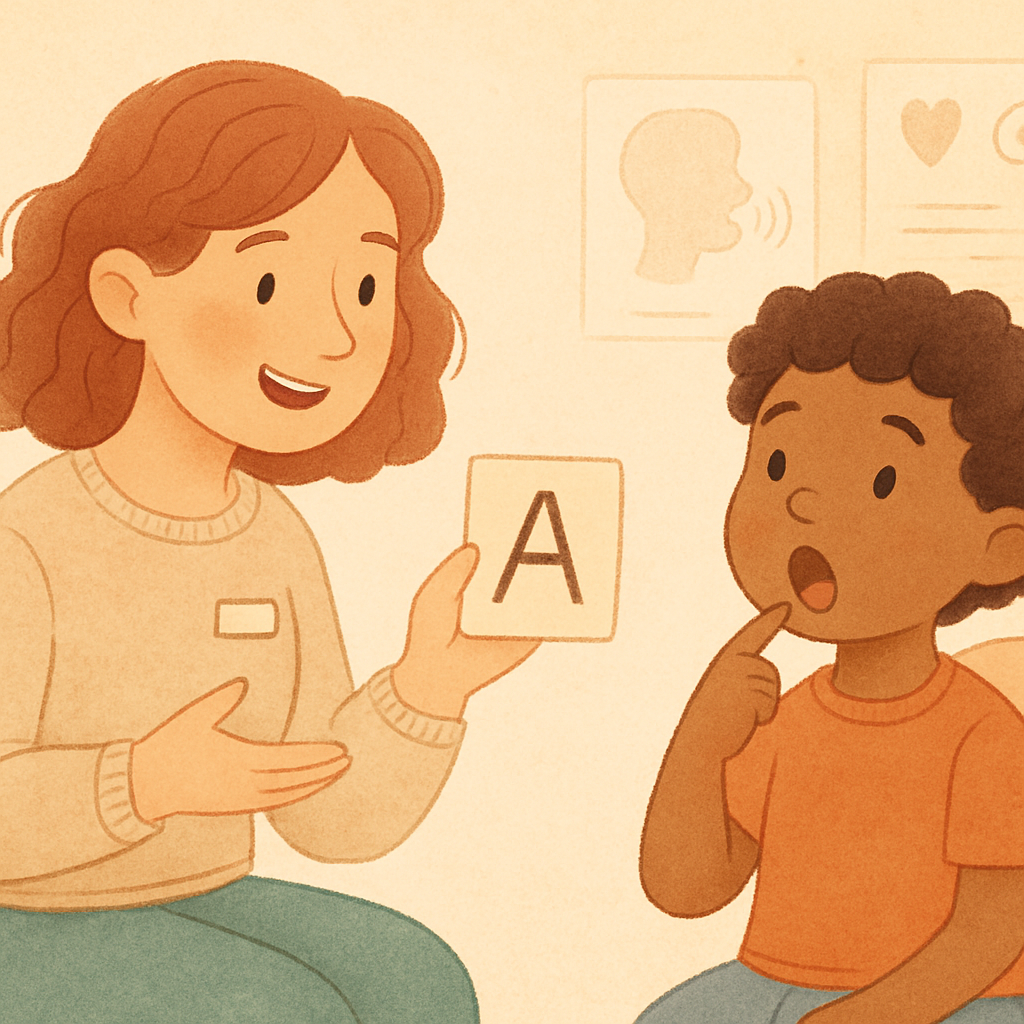
Speech pathology in Liverpool addresses social communication challenges by targeting more than just words and sentences—it focuses on the social skills essential for effective interaction. Difficulties in this area can impact confidence and relationships, but speech therapy offers practical strategies to help.
Therapists work on key skills such as:
-
Reading nonverbal cues like body language and facial expressions
-
Taking turns during conversations
-
Planning and organizing social responses (executive function)
-
Interacting appropriately with peers and adults
Sessions are tailored to each individual, making activities relevant and engaging. By practicing these skills in a supportive setting, individuals gain the confidence to communicate more naturally in social situations.
Accessing Speech Therapy for All Ages
Many people think speech therapy is only for young children, but speech pathologists help both kids and adults. Whether supporting a toddler’s first words or helping an adult recover after a stroke, the goal is to improve communication and quality of life.
With options like in-person sessions and telehealth, accessing speech therapy has never been easier. The following sections will outline available services for children in Liverpool and explain how adult and telehealth options offer flexible, effective care.
Children’s Speech Therapy Options in Liverpool
Speech therapy options for children in Liverpool include tailored support for a range of needs. After an initial assessment, therapists create personalized plans to address each child’s challenges and strengths.
Services cover conditions such as:
|
Condition |
How Speech Therapy Helps |
|---|---|
|
Autism & ADHD |
Improves social communication, language processing, executive function |
|
Cerebral Palsy |
Addresses motor speech issues and swallowing difficulties |
|
Developmental Delay |
Builds foundational speech and language skills |
|
Hearing Loss |
Develops spoken language and communication strategies |
Therapists work closely with families to ensure progress carries over into daily life, helping children achieve lasting improvements.
Adult and Telehealth Speech Therapy Services
Speech therapy is essential for adults with communication or swallowing issues due to brain injury, stroke, or neurological conditions. An experienced Speech-Language Pathologist (SLP) can develop a personalized plan to restore skills and explore new communication strategies.
Adult speech therapy targets practical goals for daily life and work, including:
-
Rebuilding language skills after aphasia
-
Enhancing cognitive-communication abilities like memory and executive function
-
Treating voice disorders or swallowing difficulties
-
Providing transgender voice training
Telehealth speech therapy is available to Liverpool residents, offering convenient expert care from home and eliminating travel and scheduling barriers.
Conclusion
In conclusion, enhancing your communication skills through speech therapy can be a transformative experience for individuals of all ages. Whether you're addressing early signs in children or seeking support as an adult, tailored therapy options in Liverpool can meet diverse needs. Effective communication not only boosts confidence but also fosters better relationships and opportunities in both personal and professional settings. Don't hesitate to explore the various speech therapy services available and take that essential step towards clearer communication today.
If you're ready to improve your communication skills, reach out to a local speech therapist in Liverpool for a consultation or call daar at 02 9133 2500!
Frequently Asked Questions
How do I find a qualified speech therapist in Liverpool?
To find a qualified speech therapist, you can ask your doctor for a referral or search online for "Liverpool speech therapy." Many clinics allow you to contact a clinician directly via their website, phone, or email to ask questions or schedule an initial assessment for you or your child.
What qualifications should a Liverpool speech pathologist have?
A qualified speech pathologist should hold at least a master's degree in speech-language pathology or communication sciences. Look for professionals who are certificate holders or affiliates of recognized bodies like ASHA (American Speech-Language-Hearing Association) or Speech Pathology Australia, as this indicates they meet high professional standards.
Are there government or community-funded speech therapy programs nearby?
Yes, government or community-funded speech pathology services may be available, often through public schools or local health departments. You may need a referral from a doctor or school to access these programs. Contacting a local LST (Language and Speech Therapy) provider can also help you explore your options.
.svg)




.svg)