
.png?width=48&height=48&name=Group%201%20(3).png)























3 December, 2025

NDIS Telehealth for Kids: Services You Can Access Today
Introduction
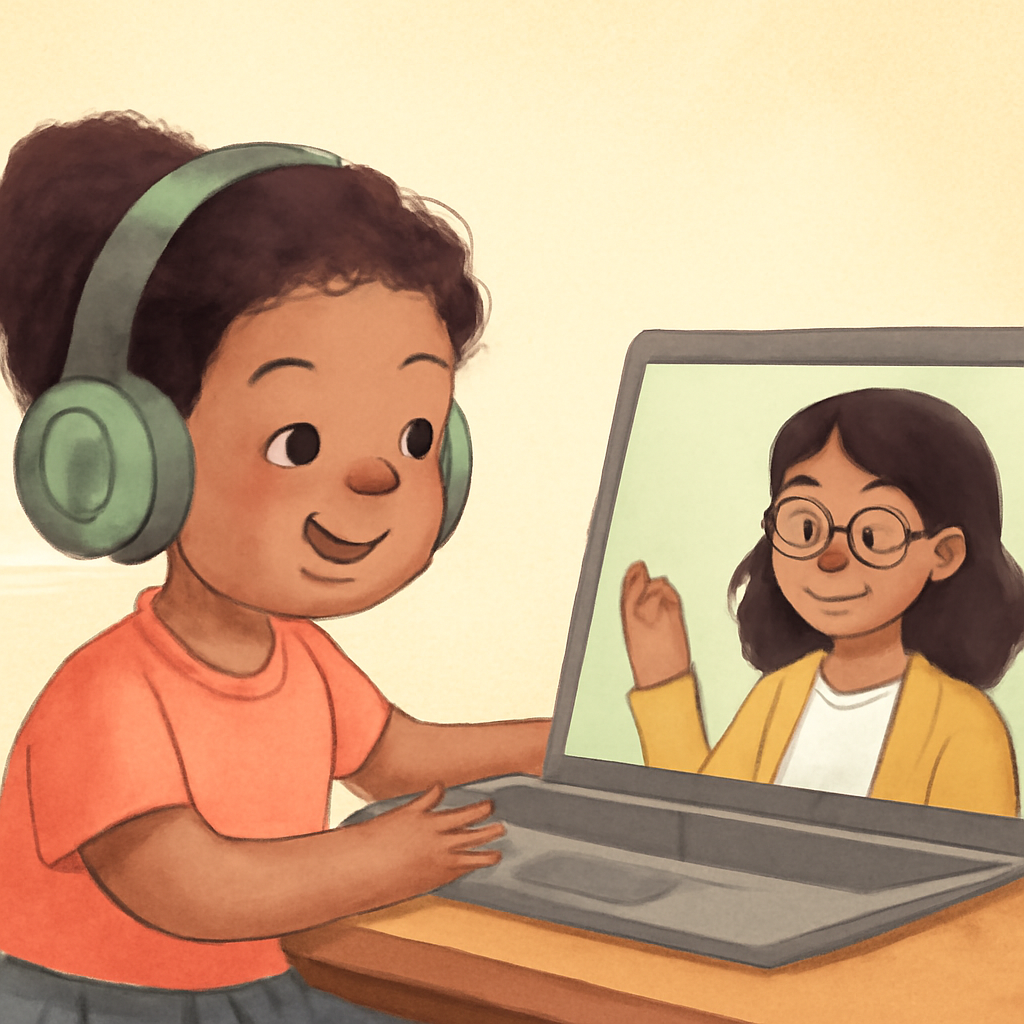
Welcome to the world of NDIS telehealth, a modern and convenient way for your child to receive vital support. Imagine accessing expert care without leaving your home. Telehealth services use video calls or phone conversations to connect your child with therapists, making each therapy session accessible and effective. If your child has an NDIS plan, you can use it to fund these virtual appointments, ensuring they receive consistent support for their developmental goals. How can this technology transform your child's therapy journey?
Key Highlights
-
Telehealth services provide access to essential therapy services like speech pathology and occupational therapy from your home.
-
You can use your child’s NDIS plan to fully fund virtual therapy appointments with registered providers.
-
Telehealth offers incredible flexibility, eliminating travel time and costs while fitting into your family’s busy schedule.
-
Children often feel more comfortable in a familiar environment, which can lead to better engagement and progress.
-
Therapists can coach parents and caregivers in real-time, helping you support your child’s development during daily routines.
Understanding NDIS Telehealth Services for Kids in Australia
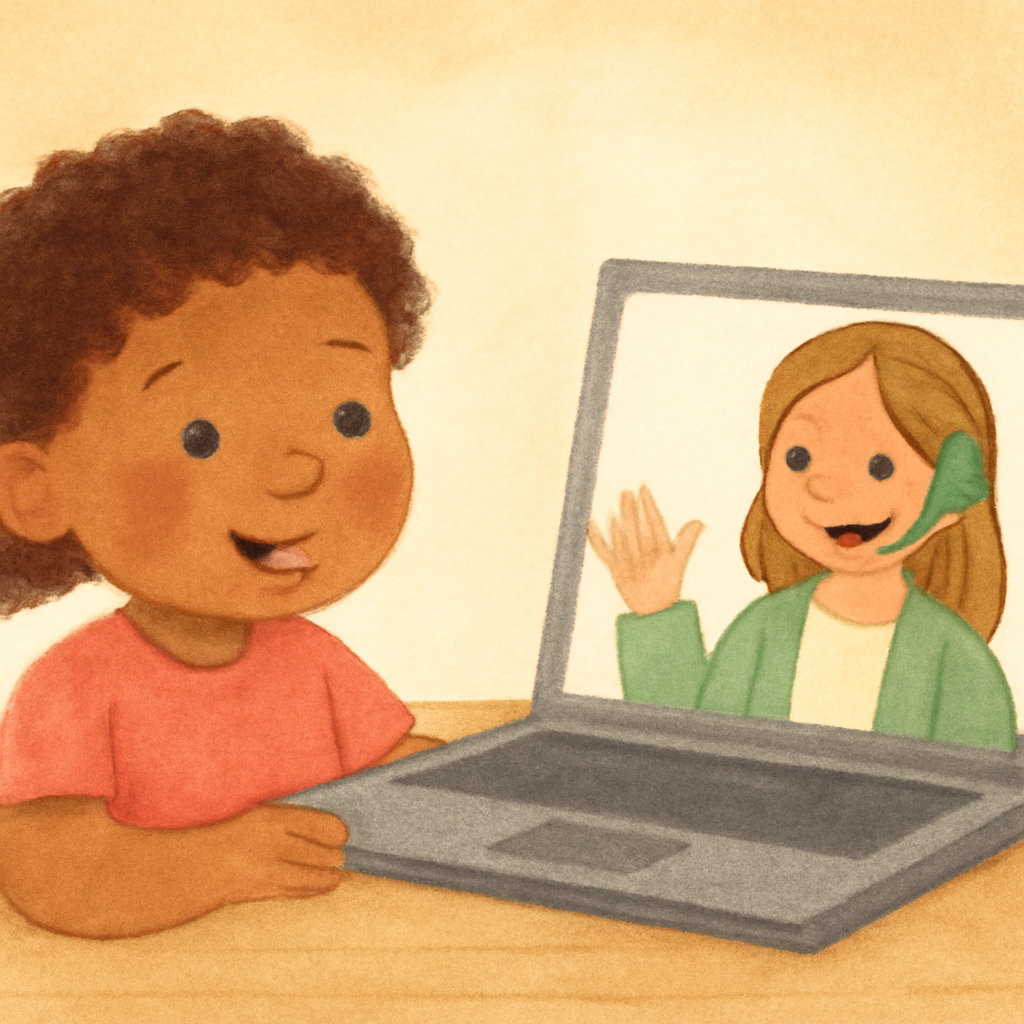
The National Disability Insurance Scheme (NDIS) supports Australians with disabilities, and telehealth services are a key part of this support system for children. A registered NDIS provider can deliver a wide range of therapies remotely, ensuring your child doesn’t miss out on crucial support due to location or scheduling challenges.
This modern approach to healthcare brings allied health professionals directly to you through technology. Let's explore exactly what telehealth means for NDIS participants and how providers facilitate this care.
What Is Telehealth and How Does It Work with the NDIS?
Telehealth enables remote healthcare services through digital communication, allowing children on the NDIS to access therapy without traveling. It involves consultations via video calls or apps, ensuring continuity of care while meeting specific individual needs under the NDIS framework.
The Role of Registered NDIS Providers in Telehealth
Registered NDIS providers play a crucial role in facilitating telehealth services for children with additional needs. These providers ensure that therapy sessions—be it speech therapy, occupational therapy, or behavioral support—are structured to meet the unique requirements outlined in each child's NDIS plan. Utilizing an array of technologies, including video conferencing and interactive games, they deliver therapy that aligns with best practice standards and focuses on achieving specific therapy goals.
Moreover, registered providers assess the effectiveness of telehealth consultations, adapting services as necessary to support the child’s development. Their expertise is pivotal in guiding families through the process, fostering communication, and ensuring that the therapy aligns with the child’s daily routines, ultimately making telehealth a convenient and effective option for ongoing therapy.
Benefits of Telehealth for Children on the NDIS
Choosing telehealth services for your child offers a host of advantages that go beyond simple convenience. This mode of therapy delivery ensures your child can continue working toward their therapy goals without interruption, integrating support seamlessly into your daily routines. It’s an outcomes-based approach designed to meet the unique needs of your child and family.
From saving time and money to creating a more comfortable therapy environment, the benefits are significant. Let’s look at how telehealth provides greater access and flexibility for your family.
Access to Therapy from Anywhere
One of the greatest benefits of virtual care is that it breaks down geographical barriers. Through video conferencing, your child can access high-quality therapy services no matter where you live. This is especially helpful for families in rural or regional areas where specialist services may be limited.
This newfound accessibility offers several key advantages for your family. You can connect with experienced therapists who specialize in your child’s specific needs, rather than being limited to local options. It also means you can maintain consistency in therapy even if you move or travel.
Telehealth helps you:
-
Eliminate travel time and related costs.
-
Access a wider range of specialists and services.
-
Avoid cancellation fees when minor illnesses or other barriers prevent you from attending a clinic.
Family Comfort and Flexibility
Telehealth provides a convenient way to fit therapy into your life, not the other way around. Sessions can be scheduled around work, school drop-offs, and other commitments, making it easier to maintain a consistent therapy routine. This flexibility is a game-changer for busy families.
Having the therapy session at home also means your child is in a familiar, comfortable setting. Many children are more relaxed and willing to engage when surrounded by their own toys and routines. A therapist can also observe your child in their natural environment, providing a more accurate picture of their strengths and needs.
This approach offers several comforting benefits:
-
Sessions can incorporate your child’s favorite toys and daily routines.
-
Another family member can easily join the session to provide support.
-
Children with anxiety may feel safer and more open in their own space.
Types of NDIS-Funded Telehealth Services Available for Children
Your NDIS plan can fund a variety of allied health services delivered via telehealth. These therapy services are designed to support your child's development and help them achieve their goals, all from the comfort of your home. The range of available health services ensures you can build a comprehensive support system for your child.
Whether your child needs help with communication, motor skills, or emotional well-being, there is likely a telehealth option available. Below, we explore some of the most common NDIS-funded therapies you can access virtually.
Speech Therapy via Telehealth
Speech pathology is one of the most common therapies delivered through telehealth. Speech pathologists, also known as speech therapists, are skilled at engaging children virtually to work on a wide range of communication goals. They use interactive games, shared screens, and visual supports to make sessions fun and effective.
During a telehealth session, a therapist can work with your child on everything from articulation and fluency to building their vocabulary and social language skills. Because you are present, the therapist can also coach you on strategies to use in everyday life, reinforcing what’s learned during the session.
Here are some common areas addressed in telehealth speech therapy:
|
Area of Focus |
Description |
|---|---|
|
Articulation |
Improving the clarity of speech sounds. |
|
Language Skills |
Building expressive and receptive language. |
|
Social Communication |
Enhancing skills for interacting with others. |
|
Fluency |
Supporting children who stutter. |
Occupational Therapy and Physical Therapy Sessions
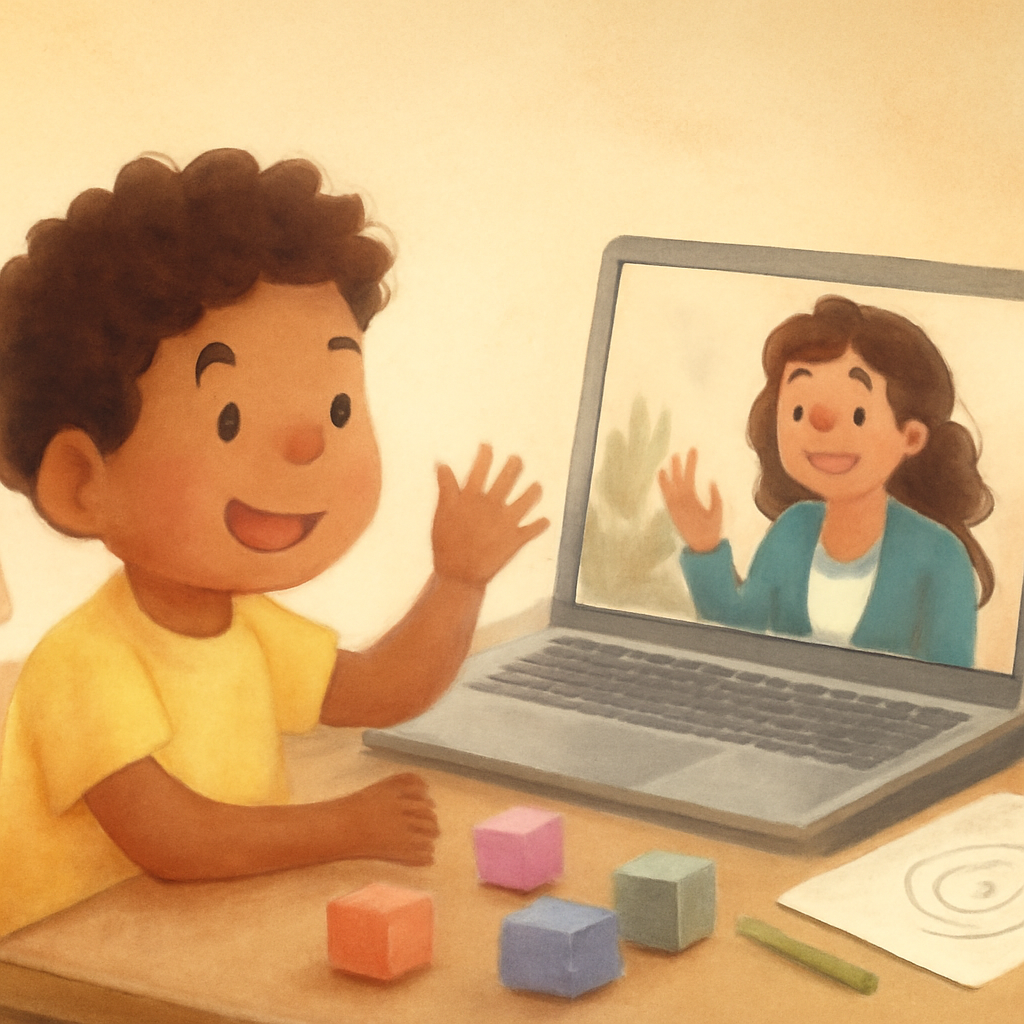
Both occupational therapy and physical therapy translate very well to a virtual format. A telehealth occupational therapist can guide you and your child through activities using items you already have at home, like toys, furniture, and kitchen tools. This makes it easy to practice new skills in a real-world context.
These sessions are particularly effective for addressing sensory processing challenges, as the therapist can help you adapt your home environment to better suit your child’s needs. For physical therapy, therapists can demonstrate exercises and movements for you and your child to follow, focusing on improving strength and coordination.
Telehealth OT and PT can help with:
-
Developing fine and gross motor skills.
-
Improving sensory regulation and attention.
-
Building independence in self-care skills like dressing and feeding.
Behaviour Support and Psychology Services
Telehealth is a powerful tool for delivering behaviour support and psychology services. For children with autism or other additional needs, the comfortable home environment can reduce anxiety and make it easier to engage with a psychologist. These sessions can focus on achieving specific therapy goals related to emotional regulation, social skills, and managing anxiety.
A psychologist can work one-on-one with your child or teen to explore feelings and develop coping strategies. They can also provide parent coaching, offering you practical advice and support plans to implement at home. This collaborative approach ensures the whole family is working together.
Virtual psychology and behaviour support can help your child:
-
Learn to manage big emotions and anxiety.
-
Develop positive social skills through role-playing and guided activities.
-
Work on specific goals related to their behaviour and emotional well-being.
How Do Telehealth Appointments Differ from In-Person Sessions?
While the goals of telehealth therapy are the same as face-to-face sessions, the delivery is naturally different. A telehealth appointment brings the therapist into your home through a screen, changing the dynamic compared to in-person sessions at a clinic. Understanding these differences can help you prepare and get the most out of your virtual appointments.
The main distinctions lie in the session's structure, the level of parental involvement required, and the technology used. Let's examine what you can expect from a virtual session.
Session Structure and Parental Involvement
The service delivery of a telehealth therapy session is highly interactive and often requires active parental participation. For younger children (ages 0-11), you will likely be encouraged to be a hands-on partner during the session, doing activities with your child while the therapist coaches you.
This approach empowers you as a key family member in your child's therapy plan. You'll learn strategies in real-time that you can use to support your child’s development between appointments. For teenagers, the level of involvement may vary depending on their goals and comfort level, with some preferring one-on-one time with the therapist.
Key aspects of the session structure include:
-
You and the therapist discussing goals and progress at the start.
-
The therapist guiding you through activities with your child.
-
Collaboratively planning for the next session and at-home practice.
Technology and Equipment Needs for Virtual Care
The use of technology is central to a successful telehealth appointment. Fortunately, the requirements are straightforward, and your provider will guide you through the setup process. You don't need to be a tech expert to get started with virtual care.
Before your first session, your therapist will let you know which video conferencing platform they use, such as Zoom or Microsoft Teams. They will provide simple instructions to help you connect. Therapists are also skilled at using technology to keep kids engaged, often incorporating interactive games and screen sharing into sessions.
To prepare for your appointment, you will generally need:
-
A device with a camera and microphone, like a laptop, tablet, or smartphone.
-
A stable, high-speed internet connection.
-
A quiet, private space with minimal distractions.
Conclusion
In summary, NDIS telehealth services for kids offer a convenient and effective way to access essential therapies from the comfort of home. With benefits like increased flexibility, family involvement, and a variety of specialized services, it's an ideal solution for children on the NDIS. As technology continues to advance, these virtual appointments provide an accessible alternative that meets the needs of both children and their families. By understanding and utilizing the available resources, you can ensure your child receives the support they need.
If you're ready to explore telehealth options for your child, book a consultation today or call 02 9133 2500, registered NDIS provider today!
Frequently Asked Questions
What types of telehealth services are available for children under the NDIS?
You can use your NDIS plan to access a variety of telehealth services. The most common therapy services include speech pathology, occupational therapy, psychology, and physiotherapy. These virtual sessions are designed to help your child meet their developmental goals from the comfort and convenience of your home.
Are there any age restrictions for children to utilize NDIS telehealth services?
No, there are no age restrictions. Telehealth is suitable for NDIS participants of all ages. Services are personalized to be effective for young children needing early intervention as well as for older children and teenagers. Therapists adapt their approach in telehealth sessions to suit the developmental stage and needs of each child.
How can parents access NDIS telehealth services for their kids?
To get started, contact a registered NDIS provider that offers telehealth services. You will have an initial consultation to discuss your child’s therapy goals and determine if telehealth is a good fit. The provider will then help you create a therapy plan and schedule your first virtual therapy session.
.svg)




.svg)