
.png?width=48&height=48&name=Group%201%20(3).png)























21 January, 2026

The Importance of Speech Therapy for Language Development
Introduction
Strong communication skills are essential for learning, building relationships, and thriving in daily life. When challenges arise with speaking or understanding, it can impact confidence and overall well-being. This is where speech therapy can make a significant difference. It is a specialized treatment designed to improve language development and help individuals of all ages communicate more effectively. Understanding how it works is the first step toward unlocking better communication for you or your loved one.
Key Highlights
-
Speech therapy is a vital treatment for improving language development and overall communication skills.
-
A certified speech pathologist can diagnose and assist with a wide range of speech disorders in people of all ages.
-
Early intervention is crucial for children, as it can significantly improve outcomes for developmental delays.
-
Therapy addresses issues with speaking, understanding language, social skills, and even swallowing problems.
-
Finding a qualified professional and understanding the process are key steps to getting effective help.
When do I see a speech pathologist?
You may wonder when to see a speech pathologist. These specialists help people of all ages who have trouble communicating due to developmental delays, stroke, hearing loss, or brain injury. Speech and language disorders can affect anyone—from toddlers learning to talk to adults recovering from medical issues.
The first step is recognizing when support is needed. Early intervention in children is especially effective and can prevent long-term problems. If you have concerns about your own or your child’s ability to speak, understand, or communicate, consulting a speech pathologist is a smart move. Here are some specific signs to watch for. If you are interested in becoming a speech pathologist yourself, the typical steps involve earning a bachelor's degree in a related field, followed by a master's degree in speech-language pathology. You’ll also need to complete clinical training, pass a national examination, and obtain state licensure to practice professionally.
Signs Your Child May Need Speech Therapy
It’s natural to wonder if your child’s language development is on track. While kids develop at their own pace, some signs may suggest they need professional support.
Red flags for speech therapy include:
-
Not babbling between 4-7 months or using only a few words by 12-18 months
-
Speech that’s hard to understand, even for familiar people, or trouble making certain sounds by age 2-3
-
Difficulty following directions or little interest in conversation
Noticing these signs doesn’t always mean there’s a serious problem, but it’s worth talking to a specialist. A speech pathologist can assess your child and recommend steps to support their communication and social skills.
How Speech Therapy Supports Early Language Skills
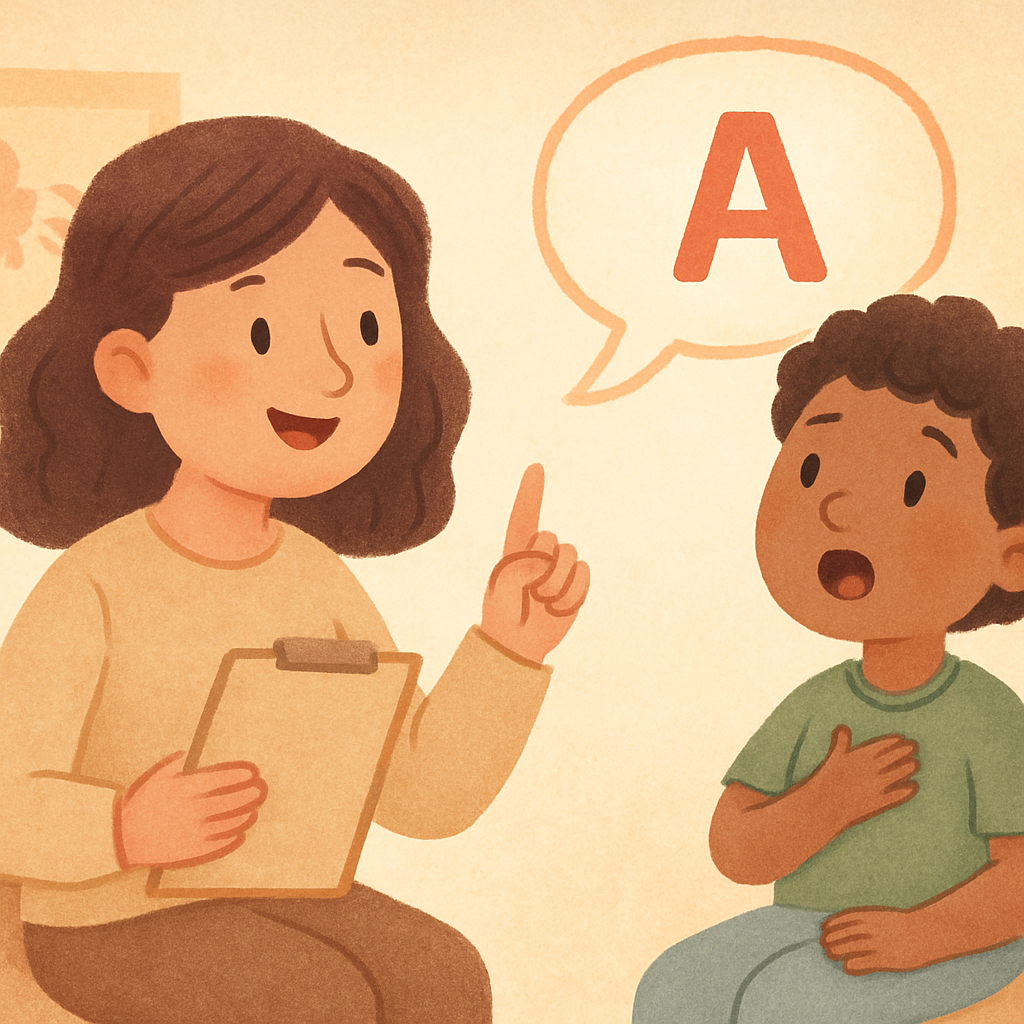
Speech therapy helps children develop foundational language skills through early intervention. For young children, therapists use play-based activities—like picture books and games—to make learning engaging. These sessions teach children to form words, build sentences, and understand others. Parents are often involved and coached on how to support their child at home.
This support is vital for children with developmental delays, brain injuries, or hearing loss. By building new brain connections, therapy helps children find their voice and communicate with confidence.
Addressing Common Speech and Language Disorders
Speech therapists treat a range of communication disorders affecting speech, language, and comprehension. The specific disorder guides therapy goals and techniques.
Speech therapy provides personalized solutions for children with developmental issues and adults facing challenges after medical events. Therapists identify the root cause to create effective treatment plans that improve language skills and quality of life.
Common disorders addressed by speech therapy include:
|
Type of Disorder |
Description |
|---|---|
|
Articulation Disorders |
Difficulty pronouncing specific sounds, such as saying "wain" instead of "rain." |
|
Fluency Disorders |
Problems with speech flow and rhythm, including stuttering or speaking too quickly. |
|
Aphasia |
Impaired speaking, understanding, reading, or writing due to stroke or brain injury. |
|
Resonance Disorders |
Blockages in nasal or oral cavities affecting speech clarity. |
How do I find a speech pathologist?
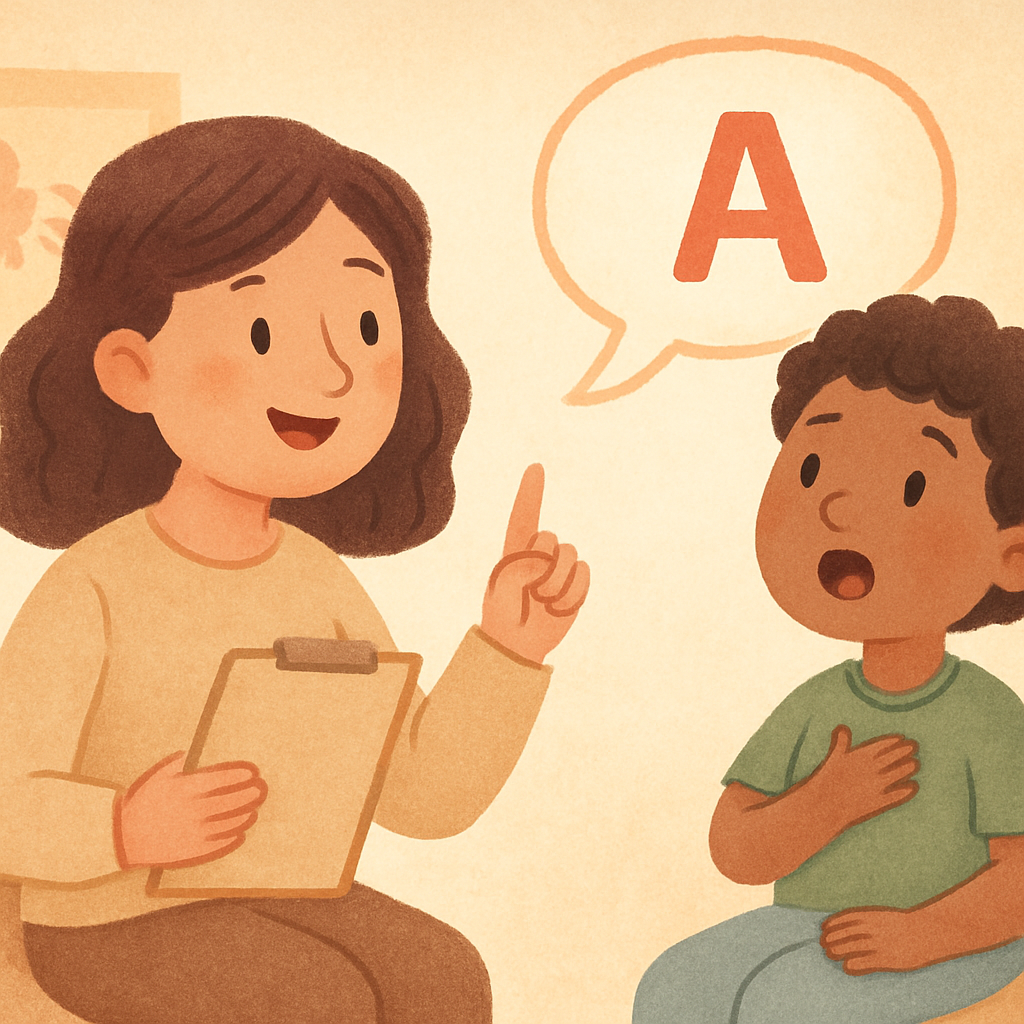
Finding a qualified speech pathologist is essential to starting therapy. Ask your doctor or other medical professionals for recommendations, or use online resources like Speech Pathology Australia's "Find a speech pathologist" service.
Speech pathologists work in hospitals, schools, community health centers, private practices and may offer home visits. Knowing what you need will help you choose the right professional.
Finding the Right Speech Pathologist for Your Child
Choosing the right speech pathologist ensures your child gets effective, tailored treatment. In Australia, look for a professional with a speech pathology degree and Certified Practicing Speech Pathologist (CPSP) status from Speech Pathology Australia, which confirms they meet national standards.
Before starting therapy, ask:
-
What are your fees?
-
Do you have experience with my child's specific needs?
-
How often and how long is therapy recommended?
A therapist who connects well with your child and understands their challenges is essential for successful outcomes.
What should I expect during an appointment with a speech pathologist?
Your first appointment with a speech pathologist is primarily an information-gathering session. The therapist will want to understand your or your child's speech challenges, general health, and communication goals. They will ask questions and may perform some simple tests to learn more about the condition.
These initial observations could involve looking at the movements of the tongue and mouth or listening to how you speak. Based on this assessment, the speech pathologist will begin to formulate a treatment plan tailored to your needs. Now, let’s look more closely at what to expect during that first session and the overall process.
What to Expect During Your First Speech Therapy Session
In your first speech therapy session, the therapist’s main goal is to understand your specific challenges. They’ll ask about your speech difficulties and health history, and may observe you in everyday settings like home or school.
Based on your needs and type of disorder, they’ll create a personalized treatment plan. Approaches vary by age and condition—children’s sessions often use play, while adult therapy may focus on regaining lost skills after a stroke or injury.
This initial meeting is also a chance for you to ask questions. The therapist will explain the plan clearly before starting any exercises, making sure you’re comfortable moving forward.
Understanding the Speech Therapy Process
The process of speech therapy is designed to be gradual and supportive, with the ultimate goal of speech therapy being an improved quality of life. Knowing how speech therapy works can help you or your loved one feel more confident about the journey ahead. The therapist will use various speech therapy techniques tailored to your specific condition.
Progress often depends on consistent practice, both during sessions and at home. The duration of therapy can vary greatly, from a few months to longer-term support for more complex needs. Improvements are often seen faster when therapy starts early, and exercises are practiced regularly.
Some common activities in speech therapy include:
-
Language exercises using books, pictures, and games to stimulate language development.
-
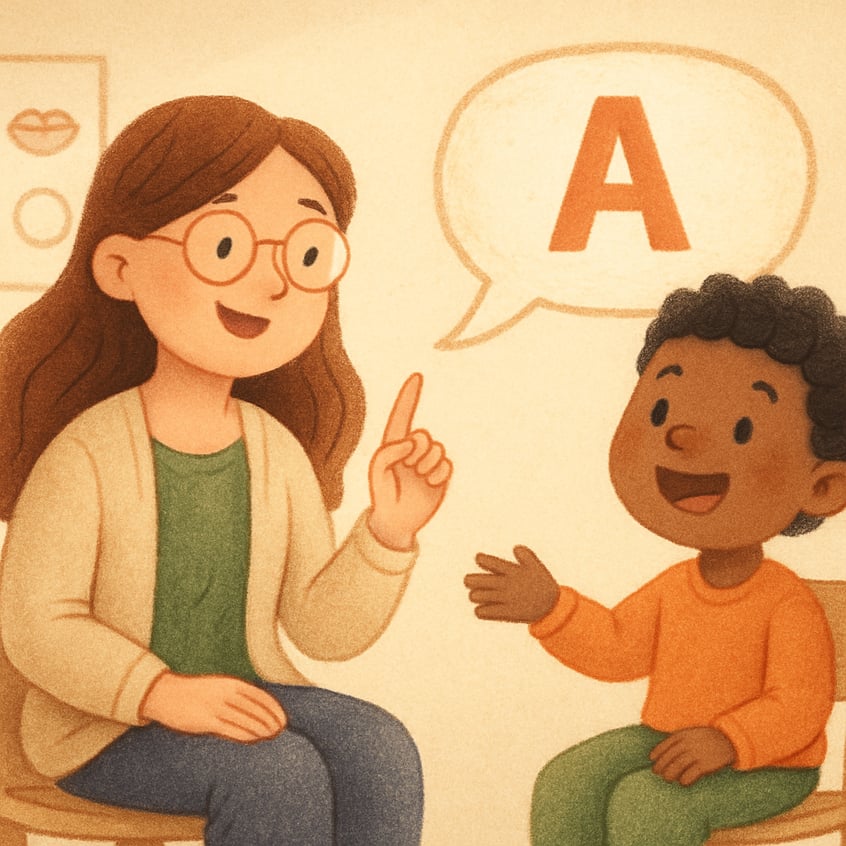
Articulation therapy, where the therapist models sounds for the patient to repeat.
-
Feeding and swallowing therapy with exercises to strengthen the muscles in the mouth and throat.
Conclusion
In conclusion, speech therapy is vital for healthy language development in children. By recognizing early signs and understanding the process, parents can take proactive steps to support communication skills. With the right speech pathologist, individualized strategies, and consistent practice, children can overcome speech and language challenges. If you suspect your child may need help, don’t hesitate to consult a professional—early intervention can make a significant difference in their communication abilities.
Book for a consultation today or call daar at 02 9133 2500!
Frequently Asked Questions
What age should a child start speech therapy if they have language development delays?
If you suspect developmental delays in language development, it's best to seek help as soon as possible. Early intervention is key, so there's no specific "right" age. The earlier a child starts speech therapy with a speech pathologist, the more effective the treatment is likely to be in addressing their needs.
How can parents identify whether their child needs speech therapy?
Parents can look for signs like their child not meeting typical language milestones, having trouble with social communication, or experiencing difficulties with certain sounds. If you have any concerns about your child's communication needs or suspect any speech disorders, it is best to get their language skills evaluated by a professional.
What are the common techniques used in speech therapy to aid language development?
Common speech therapy techniques include articulation exercises to practice speech sounds, play-based activities to stimulate language development, and oral-motor exercises to strengthen mouth muscles. In some cases, therapists may also use tools like communication boards or sign language to support communication while verbal skills are developing.
.svg)




.svg)