
.png?width=48&height=48&name=Group%201%20(3).png)
























3 December, 2025

Introduction
Are you looking for a more flexible way to manage your child’s therapy appointments? NDIS telehealth for kids offers a modern solution, bringing vital therapy services directly into your home. Telehealth therapy allows NDIS participants to connect with health professionals using phone calls or video conferencing, removing the stress of travel and scheduling conflicts. This convenient way of receiving care ensures your child gets consistent support from qualified therapists without disrupting your family’s routine.
Key Highlights
-
Telehealth services deliver therapy for children through phone calls or video conferences.
-
Your child’s NDIS plan can be used to fund therapy sessions with speech pathologists and occupational therapists.
-
Online therapy offers a flexible and convenient way for NDIS participants to receive support from home.
-
Parents and caregivers play an active role in telehealth sessions, helping to reinforce new skills.
-
Telehealth therapy is effective for children with a range of needs, including developmental delays, autism, and ADHD.
-
You can access specialist therapy services from anywhere in Australia, even in remote areas.
Therapies Available via Telehealth Under the NDIS
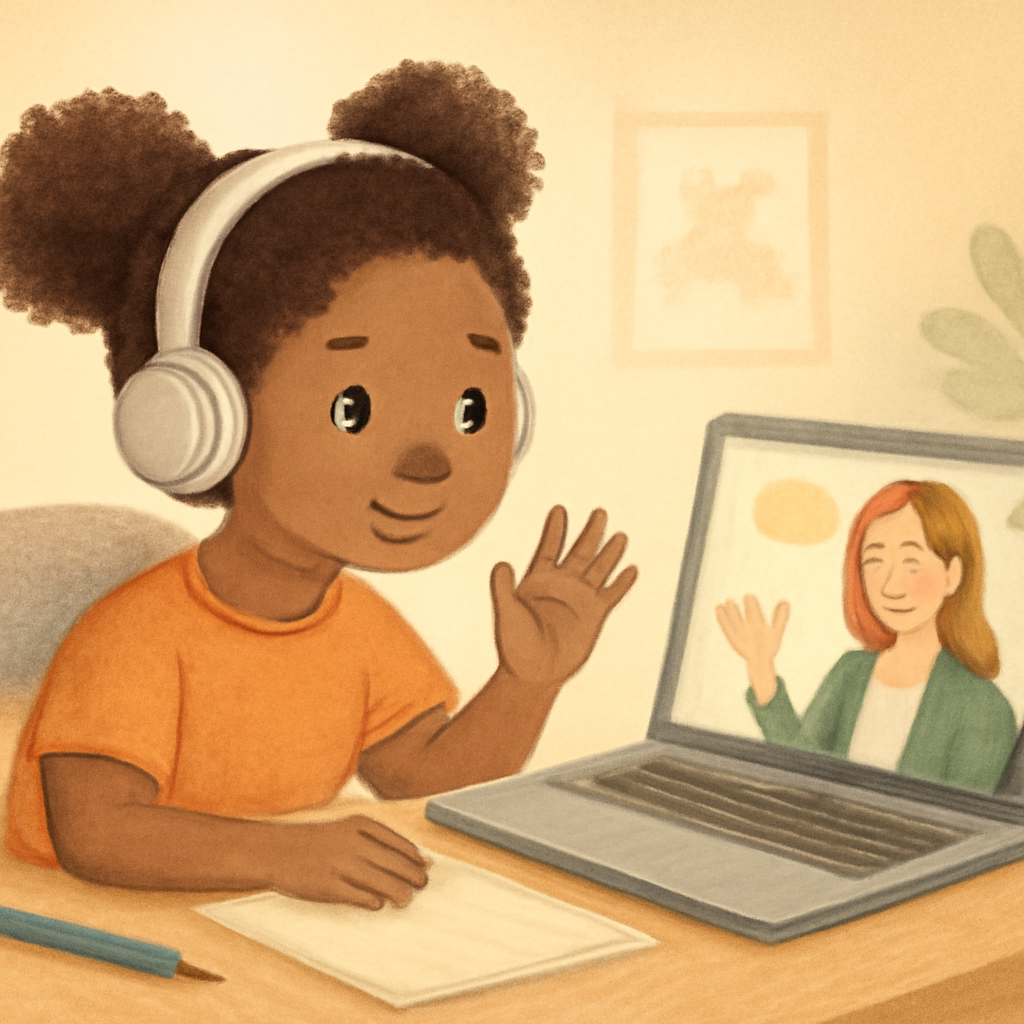
The NDIS supports a wide array of therapy services delivered through telehealth, making it easier for families to access the care they need. You can use your child’s NDIS funding for various allied health services, connecting with specialists from the comfort of your home. This flexibility means you are no longer limited by your location.
Many NDIS participants use telehealth services to engage with speech pathologists, occupational therapists, and psychologists. These virtual appointments provide the same level of evidence-based support as in-person sessions, helping your child work toward their developmental goals in a familiar setting.
Behaviou
ral Support and Early Intervention Programs
Telehealth is also an effective model for delivering positive behaviour support and early intervention services to NDIS participants. For many children, especially those with autism or additional needs, the home environment is a safe and comfortable space to learn and grow. This familiarity can reduce anxiety and improve engagement during therapy services.
Therapists can coach you in real-time, showing you how to implement strategies during everyday activities. This approach empowers you to support your child’s development between sessions. Telehealth for behavioural and early intervention support offers several advantages:
-
It allows therapists to observe your child in their natural environment.
-
You can easily incorporate daily routines like mealtimes into therapy.
-
It provides a flexible way to get consistent support for your child.
This method can give professionals a more accurate picture of your child’s strengths and needs, leading to more tailored and effective support. By working together, you and the therapist can help your child build new skills and confidence.
Preparing for Your Child’s NDIS Telehealth Appointment
Getting started with NDIS telehealth services is a straightforward process. A little preparation before your child’s telehealth appointment can make a big difference in ensuring the session runs smoothly and effectively. Taking a few simple steps beforehand helps you and your child feel ready and confident.
Thinking about the space, technology, and goals ahead of time allows the therapist to focus completely on your child. Below are some practical tips to help you prepare for your virtual therapy services and make the most of every appointment.
Creating an Optimal Space and Gathering Necessary Equipment
To ensure a successful telehealth therapy session, it is important to set up a suitable environment. A quiet, private space with minimal distractions allows your child to focus on the activities and engage with the therapist without interruption. This is particularly important for children with sensory processing challenges.
Before the session begins, make sure you have the right equipment ready. This preparation helps avoid technical glitches during the video conferencing call. You will generally need:
-
A stable internet connection.
-
A device with a camera and microphone, like a laptop, computer, or tablet.
-
Any materials the therapist requested, such as paper, pencils, or specific toys.
By preparing the space and technology in advance, you can help the session start on time and run smoothly. This setup allows the therapist to effectively address your child’s needs and work toward their therapy goals.
Tips for Making Online Therapy Engaging and Effective
Online therapy sessions can be just as engaging as in-person appointments, especially when you actively participate. Your involvement is key to helping your child practice new skills and stay focused. Therapists often use a variety of tools to make the telehealth session fun and interactive.
For example, they might use interactive games, share their screen to show visuals, or watch videos together. You can also send photos or videos to the therapist during the session to demonstrate progress. Here are a few tips to enhance the experience:
-
Work with the therapist to set clear therapy goals.
-
Use everyday routines to practice skills.
-
Ask your child for their input on activities.
-
Provide positive feedback and encouragement.
Remember, the goal is to make learning feel like play. By collaborating with the therapist and incorporating their suggestions into your daily life, you can help your child make significant progress.
Age and Eligibility for Kids Accessing NDIS Telehealth
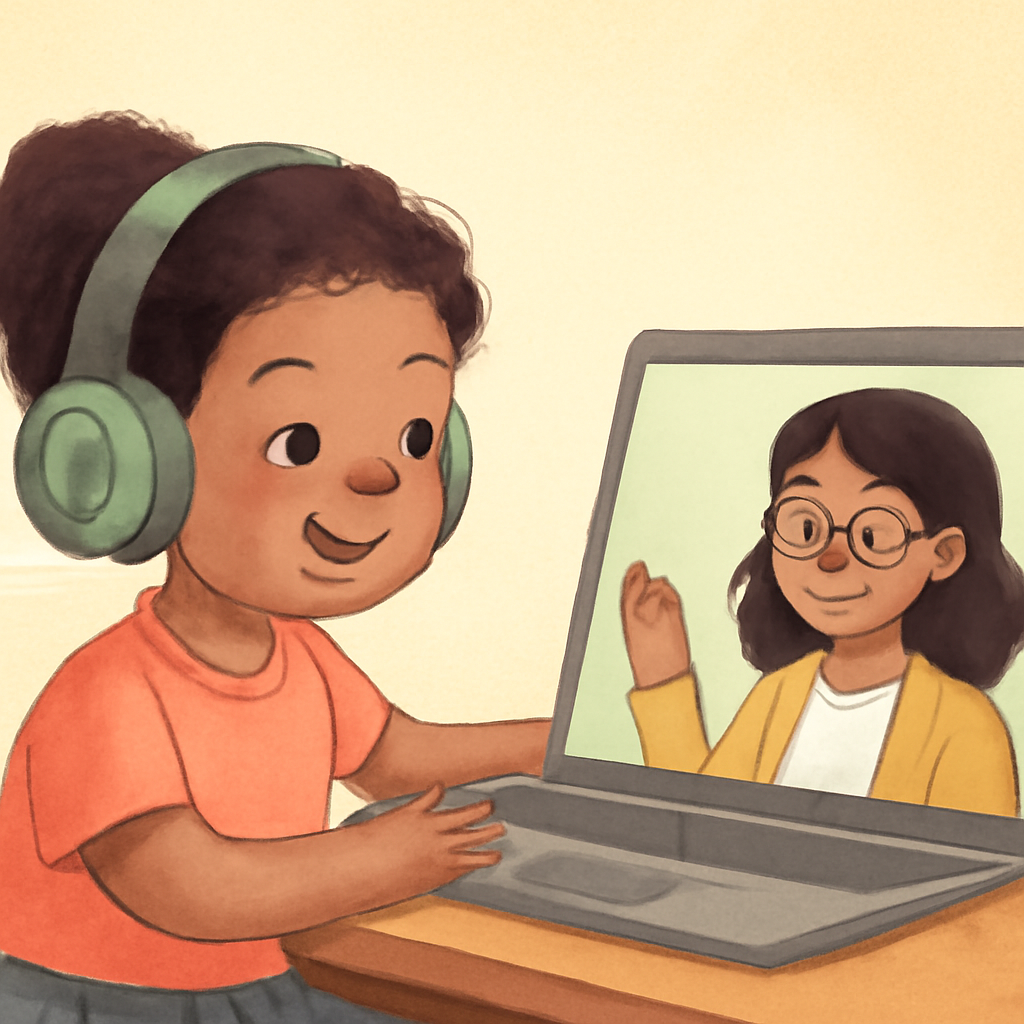
Are you wondering if your child is the right age for telehealth? The good news is that there are no strict age restrictions for accessing NDIS telehealth services. These services are designed to be adaptable for young children, school-aged kids, and teenagers alike.
Eligibility is primarily based on your child’s NDIS plan and their specific needs, not their age. Whether you have a toddler or a teen, telehealth can be personalized to suit their developmental stage and therapy goals, making it a versatile option for all NDIS participants.
Guidelines and Restrictions for Young Children
Ensuring successful telehealth sessions for young children involves understanding specific guidelines and restrictions. Attention to the child’s developmental stage is crucial, as it dictates engagement strategies and therapy goals. Many healthcare providers recommend limiting session length to accommodate shorter attention spans, typically ranging from 20 to 30 minutes.
Interactive games and activities tailored to children with additional needs can significantly enhance focus during therapy. Safety protocols must be observed, such as ensuring that the telehealth environment is secure and free of distractions. Caregivers should be present during appointments to provide support and facilitate communication. Regular feedback from therapists will assist in adjusting strategies to meet evolving requirements, ensuring consistent progress over time experienced through telehealth consultations.
Transitioning Telehealth as Children Grow
As children develop, their therapy requirements may shift, necessitating a transition in telehealth services. Engaging with skilled health professionals who specialize in pediatric care can help identify when adjustments are needed. Adaptations in telehealth sessions may include tailoring interventions to address new challenges, such as sensory processing difficulties or the emergence of ADHD.
Maintaining a flexible approach during this transition is essential. Incorporating interactive games can captivate children's attention and aid in achieving therapy goals. Additionally, family members should regularly communicate with occupational therapists and speech pathologists to ensure that the strategies employed remain aligned with the child's evolving needs. This collaborative effort guarantees that each telehealth consultation continues to be a good fit, enhancing the child's quality of life while supporting their developmental journey.
How Accessible Therapy Solutions Can Help Your Child
Accessible therapy solutions like telehealth are transforming how NDIS participants receive support. By removing barriers like distance and travel, telehealth makes it easier than ever to connect with a qualified healthcare provider. This increased access can be a game-changer for your child’s progress.
These therapy services ensure that your child receives consistent, high-quality care regardless of your location or schedule. The following sections will explore the specific advantages of telehealth and how it can improve your family's quality of life.
The Advantages of Telehealth for Children’s Therapy
Telehealth services offer numerous benefits for children and their families, making therapy more manageable and effective. One of the most significant advantages is the elimination of travel time and costs, which frees up more time in your busy schedule. This is especially helpful for families in remote areas who may have limited access to local specialists.
Furthermore, telehealth consultations allow your child to receive therapy in a familiar and comfortable environment. This can reduce anxiety and help them engage more fully in the session. The flexibility to schedule appointments around work, school, and other commitments can greatly improve your family's overall quality of life.
Here is a quick look at some key benefits:
|
Benefit |
Description |
|---|---|
|
Convenience |
No travel time or costs, with sessions from home. |
|
Accessibility |
Access specialists from anywhere, including remote areas. |
|
Comfort |
Therapy in a familiar environment reduces anxiety. |
|
Flexibility |
Easier to schedule appointments around family life. |
Safety and Security in Telehealth Practices
Ensuring safety and security during telehealth sessions is paramount for both children and caregivers. Most healthcare providers utilize encrypted platforms for video conferencing, which safeguard sensitive information while complying with regulatory standards. This is essential for protecting the privacy of NDIS participants, particularly when addressing specific needs such as autism spectrum disorder or other behavioural challenges.
Additionally, maintaining a controlled environment during telehealth appointments enhances security. Designating a quiet, distraction-free area for the session minimizes interruptions and allows health professionals to focus on therapy goals effectively. Information on parental consent and protocols surrounding data protection should be clear and communicated before each appointment, fostering trust in the delivery of allied health services. Overall, these precautions not only promote a safe experience but also enhance the overall quality of telehealth therapy.
Addressing Common Concerns About Online Therapy
Concerns about online therapy often revolve around the effectiveness and engagement levels compared to traditional face-to-face sessions. Research has shown that telehealth therapy can be as effective as in-person consultations, particularly for children with autism spectrum disorder or sensory processing challenges. Many health professionals have adapted their techniques to maximize interaction during telehealth sessions, leveraging video conferencing tools and interactive games to keep children engaged.
Privacy and security are additional significant concerns for parents. Reputable telehealth services adhere to strict confidentiality guidelines, safeguarding families' sensitive information. Ensuring that caregivers understand these safety protocols can enhance trust in the process. Overall, addressing these common fears can pave the way for a positive and impactful therapy experience that significantly contributes to a child’s development.
Conclusion
In conclusion, NDIS telehealth services offer a valuable lifeline for children in need of therapy by providing accessible and effective support tailored to their unique requirements. With a range of therapies available, from speech and occupational therapy to behavioural support, these online solutions ensure that children can thrive in a familiar environment while receiving the help they need. By preparing adequately for appointments and fostering an engaging atmosphere, parents can enhance the therapeutic experience. Embracing telehealth not only helps bridge geographical gaps but also prioritizes your child's well-being.
If you’re ready to explore how NDIS telehealth can benefit your child, reach out today for a consultation today or call 02 9133 2500!
Frequently Asked Questions
Are there any age restrictions or eligibility criteria for children using NDIS telehealth services?
There are no strict age restrictions for NDIS telehealth services. It is suitable for young children and teenagers alike. Eligibility is determined by your child’s NDIS plan and their individual needs, not their age, ensuring all NDIS participants can access therapy services in a way that works for them.
What types of therapies can be accessed through NDIS telehealth for kids?
Through NDIS telehealth, children can access a range of therapy services, including speech pathology, psychology, and occupational therapy. These allied health services, including telehealth occupational therapy, are delivered by qualified speech pathologists and therapists to support your child’s development goals from home.
Are there specific types of therapies available through NDIS telehealth for children?
Yes, NDIS participants can access specific health services like occupational therapy and speech therapy via telehealth. These online sessions are tailored to your child’s therapy goals, whether that involves improving communication, motor skills, or daily living abilities. The telehealth services are designed to be just as effective as in-clinic appointments.
.svg)




.svg)