
.png?width=48&height=48&name=Group%201%20(3).png)























13 January, 2026

Speech Therapy Canterbury: Transform Your Speech Journey
Introduction
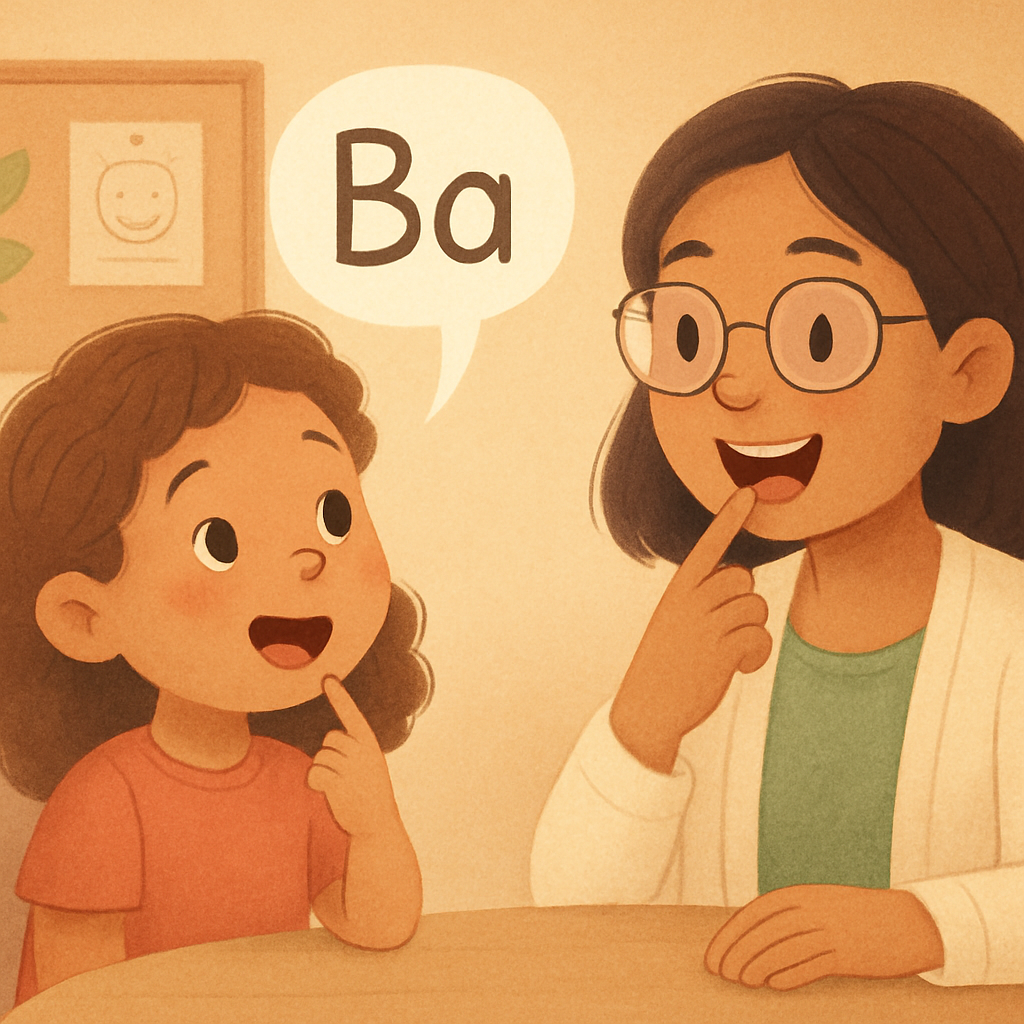
Welcome to your guide to transforming your speech journey. Strong communication skills are the foundation of connection, learning, and confidence. If you or a loved one faces challenges with speech, you are not alone. Speech therapy offers a path to clearer expression and a better quality of life. This article will explore how professional support can unlock your potential, helping you build the skills you need to be understood and to engage more fully in your daily life. To become a speech therapist, professionals typically need a master's degree in speech-language pathology, supervised clinical training, and a state license or certification. This specialized education equips them with the knowledge and skills required to assess, diagnose, and treat a wide range of speech and communication difficulties.
Key Highlights
-
Speech therapy enhances communication skills for individuals of all ages, from young children to adults.
-
Therapy is provided by certified professionals known as speech-language pathologists who tailor plans to your specific needs.
-
Modern techniques include play-based therapy for children and functional strategies for adults with neurological conditions. Online speech therapy options are increasingly available, making it easier for families and individuals to access specialized support from home. Early intervention is crucial, as children who receive support before age five often show faster progress in language development.
-
Early intervention is crucial, as children who receive support before age five often show faster progress in language development.
-
Speech therapy boosts confidence, independence, and overall quality of life by improving your ability to communicate effectively.
-
In Canterbury, you can find support through private practices and local council services for children.
Understanding Speech Therapy and Speech Pathology
Speech therapy helps people with speech disorders and communication difficulties, from children with speech delays to adults recovering from strokes. It aims to improve communication skills for greater confidence and independence.
A speech pathologist assesses your needs, diagnoses issues, and provides treatment. The following sections cover these topics in more detail.
What Is Speech Therapy and How Does It Support Communication?
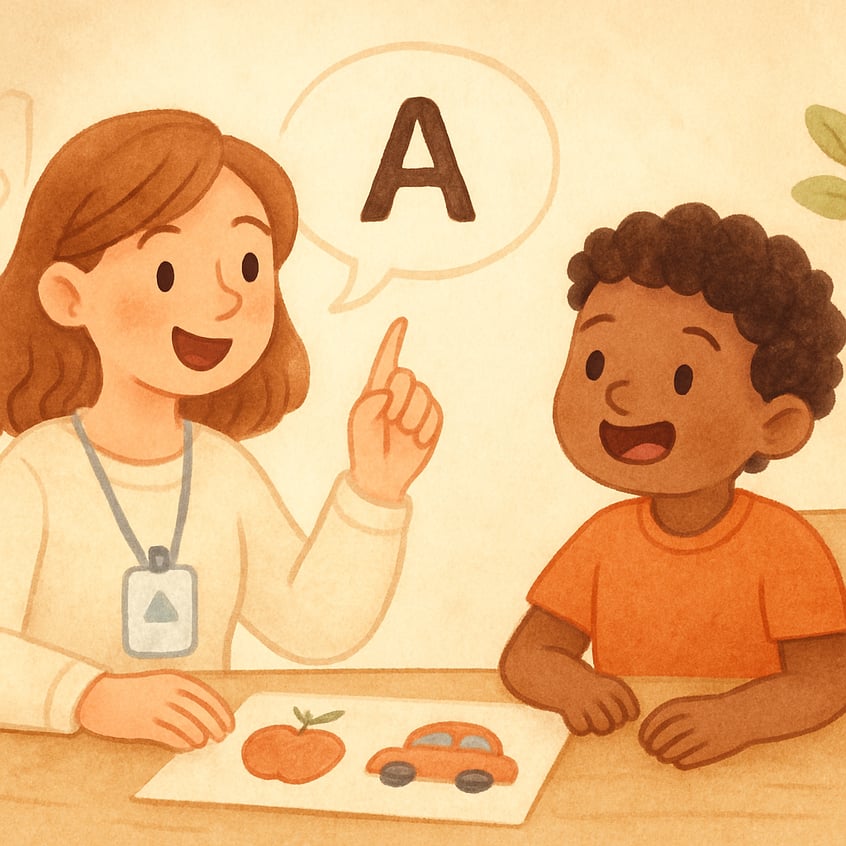
Speech therapy improves communication skills through personalized support based on your unique needs. It begins with an assessment to identify specific challenges, such as speech sounds, language comprehension, or stuttering.
Therapy addresses various speech disorders, focusing on articulation for clearer speech or breathing techniques for fluency. The goal is to make daily conversations easier and more effective.
For those unable to communicate verbally, therapists may introduce tools like picture boards or sign language, ensuring everyone can express themselves and participate confidently in social interactions.
Key Differences Between Speech Therapy and Speech-Language Pathology
Have you wondered about the difference between speech therapy and speech-language pathology? Though often used together, they mean different things. Knowing the distinction can help you find the right support.
A speech-language pathologist (also called a language therapist) is a certified professional who assesses and treats communication disorders. Speech pathology is the field focused on studying these disorders, while speech therapy is the treatment provided by the specialist. In Australia, organizations like Speech Pathology Australia certify these professionals.
In short: you see a speech-language pathologist for speech therapy. Here’s a quick breakdown:
|
Term |
Meaning |
|---|---|
|
Speech-Language Pathologist |
Certified professional who assesses and treats speech/language disorders |
|
Speech Therapy |
Treatment provided to improve communication skills |
|
Speech Pathology |
The scientific field studying communication disorders |
Techniques Used in Modern Speech Therapy Sessions
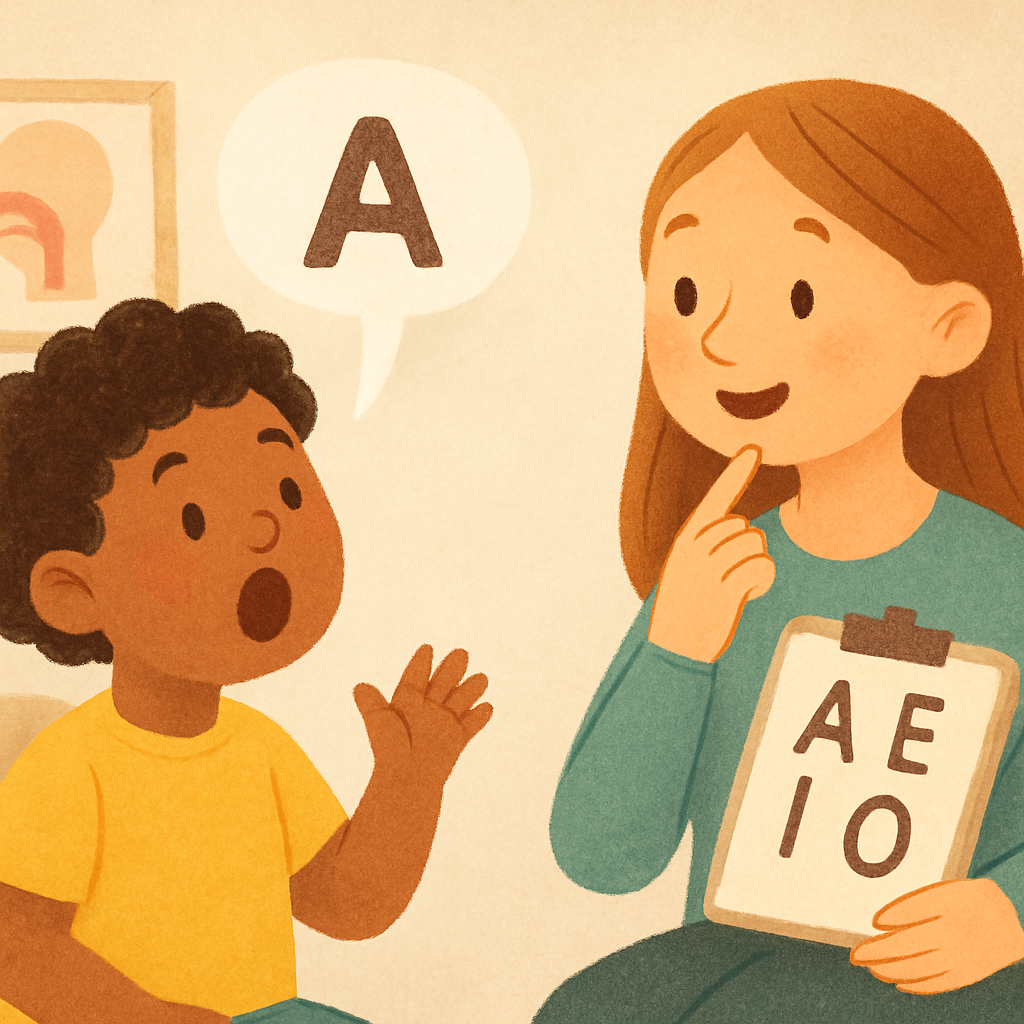
Modern speech therapy sessions use a variety of engaging and effective techniques to help you reach your goals. A therapist creates a supportive environment where you can feel comfortable practicing new skills. These modern approaches are evidence-informed, meaning they are based on proven methods that deliver results.
Every session is tailored to your specific communication needs, ensuring the work you do is relevant and meaningful. Whether for a child or an adult, the focus is always on building practical skills for everyday life. Let’s look at some specific techniques used for different age groups.
Play-Based and Evidence-Informed Approaches for Children
Play-based therapy is an effective, engaging way to support children’s language development. Instead of structured drills, therapists use games and activities that hold a child’s interest, making learning feel natural and keeping kids motivated to practice new sounds and words. This method is central to early childhood communication education.
Early intervention is crucial—children who begin therapy before age five usually see faster, better results, especially those with developmental delays or autism. Therapists tailor plans to address each child’s unique speech, language, and social challenges.
Parental involvement is essential. Therapists give families strategies to use at home, reinforcing skills learned in sessions. This teamwork ensures progress continues beyond the therapy room, providing a consistent and supportive environment.
Functional Strategies to Improve Adult Communication
Speech therapy helps adults improve communication, especially after brain injuries or neurological conditions. It focuses on regaining practical skills for daily independence, making everyday interactions like phone calls or ordering coffee easier.
Therapists address specific challenges, such as speech clarity or language recovery—often using exercises to strengthen speaking muscles or strategies to find words after events like a stroke.
Therapy is tailored to individual needs and goals, helping adults regain confidence and reconnect with family, friends, and community while enhancing independence.
Understanding Speech Therapy: What It Is and How It Can Help You
Speech therapy helps people of all ages overcome communication challenges. Children with speech delays or stuttering, teens seeking confidence, and adults recovering from brain injuries or strokes can all benefit. Commonly treated issues include articulation, language, and fluency disorders.
The real advantage of speech therapy is its personalized approach. Therapists tailor plans to your needs and adjust them as you progress, improving daily interactions and quality of life. It’s not just about clearer speech—it’s about empowering you to connect, learn, and live more independently.
Conclusion
In conclusion, embarking on a speech therapy journey can significantly enhance your communication skills and overall quality of life. Whether you're seeking support for a child or addressing your own speech needs, understanding the techniques and approaches used in speech therapy can empower you to take the necessary steps towards improvement. With personalized strategies and a supportive environment, progress is not just possible; it's achievable.
If you're ready to transform your speech journey, we encourage you to reach out and schedule a consultation or call daar at 02 9133 2500 to speak with a qualified speech therapist in Canterbury today!
Frequently Asked Questions
What Happens During a Child’s First Speech Therapy Assessment?
During a child’s first speech therapy assessment, a speech pathologist will use a mix of observation, standardized tests, and play-based activities. They evaluate the child’s communication skills, including language development and social communication, to identify any developmental delays and create a tailored therapy plan to support their needs.
How can I find a qualified speech therapist in Canterbury?
To find qualified speech therapists in Canterbury, you can start by checking resources from professional bodies like Speech Pathology Australia. Additionally, you can look into local private practices that offer therapy sessions for various communication needs or contact the Canterbury-Bankstown council for information on early childhood speech pathology services.
How long does the speech therapy process typically take for noticeable improvement?
The time it takes to see noticeable improvement varies greatly depending on the individual. Factors include the nature of the speech disorders, the person’s specific needs, and the frequency of therapy sessions. Consistent practice in a supportive environment is crucial for making steady progress in your communication skills.
.svg)




.svg)