
.png?width=48&height=48&name=Group%201%20(3).png)























23 January, 2026

Speech Therapy Canterbury: Empowering Your Voice
Introduction
Finding your voice is a powerful part of connecting with the world. If you or a loved one faces challenges with communication, help is available right here in Canterbury. The field of speech pathology offers support to people of all ages, from young children to adults. A qualified speech pathologist can provide the tools and confidence needed to communicate more clearly and effectively. This guide will walk you through the speech therapy services available in Canterbury, helping empower you and the young people in your life.
Key Highlights
-
Speech pathology and speech therapy are the same profession in Australia, offering support for communication and swallowing.
-
Services in Canterbury are available for all ages, from toddlers needing early intervention to adults and aged care clients.
-
You can access therapy in various ways, including mobile services at your home, school, or workplace, and online via telehealth.
-
Speech therapists address a wide range of issues, including speech sound disorders, language development, social skills, and stuttering.
-
Providers in Canterbury can work with NDIS participants, Home Care Packages, and private clients to meet individual needs.
-
Finding a qualified professional involves checking their registration with Speech Pathology Australia.
Understanding Speech Therapy in Canterbury
In Canterbury, speech therapy supports those with speech, language, or swallowing difficulties. A speech pathologist works with you to assess your needs and develop a personalized plan for home, school, or online.
In Australia, "speech therapy" and "speech pathology" mean the same thing. Professionals registered with Speech Pathology Australia are qualified to provide these services, whether called speech therapists or speech pathologists. Here’s what this means for you.
What Is Speech Therapy and Speech Pathology?
In Australia, speech therapy and speech pathology refer to the same profession—helping people with communication and swallowing disorders. All practitioners must earn a university degree and register with Speech Pathology Australia.
Speech pathologists assess, diagnose, and treat issues like unclear speech, stuttering, reading and writing difficulties, and social communication challenges. They work with all ages, from infants to seniors.
Treatment begins with an assessment to identify your needs. The speech pathologist then creates a personalized plan focused on your goals, helping you improve communication skills and confidence for a better quality of life.
Key Differences in Practice and Approach
Speech pathologists share core qualifications but adapt their practices to meet individual needs. Many specialize by age group—some work with children, others with adults facing acquired communication challenges.
Therapy sessions can occur in clinics, at home, in schools or workplaces, or online via telehealth for greater flexibility and convenience. You can choose the approach that best fits your lifestyle.
Here’s how speech pathology varies by client:
|
Aspect |
Pediatric Speech Pathology |
Adult Speech Pathology |
|---|---|---|
|
Primary Focus |
Early intervention, developmental milestones, school readiness |
Rehabilitation after injury/illness (e.g., stroke), workplace communication |
|
Common Goals |
Clear speech, language understanding, literacy, stuttering |
Regaining clarity, safe swallowing, social connection, augmentative tools |
|
Therapy Environment |
Play-based sessions in familiar settings (home/school) |
Practical scenarios at home or via telehealth |
Common Areas Addressed in Therapy
Speech therapy is not a one-size-fits-all solution. It addresses a broad spectrum of communication challenges, with therapists creating plans based on your individual needs. Early intervention is often key, but support is beneficial at any age.
From toddlers struggling with their first words to adults looking to improve clarity, a speech pathologist can help. They also support individuals with complex needs related to conditions like autism or developmental delays. Here are some common areas that speech therapy focuses on:
-
Speech Sound Disorders: Helping with the pronunciation of sounds and improving speech clarity.
-
Language Development: Supporting the ability to understand others and express thoughts, ideas, and feelings.
-
Social Communication: Building skills to interact with family and peers, which is often a focus in autism assessments.
-
Fluency: Assisting with issues like stuttering to help speech flow more smoothly.
-
Swallowing and Feeding: Ensuring safety and comfort during meals for those with swallowing difficulties.
These services can also positively impact mental health by reducing the frustration and isolation that often accompany communication difficulties.
Services for Children in Canterbury
For children in Canterbury, speech pathology services are designed to be fun, engaging, and effective. Paediatric speech pathology focuses on helping kids develop the skills they need to succeed at home, school, and in their friendships. A speech pathologist can make a significant difference, especially with early intervention.
Whether you have toddlers who are late to talk or school-aged children with literacy challenges, a therapist can provide tailored support. They work closely with families to ensure progress continues outside of therapy sessions. The following sections will explore specific services for children, from building early language to enhancing social skills.
Early Language Development Support
Supporting early language development is one of the cornerstones of paediatric speech pathology. Early intervention can be incredibly effective for toddlers and young children who show signs of a delay. A speech therapist can assess your child’s skills and create a play-based program to encourage communication.
This support is crucial for children who may be at risk for a developmental language disorder (DLD), a condition where a child has trouble understanding and using language without any other known cause. Therapists often work with families and educators in kindergartens to integrate strategies into daily routines. The goal is to build a strong foundation for future learning and social interaction.
Key areas of focus for early language support include:
-
Encouraging first words and building vocabulary.
-
Helping children combine words into simple sentences.
-
Developing skills to follow directions and understand questions.
Social Communication Skills Enhancement
Strong social communication skills are essential for building relationships and navigating daily life. Many young people, especially those with autism, find this challenging. Speech pathology services provide targeted support to help individuals understand and use the unwritten rules of social interaction.
Therapy may cover skills like making eye contact, taking turns in conversation, and interpreting jokes or sarcasm. Speech pathologists help those on the autism spectrum express their needs and form authentic connections.
These practical sessions empower young people to feel more confident socially, participate in school activities, make friends, and connect with their community.
Speech Sound and Fluency Disorders
Clear speech is essential for effective communication, but many people struggle with speech sound disorders or fluency issues like stuttering. A speech therapist can assess the problem and create targeted activities to improve pronunciation and speech flow, such as practicing specific sounds or techniques to manage stuttering.
Therapy sessions can occur in a clinic, at home, or online, always in a supportive environment that encourages practice without pressure. In Australia, services are available through private payment, NDIS, and other funding options, while systems like the NHS operate in the UK.
Speech therapy benefits a wide range of people, including those with autism who may have additional communication challenges. The main goal is to build confidence and make communication easier and more rewarding.
How to Choose a Speech Therapist in Canterbury
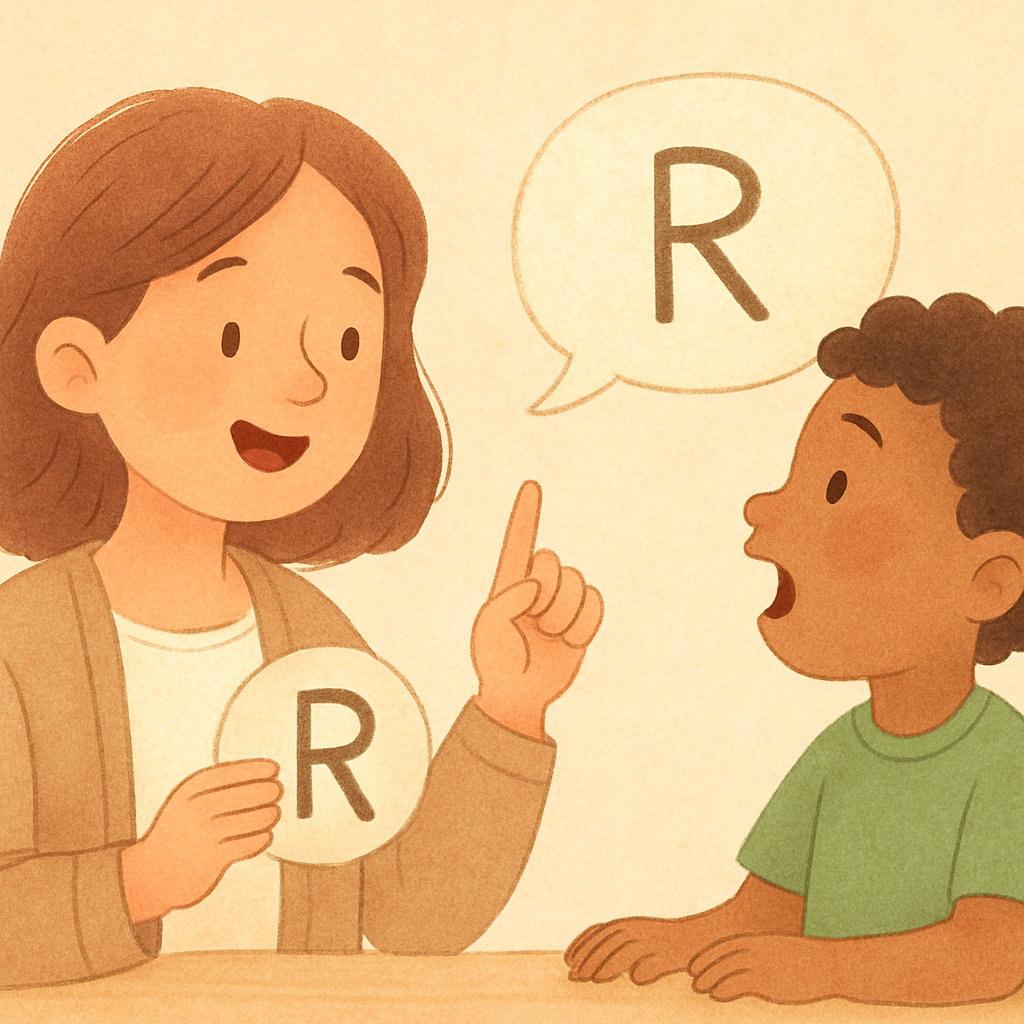
Finding the right speech therapist in Canterbury is a crucial step in your communication journey. You want to ensure the professional has the right qualifications, experience, and approach to meet your family’s needs. It’s important to check that any therapist you consider is registered with Speech Pathology Australia.
While you don't always need a doctor's referral to see a speech therapist, obtaining one can sometimes help with funding or provide important background information. The next sections will offer guidance on what to look for in a therapist and how to navigate different providers.
Qualifications and Accreditation to Look For
When choosing a speech therapist, prioritize qualifications and professional standing. In Australia, all speech pathologists must be members of Speech Pathology Australia, ensuring they have completed university training and follow a strict code of ethics.
These professionals assess your needs and develop evidence-based, personalized therapy plans. Ask about their experience, especially if you need support for a specific condition.
Look for:
-
A university degree in speech pathology
-
Current membership with Speech Pathology Australia
-
Experience with clients who have needs similar to yours or your child’s
Tips for Finding the Right Fit for Your Needs
Beyond qualifications, it’s crucial to find a therapist who fits your personality and needs. You should feel comfortable with their communication style and confident in their approach. An initial consultation can help you decide if they’re the right fit.
Ask about their availability and any waiting list, as this affects when you can start. Learn about their therapy methods and what sessions are like. A good therapist will be open and willing to answer your questions.
Tips for choosing a therapist:
-
Schedule an initial chat to assess compatibility.
-
Ask about experience with your specific concerns or goals.
-
Inquire about service options—such as in-home visits or telehealth—to see what works best for you.
Working With Government-Supported and NDIS Providers
You can access speech therapy in Canterbury through various funding options, including government programs like the National Disability Insurance Scheme (NDIS). If you have an NDIS plan, "Capacity Building" funds can be used for speech pathology services. Registered providers, such as Physio Inq, can guide you through the process.
These providers manage assessments and reports required by the NDIS and work directly with your plan manager or support coordinator to simplify scheduling and payments. Some programs may need a referral, but many accept direct inquiries.
Unlike the UK’s NHS system, Australia offers several support options. Besides NDIS funding, you can use Home Care Packages or pay privately. Trusted providers will help you understand your choices.
Recognizing When To Seek Speech Therapy
Knowing when to seek help is the first step toward improving communication. Signs can appear at any age and may be related to conditions like a developmental language disorder, autism spectrum disorder, or speech sound disorders. Sometimes, communication difficulties are also linked to ADHD, and an ADHD assessment may be recommended.
Recognizing these indicators early can lead to better outcomes and positively impact mental health by reducing frustration. The following sections detail specific signs to watch for in children and adults, helping you decide if it's time to consult a speech therapist.
Typical Signs in Children Requiring Assessment
Certain developmental signs may suggest a child needs a speech and language assessment. Parents are often the first to notice missed communication milestones—trust your instincts, as early intervention is valuable.
Difficulties can range from limited babbling in infants to trouble forming sentences in preschoolers, and may be linked to conditions like ADHD or autism. If you’re concerned, talk to your doctor about a referral or contact a speech pathologist directly.
Common signs to watch for:
-
Not communicating at an age-appropriate level
-
Others have trouble understanding your child
-
Difficulty following directions or understanding others
-
Frustration or distress over communication challenges
Adult Indicators for Speech and Social Communication Challenges
Speech and communication challenges can affect adults, whether due to lifelong issues or changes after illness or injury, such as stroke or neurological conditions. Speech therapists help adults regain skills or adapt to new difficulties.
Many autistic adults also benefit from speech therapy to improve social communication at work and in daily life, build confidence in conversations, and understand social cues. Addressing these challenges can greatly enhance relationships, career prospects, and mental health.
Adults may benefit from speech therapy if they:
-
Have trouble speaking clearly or being understood
-
Struggle to find words or form sentences
-
Find social interactions or non-verbal cues challenging
School and Workplace Communication Concerns
Communication skills are crucial for success in school and the workplace. For students, language and literacy challenges can hinder learning and participation. Speech pathologists work with schools to support these students.
In the workplace, communication issues can affect confidence and career growth. Employees may struggle to speak clearly in meetings or write effectively. Speech therapy offers practical strategies for public speaking, professional writing, and everyday interactions.
Speech therapists help children keep up with peers and empower adults at work by providing targeted support. Addressing specific challenges enables individuals to reach their full potential.
Conclusion
In conclusion, speech therapy can greatly improve communication for people of all ages. By exploring available services in Canterbury and knowing when to seek help, you can strengthen your voice and build meaningful connections. Whether supporting children’s language development or helping adults overcome challenges, the right therapist makes a difference.
Take the first step toward better communication—reach out for a consultation or call daar at 02 9133 2500 to see how speech therapy can benefit you or your loved ones.
Frequently Asked Questions
Can I access speech therapy at home in Canterbury?
Yes, you can. Many providers in Canterbury offer mobile speech pathology services, where a speech therapist comes to you. This is a convenient option for receiving therapy at home, school, or in the community. These services are available for private clients and can also be funded through an NDIS plan.
How do online speech therapy sessions work?
Online therapy sessions, or telehealth, connect you with a therapist via a secure video call. These speech pathology services offer great flexibility and are just as effective as in-person visits for many goals. Your therapist will guide you through activities and exercises every step of the way, right from your home in Canterbury.
What results can I expect from speech therapy?
Therapy outcomes from speech pathology are tailored to your unique goals, which are set after an initial assessment. At the end of the assessment, your therapist will discuss a plan with you. Results can include improved speech clarity, better language comprehension, increased confidence in social situations, and safer swallowing, helping you meet your NDIS or personal goals.
.svg)




.svg)