
.png?width=48&height=48&name=Group%201%20(3).png)























22 January, 2026

The Role of Speech Therapy for Kids in Early Development
Introduction
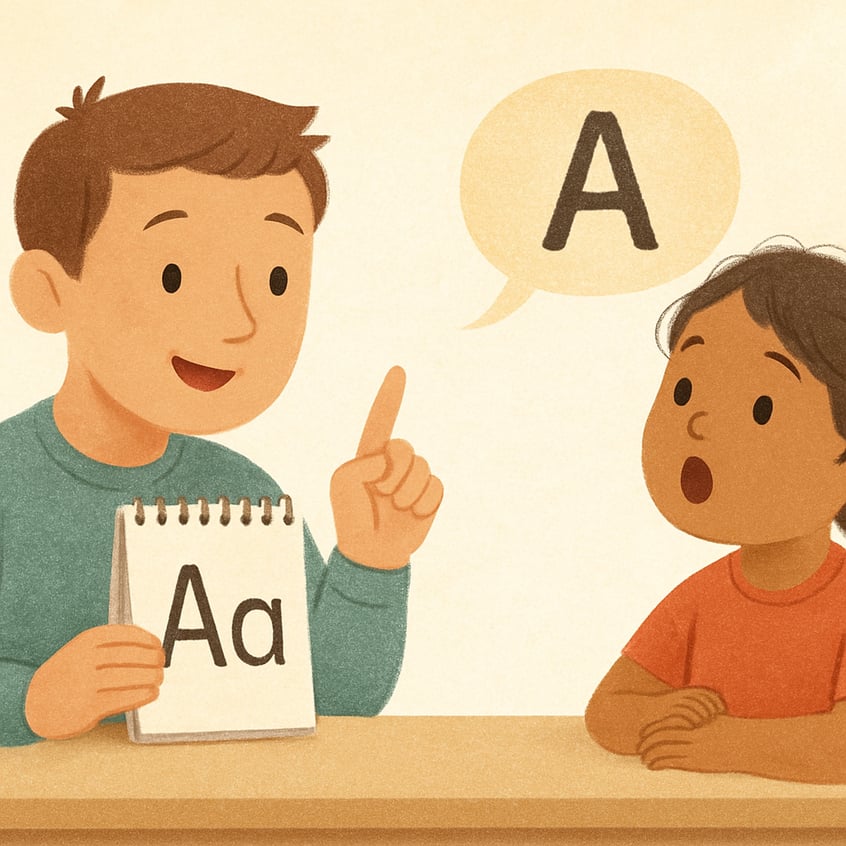
Watching your child grow is an incredible journey, and communication is a huge part of it. Sometimes, kids need a little extra support to find their voice. That’s where speech therapy comes in. These specialized therapy sessions are designed to improve a child's communication skills, helping them express their thoughts and understand the world around them. This guide will explore the role of speech therapy in early language development and how it provides the tools your child needs to communicate with confidence.
Key Highlights
-
Speech therapy sessions are vital for improving a child’s communication skills and confidence.
-
Early intervention is crucial, as therapy before age five often leads to the best outcomes in a child’s development.
-
Therapy helps children overcome challenges in language development, from pronouncing words to understanding social cues.
-
A key benefit is enhanced social communication, which helps children build friendships and succeed in school.
-
Parents should consider therapy if they notice developmental delays, as early support builds a strong foundation.
Why Early Development Matters in Speech Therapy
A child's early years are a time of incredible growth, especially for the brain. This period of high plasticity means young minds are exceptionally receptive to learning new abilities. When it comes to speech and language skills, this window is golden.
Early intervention allows therapists to address communication challenges before they become more established. By starting therapy early, you can significantly improve your child’s development and set them up for long-term success in their ability to communicate effectively.
The Impact of Early Language Skills on Future Learning
Strong communication skills are essential for academic success. Language shapes learning—from joining class discussions to following instructions. When children struggle to express themselves or process information, their entire education can be affected.
Speech therapy strengthens language skills, improving how children use and understand words. This boosts reading, writing, and classroom participation, especially for those with developmental delays, helping close learning gaps early.
Early support leads to greater progress. Improved communication builds confidence, encourages a positive attitude toward school, and prepares your child for future academic challenges.
Why Early Intervention Leads to Better Outcomes
Starting speech therapy early is one of the best steps you can take for your child. Early intervention leads to better outcomes by leveraging the brain’s rapid development in the first few years. Addressing issues early prevents communication difficulties from becoming ingrained.
Children develop at different rates, but if your child misses key milestones, consult a professional. A speech therapist can assess your child and create a personalized therapy plan.
This proactive approach improves speech and language, reduces frustration, and boosts self-esteem. Early support builds a strong foundation for lifelong communication skills.
Common Speech and Language Challenges in Young Children
Many young children face communication challenges as they grow. These can range from difficulty pronouncing certain sounds to struggling with the flow of their speech. Common language issues also include trouble understanding others or forming sentences to express their own thoughts.
Recognizing these difficulties is the first step toward getting support. Speech therapists are trained professionals who can identify the root of these problems and help improve your child’s speech. Understanding the specific signs to look for and the types of disorders can help you determine if your child needs professional guidance.
Recognizing Signs Your Child May Need Support
It can be hard to tell if your child's speech is developing normally, since every child is different. Still, certain signs may suggest a language delay or communication disorder that could benefit from professional help. Watching for these red flags can guide you on when to seek an evaluation.
While some kids are simply "late bloomers," ongoing communication issues can impact social skills and learning. If you're concerned, it's best to consult a specialist. Common signs your child may need support include:
-
No babbling by 6–12 months
-
Fewer than 50 words by age 2
-
Not using two-word phrases by age 2
-
Trouble following simple directions
-
Hard to understand outside the family
-
Little interest in social interaction or eye contact
Types of Speech and Language Disorders Seen in Early Childhood
Speech and language challenges in early childhood vary widely. Speech sound disorders make it hard for children to form sounds clearly, affecting how well they’re understood. This includes articulation errors (trouble with specific sounds) and phonological disorders (misunderstanding sound patterns).
Language disorders affect how children express themselves and understand others, impacting vocabulary, sentence building, and conversation skills. Autism spectrum disorder or physical differences like a cleft palate can also cause language difficulties that respond well to therapy.
Fluency disorders, such as stuttering, disrupt speech flow and rhythm. Speech therapy provides effective strategies for all these issues, especially for kids with developmental delays.
|
Disorder Type |
Description |
Examples |
|---|---|---|
|
Speech Sound Disorders |
Trouble producing clear speech sounds |
Articulation errors, phonological mistakes, CAS |
|
Language Disorders |
Problems understanding or using language |
Limited vocabulary, trouble forming sentences, not following directions |
|
Fluency Disorders |
Disrupted flow or rhythm of speech |
Stuttering, cluttering |
|
Voice Disorders |
Issues with voice quality, pitch, or volume |
Hoarseness, vocal nodules from shouting, laryngomalacia |
Assessing Speech and Language in Children
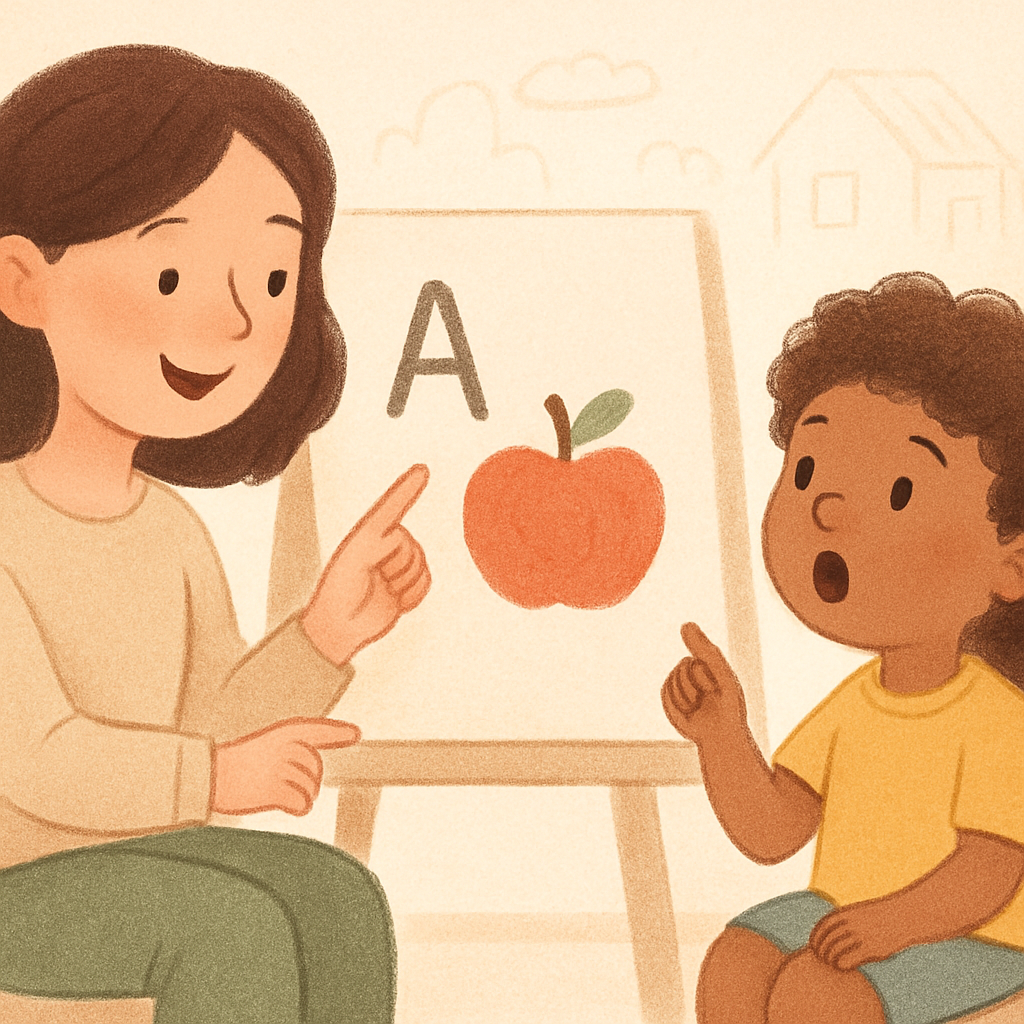
If you have concerns about your child’s communication, the first step is a professional evaluation. A speech pathologist will conduct a thorough assessment to understand your child's specific strengths and weaknesses. This assessment process is designed to get a complete picture of your child's communication abilities.
This initial evaluation is crucial for creating an effective plan for future therapy sessions. The speech pathologist will use various tools to observe and measure your child's skills, ensuring the resulting therapy is tailored perfectly to their needs. Understanding how this process works will help you and your child feel prepared.
How a Speech Pathologist Conducts Evaluations
During your visit, a speech pathologist will conduct a thorough assessment to identify your child’s communication challenges. This involves multiple methods—not just one test—to build a complete profile.
They’ll use standardized tests to compare your child’s skills with age-based norms and play-based observations to see how your child communicates naturally. The therapist will also discuss your concerns and your child’s developmental history.
All this information helps create a personalized therapy plan tailored to your child’s needs and goals.
What Parents Can Expect During the Assessment Process
Your involvement as a parent is vital during the assessment process. Your insights give the speech pathologist a clearer picture of your child’s communication at home and elsewhere. Be ready to share medical history, school reports, and any concerns.
Parental input helps the therapist develop a complete understanding of your child, ensuring therapy goals are relevant, and you can support progress at home. This partnership is key to your child’s success.
You can typically expect:
-
An in-depth interview about your child’s development and your concerns
-
Observation of your child during play-based activities
-
Discussion of assessment results and initial therapy goals
-
Guidance on supporting your child’s communication at home
Key Techniques Used in Pediatric Speech Therapy
Pediatric speech therapy sessions are designed to be engaging and effective. Therapists use a variety of techniques and innovative approaches to help children build their communication skills in a fun, supportive atmosphere. These methods are carefully selected to match the child's age, interests, and specific goals.
From interactive games to structured exercises, the therapy plans are anything but one-size-fits-all. A typical session feels more like play than work, ensuring that children stay motivated and open to learning. Let's explore some of the popular activities and modern approaches used in therapy today.
Popular Activities and Exercises for Early Learners
Speech therapists use a wide range of activities to make learning new skills fun for young children. These exercises are designed to target specific goals while keeping the child engaged and motivated. Interactive games are a cornerstone of pediatric therapy, as they allow children to practice communication in a natural and enjoyable way.
Activities often focus on building vocabulary, improving pronunciation, and developing social communication skills. For example, therapists might use picture boards to help children express their thoughts or practice reading facial expressions to understand emotions. The goal is to make each session a positive experience.
Here are some popular activities used in therapy:
-
Articulation therapy drills disguised as fun games.
-
Storytelling to build sentence structure and vocabulary.
-
Role-playing to practice social skills like turn-taking.
-
Using picture books to introduce new words and concepts.
-
Playing with toys to encourage natural conversation.
-
Singing and rhyming games to improve phonological awareness.
Innovative Approaches in Speech Therapyphy Liverpool
Modern speech therapy uses innovative methods for a holistic approach to communication. For non-verbal children or those with significant speech challenges, therapists may introduce augmentative and alternative communication (AAC) systems, from simple picture exchanges to advanced speech-generating devices.
Some services also apply ABA therapy principles, using positive reinforcement to encourage communication and build new habits. Play therapy creates a comfortable setting where children can express themselves naturally.
By blending traditional and modern techniques, therapists address every aspect of a child’s communication needs and develop personalized, effective treatment plans.
Conclusion
In conclusion, speech therapy is crucial for children's early development, building essential language skills and confidence. Early intervention addresses challenges and enhances communication. By recognizing signs and understanding assessments, parents can seek appropriate support. Engaging children in enjoyable, personalized activities helps therapists boost progress.
For guidance on your child's speech and language needs, consider a consultation or call daar at 02 9133 2500 to ensure they get the right support.
Frequently Asked Questions
At what age should parents consider speech therapy for their child?
Parents should consider speech therapy at any age if they have concerns about their child’s speech development. Early intervention is key, so don't hesitate to consult with speech therapists if you notice delays in your child's ability to communicate. Even toddlers can benefit from therapy sessions tailored to their needs.
Can pediatric speech therapy be funded through the NDIS in Australia?
While many therapy services can be covered by different plans, it is important to check with your specific provider. In Australia, the NDIS may fund speech therapy sessions if they are considered reasonable and necessary for an individual's goals. It's best to discuss funding options with your plan manager or support coordinator.
What qualifications should a speech therapist working with children have?
A speech therapist working with children should be a licensed and certified speech pathologist. Look for professionals who hold credentials like the Certificate of Clinical Competence (CCC-SLP). Experienced speech therapists will work with family members to set therapy goals that support your child’s academic success and overall well-being.
.svg)




.svg)