
.png?width=48&height=48&name=Group%201%20(3).png)























16 February, 2026

Behaviour Therapy for Kids: A Parent’s Guide to NDIS Support
If you are raising a child with a disability—whether it’s Autism, ADHD, or a developmental delay—you know that some days are harder than others. You might be dealing with meltdowns that seem to come out of nowhere, struggles with social skills on the Playground, or anxiety that makes leaving the house a challenge.
As you navigate the National Disability Insurance Scheme (NDIS), you will encounter a sea of terminology. Behaviour therapy for kids, Positive behaviour support, Specialised Behaviour Support... it can all start to sound the same. But understanding the difference is the key to unlocking the right funding and the right help for your child.
The goal of therapy isn't to change who your child is. It is to give them the tools to handle big emotions, communicate their needs, and navigate a world that isn't always built for them.
In this guide, we will break down these concepts, explain how they fit into your NDIS plan, and show you how the right support can transform daily struggles into moments of growth.
What is Behaviour Therapy for Kids?
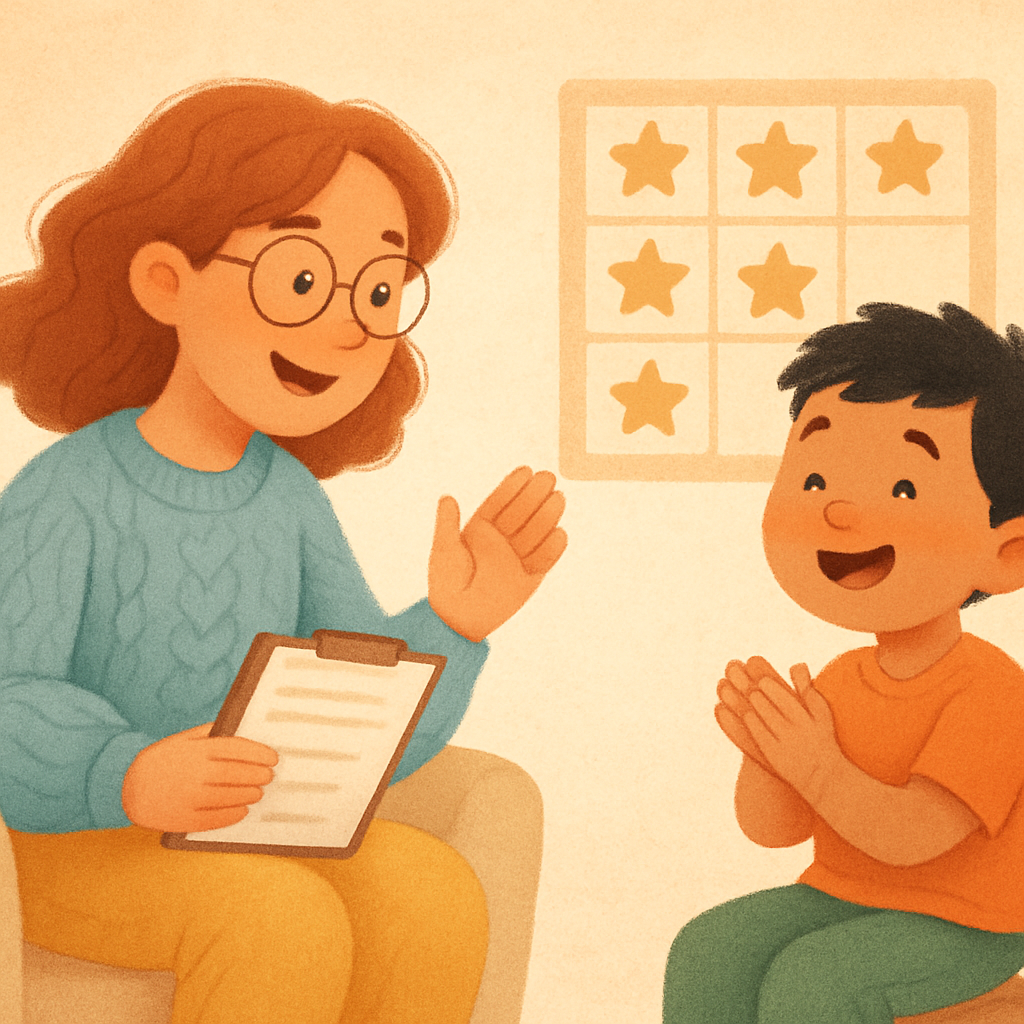
Behaviour therapy for kids is a broad term for interventions that help children learn positive behaviours and reduce challenging ones. Under the NDIS, this is typically funded under the "Capacity Building" budget (specifically "Improved Daily Living").
Unlike traditional talk therapy, which focuses on why we feel a certain way, behaviour therapy focuses on what we do. It is action-oriented.
For a child, this might look like:
- Emotional Regulation: Learning to recognize when they are getting angry and using a strategy (like deep breathing or squeezing a stress ball) to calm down.
- Skill Building: Breaking down complex tasks (like brushing teeth or getting dressed) into small, manageable steps.
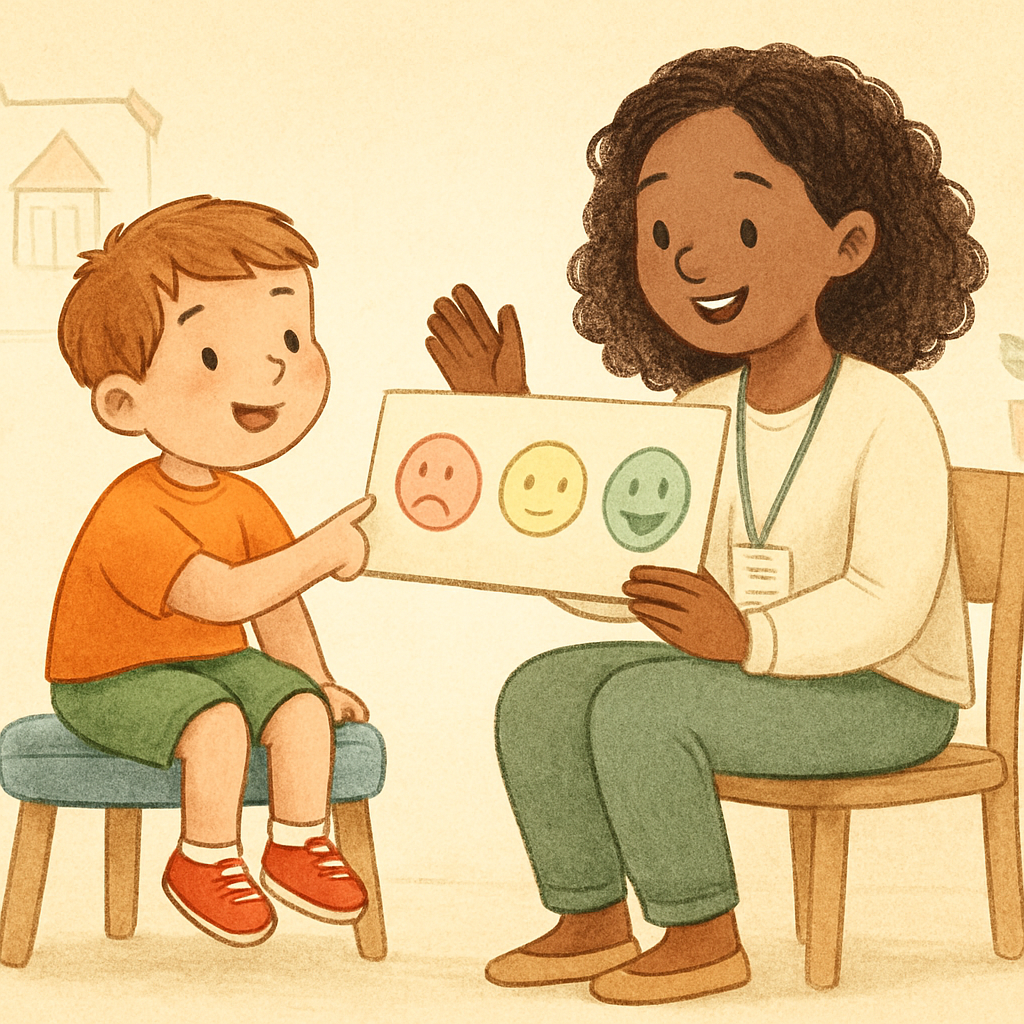
- Communication: Teaching a child to use words, signs, or pictures to ask for what they want instead of hitting or screaming.
The Gold Standard: Positive Behaviour Support (PBS)
When looking for a therapist, you should always look for one who uses a Positive behaviour support (PBS) framework. This is the most ethical, evidence-based approach used in the disability sector today.
PBS flips the script on traditional discipline. Instead of asking, "How do I punish this bad behaviour?", it asks, "What is this behaviour telling me?"
1. Behaviour is Communication
A child who throws a chair isn't just being "naughty." They might be saying, "This work is too hard," "It's too loud in here," or "I'm hungry." PBS practitioners act as detectives to find this underlying message (the "function" of the behaviour).
2. Proactive, Not Reactive
Positive behaviour support focuses on prevention. By changing the environment (e.g., using a visual schedule to reduce anxiety about what comes next) and teaching new skills, we can prevent the challenging behaviour from happening in the first place.
3. Quality of Life
The ultimate goal of PBS is not compliance; it is happiness. A child who is understood, engaged, and capable is a child who doesn't need to act out.
Taking it to the Real World: Socialised Behaviour Therapy
One of the biggest challenges parents faces is that their child behaves perfectly in the therapy room but falls apart at school or the park. This is where socialised behaviour therapy comes in.
Socialised behaviour therapy involves practicing skills in real-world, social settings. It bridges the gap between "knowing" what to do and actually "doing" it.
This might involve:
- Social Skills Groups: Small groups where children practice turn-taking, losing a game gracefully, and reading facial expressions with peers.
- Community Access: A therapist going with the child to the shops or a cafe to practice ordering food, waiting in line, and handling sensory overload.
- School Support: Working with teachers to implement strategies in the classroom, ensuring the child isn't isolated from their friends.
This approach ensures that the skills learned in behaviour therapy for kids actually stick when it matters most.
When Safety is a Concern: Specialised Behaviour Support
For some families, the challenges go beyond tantrums. If a child’s behaviour poses a risk of harm to themselves or others (e.g., self-injury, aggression, running onto roads), they may require Specialised Behaviour Support.
This is a specific category of NDIS funding (usually under "Improved Relationships").
What Makes it "Specialised"?
Specialised Behaviour Support is highly regulated by the NDIS Quality and Safeguards Commission. It involves a registered Behaviour Support Practitioner writing a comprehensive Behaviour Support Plan (BSP).
This plan is a legal document that outlines:
- Proactive Strategies: Everything the team will do to keep the child happy and safe.
- Reactive Strategies: Exactly how to respond safely if a crisis occurs.
- Restrictive Practices: If safety measures are needed (like a locked gate, harness, or medication), these must be documented, reported, and—crucially—faded out over time as the child learns new skills.
The goal of Specialised Behaviour Support is always to reduce restrictions and increase the child's freedom and independence.
How to Use Your NDIS Funding
Navigating the NDIS price guide can be tricky. Here is a quick cheat sheet:
- Improved Daily Living: This is your flexible therapy budget. It funds psychologists, occupational therapists, and other professionals to deliver behaviour therapy for kids and socialised behaviour therapy groups.
- Improved Relationships: This is specifically for Specialised Behaviour Support. It funds the writing of the Behaviour Support Plan and the training of parents and carers to implement it.
Conclusion
Raising a child with behavioural challenges can feel isolating, but you are not alone. The NDIS provides a framework for support that can change your family’s life.
Whether you need general behaviour therapy for kids to build confidence, socialised behaviour therapy to help them make friends, or Specialised Behaviour Support to keep them safe, the right help is out there. By focusing on strengths, understanding the "why," and using Positive behaviour support, you can empower your child to reach their full potential.
We specialize in providing high-quality, NDIS-registered therapy. From Positive behaviour support to Specialised Behaviour Support plans, our team is here to advocate for your child.
Contact us today for a consultation or call daar at 02 9133 2500 to discuss your NDIS goals and find the right therapist for your family.
FAQ: Common Questions for Parents
How do I know if I need Specialised Behaviour Support?
If your child’s behaviour is dangerous, or if you are using any "restrictive practices" (like locking cupboards or using a pram for an older child to prevent running away), you likely need Specialised Behaviour Support. Discuss this with your NDIS planner or Local Area Coordinator (LAC).
Can I do therapy at home?
Yes! In fact, home is often the best place for behaviour therapy for kids. Therapists can see the triggers in the child's natural environment and coach you on how to manage the morning routine, meal times, and bedtime battles.
Will therapy change my child’s personality?
No. The goal of Positive behaviour support is to remove the barriers that prevent your child’s personality from shining. It gives them the emotional regulation skills to handle frustration so they can be the happy, curious, and loving child they are meant to be.
.svg)




.svg)