
.png?width=48&height=48&name=Group%201%20(3).png)























9 February, 2026

Empowering Your Child: A Parent’s Guide to Behavioural Therapy and NDIS Support
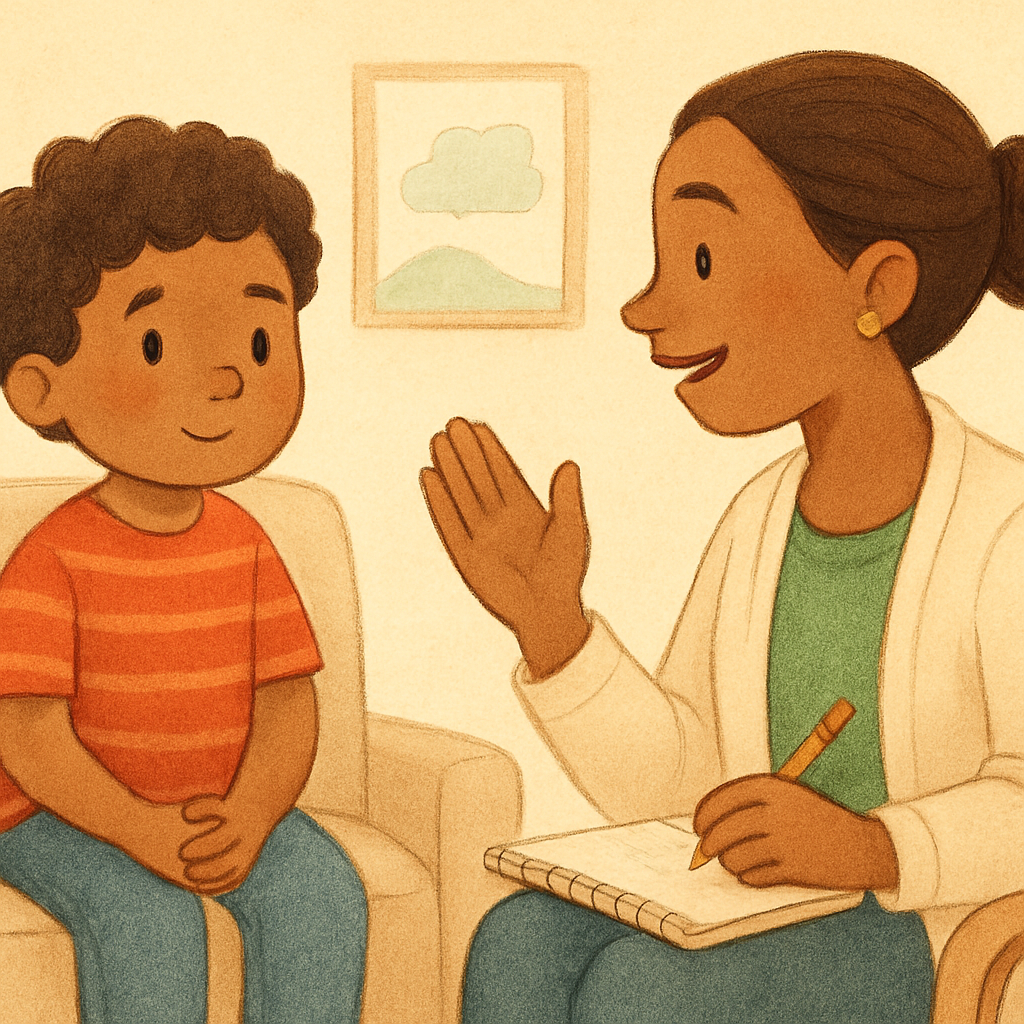
Navigating the world of child development can feel like a maze, especially when your child is facing behavioural challenges. As a parent, you want nothing more than to see your child happy, confident, and capable of navigating the world around them. If you are noticing hurdles in their social interactions, emotional regulation, or daily routines, you are not alone—and more importantly, there is help available.
Behavioural therapy for kids has evolved significantly over the years. It is no longer just about "correcting" actions; it is about understanding the "why" behind a behaviour and providing children with the tools they need to express themselves and succeed. Whether you are just starting your journey or are looking to maximise your NDIS plan, this guide will explore how modern, compassionate approaches like Positive Behaviour Support can make a lasting difference in your family’s life.
What is Behavioural Therapy for Kids?
At its core, behavioural therapy is a structured approach to helping children learn new skills and reduce challenging behaviours. However, the modern approach is far removed from rigid discipline. Today, therapists focus on reinforcement, motivation, and skill-building.
For children with autism, ADHD, or other developmental delays, the world can sometimes feel overwhelming. Behavioural therapy acts as a bridge, helping them translate their internal feelings into external actions that are safe and productive. It helps children:
- Communicate their wants and needs effectively.
- Regulate their emotions during stressful situations.
- Develop essential life skills, from dressing themselves to playing with others.
The Power of Positive Behaviour Support (PBS)
One of the most effective and respectful frameworks used today is Positive Behaviour Support (PBS). Unlike traditional methods that might focus on punishment for "bad" behaviour, PBS focuses on proactive strategies.
Understanding the Function of Behaviour
PBS starts with the premise that all behaviour is communication. Is your child acting out because they are frustrated? Are they seeking sensory input? Or are they trying to escape a difficult task? By identifying the trigger, therapists can teach the child a more appropriate way to get their needs met.
Building a Supportive Environment
PBS isn't just for the child; it’s for the family and the environment. It involves making changes to the home or school setting to reduce triggers and set the child up for success. This might look like visual schedules, clear expectations, or sensory-friendly spaces.
Specialised Behaviour Support Under the NDIS
For Australian families, the National Disability Insurance Scheme (NDIS) is a critical resource. If your child has a disability that impacts their daily life, they may be eligible for Specialised Behaviour Support.
This is a specific category of funding designed for participants who exhibit behaviours of concern that may limit their independence or pose a risk to themselves or others.
What Does a Specialist Do?
A practitioner providing Specialised Behaviour Support will:
- Conduct a Functional Behaviour Assessment (FBA): To understand why behaviours are occurring.
- Create a Behaviour Support Plan: A comprehensive document outlining strategies for families and educators to use.
- Provide Training: Teaching parents and support workers how to implement the strategies effectively.
If you are navigating the NDIS, look for funding under "Improved Relationships" (Capacity Building) to access these vital services.
Socialised Behaviour Therapy: Learning Through Connection
Children do not live in a vacuum; they live in a social world. Socialised behaviour therapy takes the skills learned in one-on-one sessions and applies them to group settings.
Many children struggle with the nuances of social interaction—taking turns, reading facial expressions, or understanding personal space. Socialised therapy often takes the form of social skills groups where children can practice:
- Cooperative Play: Working together toward a common goal.
- Conflict Resolution: Learning how to handle disagreements without aggression.
- Peer Bonding: Building genuine friendships in a safe, guided environment.
This approach ensures that the behavioural improvements aren't just theoretical—they work in the Playground, the classroom, and at birthday parties.
How to Choose the Right Provider
Finding the right therapist is like finding the right pair of shoes—it has to be the perfect fit. When looking for a provider for behavioural therapy for kids, consider the following:
- Qualifications: Are they registered with the NDIS Quality and Safeguards Commission?
- Approach: Do they use evidence-based practices like Positive Behaviour Support?
- Family Involvement: Do they actively involve you in the process? Therapy is most effective when strategies are consistent at home.
- Rapport: Does your child feel safe and comfortable with them?
Conclusion
Supporting a child with behavioural challenges requires patience, empathy, and the right team in your corner. By leveraging Positive Behaviour Support and accessing Specialised Behaviour Support through the NDIS, you are not trying to change who your child is—you are giving them the skills to navigate the world safely and happily.
Remember, every small victory is a step forward. Whether it’s a successful playdate via socialised behaviour therapy or a meltdown-free trip to the shops, these milestones matter.
If you are looking for compassionate, evidence-based support for your child, we are here to help. Contact us today to discuss how we can tailor a behavioural support plan that fits your family’s unique needs and NDIS goals. Let’s build a brighter future together.
Reach out for a consultation or call daar at 02 9133 2500 for expert guidance tailored to your child’s needs.
Frequently Asked Questions (FAQ)
What is the difference between standard behavioural therapy and Specialised Behaviour Support?
Standard behavioural therapy often focuses on general skill-building and emotional regulation. Specialised Behaviour Support is a higher level of clinical intervention funded by the NDIS, specifically designed for complex or high-risk behaviours. It requires a registered practitioner to develop a formal Behaviour Support Plan.
Can I use my NDIS funding for social skills groups?
Yes, in many cases. If your child’s NDIS goals relate to increasing social participation, making friends, or managing emotions in groups, you can often use your Capacity Building funding for socialised behaviour therapy or group programs.
What if my child resists therapy?
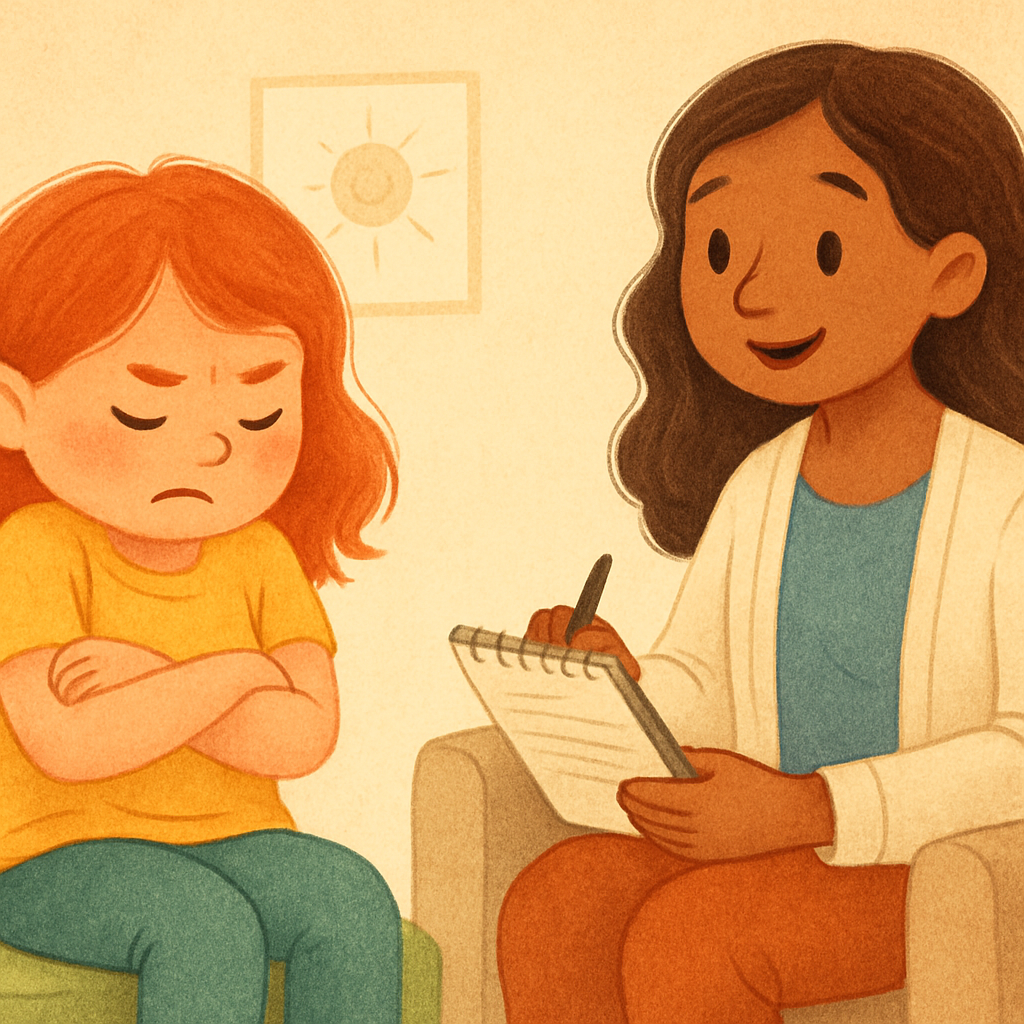
It is common for children to be apprehensive initially. A good therapist will spend the first few sessions simply building rapport and "pairing" themselves with fun activities. If resistance continues, the therapist may adjust their approach to be more play-based or child-led to increase engagement.
.svg)




.svg)