





















27 January, 2026

Effective Speech Therapy Canterbury: Unlock Your Potential
Introduction
Effective communication is the key to connecting with others and expressing your thoughts and needs. When you or a loved one faces communication difficulties, it can be challenging to navigate daily life. A speech pathologist is a university-trained health professional who assesses and treats a wide variety of communication issues. Whether you are concerned about a child’s language development or an adult's ability to speak clearly, expert support is available in Canterbury to help you unlock your full potential.
Key Highlights
-
Find a broad range of speech pathology services in Canterbury for children and adults.
-
Get help for communication difficulties from qualified speech pathologists.
-
Early intervention programs are available to support a child’s language development.
-
A qualified language therapist can address issues with speech, language, literacy, and social skills.
-
Flexible options like online speech therapy offer convenient access to care from home.
-
Improve your communication skills with tailored, one-on-one support.
Who Can Access Speech Therapy Services in Canterbury?
Speech therapy in Canterbury is available for all ages, not just children. Adults with communication challenges from injury or illness can access support to improve their quality of life. Speech pathologists create personalized strategies to build confidence and enhance communication.
Services are accessible with or without a referral, and family or caregivers often support progress outside sessions. From toddlers to seniors, professional guidance benefits everyone.
Services for Children: Early Intervention and Support
Early intervention is essential for helping children overcome communication challenges. Speech therapy builds foundational skills early, addressing delays before they become bigger issues. Therapists help with everything from correct word formation to using language in social situations, which boosts confidence and social skills.
For children with conditions like autism, therapy is customized to their needs. Speech pathologists often work with schools and families to ensure consistent support at home and in class. They focus on practical skills that help kids build relationships and participate more fully in daily life.
Therapy sessions are engaging and play-based, making learning enjoyable. By building on a child’s strengths, therapists empower them to communicate effectively and thrive.
Speech Therapy Options for Adults
Adults seek speech therapy for various reasons, such as regaining speech after a stroke or addressing neurological communication challenges. A speech pathologist offers targeted support to help you recover abilities or develop new communication strategies. Therapy can also enhance literacy and cognitive-communication skills vital for daily life and work.
In addition to language skills, therapy often covers social interaction, teaching you strategies to navigate conversations and strengthen connections. The aim is to equip you with tools to overcome communication barriers.
Many providers offer flexible options like online therapy, so you can access expert care from home and easily fit sessions into your schedule. Whether in-person or online, support is available to improve your communication and confidence.
Recognizing Signs That Therapy May Be Needed
Determining when a person could benefit from speech therapy can be challenging, yet several typical signs may point to communication issues. In children, you may observe that they fail to reach key developmental milestones for their age, such as babbling, speaking single words, or forming sentences. Adults might display changes in how clearly they speak or have trouble retrieving words, which are signals that additional support might be required.
Identifying these signs early sets the stage for seeking assistance. Common indications that someone may profit from therapy include difficulty pronouncing certain sounds, being hard to understand, having trouble with social interactions or interpreting non-verbal cues (pragmatics), and facing obstacles in reading, writing, or following instructions.
Communication difficulties like these are sometimes linked with developmental delays or conditions such as autism spectrum disorder. If you spot any of these challenges in yourself or someone you care for, reaching out to a speech pathologist can offer insight and guide you toward solutions.
Popular Speech Therapy Approaches Used in Canterbury
In Canterbury, speech therapists (or speech pathologists) use personalized approaches to improve communication. Each session is tailored to your needs and goals, drawing from various techniques rather than a one-size-fits-all method.
Therapy focuses on teaching practical skills you can use daily. It’s interactive and goal-oriented, keeping you actively involved in your progress. Your therapist helps build your confidence and achieve real improvements in communication. This individualized care uses evidence-based practices and often includes family support for effective treatment.
Evidence-Based Practices and Techniques
Working with a speech pathologist means receiving evidence-based care—therapy techniques are backed by research and proven effective. Therapists stay current with industry developments to ensure high-quality, efficient treatment.
In Canterbury, qualified professionals often register with Speech Pathology Australia, adhering to strict standards for expert, reliable service. This commitment ensures you receive trustworthy care aimed at achieving real progress, from clearer speech to stronger language skills.
Your therapist will tailor strategies to your needs, combining clinical expertise with proven methods in a supportive environment. This personalized, evidence-based approach is key to successful speech therapy.
Role of Family in Supporting Social Communication at Home
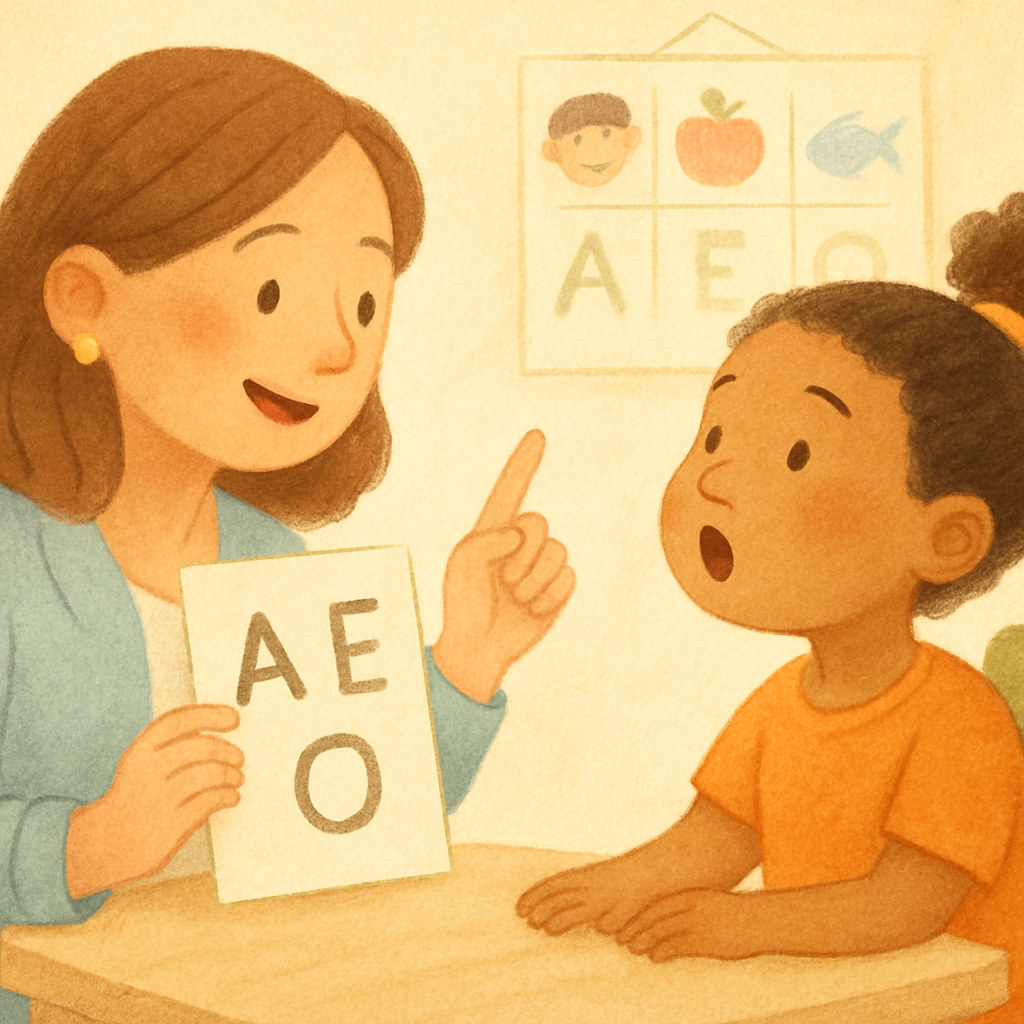
Family and support networks are vital to successful speech therapy, especially for social communication. Skills learned in therapy are most effective when practiced and reinforced at home. Your therapist can guide you in supporting your loved one’s progress.
Focusing on a child’s strengths helps them build new social skills. Creating a positive environment encourages them to practice and grow. Simple ways to support social communication at home include:
-
Taking turns during conversations and games
-
Practicing non-verbal cues like eye contact and facial expressions
-
Encouraging them to share their thoughts and feelings
Your active involvement bridges the gap between therapy and everyday life, leading to lasting improvements.
Finding the Right Speech Therapist in Canterbury
Finding the right speech therapist is essential for improving communication. Start by asking your GP or other health professionals for referrals to qualified speech pathologists in Canterbury who match your needs and make you feel comfortable.
You can also search online, but choose certified therapists with proven experience. Ask about their qualifications and therapy approach. Taking time to find the right fit helps ensure a successful outcome.
Qualifications and Experience to Consider
When choosing a speech pathologist, consider their qualifications and experience. Look for clinicians who are members of Speech Pathology Australia, as this ensures they meet national standards and ongoing professional development.
Experience in your specific area—such as early intervention, autism, or adult rehabilitation—is important for achieving your goals. Check clinic websites or ask therapists directly about their background.
Key factors to consider:
|
Factor |
Why It Matters |
|---|---|
|
Qualifications |
Confirms certification and adherence to professional standards. |
|
Relevant Experience |
Ensures the therapist understands your specific needs. |
|
Therapeutic Approach |
Methods should match your goals and be evidence-based. |
How to Choose the Best Clinic for Your Needs
After identifying qualified therapists, choose a clinic that suits your needs. A welcoming, comfortable environment is important—especially for children, who benefit from play-based spaces.
Consider practical factors such as the clinic’s location, accessibility, appointment availability, and waiting list length. Friendly staff and a supportive atmosphere also enhance your experience.
Selecting a clinic that matches your preferences improves therapy outcomes and your overall satisfaction.
Flexible Options for Accessing Speech Therapy
Accessing speech therapy in Canterbury is now more flexible. Along with traditional clinic appointments, many providers offer in-home visits and online (telehealth) sessions to fit your schedule and location. These options save travel time and are ideal for busy families or those in remote areas, letting you choose the setting that works best for you.
In-Clinic vs. In-Home Sessions
Choosing between in-clinic and in-home speech therapy depends on your needs and preferences. In-clinic sessions offer a structured setting with specialized resources, which can help some people focus better. In-home sessions provide convenience, eliminate travel, and allow therapy to take place in a familiar environment—ideal for young children or those with mobility challenges. Therapists can also tailor strategies to fit your daily routines.
Key factors to consider:
-
Convenience: In-home therapy saves travel time.
-
Environment: Clinics are structured; home is familiar and comfortable.
-
Resources: Clinics may have more specialized tools.
Choose the option that feels most comfortable and accessible for you.
Online and Telehealth Speech Therapy Services
Online speech therapy, or telehealth, is a convenient and effective way to access care from anywhere with an internet connection. Ideal for those in remote areas, with busy schedules, or who prefer staying home, sessions are held via video platforms like Zoom.
To get started, you’ll need:
-
A computer, tablet, or smartphone with a camera and microphone
-
A stable internet connection
-
A quiet, private space
Your therapist will guide you through interactive sessions using tools like screen sharing to keep therapy engaging. Telehealth removes geographic barriers, making it easier than ever to connect with qualified speech therapists.
Conclusion
Effective speech therapy in Canterbury helps individuals of all ages unlock their communication potential. Whether you need early intervention for children or specialized support for adults, a range of services is available to meet your needs. Recognizing when therapy may help and choosing the right therapist ensures a personalized approach. With flexible options like in-clinic and online sessions, accessing support is easier than ever. Taking the first step can greatly improve your quality of life.
Ready to get started? Contact us for a consultation or call daar at 02 9133 2500 today!
Frequently Asked Questions
How does NDIS funding work for speech therapy in Canterbury?
The National Disability Insurance Scheme (NDIS) can fund speech pathology services if they are considered reasonable and necessary to help you achieve your goals. Your NDIS plan can provide clarity on what is covered, allowing you to access therapy and build the support networks you need to improve your communication.
Are there government-supported or low-cost speech therapy options available?
Yes, there are government-supported options available. You may be able to get a Medicare rebate for a certain number of sessions with a referral from your GP. Public services are also available, but there might be a waiting list. It is best to ask your doctor for further information on these programs.
What should I expect during my first speech therapy session?
Your first speech pathology session is usually an assessment. The clinicians will talk to you about your concerns and conduct a type of assessment to understand your strengths and challenges. At the end of the assessment, they will discuss their findings and recommend a therapy plan, supporting you every step of the way.
.svg)




.svg)