
.png?width=48&height=48&name=Group%201%20(3).png)























13 January, 2026

The Importance of Social Communication for Kids Today
Introduction
Watching your child grow and learn is one of life's greatest joys. A key part of this journey is their language development, which is the foundation for social communication. For young children, learning how to share their thoughts and understand others is a critical milestone that shapes how they connect with the world. Strong communication skills are not just about talking; they are about learning, playing, and building relationships. This guide will explore the importance of social communication and how you can support your child’s development.
Key Highlights
-
Effective social communication is a cornerstone of a child's language development and future success.
Communication is made up of both receptive language skills (understanding) and expressive language skills (speaking).
Difficulties in either area can impact a child's academic success and ability to form friendships.
Some common causes of receptive language difficulties in children include hearing impairment, developmental delays, neurological disorders, limited language exposure, and certain genetic conditions. These factors can affect how well a child grasps and processes spoken language, making it important to monitor and support both receptive language and expressive language throughout early language development. -
Communication is made up of both receptive language skills (understanding) and expressive language skills (speaking).
-
Difficulties in either area can impact a child's academic success and ability to form friendships.
-
Parents can support language growth through simple, everyday activities like reading and playing together.
-
Early intervention from a speech pathologist is highly effective for children with language delays.
-
Recognizing the signs of a language disorder allows you to get your child the support they need.
Understanding Social Communication in Childhood
Social communication is much more than just the words we use. It involves a complex set of language skills that act as the building blocks for how your child interacts with everyone around them. A child’s ability to understand language is just as important as their ability to express themselves.
This process of language learning involves both understanding information and sharing thoughts. When we look closer at social communication, we can see it is composed of two main parts: receptive language (how a child understands) and expressive language (how a child communicates).
What is Social Communication?
Social communication is the use of language to connect with others. It involves understanding spoken and written words to express ideas, feelings, and needs—a crucial two-way process in all interactions.
Nonverbal cues like facial expressions, gestures, and body language add meaning beyond words. For children, reading and using these signals is a key skill.
Strong social communication helps children engage in conversations, build relationships, and navigate their social world. It’s about listening and being heard—the foundation for learning and connection.
Components of Social Communication: Receptive and Expressive Language
Receptive language is your child's ability to understand,stand and process spoken or written language—the "input" of communication. Strong receptive skills help children follow directions, answer questions, and comprehend stories. Children with receptive language disorders may struggle with instructions or seem inattentive during conversations.
Expressive language is the "output"—how your child uses words, sentences, and gestures to express themselves. Kids with expressive language disorders may have trouble asking questions, naming objects, or forming sentences, often leading to frustration.
Though different, receptive and expressive language are closely connected. A child usually needs to understand language before using it well. Difficulties in either area can signal a language delay, so recognizing the signs is important.
The Impact of Social Communication on Learning and Social Skills
The ability to communicate effectively has a powerful impact on nearly every aspect of your child’s life, from the classroom to the playground. Strong social communication skills are a direct line to academic success and positive social interaction. When children can understand others and express themselves clearly, they become more confident communicators.
A child’s receptive language is particularly important, as it serves as the foundation for learning and connecting with peers. Without the ability to understand instructions or conversations, a child can quickly fall behind. We will explore how these skills influence classroom performance and the ability to build friendships.
Social Communication and Classroom Performance in Liverpool
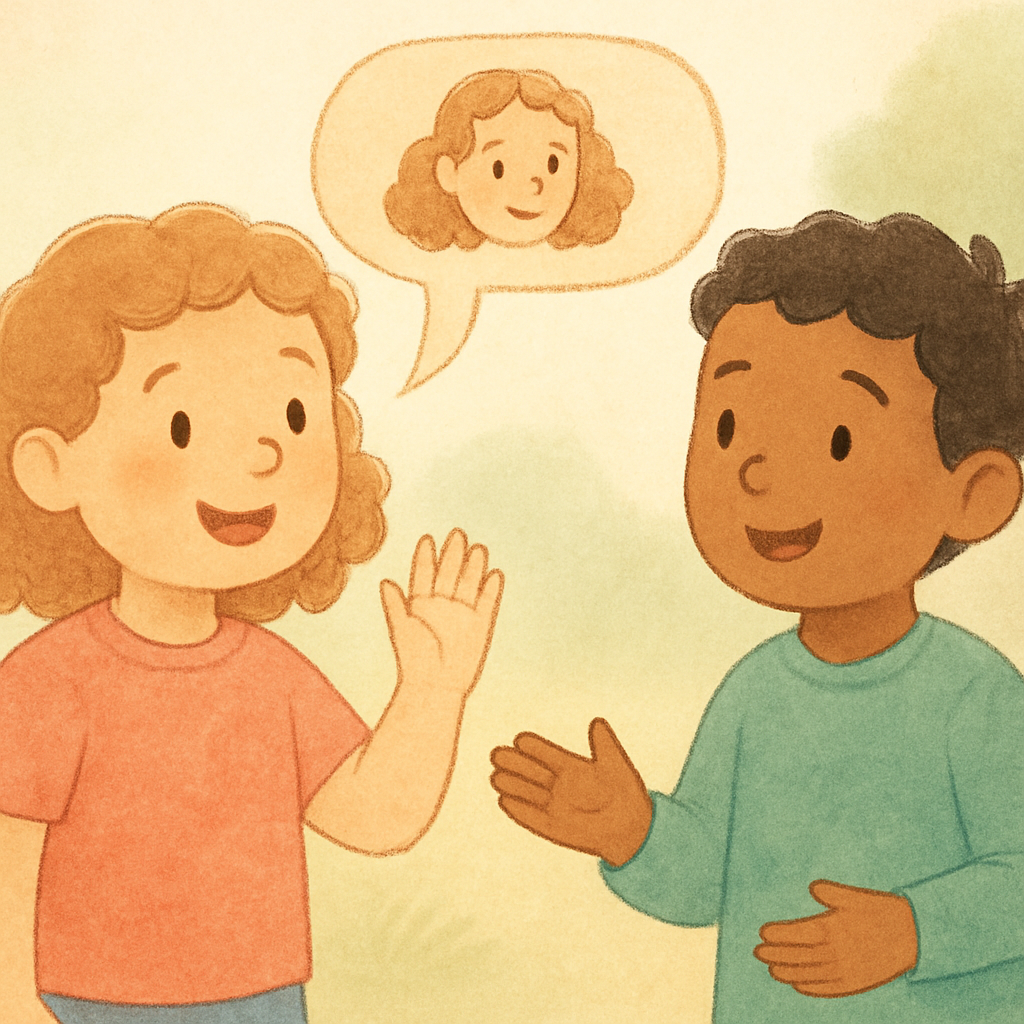
Strong communication skills are crucial for classroom success. Listening and comprehension help children follow instructions and join group activities. Children with receptive language difficulties may struggle to keep up, affecting both language learning and academic performance.
If your child has a delay, you might notice trouble answering questions or confusion during story time. These issues can be mistaken for behavior problems but often stem from communication challenges. Recognizing these signs is key to providing support.
How communication skills affect school performance:
|
Skill Area |
Impact on Classroom Performance |
|---|---|
|
Following Directions |
Struggles with multi-step instructions from the teacher |
|
Comprehension |
Difficulty understanding stories or class discussions |
|
Answering Questions |
May answer incorrectly, not respond, or need repeated prompts |
|
Social Interaction |
Trouble joining group activities or conversations with peers |
Building Friendships and Emotional Intelligence Through Communication
Friendship relies on shared experiences and mutual understanding, both rooted in communication. For children, expressing ideas during play or understanding a friend’s feelings is essential for building strong bonds. Communication skills are the foundation of social interaction.
Emotional intelligence develops alongside communication. When children grasp the meaning behind words and tone, they respond with empathy. Expressing their own feelings helps them resolve conflicts and build trust.
Children with receptive language difficulties may struggle in social situations, feeling left out or withdrawing from activities. Supporting communication skills early helps your child form meaningful friendships.
Supporting Social Communication at Home and School
Creating a supportive environment at home and school is one of the best ways to nurture your child's communication skills. You don't need special tools or complicated lesson plans; many opportunities for learning are already part of your daily activities. In the early years, consistent and positive interactions can make a huge difference.
By focusing on simple and fun engagement, you can help strengthen your child’s receptive language and expressive abilities. The following sections offer practical strategies and activities you can easily incorporate into your daily routine to encourage communication.
Everyday Activities to Strengthen Social Skills
You can use everyday activities to help your child develop strong receptive language skills. Turning daily routines into learning opportunities builds vocabulary and listening skills naturally. For example, describing what you’re doing during meals or car rides offers easy conversation practice.
These moments help your child link words to actions and objects, deepening understanding. Predictable routines are especially useful for children with receptive language challenges, providing a familiar context for new words.
Try these simple activities:
-
Read together daily to introduce new vocabulary and boost listening.
-
Play listening games like "Simon Says" or "I Spy."
-
Use gestures and facial expressions to support your words.
-
Tell stories during car rides and ask your child to recall details.
-
Listen to audiobooks to strengthen auditory skills.
Practical Strategies for Parents: Encouraging Conversation and Play
Engaging your child in conversation and play is key to building communication skills. Use open-ended questions instead of yes/no ones to encourage them to express their thoughts.
Pretend play with dolls, action figures, or household items sparks imagination and offers a relaxed way to practice storytelling. After reading or listening to stories, ask questions like, "What was your favorite part?" to start conversations.
Additional strategies:
-
Narrate daily activities: “We’re putting on your shoes so we can go outside.”
-
Expand on their words: If they say “car,” reply, “Yes, that’s a big red car!”
-
Encourage detailed descriptions of what they see.
-
Ask about their day at school or with friends.
When to Consider Speech Therapy or a Speech Pathology Course
While every child develops at their own pace, some need extra help with communication milestones. If you’re concerned about receptive or expressive language delays, speech therapy may be beneficial. Early intervention is effective and can boost your child’s confidence. A speech-language pathologist (SLP) will assess your child’s needs and create a personalized therapy plan.
Seeking help supports your child’s development. SLPs use proven techniques to improve vocabulary, grammar, and following directions, often through play-based activities that make learning engaging. Early support leads to better outcomes in school and social situations.
Identifying When Professional Help is Needed
Knowing when to seek help from an SLP can be challenging, but certain symptoms make it clearer. If your child often struggles to follow directions, answer questions, or understand stories, they may need support with receptive language. These issues can affect classroom learning.
Also, look for expressive language difficulties, such as using fewer words than peers, speaking in incomplete sentences, or showing frustration while trying to communicate. These signs indicate trouble expressing thoughts.
Trust your instincts. If you notice these issues or feel something is off with your child's communication development, contact a professional. Early intervention can prevent these challenges from affecting your child's confidence and learning.
Conclusion
In conclusion, social communication is crucial to a child's development, shaping their learning, friendships, and emotional intelligence. Expressing oneself and understanding others are key to building relationships and succeeding in school and social settings. Parents and educators can strengthen these skills through everyday conversations and play. If your child struggles with communication, seek professional support early to help them thrive. Developing these skills early builds confidence and social competence.
Reach out today for a consultation or call daar at 02 9133 2500!
Frequently Asked Questions
What are some effective ways for kids to improve their social communication skills?
To improve social communication, engage your child in everyday activities like reading together, playing listening games, and having conversations during meals. These simple practices support language learning by strengthening receptive language skills and building confidence. Consistent, positive interaction is key to developing strong communication skills that will last a lifetime.
How can parents encourage their children to engage in social communication with peers?
You can encourage peer communication by practicing at home. Use pretend play to act out social scenarios and ask simple questions about their interactions with friends. Modeling good listening and conversation habits helps your child build the language skills needed to confidently engage with others in social settings.
What role does social media play in the social communication of children today?
For older children, social media can change the landscape of social interaction. While it offers ways to connect, it can limit practice with crucial skills like reading nonverbal communication and facial expressions. A balance between online and face-to-face interaction is important for well-rounded communication development that supports academic success.
.svg)




.svg)