
.png?width=48&height=48&name=Group%201%20(3).png)























2 January, 2026

Understanding Speech Therapy: A Guide for Parents
Introduction
As a parent, you want the best for your child, and that includes their ability to communicate effectively. If you've ever wondered about speech therapy or what a speech pathologist does, this guide is for you. Understanding how this therapy works is the first step toward helping your child build strong communication skills and confidence. We'll explore what speech therapy involves, who can benefit, and how to know if your child might need support.
Key Highlights
-
Speech therapy is a specialized treatment that helps both children and adults improve their communication skills.
-
This therapy addresses various speech disorders and communication disorders, including issues with fluency, articulation, and voice.
-
Language therapy, a key part of the process, focuses on improving comprehension and expression for better language development.
-
A trained speech pathologist assesses individual needs and creates a tailored plan to build confidence.
-
Early intervention is highly beneficial, especially for children, leading to better long-term outcomes.
What Is Speech Therapy?
Speech therapy is a treatment designed to improve your ability to talk and use other language skills. It can help you express your thoughts clearly and understand what others are saying. This therapy is beneficial for anyone with speech disorders or communication disorders.
A speech-language pathologist, or speech pathologist, will work with you to find exercises and treatments that fit your specific needs. Whether it's language therapy to improve comprehension or exercises to strengthen speech muscles, the goal is to enhance your quality of life.
Defining Speech Therapy and Speech Pathology
Speech therapy helps people improve communication and language skills. It focuses on expressing thoughts, understanding others, and can also boost memory and problem-solving. Targeted exercises in speech therapy significantly enhance communication.
This treatment falls under speech pathology. Speech pathologists assess, diagnose, and treat a variety of speech disorders—from sound production to language comprehension. It’s a vital health service for language development.
Whether for you or your child, speech therapy offers effective tools and strategies for speaking, listening, and understanding language. It’s a proven treatment that has helped millions communicate better in daily life.
Difference Between Speech Therapist and Speech Pathologist
Have you ever wondered about the difference between a speech therapist and a speech pathologist? In most cases, these terms refer to the same professional. Both are trained to provide speech therapy and address communication challenges.
They typically hold advanced degrees and certification from organizations like the American Speech-Language-Hearing Association (ASHA), ensuring they can assess and treat various speech and language issues.
In short, both titles describe experts who can support your child's communication development.
|
Aspect |
Speech Therapist |
Speech Pathologist |
|---|---|---|
|
Role |
Treats speech, language, and swallowing disorders |
Diagnoses and treats speech, language, and swallowing disorders |
|
Qualifications |
Master’s degree and state licensure/certification |
Master’s degree and state licensure/certification |
|
Scope |
Helps clients improve communication skills |
Assesses problems and creates treatment plans |
Who Can Benefit From Speech Therapy?
Speech therapy benefits people of all ages, from children to adults with communication disorders. For kids, it can address developmental delays; for adults, it aids recovery after brain injuries or strokes.
Various conditions can make communication challenging. Speech therapy provides personalized strategies to help individuals improve their communication skills, build confidence, and gain independence.
Examples of who can benefit include:
-
Children and adults with autism spectrum disorder
-
Individuals recovering from stroke or brain injury
-
People with developmental delays or intellectual disabilities
-
Those with conditions like cerebral palsy or dementia affecting speech
Common Conditions Addressed by Speech Pathology
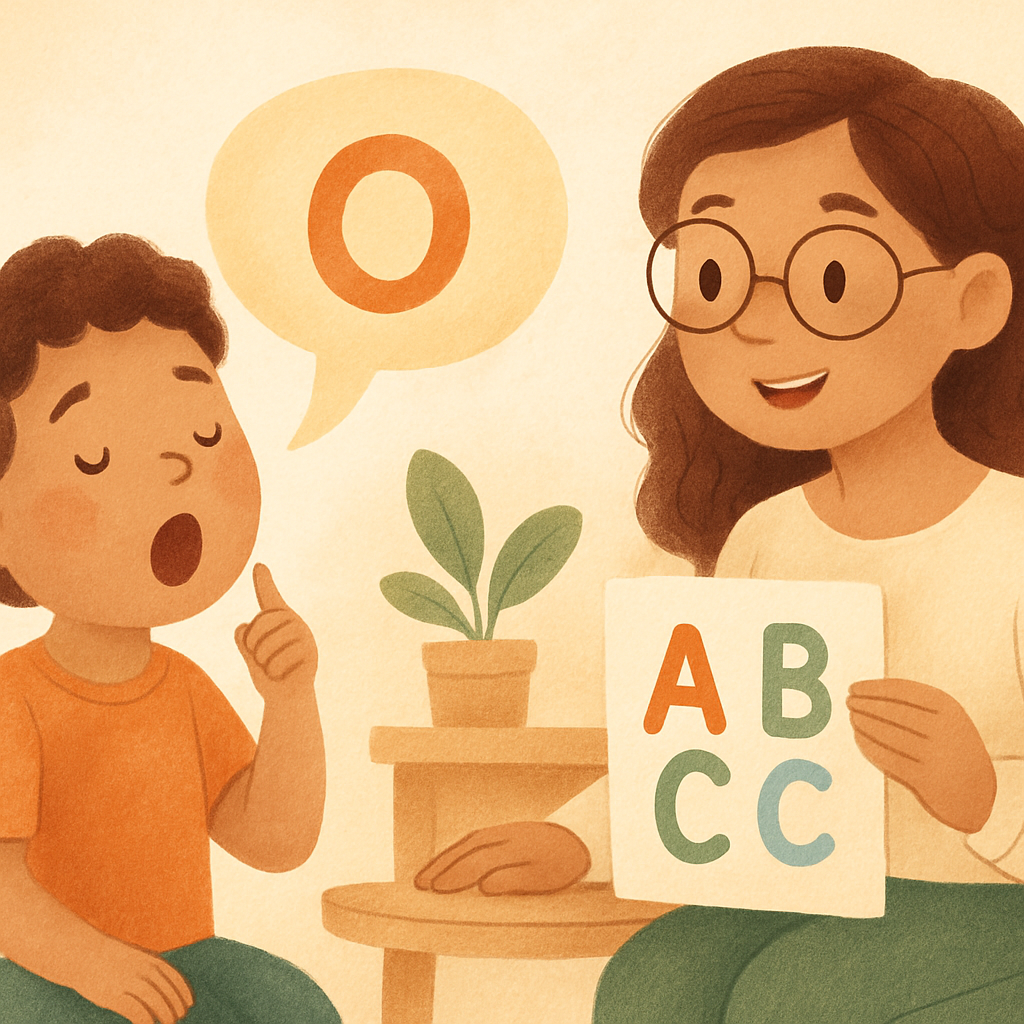
Speech pathology is a broad field that addresses many different communication challenges. Professionals in this area are trained to diagnose and treat a variety of conditions, from common speech disorders to more complex issues. These can include language disorders, fluency disorders like stuttering, and voice disorders.
Whether the problem is with making sounds, understanding language, or even swallowing, a speech pathologist can help. Below, we'll look closer at some of the specific conditions that these experts can treat in children and adults.
Speech Disorders in Children
Many children have speech disorders that affect clear communication. Articulation disorders make it hard to produce certain sounds, like saying "wun" instead of "run," which can impact understanding.
Motor speech disorders occur when a child struggles to coordinate the muscle movements needed for speech, even if they know what they want to say. This affects clarity and conversation flow.
Language intervention helps by teaching correct sound production. Through targeted exercises and play-based activities, therapists strengthen speech muscles and improve word and sentence formation, making speech easier to understand.
Language and Social Communication Challenges
Speech therapy goes beyond teaching children to speak—it also addresses language disorders. Receptive disorders involve difficulty understanding others, while expressive disorders make it hard for a child to express their thoughts. These issues can create daily challenges.
Therapy also focuses on social communication skills, such as interpreting facial expressions and body language. Even children with strong language abilities may struggle with social interactions.
Through therapy, children practice understanding social cues and engaging in conversation, helping them improve language skills and build confidence in social situations.
Feeding and Swallowing Difficulties
Speech therapy goes beyond speech—it also addresses feeding and swallowing issues, known as dysphagia. This includes problems like difficulty chewing, coughing or gagging while eating, and food refusal, which can result from conditions such as cerebral palsy, brain injury, or developmental delays.
Weak oral muscles can make eating and drinking challenging and stressful for individuals and their families. Speech pathologists use targeted oral exercises to strengthen the mouth, lips, and tongue. They may also introduce various food textures and temperatures to improve eating awareness. This specialized therapy makes mealtimes safer and more comfortable.
How Speech Therapy Supports Children
Speech therapy offers incredible support for children by helping them develop the communication skills they need for daily life. It’s more than just correcting speech; it's about building confidence and improving their ability to connect with others. Speech pathology services focus on personalized language development to ensure your child can express themselves effectively.
The process involves tailored therapy sessions, specific techniques for speech and language, and a focus on social skills. Let’s explore how these elements come together to support your child’s growth.
How Therapy Sessions Work
A typical speech therapy session is designed to be engaging and effective for your child. The first appointment usually involves an assessment where the therapist asks questions and observes your child to understand their specific challenges. From there, therapy can take place one-on-one, in a small group, or even in a classroom setting.
For children, therapy sessions often feel like play. Therapists use games, books, and other fun activities to stimulate language and work on communication goals. This approach keeps your child motivated and makes learning new skills a positive experience.
During therapy sessions, you can expect activities such as:
-
Language intervention games to build vocabulary and comprehension skills.
-
Exercises to strengthen the speech muscles in the mouth and tongue.
-
Practicing social communication skills through role-playing.
-
Articulation activities focused on producing sounds correctly.
Techniques Used for Speech and Language Development
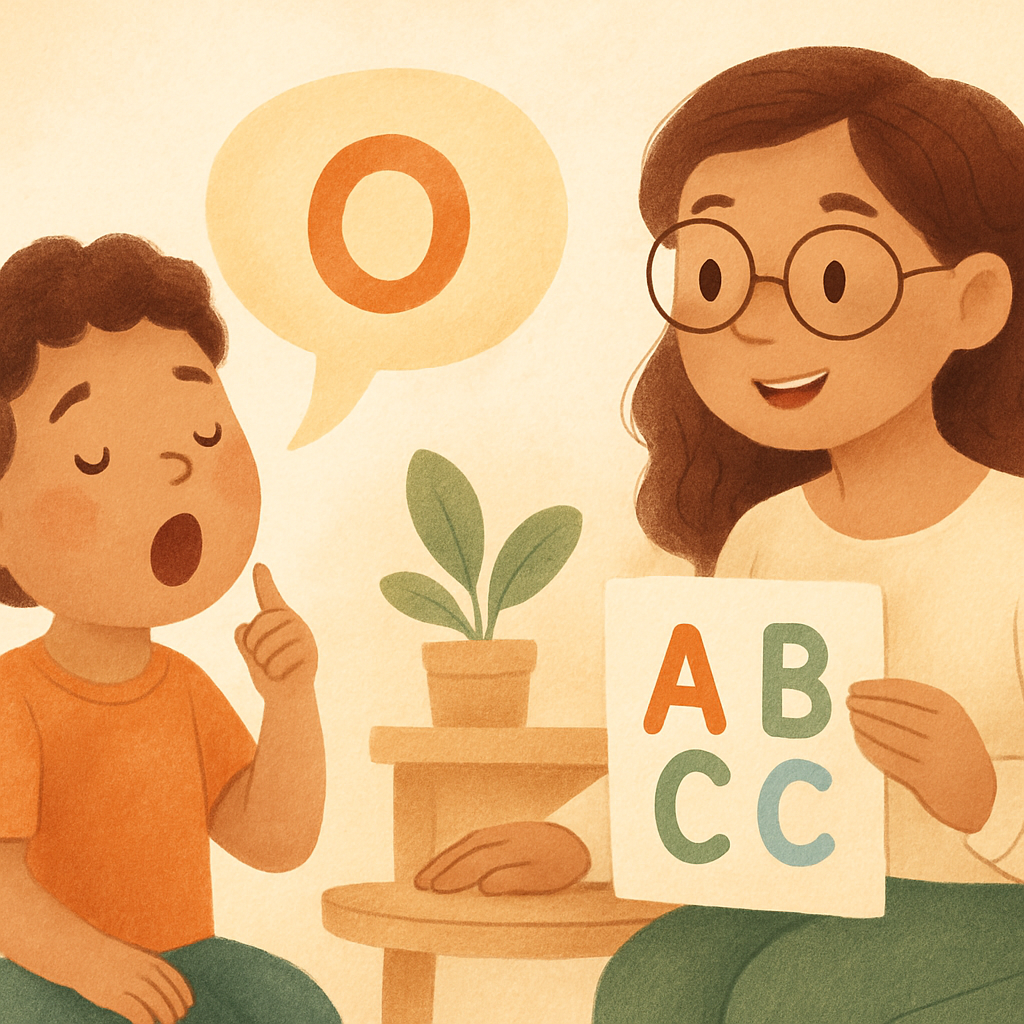
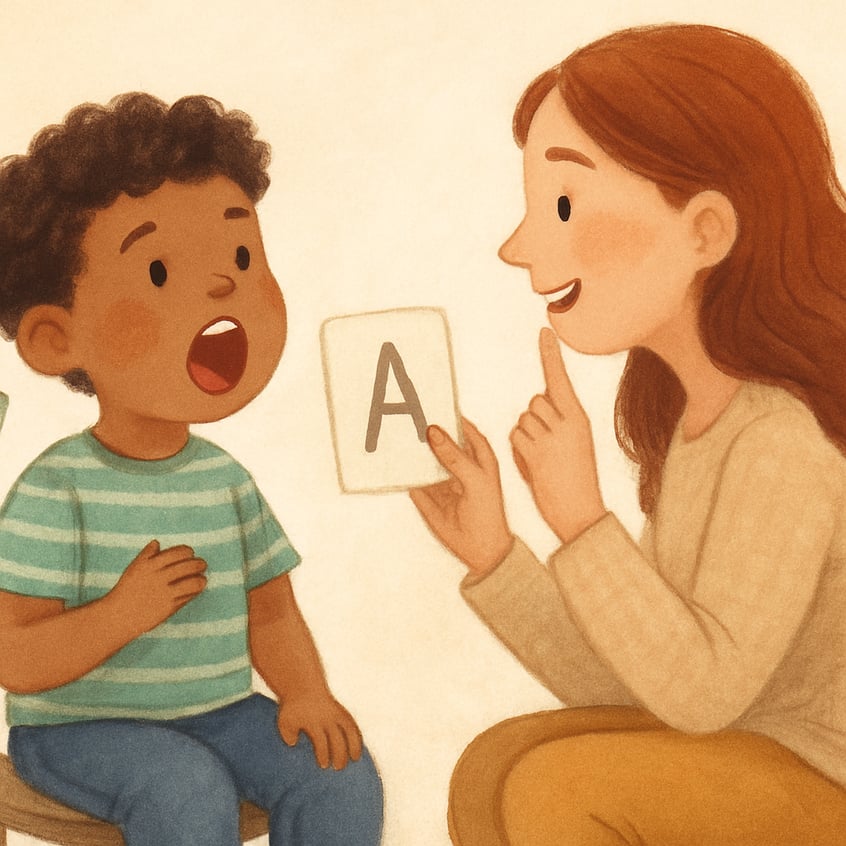
Speech therapists use proven techniques to help children improve communication. In articulation therapy, they model correct sounds and guide your child in making specific sounds like “r” or “s.”
Language intervention activities involve play and conversation, using books, pictures, or objects to encourage language development. Therapists model grammar and use repetition to build skills naturally.
All strategies are tailored to your child’s age and needs, making progress supportive and enjoyable.
Role of Social Communication Skills in Therapy
Social communication skills are essential for building relationships and navigating daily life, making them a key focus in speech therapy. These skills involve more than just words—they include understanding body language, tone of voice, and facial expressions. Some children may speak well but still struggle socially.
Therapy helps children practice taking turns in conversation, staying on topic, and understanding jokes or sarcasm. Strengthening these skills helps them connect with peers and feel included.
By targeting both language and social skills, therapy improves overall communication. This approach ensures your child not only speaks clearly but also interacts effectively, boosting confidence and comprehension.
Identifying When a Child Needs Speech Pathology
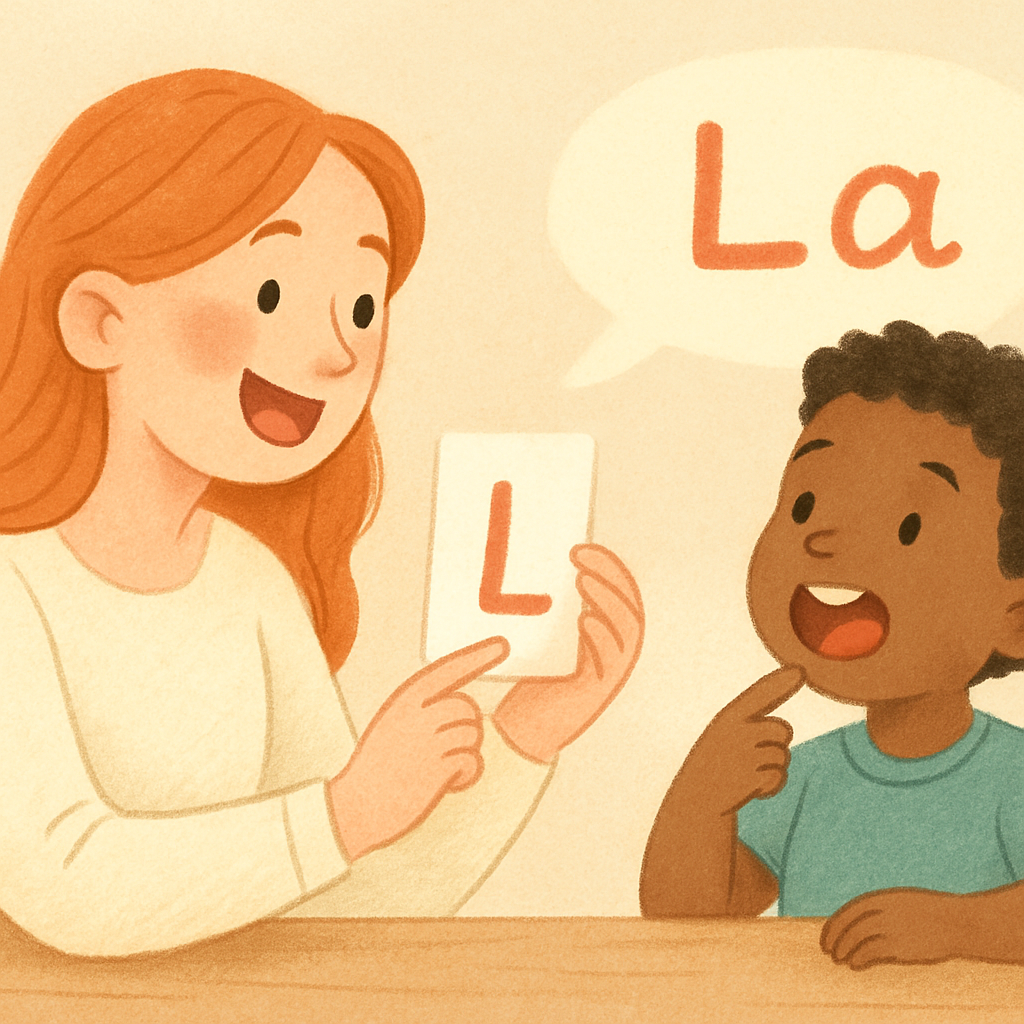
Knowing when to seek help for your child can feel overwhelming, but recognizing the signs of communication disorders early is key. Early intervention can make a significant difference in a child's development. If you notice your child struggling with speech problems or language disorders, it may be time to consider speech therapy.
Trust your instincts as a parent. If something feels off about your child's communication, it's always best to get it checked out. We'll outline some common signs to watch for and the steps you can take to get a professional assessment.
Signs to Watch For in Early Childhood
As your child grows, it’s important to watch for language development milestones. While every child develops differently, some signs may suggest they need extra support. Early detection of subtle communication challenges is key.
If your child lags behind peers in communication—such as not babbling or using gestures by 12 months, or having a very limited vocabulary by age two—they may have a speech or language delay.
Signs to look for include:
-
Difficulty pronouncing certain sounds
-
Limited vocabulary for their age
-
Trouble following directions or understanding questions
-
Frustration when trying to communicate
Steps to Getting a Speech Pathology Assessment
If you're concerned about your child's communication, a speech pathology assessment is a good first step. It identifies your child's needs and determines if speech therapy is appropriate. The process is simple and provides clear guidance.
Start by talking to your child's doctor or teacher for referrals, or search online for certified speech pathologists.
Steps to getting an assessment:
-
Consult your pediatrician to rule out issues like hearing loss.
-
Find a qualified speech pathologist and schedule an assessment.
-
During the evaluation, the therapist will assess your child's skills and create a personalized plan.
Conclusion
In conclusion, understanding speech therapy helps parents support their child's communication development. Recognizing when to seek help and knowing what to expect empowers you to make informed decisions. Speech therapy can improve your child’s language skills, confidence, and social interactions. Early intervention is crucial, so stay proactive.
For more information or personalized guidance, contact us for a consultation or call daar at 02 9133 2500—your child’s voice matters!
Frequently Asked Questions
How long does speech therapy typically take to show results?
The time it takes to see results from speech therapy varies for each person. Progress depends on the type of speech problems, age, and consistency of practice. With language therapy and early intervention, many children show noticeable improvements in their communication skills within a few months, but some may need longer-term support.
Are speech pathology services covered by insurance in Australia?
Coverage for speech pathology services in Australia can vary. Some private health insurance plans may cover a portion of speech therapy costs for speech disorders. Additionally, Medicare may offer rebates with a doctor's referral. It's always best to check with your specific health fund and Speech Pathology Australia for details.
What qualifications should parents look for in a speech pathologist?
Parents should look for a speech pathologist who holds a master's degree in the field. Ensure they are licensed or are certificate holders from a recognized body like Speech Pathology Australia (SPA). These qualifications confirm they are trained to diagnose and treat communication disorders and provide effective speech therapy.
.svg)




.svg)