
.png?width=48&height=48&name=Group%201%20(3).png)























12 January, 2026

Essential Insights on Speech Pathology Canterbury
Introduction
Have you ever wondered what a speech pathologist does? These dedicated professionals are experts in human communication. They work to unlock a person's potential by helping them overcome challenges with speech, language, and swallowing. From supporting a child's language development to helping an adult regain communication skills after a stroke, a speech pathologist plays a vital role. They assess, diagnose, and treat a variety of communication disorders, empowering individuals to connect with the world around them.
Key Highlights
-
A speech pathologist helps prevent, assess, and treat a wide range of speech and language issues.
-
Speech pathology services can significantly improve communication skills for people of all ages.
-
These professionals address various speech disorders, from stuttering to voice problems.
-
Therapy is tailored to individual needs, whether for children, teens, or adults.
-
Finding qualified candidates involves checking for proper certification, experience, and licensure.
-
Speech pathology can also help with swallowing disorders and social communication difficulties.
Seeking Help from a Speech Pathologist
Recognizing the need for support is the first step to better communication. If you or a loved one struggles with speech disorders like stuttering or difficulty forming words, a speech pathologist can help. They assist with challenges ranging from developmental delays to issues caused by medical conditions. In early childhood, speech pathology works by assessing a child’s speech and language development, identifying specific areas of difficulty, and creating individualized therapy plans. These often include play-based activities and exercises that help children build foundational communication skills in a supportive environment.
After seeking help, you'll receive a thorough assessment to identify needs. The specialist then creates a personalized treatment plan and uses speech therapy techniques to build confidence and skills. Knowing what speech pathologists do and how to find one is essential to getting started.
Understanding the Role of a Speech Pathologist
A speech-language pathologist (SLP) is a trained professional who treats communication and swallowing disorders for people of all ages. SLPs work in schools, hospitals, and private practices to help clients communicate more effectively.
Their main duties include:
-
Evaluating and diagnosing speech, language, and swallowing issues
-
Creating personalized treatment plans
-
Educating clients and families on managing disorders
-
Collaborating with doctors, teachers, and therapists
Speech pathology refers to the overall field, while speech therapy is the treatment process. Becoming an SLP requires a master’s degree and state licensure.
How to Choose the Right Speech Pathologist
Finding a speech pathologist who meets your needs is essential for effective therapy. Look for someone with expertise and a compassionate approach. Researching your options can greatly impact progress, and with strong job growth in the field, many qualified professionals are available.
When choosing an SLP, consider:
-
Certification (e.g., CCC-SLP)
-
State licensure
-
Relevant experience with your age group or disorder
-
Specialty certifications (fluency, child language)
Verify qualifications to ensure they meet national standards for education and clinical experience. This gives you confidence in receiving high-quality care.
How Speech Pathology Improves Communication
Speech pathology services help improve communication and boost confidence. For those with speech challenges, a speech pathologist offers personalized therapy for clearer expression and easier connection with others.
Benefits go beyond speech, enhancing literacy, social skills, and thought organization. By targeting underlying issues, therapists empower individuals to succeed in school, social situations, and work. Assessment and customized therapy drive this transformation.
Assessment and Diagnostic Approaches
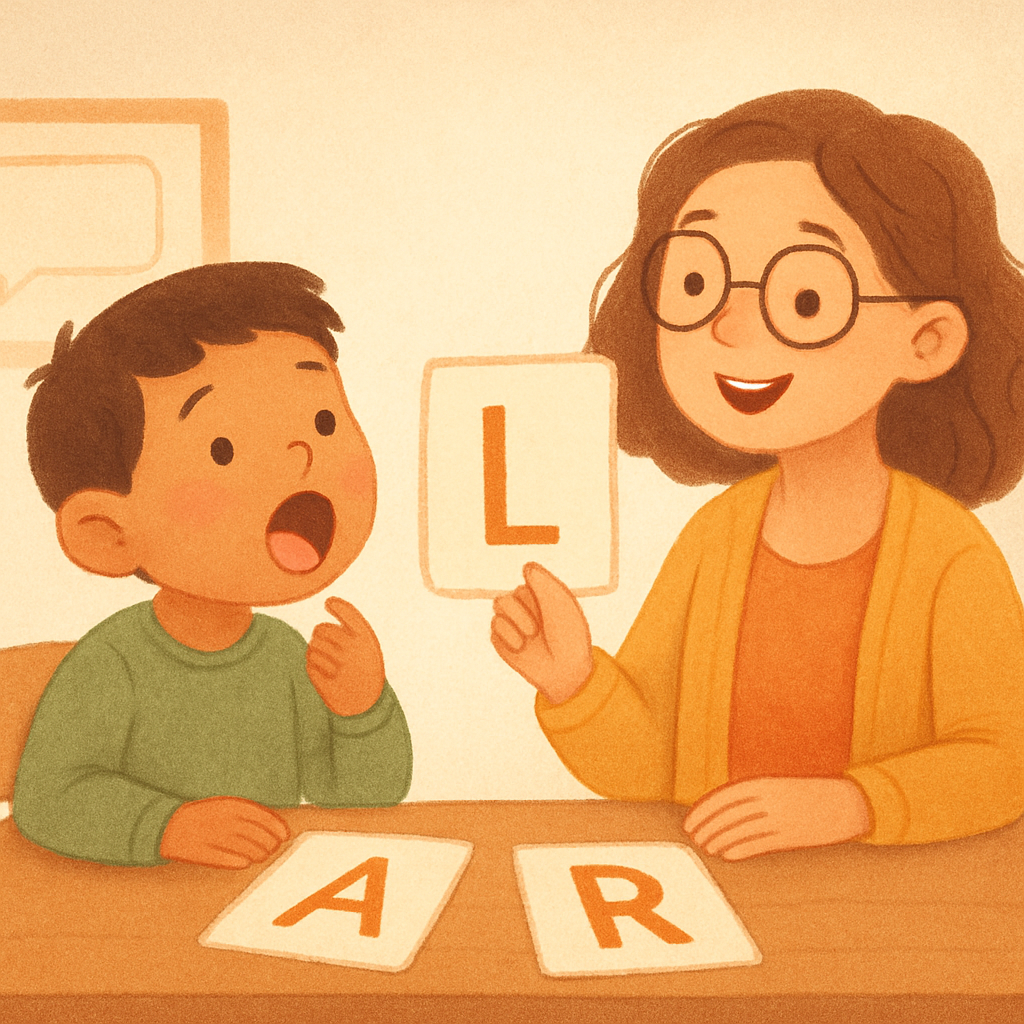
The first step in any effective therapy is a thorough assessment. A speech pathologist uses various diagnostic tools to understand the specific nature of a person's speech or communication disorders. This evaluation helps them identify the client's strengths and weaknesses, which is essential for creating a targeted treatment plan. This detailed process ensures that the therapy addresses the core issues.
During an assessment, the SLP will look for different types of disorders. The information gathered helps them provide an accurate diagnosis. According to data from organizations like the Department of Labor, SLPs are trained to identify a wide range of issues.
|
Disorder Type |
Description |
|---|---|
|
Speech Disorders |
Difficulty producing speech sounds correctly or fluently (e.g., stuttering). |
|
Language Disorders |
Trouble understanding others (receptive) or sharing thoughts (expressive). |
|
Social Communication |
Problems with verbal and nonverbal communication in social settings. |
|
Cognitive-Communication |
Issues with organizing thoughts, memory, or problem-solving. |
|
Swallowing Disorders |
Difficulties with feeding and swallowing, also known as dysphagia. |
Based on the findings from the assessment, the speech pathologist can determine if therapy is needed and what the focus of that therapy should be. This initial step is crucial for setting clear goals and starting on the right path.
Tailored Therapy Techniques and Programs
Effective speech therapy is highly individualized. Speech pathologists create tailored treatment plans based on each person’s needs, goals, and diagnosis. Techniques are chosen to target specific challenges—speech, language, or swallowing—to ensure every session is productive and goal-oriented.
Therapy is adapted for a range of conditions, including:
-
Autism spectrum disorder (social communication)
-
Developmental delays in children
-
Speech issues from a cleft palate
-
Communication recovery after stroke or brain injury
Approaches vary by age and condition. Children may engage in play-based activities to build language skills, while adults might work on muscle strength for swallowing or relearning language. This personalized flexibility is central to effective speech therapy.
Accessing Speech Pathology Services in Canterbury
Finding speech pathology services in Canterbury is easier than you might expect. Many private practices and clinics offer support for various communication needs, staffed by qualified professionals.
Services are available for children, teens, and adults—speech therapy isn't just for kids; adults benefit too. The sections below explain how to find local providers and what to expect at your first consultation.
Finding Local Speech Pathologists
When you're ready to find a speech pathologist, there are several simple ways to locate qualified candidates near you. A great starting point is to ask for referrals from your family doctor, your child's school, or other trusted health professionals. Many private practices also have websites where you can learn about their services and team.
To narrow down your search and find the best fit, consider these helpful strategies:
-
Use online directories from professional organizations like Speech Pathology Australia or ASHA.
-
Search for local private practices specializing in your area of need, such as fluency disorders.
-
Read reviews and testimonials from other families in your community.
-
Inquire with local hospitals or community health centers.
No matter who you choose, it's essential to verify their credentials. Ensure the speech pathologist has the required master's degree and state licensure to practice. This guarantees you are working with a professional who is qualified to help you or your loved one achieve your communication goals.
What to Expect at Your First Appointment
Your first appointment with a speech pathologist is a welcoming, informative session focused on understanding your needs. The main goal is to gather information and start building a supportive relationship. You’ll be able to discuss your concerns and ask questions in a comfortable setting.
Typically, the appointment includes:
-
A detailed discussion of your or your child’s developmental and medical history
-
An initial (often informal) assessment of communication skills
-
A conversation about your goals for therapy
-
An explanation of next steps in assessment and treatment
This collaborative meeting ensures the treatment plan is tailored to you. It’s the start of a partnership to improve communication skills and quality of life.
Conclusion
In conclusion, understanding speech pathology is essential for anyone looking to improve communication skills. With support from a qualified speech pathologist, individuals of all ages can overcome speech and language challenges. If you or someone you know needs help, consider reaching out to a local speech pathologist in Canterbury. Taking the first step leads to clearer communication and greater confidence.
Reach out today for a consultation or call daar at 02 9133 2500
Frequently Asked Questions
Is speech pathology only for children?
No, speech language pathology is not limited to specific age groups. While many people associate it with early childhood, speech pathology services benefit individuals of all ages. Adults often seek help for communication disorders resulting from strokes, brain injuries, or other health conditions, and SLPs are trained to treat speech disorders across the lifespan.
What qualifications does a speech pathologist need in Australia?
To practice in Australia, a speech pathologist typically needs a master’s degree in the field. Key qualifications include completing extensive clinical practice and obtaining certification from Speech Pathology Australia, the national credentialing body. Depending on the location, state licensure may also be required to ensure they meet professional standards.
How do I know if I or my child need speech therapy?
If you notice ongoing communication difficulties, it may be time to consult a speech therapist. For children, signs can include developmental delays in talking or understanding. For anyone, struggling to be understood or facing new challenges with speech warrants an assessment to determine if therapy can help.
.svg)




.svg)