
.png?width=48&height=48&name=Group%201%20(3).png)























7 January, 2026

Socialised Behaviour Therapy: Your Guide to Positive Change

Introduction
Navigating social situations can sometimes feel challenging, but what if you could learn the skills to interact with more confidence? Socialised behaviour therapy offers a focused and effective way to do just that, starting with a behaviour analysis to determine your needs. As a field within clinical psychology, it provides practical tools through social skills training to enhance your abilities. This approach not only helps you build better relationships but also supports your overall mental health, empowering you to connect with others more meaningfully and improve your quality of life.
Key Highlights
-
Socialised behaviour therapy is a practical approach to improving your social skills and overall mental health.
-
This form of behavioural therapy uses effective techniques like role-playing and positive reinforcement to build confidence.
-
The therapy focuses on practical skills training to help you navigate various social situations with greater ease.
-
It is designed to support individuals of all ages who face challenges with social interactions and anxiety.
-
By teaching new abilities in a supportive setting, it helps you form more meaningful connections with others.
Social Skills Developed Through Behaviour Therapy
So, what kinds of abilities can you expect to improve through behavioural therapy? The range is quite broad, covering nearly every aspect of social interactions. The therapy focuses on practical skill development that you can apply immediately in your daily life. It is especially helpful for individuals with mental health conditions that make socializing difficult.
From learning how to listen actively to expressing your needs clearly, this form of social skills training provides a comprehensive toolkit for better communication. The following sections will detail some of the key skills you can develop, including effective communication, assertiveness, and emotional regulation.
Communication and Active Listening
Improving your communication skills is a primary goal of this therapy. This includes both your words and your nonverbal communication. You might work on the art of conversation, learning how to start chats, ask engaging questions, and talk about yourself without feeling uncomfortable. This is especially helpful for those with mental health challenges who find it hard to connect.
A major focus is on active listening. This technique involves paying close attention to what the other person is saying and reflecting on their words. Practicing active listening helps you focus more on others and less on your own anxiety, making the other person feel heard and valued.
Developing these social skills can completely change how others perceive you and how you feel in social settings. You will learn to:
-
Ask open-ended questions to keep conversations going.
-
Show you’re listening through nods and affirmations.
-
Reflect on what you’ve heard to confirm your understanding.
Building Assertiveness and Confidence
Assertiveness is the skill of balancing your needs with those of others. If you have social anxiety, you may defer to others, which can feel uncomfortable. Socialized behaviour therapy helps you gain confidence to express your thoughts and needs respectfully.
Building assertiveness challenges negative beliefs that your opinions don’t matter. As you practice standing up for yourself calmly, with support from your therapist, you’ll likely see reduced anxiety and more balanced relationships in social situations.
Benefits include:
-
Less anxiety in social and professional settings
-
More honest, open relationships
-
Increased self-esteem and confidence
Emotional Regulation in Social Contexts
Emotional regulation is the ability to manage feelings in a healthy way, essential for positive social interactions. For those with anxiety disorders, emotions like fear or frustration can be overwhelming and hinder mental health progress.
Socialized behaviour therapy offers practical strategies to recognize and manage these emotions. You learn to identify emotional triggers and develop coping skills for challenging situations, helping you interrupt negative thought patterns early.
Improving emotional regulation strengthens relationships and provides healthier ways to express yourself, such as:
-
Using breathing exercises to calm down
-
Practicing mindfulness to stay present
-
Reframing your thoughts about situations
Who Can Benefit From Socialised Behaviour Therapy
A wide range of individuals can find relief and growth through socialised behaviour therapy. It is particularly helpful for those dealing with mental health issues, including personality disorders, that directly impact social functioning, such as social anxiety disorder. If you find daily interactions to be a source of stress, this therapy can offer practical solutions.
Whether you are a child with social behaviour disorders like autism spectrum disorder from a young age, an adolescent navigating peer pressure, or an adult facing social challenges, this therapy is adaptable. The following sections will explore how it provides targeted support for different age groups.
Support for Children with Social Behaviour Disorders
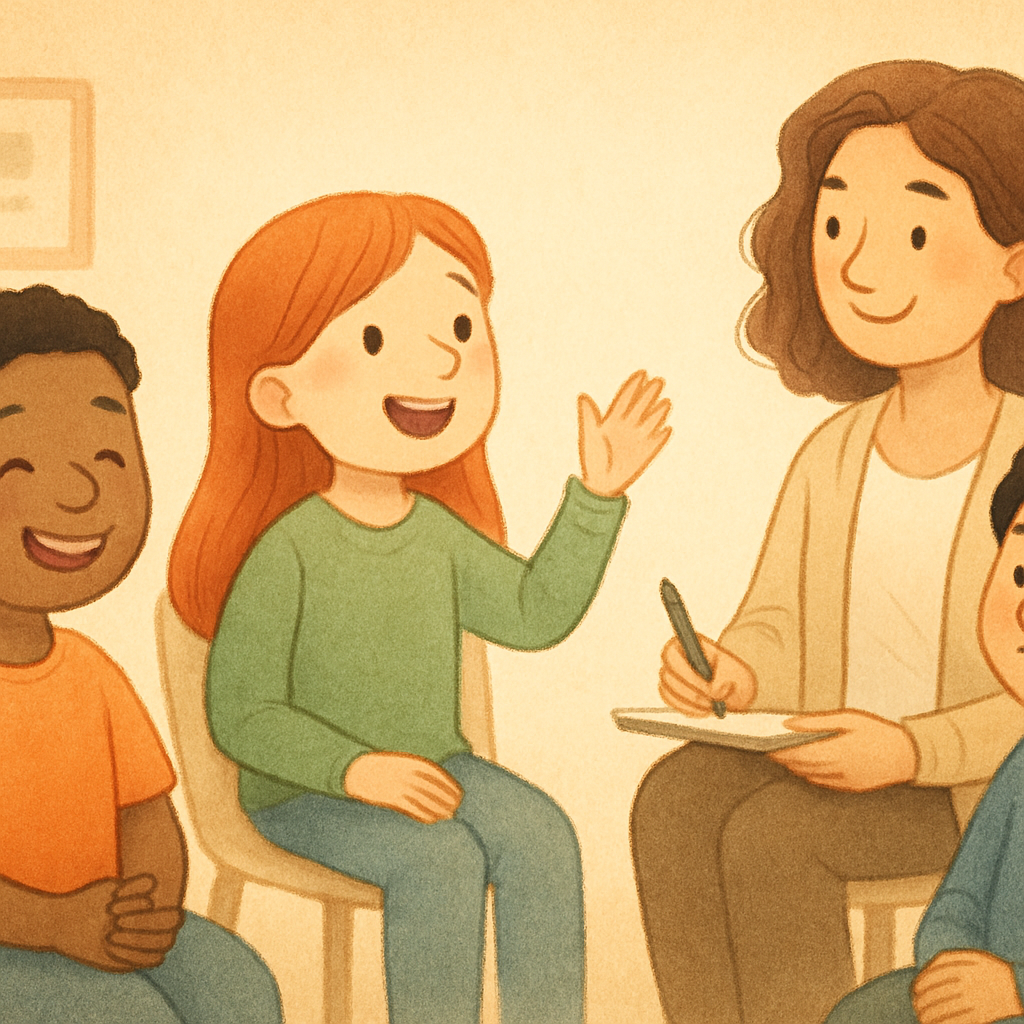
Children with autism often face social challenges. Behavioural therapy offers a structured way to teach essential social skills through early intervention support, helping them learn to share, take turns, and manage emotions.
This support is vital for healthy development and can prevent future behavioural issues. Based on social learning theory, the therapy uses observation and practice in safe settings.
Therapists break complex behaviours into simple steps, making learning easier and building a strong foundation for better relationships and self-esteem. This prepares children for long-term success.
Empowering Adolescents and Teens
Adolescence is often challenging, especially for teens struggling with social interactions. Socialized behaviour therapy empowers them with practical tools to handle peer pressure, build friendships, and boost confidence.
The therapy targets emotional regulation, helping teens manage intense feelings common at this age. Techniques like positive reinforcement motivate progress and support mental well-being.
By practicing new social skills in a safe environment, teens gain the competence to thrive. Therapy is tailored to their needs, helping them overcome social hurdles and develop healthier relationships.
Improvement for Adults and Families
Many adults struggle with social interactions due to mental health issues like social anxiety and other mental disorders, which can strain relationships at home and work. Socialized behaviour therapy offers a practical solution by providing a safe space to practice social skills and build confidence without fear of judgment. Therapists use positive reinforcement to encourage progress and teach skills you can use right away.
By addressing both skill gaps and underlying anxiety, this therapy helps you engage more fully in life and form stronger connections, benefiting overall child development. Family involvement is encouraged, as a supportive home environment reinforces the progress made in therapy.
Integrating Socialised Behaviour Therapy with Other Treatments
Socialised behaviour therapy is highly effective on its own, but it can also be integrated with other treatments for an even greater impact. Combining it with approaches like positive behaviour support or cognitive behavioural therapy (CBT) can create a comprehensive plan that addresses multiple needs.
This integrated approach aims for holistic wellbeing, ensuring that both behaviour and thought patterns are addressed. By blending different therapy services, including daar’s programs, you receive well-rounded support tailored to your unique challenges. The following sections explore how it works alongside other therapies like cognitive therapy.
Combining With Positive Behaviour Support
Positive Behaviour Support (PBS) is an evidence-based approach that complements behaviour therapy by creating supportive environments to reduce challenges. While social behaviour therapy teaches specific social skills, PBS addresses the broader context and seeks to understand the reasons behind behaviours.
Both use operant conditioning principles, like reinforcement, to encourage positive actions. Together, they offer a two-pronged strategy: building new skills and adjusting the environment for better outcomes.
This holistic plan targets both the individual and their surroundings for lasting change. Here’s a simple comparison:
|
Approach |
Primary Focus |
|---|---|
|
Social Behaviour Therapy |
Teaching observable social skills through practice and reinforcement. |
|
Positive Behaviour Support |
Understanding behaviour function and modifying the environment to support change. |
Use Alongside Occupational or Speech Therapy
For many, social challenges are tied to other developmental areas. Combining social behaviour therapy with occupational or speech therapy is effective because it addresses issues from multiple perspectives. A speech therapist focuses on communication mechanics, while a behaviour therapist helps practice these skills in real-life situations. An occupational therapist may assist with sensory regulation, making social interactions less overwhelming.
This collaborative approach offers a holistic treatment plan and provides:
-
Stronger communication for better social interaction
-
Improved daily living and emotional regulation skills
-
Comprehensive support from a coordinated team
Approaches for Holistic Wellbeing
The ultimate goal of any therapy is to promote holistic wellbeing. Integrating different therapeutic approaches creates a comprehensive plan that supports your overall psychological health. A supportive team of professionals can provide a range of practical tools to help you manage your emotions and behaviours effectively.
This might involve combining social skills training with counselling to address underlying emotional issues or with exercise physiology to use physical activity as a tool for mental health. The key is to create a personalized plan that addresses your unique needs from every angle.
An integrated approach for holistic wellbeing might include:
-
Socialised behaviour therapy for skill development.
-
Psychology services for emotional support and emotional regulation.
-
Speech or occupational therapy for specific developmental challenges.
Socialised Behaviour Therapy and the NDIS
In Australia, the National Disability Insurance Scheme (NDIS) plays a crucial role in making therapy services accessible, including those focused on autism daar. If you or a loved one has a permanent disability, including certain mental health conditions that affect social functioning, you may be eligible for NDIS funding to cover the cost of behaviour therapy.
The NDIS is designed to give you choice and control over the supports you receive, empowering you to work with providers who best meet your needs. In the next sections, we will look at how the NDIS supports access to care and how to find qualified providers.
How the NDIS Supports Access to Behaviour Therapy
The NDIS is a government-funded program that improves access to care for Australians with permanent and significant disabilities, including those affecting social skills and behaviour. It provides funding for essential therapies, helping remove financial barriers to support.
By covering behaviour therapy costs, the NDIS enables you to pursue personal goals and enhance your quality of life. Your plan is personalized, ensuring you receive the right therapy to build skills, increase independence, and participate more fully in your community.
Choosing Qualified Providers in Australia
When seeking therapy services, it is vital to choose qualified providers who can offer effective, evidence-based care. In Australia, look for professionals with training in clinical psychology or related fields, such as registered psychologists, accredited social workers, or behaviour therapists who are registered NDIS providers.
Before committing to a provider, do not hesitate to ask about their qualifications, their approach to therapy, and their experience with your specific challenges. A good therapist will be happy to answer your questions and explain how they will tailor the therapy to meet your needs.
Finding the right fit is crucial for success. You want a supportive team that makes you feel comfortable and understood. A strong, trusting relationship with your provider is one of the most important parts of your journey toward building better social skills and improving your mental health within the health services system.
Steps to Enroll in NDIS-Backed Services
Enrolling in NDIS-backed therapy services involves a few key steps. The process is designed to ensure that you receive the right support to improve your access to care and achieve your goals for daily living. Navigating the NDIS system can seem complex, but breaking it down makes it more manageable.
First, you need to check if you are eligible for the NDIS. This usually involves having a permanent disability that significantly affects your ability to take part in everyday activities. Once your eligibility is confirmed, you will submit an access request form.
After being accepted into the scheme, you will work with an NDIS planner to create your personalized plan. Here are the basic steps:
-
Check your eligibility based on NDIS requirements.
-
Apply for access by submitting the required forms and evidence.
-
Develop your NDIS plan with a planner to fund the right therapy services.
-
Choose a registered provider who can help you in a supportive environment.
Applying Socialised Behaviour Therapy in Everyday Life
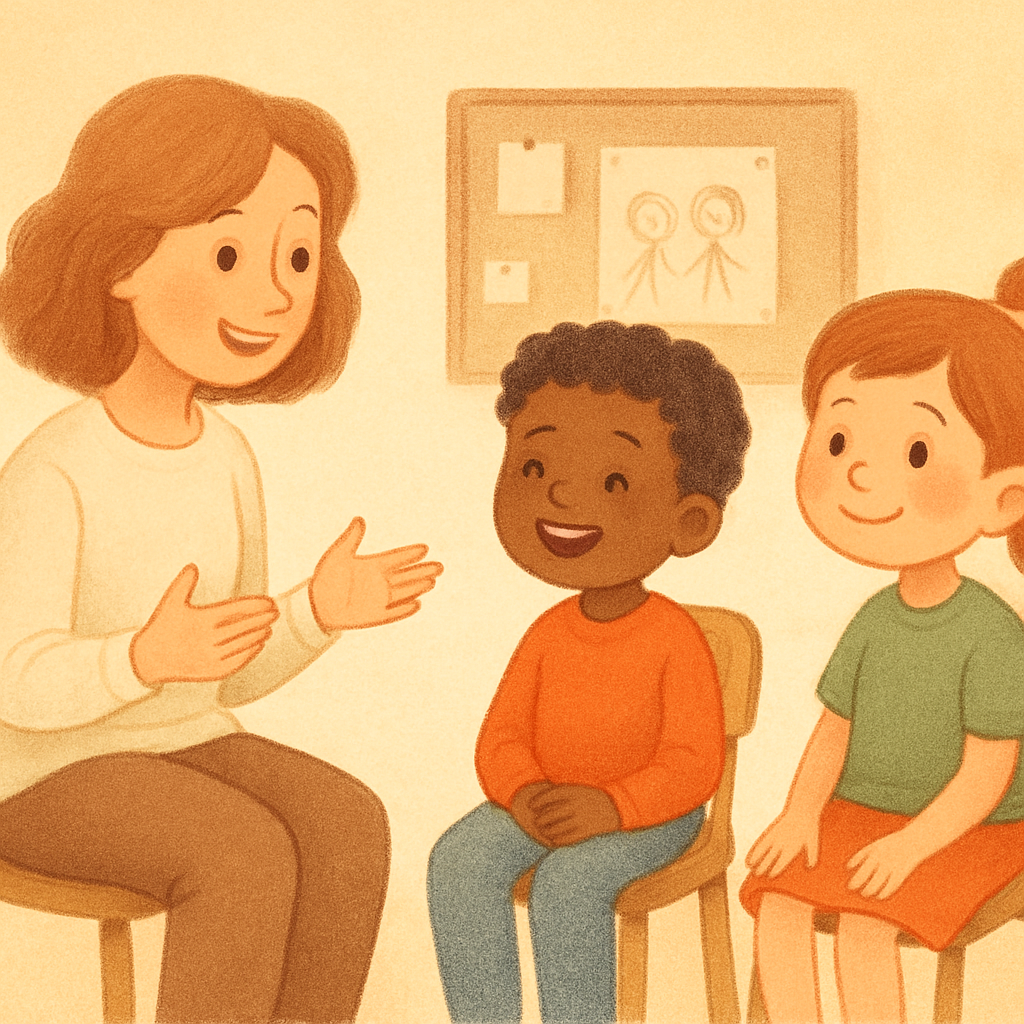
One of the greatest strengths of socialised behaviour therapy is its practical approach. The skills you learn are not just for the therapy room; they are designed to be applied in your daily life. This focus on real-world application is what allows the therapy to have such a meaningful impact.
By equipping you with essential social skills, the therapy helps you navigate a wide variety of social situations with more confidence and less anxiety. The following sections will explore some of the key techniques you can use and how to build positive habits through your interactions.
Key Techniques and Strategies for Effective Therapy
Building effective therapy requires a blend of techniques that foster an understanding of social interactions. Incorporating cognitive behavioural therapy can help clients address negative thought patterns while enhancing their mental health. Active listening and eye contact are vital for improving social skills, especially in challenging social situations. Techniques like exposure therapy can gradually desensitize clients to anxiety-inducing environments. Encouraging positive reinforcement reinforces desirable behaviours, creating a supportive environment for growth. These strategies ensure that therapy sessions are engaging and effective, leading to meaningful progress in overcoming social challenges.
Building Positive Habits Through Socialised Interactions
Positive habits flourish through engaging social interactions. By participating in structured activities, individuals can enhance their social skills, learning to navigate social situations effectively. Incorporating techniques from cognitive behavioural therapy, such as exposure therapy, helps reduce social anxiety, including challenges related to social phobia, making it easier to form connections. Active listening and maintaining eye contact are practical tools that foster meaningful conversations. In supportive environments, these interactions become opportunities for emotional regulation and improving self-esteem, ultimately leading to healthier interpersonal relationships and a more satisfying daily life.
Resources for Continuing Your Journey with Socialised Behaviour Therapy
Continuing the journey with socialised behaviour therapy can be enriching and fulfilling. Various resources are available to support your growth, including online forums and local community groups that share similar experiences. Workshops and training programs focused on social skills training can also provide practical tools and strategies. Additionally, accessing professional services like speech therapists or social workers can enhance your understanding of social interactions. Embrace these resources to strengthen your emotional regulation and foster positive relationships while navigating social situations effectively.
Conclusion
In conclusion, Socialized Behaviour Therapy is a powerful approach to fostering positive change in individuals of all ages. Enhancing communication skills, building confidence, and promoting emotional regulation, it equips participants with the tools needed to navigate social situations effectively. Whether you’re a parent seeking support for a child with social behaviour disorders, an adolescent navigating complex social dynamics, or an adult aiming for personal growth, this therapy can be tailored to meet your specific goals and unique needs. With the right support and resources, you can integrate these techniques into your daily life for lasting benefits.
If you're ready to embark, feel free to reach out for consultation or call daar at 02 9133 2500 for more information or guidance on accessing qualified services.
Frequently Asked Questions
Is socialised behaviour therapy effective for children?
Yes, this form of behavioural therapy is highly effective for children, especially those with social behaviour disorders or autism spectrum disorder. Through early intervention, it uses structured, play-based activities and positive reinforcement to teach essential social skills and upskill caregivers, which significantly supports their mental health and development.
Can therapy be tailored to different age groups and needs?
Absolutely. A key strength of this therapy is its flexibility, akin to daar’s workshops. The practical approach is tailored by a supportive team to meet the unique goals of each person, from childhood to adulthood. Techniques from cognitive behaviour therapy and social skills training are adapted for different daily living activities and developmental stages.
Where can I find trusted socialised behaviour therapy services in Australia?
In Australia, trusted therapy services are available through various health services. Look for qualified providers, such as registered psychologists or accredited social workers, who are part of the National Disability Insurance Scheme (NDIS). This helps ensure you are working within a supportive environment with professionals who meet national standards.
.svg)




.svg)