
.png?width=48&height=48&name=Group%201%20(3).png)























6 January, 2026

Mastering Socialised Behaviour Therapy for Better Outcomes
Introduction
Feeling comfortable and confident in social settings is a vital part of your overall mental health. However, many people find social interactions challenging, which can lead to feelings of isolation and anxiety. If you struggle with connecting with others, you are not alone. Socialised behaviour therapy offers a focused approach with practical tools and strategies to improve how you relate to others. These therapy services can help you build the social skills you need to thrive, ultimately enhancing your quality of life.
Key Highlights
-
Socialised behaviour therapy is a practical approach designed to help you improve your social skills and overall mental health.
-
This form of behavioural therapy supports both children and adults who face challenges with social interactions and certain behavioural disorders.
-
It uses evidence-based techniques like social skills training, role-playing, and positive reinforcement in a safe and encouraging setting.
-
Cognitive behavioural therapy principles are often integrated to address the unhelpful thoughts behind social difficulties.
-
In Australia, various therapy services, including those funded by the NDIS, are available to support individuals and families.
-
The primary goal is to build your confidence and competence in social situations, leading to more fulfilling connections.
Who Benefits Most from Socialised Behaviour Therapy?
This specialized behavioural therapy offers relief and growth for individuals struggling with social functioning due to mental health conditions. If daily interactions cause stress or anxiety, the therapy provides practical solutions and support.
It benefits children struggling to make friends, adolescents facing peer pressure, and adults dealing with mental health challenges at work or in relationships. Adaptable for all ages, it builds confidence and helps navigate social situations more effectively. The following sections detail how different groups can benefit.
Children and Adolescents with Social Behaviour Disorders
Young people with social behaviour disorders like autism, ODD, and conduct disorder often struggle to interact with others. Behavioural therapy helps by teaching key social skills—such as sharing, taking turns, and managing emotions—through early intervention. Therapists break down complex behaviours into simple steps, making learning easier and building confidence. This support promotes healthier relationships and better self-esteem, preparing these children for future success.
Adults Navigating Social Challenges
Many adults struggle with social interactions due to social anxiety or phobia, often fearing judgment and finding everyday situations overwhelming.
Socialized behaviour therapy combines skill practice with cognitive strategies to help manage anxiety and build confidence. Therapy sessions provide a safe space to improve interpersonal skills without fear of criticism.
By addressing both skill gaps and anxiety, you can handle social situations more comfortably, reduce avoidance, and engage more fully in your personal and professional life.
NDIS Participants and Their Families
In Australia, the National Disability Insurance Scheme (NDIS) funds essential health services, including social behaviour therapy. NDIS participants can access support to improve social skills, daily living, and emotional regulation.
Treatment plans are tailored to each participant’s NDIS goals and may include behaviour support, early intervention, or communication therapies. Support workers and therapists work together to ensure skills learned in therapy are practiced in daily life.
This collaborative approach teaches new skills and empowers caregivers and families. With NDIS-funded therapies, participants and families gain practical tools for managing challenges and achieving lasting positive outcomes.
Building Social Skills Through Behaviour Therapy
Behavioural therapy can help you improve a wide range of social skills, covering almost every aspect of interaction. It focuses on practical skills you can use right away, making it an effective way to enhance communication.
Therapy often includes cognitive techniques to address unhelpful thoughts that hinder progress. You’ll learn skills like active listening and clear self-expression, gaining a comprehensive toolkit for better social interactions. The next sections outline key skills you can develop.
Developing Effective Communication and Listening Skills
Effective communication involves more than just speaking—it includes nonverbal cues, tone, and conversation flow. In behavioural therapy, you practice these skills in real-life situations. A main focus is active listening: paying attention, reflecting on what’s said, and asking thoughtful questions.
For those with social anxiety, this helps reduce self-consciousness and makes conversations easier. The method uses social learning theory: you observe your therapist, then practice the skills yourself. You’ll also work on changing unhelpful thought patterns, like fearing you’ll say the wrong thing.
You will learn to:
-
Ask open-ended questions to keep conversations going.
-
Show you’re listening through nodding and eye contact.
-
Reflect back to confirm understanding.
-
Use positive body language to appear approachable.
Enhancing Assertiveness and Conflict Resolution
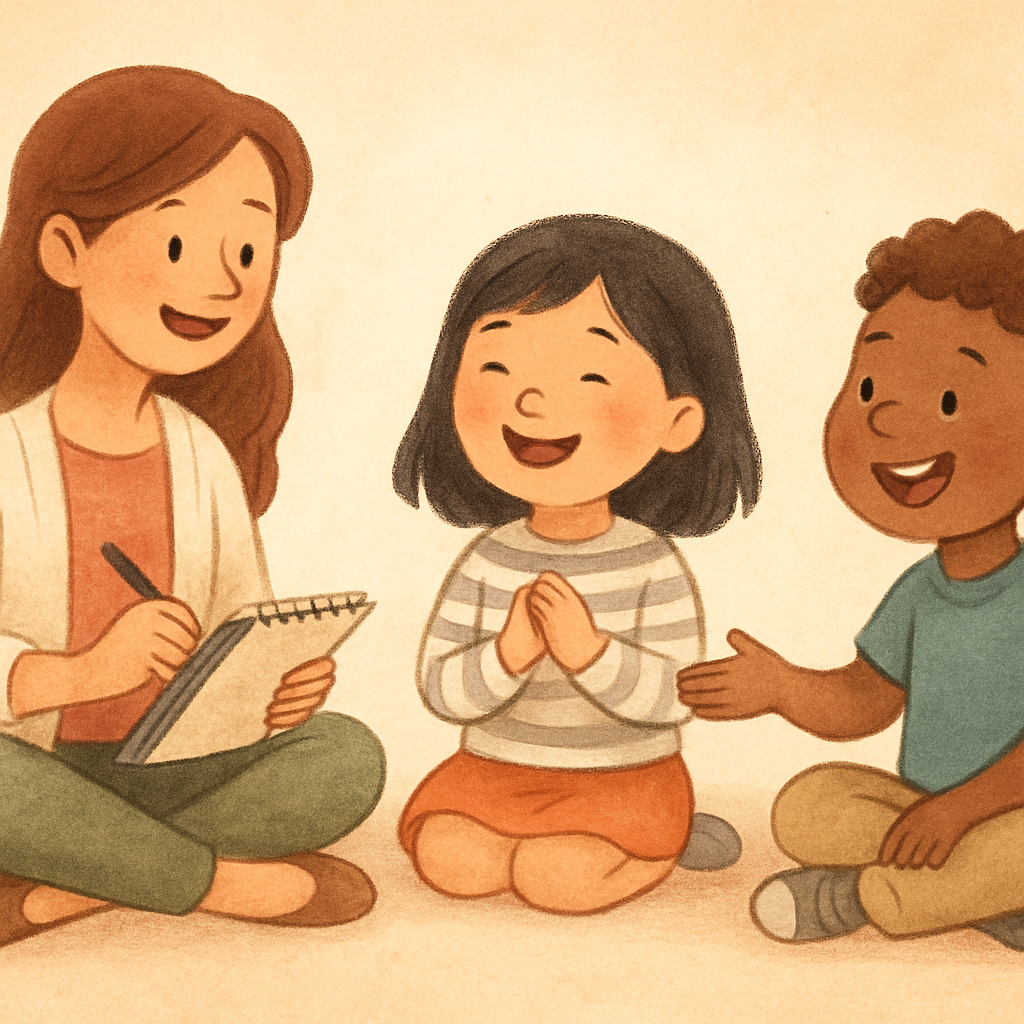
Behaviour therapy effectively builds assertiveness, especially if you avoid conflict or struggle to express your needs. It teaches social skills for clear communication and helps balance your needs with others, leading to healthier interactions.
Techniques like cognitive restructuring address fears about being assertive, replacing passive or aggressive responses with confident, direct communication. This approach reduces negative behaviours and empowers you to advocate for yourself.
To shift from passive to assertive:
-
When someone cuts in line, say, "Excuse me, I believe I was next."
-
If you can't do a favor, respond with, "I'd love to help, but I'm not able to right now."
Encouraging Emotional Regulation in Social Settings
Mastering emotional regulation is essential for healthy social interactions. Behavioural therapy, especially cognitive behaviour therapy, offers effective tools to identify, understand, and manage your emotions in social situations. These skills help prevent overwhelming feelings from disrupting your relationships.
A therapist will guide you in recognizing triggers and developing coping strategies, such as pausing before reacting to choose a constructive response. Over time, you’ll gain confidence in handling difficult emotions without avoidance or outbursts.
Key emotional regulation skills:
-
Identifying and labeling emotions as they arise
-
Using calming techniques like deep breathing or mindfulness
-
Expressing feelings with words rather than unhelpful actions
Socialised Behaviour Therapy for Children in Australia
In Australia, socialized behavioural therapy for children uses creative, engaging methods tailored to their age. Techniques like play therapy make learning new skills fun and approachable, encouraging positive actions and emotional self-management.
This approach helps children understand and express their feelings in healthy ways, supporting both mental health and daily life. By making therapy playful, children develop better social habits without feeling pressured. Next, we’ll look at common social behaviour disorders and how they’re addressed.
Addressing Common Social Behaviour Disorders
Children and adolescents may face mental health conditions—such as autism spectrum disorder, oppositional defiant disorder (ODD), and conduct disorder—that impact their social behaviour. These challenges can make it hard to interact positively with peers, family, and teachers.
Behavioural therapy provides structured support to teach essential social skills in a nurturing environment. Early intervention helps children learn sharing, turn-taking, perspective-taking, and emotional regulation.
This targeted approach prevents more serious behavioural issues later on. By breaking skills into manageable steps, therapy builds confidence, healthier relationships, and stronger self-esteem.
Collaborative Play and Cooperative Interaction Techniques
Play therapy is a natural and effective way for children to learn social skills. In this relaxed setting, kids practice interacting with others through observation and participation—a key aspect of social learning.
Therapists use teamwork activities to promote cooperation, offer praise, and help children resolve conflicts constructively. These playful experiences lay a positive foundation for social engagement, showing kids that interacting with others can be enjoyable.
In a supportive environment, therapists may use:
-
Teamwork activities like building or creating art together
-
Board games to practice taking turns and following rules
-
Guided role-playing for different social scenarios
Integrating NDIS Support With Therapy Goals
For many Australian families, the NDIS is essential for accessing therapy. NDIS funding can be tailored to a child's therapy goals, creating an environment that supports overall development.
By integrating NDIS support, therapists, support workers, and families collaborate toward shared objectives. This teamwork ensures social skills learned in therapy are reinforced at home and in the community, making treatment more effective.
The table below outlines how various NDIS support areas align with social behaviour therapy:
|
NDIS Support Area |
Integration with Therapy Goals |
|---|---|
|
Early Intervention |
Funds therapy for young children to build foundational communication and social skills. |
|
Behaviour Support |
Supports treatment plans that reduce challenging behaviours and teach new skills. |
|
Therapy Services |
Directly funds sessions with speech therapists, psychologists, and allied health professionals for targeted goals. |
Family and Community Involvement in Therapy
The success of socialised behaviour therapy often depends on what happens outside the therapist’s office. Family involvement is key to creating a supportive environment where new skills can take root and flourish. When parents and caregivers participate, they can reinforce lessons from therapy in daily life, helping to manage mental health issues more effectively.
Community support from schools, social workers, and other groups also plays a vital role. This network ensures that the individual has opportunities to practice their new skills in real-world settings. This collaborative effort from family and community is vital for lasting positive change. Let's look at how parents and schools contribute to this process.
Parents’ and Caregivers’ Roles in Behaviour Therapy
Parents and caregivers play a vital role in a child’s behavioural therapy. Working closely with therapists, you’ll help set and achieve shared goals, ensuring consistency and support for your child.
Parent training is often included, teaching you the same strategies therapists use. This empowers you to reinforce progress at home by modeling positive behaviours, using positive reinforcement, and managing challenges calmly.
You may observe or join therapy sessions, receiving feedback to build your confidence with these techniques. Your involvement strengthens therapy and helps create a supportive home where your child can thrive.
Creating Structure and Consistency at Home
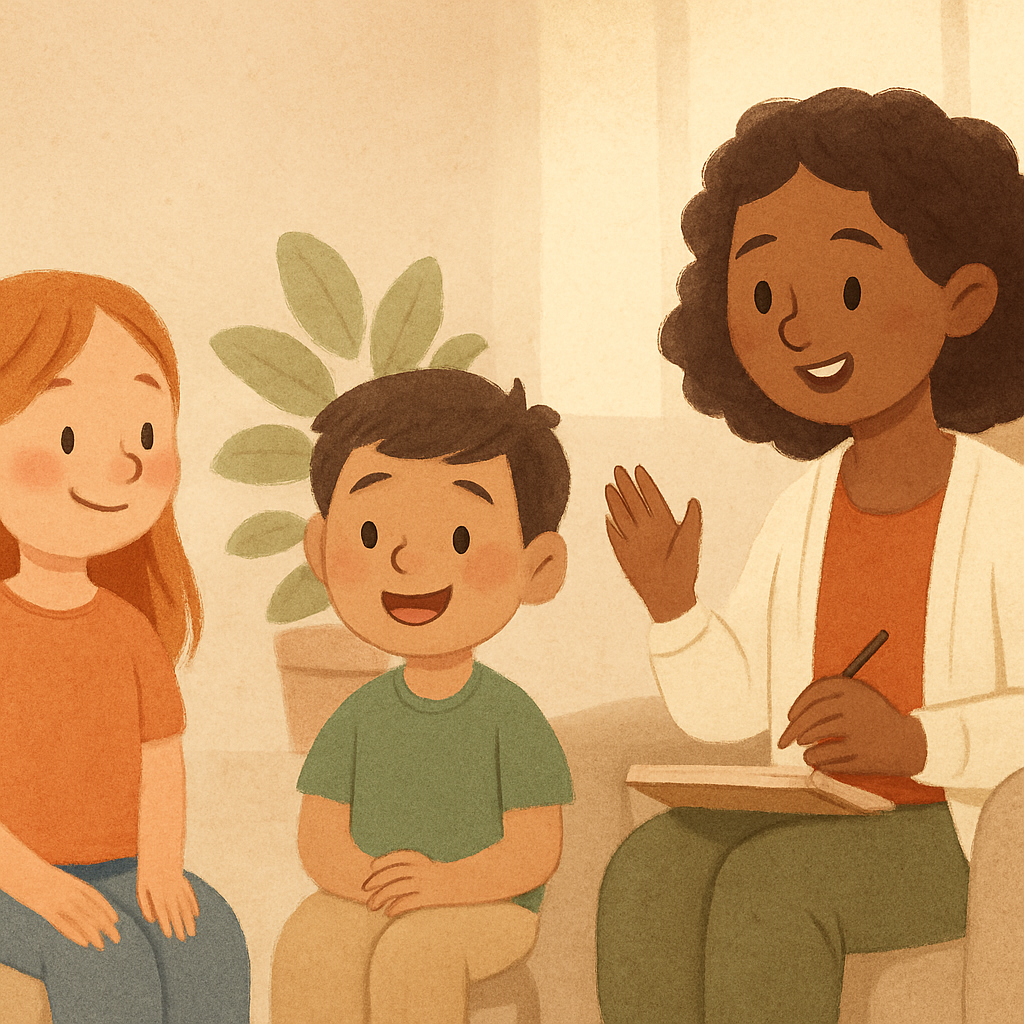
Consistency helps children learn and retain new skills. Predictable routines at home reduce anxiety and encourage positive behaviour, making daily life smoother for everyone.
A behaviour therapist can identify challenging times, like mornings or bedtime, and recommend simple routines and goals to address them. These strategies fit easily into family life, helping new habits become automatic.
Even small routines make a big difference, such as:
-
A visual morning chart with clear tasks (brushing teeth, getting dressed)
-
A "calm-down corner" for managing emotions
-
A consistent bedtime routine to signal winding down
School and Community Collaboration in the Australian Setting
Collaboration with your child’s school is often a vital part of the therapy process in the Australian setting. This partnership ensures that the social skills learned in therapy services are reinforced in the classroom and on the playground. It helps your child apply their new abilities to their daily life in a consistent way.
Teachers, school social workers, and other community support figures can become part of your child’s support team. This creates a unified approach across all environments, which helps your child generalize their new skills more effectively. Open communication between the school and the therapist is key to this collaboration.
Examples of effective school and community collaboration include:
-
Regular meetings between therapists and teachers to discuss progress and strategies.
-
Sharing practical techniques that can be used in the classroom to support your child.
-
Involving school counselors or social workers in the overall support plan.
Expectations and Outcomes in Socialised Behaviour Therapy
What should you expect from socialised behaviour therapy? The process is highly collaborative, with treatment plans tailored to your unique goals and challenges. Using an approach grounded in clinical psychology, the primary aim is to achieve positive change in your social behaviours and overall confidence.
A therapy session is structured and action-oriented, focusing on practical skill-building. Over time, the goal is to see these new skills translate into real-world improvements. Below, we'll look at what a typical session involves and how progress is tracked and measured for long-term success.
What Happens During a Typical Therapy Session?
A typical therapy session is structured and interactive. The therapist will often start by reviewing any homework assignments from the previous week to see how you are applying your new skills. This review helps identify what is working and where you might need more support.
Next, the session will focus on learning and practicing a new social skill. The therapist may model the skill for you and then guide you through role-playing exercises. This hands-on practice occurs in a safe, supportive environment, allowing you to build confidence. Techniques like systematic desensitization might be used to help you face feared situations in manageable steps.
The session usually concludes with new homework assignments to practice the skill in real-life situations. This is a key part of cognitive behaviour therapy, as it helps you generalize what you have learned. A session might include:
-
Reviewing the previous week’s practice.
-
Introducing and modeling a new social skill.
-
Role-playing scenarios to practice the skill.
Timeframes for Noticing Positive Change
The journey to positive change is unique for everyone, so timeframes can vary. Some people may start to notice improvements within a few weeks of starting therapy, while for others, it might take several months. Consistency in attending therapy services and practicing new skills is a key factor in how quickly you see progress.
Your progress will also depend on your specific goals and the complexity of the challenges you are facing. Techniques such as behavioural activation, which encourages you to engage in positive activities, can help accelerate your progress by breaking cycles of avoidance and inactivity.
It is important to be patient with yourself and the process. Meaningful change takes time and effort. Your therapist will work with you to set realistic expectations and celebrate small victories along the way, keeping you motivated as you work toward your long-term goals.
Measuring Long-Term Success and Real-Life Outcomes
Long-term success in socialised behaviour therapy is measured by real-life outcomes and lasting changes in your social functioning. The ultimate goal is not just to feel better but to confidently use your new skills in everyday situations. This leads to stronger relationships, improved well-being, and a greater sense of connection with others.
Therapists may use behaviour analysis to track your progress and ensure the treatment is effective. Long-term success means that positive behaviours have become a natural part of your life, maintained through self-awareness and continued positive reinforcement. It is about equipping you with tools you can use for the rest of your life.
Markers of long-term success can include:
-
Forming and maintaining new friendships and relationships.
-
Feeling more comfortable and confident in social gatherings.
-
Handling disagreements and conflicts in a constructive manner.
Improving Social Skills through Behaviour Therapy
Behaviour therapy provides a structured and action-oriented path to improving your social skills. Unlike therapies that focus heavily on the past, this approach centers on learning new skills that you can use right now. During each therapy session, you will actively practice and refine how you interact with others.
This method is effective for a wide range of mental health conditions because it offers practical, step-by-step guidance. By breaking down complex social behaviours into manageable parts, you can build your abilities one step at a time. Let’s examine how this therapy enhances your skills and is tailored to you.
The Role of Behaviour Therapy in Enhancing Interpersonal Skills
Behaviour therapy plays a direct role in enhancing your interpersonal relationships by teaching you practical skills. The approach is heavily influenced by social learning, which means you learn by observing your therapist and then practicing those behaviours yourself. This hands-on method helps you build real-world competence.
Cognitive therapy elements are often woven into the sessions to help you identify and challenge negative thoughts about social interactions that might be holding you back. For example, you might work on changing the belief that you will always say the wrong thing in conversations.
Through consistent practice and positive reinforcement, you will start to feel more confident in your ability to connect with others. The therapy is designed to not only teach you what to do but also to build the self-assurance needed to do it effectively.
Tailoring Behaviour Therapy to Individual Needs
One of the greatest strengths of behaviour therapy is that it is not a one-size-fits-all solution. Instead, it is carefully tailored to your individual needs. At the beginning of treatment, your therapist will work with you to create personalized treatment plans based on your unique challenges and specific goals.
This customized approach is a core component of effective clinical practice. Whether the therapy is for a child with autism, a teen with social anxiety, or an adult looking to improve workplace communication, the techniques and focus will be adapted accordingly.
This ensures that the skills you learn are directly relevant and applicable to your life. By focusing on what matters most to you, the therapy becomes a more powerful and efficient tool for creating meaningful and lasting change.
Conclusion
In summary, mastering Socialised Behaviour Therapy can significantly enhance social skills and improve overall outcomes for individuals facing social challenges. By focusing on effective communication, emotional regulation, and family involvement, this therapeutic approach fosters lasting positive change in various settings. Whether it's for children with social behaviour disorders or adults navigating their social environments, the tailored strategies discussed ensure that everyone benefits from the process. As you embark on this journey, remember that progress takes time and collaboration is key. Your path to improved social interactions starts here!
If you're interested in exploring how Socialised Behaviour Therapy can help you or your loved ones, don't hesitate to reach out for a consultation or call daar at 02 9133 2500!
Frequently Asked Questions
Are there NDIS-funded resources for socialised behaviour therapy in Australia?
Yes, the NDIS can fund a range of health services related to socialised behaviour therapy. Your plan can include funding for therapy services that focus on improving social skills, communication, and emotional regulation. This support helps make behavioural therapy and other mental health resources more accessible for eligible participants in Australia.
How do I know if behaviour therapy is right for my child or family?
If you or your child struggle with mental health issues like social anxiety, have difficulty in social situations, or have been diagnosed with mental disorders such as autism or ODD, this therapy could be beneficial. Consulting with a clinical psychology professional for a therapy session can help determine if this behavioural therapy approach is the right fit.
How can Socialized Behaviour Therapy be tailored to individual needs?
This therapy is highly personalized to meet individual needs. A therapist will create customized treatment plans based on your specific mental health challenges and goals. This approach is a key part of good clinical practice, ensuring that the social skills training you receive directly addresses your unique situation for the best possible outcomes.
.svg)




.svg)