
.png?width=48&height=48&name=Group%201%20(3).png)























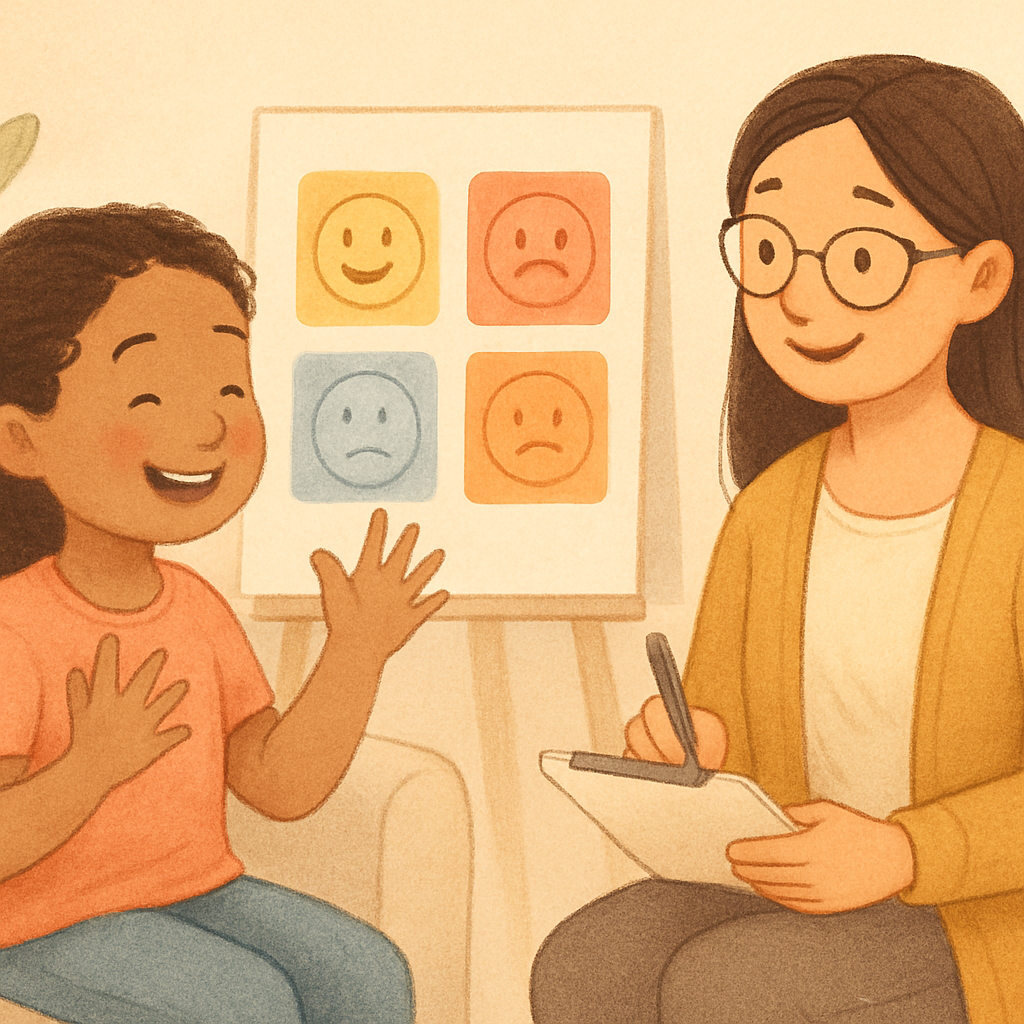
31 December, 2025

How Behaviour Therapy Helps with Social Skills Development

Introduction
Navigating social situations can sometimes feel challenging. If you find yourself struggling with social interactions, behaviour therapy offers practical tools to help. What is behaviour therapy, and how does it work? It's a type of therapy focused on changing learned behaviours, including techniques like cognitive restructuring, that might be holding you back. Instead of focusing on the past, it provides actionable strategies to improve your current social skills. This approach can be a powerful way to enhance your connections with others and support your overall mental health.
Key Highlights
Here are the key takeaways from our discussion on social skills development: Behavioural therapy is an action-focused approach that helps modify behaviours to improve your mental health. Various behavioural therapy techniques, such as modeling and reinforcement, are used for social skills development. Cognitive behaviour therapy differs from other types of behavioural therapy in that it not only addresses specific behaviours but also helps individuals identify and change unhelpful patterns of thinking. While traditional behavioural therapy focuses primarily on modifying visible actions through techniques such as reinforcement, cognitive behaviour therapy combines these methods with strategies to shift thoughts and attitudes that influence behaviour.
-
Behaviour therapy is an action-focused approach that helps modify behaviours to improve your mental health.
-
Various behavioural therapy techniques, such as modeling and reinforcement, are used for social skills development.
-
Positive behaviour support creates encouraging environments in settings like schools to foster new skills.
-
The skills you learn in therapy can be integrated into daily life with support from family and caregivers.
-
Finding a qualified therapist is a crucial step toward achieving your social and mental wellness goals.
Main Techniques Used in Behaviour Therapy
Behavioural therapy uses several effective methods, including behavioural analysis, to help you learn new, positive behaviours. These techniques are grounded in the idea that behaviours are learned and can therefore be changed. Approaches range from cognitive behavioural therapy, which looks at your thought patterns, to methods that directly address your actions.
Understanding these behavioural therapy techniques can help you see how change is possible. Below, we’ll explore some of the primary methods a therapist might use to guide you toward better social skills and improved interpersonal relationships, as well as overall well-being.
Modeling and Social Skills Training
Have you ever learned something just by watching someone else? That’s the idea behind modeling, a key technique in behaviour therapy, which is rooted in the principles of behaviourism. Based on social learning theory, modeling means observing and imitating positive social behaviours. A therapist might demonstrate a skill or show videos of effective interactions, giving you clear examples to follow.
Social skills training often uses modeling to teach abilities like starting conversations or maintaining eye contact. Seeing these skills in action provides a practical blueprint for different social situations.
Modeling is central to social skills training in behaviour therapy. This hands-on approach helps you learn by observation, making new skills easier and less intimidating to master.
Reinforcement Methods
Reinforcement, based on operant conditioning, is a key tool for behaviour change. When a behaviour is rewarded, it’s more likely to be repeated—this is positive reinforcement and helps encourage new social skills, much like how a neutral stimulus can be paired to enhance learning.
Therapists use praise or structured systems like token economies, where you earn tokens for positive behaviours that can be traded for rewards.
Examples include:
-
Giving verbal praise for starting conversations.
-
Using tokens to reward participation in group activities.
-
Setting personal rewards for meeting weekly social goals.
Shaping and Prompting Techniques
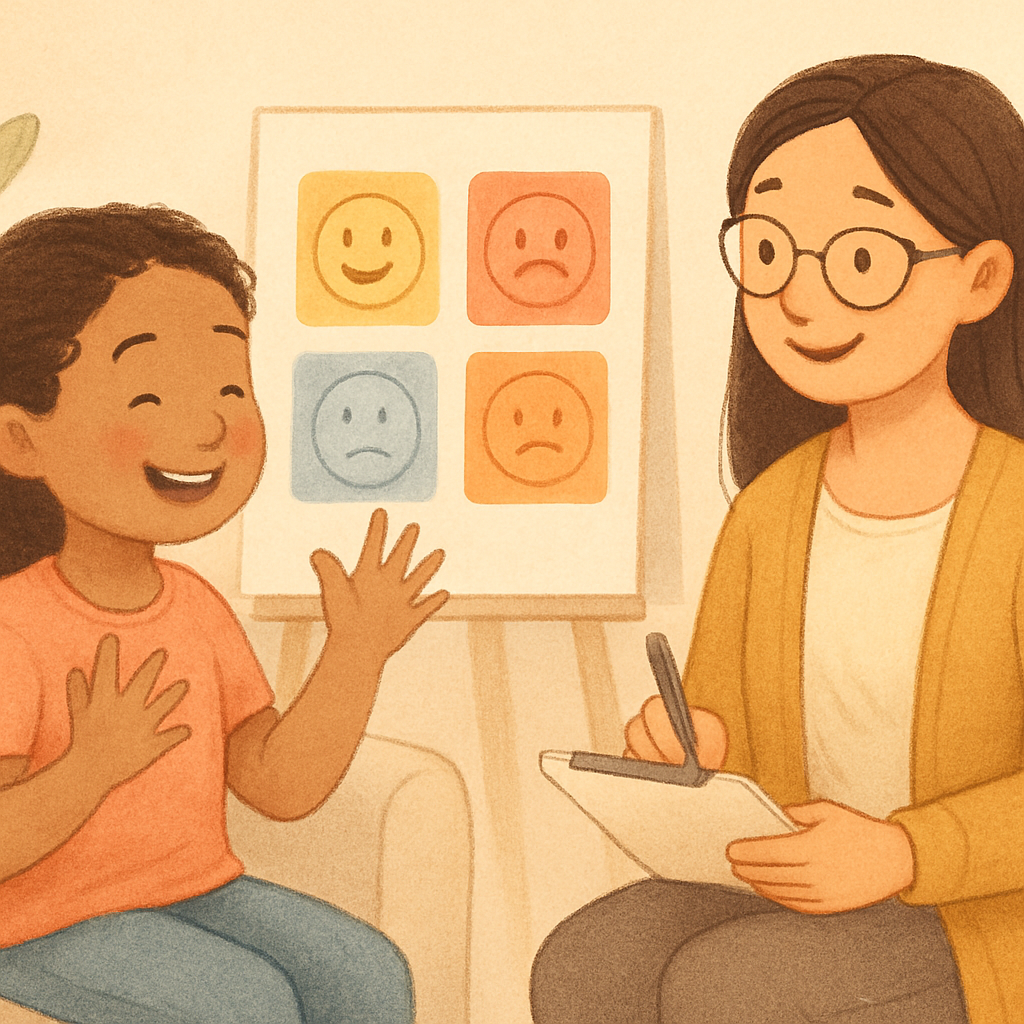
Learning complex social skills can be overwhelming, but shaping and prompting can help. Shaping breaks down a behaviour into smaller steps, with your therapist guiding and reinforcing each stage, similar to techniques influenced by Joseph Wolpe. For example, if your goal is to join a group conversation, the first step might simply be standing near the group.
Prompting uses gentle cues or reminders—like a verbal tip or hand gesture—to help you perform the behaviour correctly. The support is gradually reduced as you gain confidence, ensuring you master the skill and use it independently in daily life.
Positive Behaviour Support in Social Settings
Positive Behaviour Support (PBS) is an approach that focuses on creating supportive environments to encourage positive behaviours and address mental health issues. Instead of just reacting to challenging behaviours, PBS proactively designs social settings, like schools and communities, to make it easier for you to succeed. This method is all about understanding why certain behaviours occur and then changing the environment to foster better choices.
This form of behavioural support is particularly useful for improving social skills, overall mental health, and stress management. The following sections explore what PBS is, when it's used, and how it's applied in different settings.
Overview of Positive Behaviour Support (PBS)
What is Positive Behaviour Support (PBS)? PBS is a comprehensive approach based on behaviour analysis that aims to improve quality of life by teaching new skills and adjusting environments. Instead of simply trying to stop unwanted behaviours, PBS focuses on understanding their purpose and addressing current problems.
It starts with assessing what triggers a challenging behaviour and what the person gains from it. Then, a plan is developed to teach healthier, more adaptive behaviours, often influenced by principles of classical conditioning, that fulfill the same need. For example, if a child seeks attention by acting out, PBS teaches positive ways to ask for attention.
Ultimately, PBS creates personalized support systems that help you succeed. It’s a proactive, positive framework for building lifelong skills.
When and How PBS Is Used for Social Skill Challenges
Positive Behaviour Support (PBS) is used for individuals with ongoing social skill challenges, especially children and teens with disruptive behaviours, including individuals with intermittent explosive disorder, though it benefits all ages. PBS focuses on developing skills in a supportive environment, making new social abilities easier to learn.
The process starts by identifying specific social skill deficits and problem situations, including those related to obsessive-compulsive disorder. A customized PBS plan is created, often involving therapists, teachers, and family members to ensure consistent support at home and school.
PBS is particularly effective for:
-
Aggression or irritability in social settings
-
Impulsive behaviuor affecting relationships
-
School refusal or social avoidance due to anxiety
PBS Strategies for Schools and Community Settings
Positive Behaviour Support (PBS) strategies are flexible and can be used in schools, communities, or at home. In schools, frameworks like PBIS set clear expectations and reward positive behaviours, creating a safe, encouraging environment for students to practice social skills and employ behavioural strategies.
In community settings, PBS may include training staff to use supportive language and reinforcement, fostering an inclusive space where everyone feels welcome. By modifying environments, PBS helps prevent problem behaviours before they begin.
These strategies empower individuals by naturally promoting success. Examples include:
|
Setting |
PBS Strategy |
|---|---|
|
Schools |
Rewarding positive social behaviours such as kindness and cooperation school-wide. |
|
Community Centers |
Training staff to use visual aids and clear instructions for inclusive participation. |
|
Home |
Establishing structured routines with predictable transitions to reduce anxiety. |
Finding a Qualified Behaviour Therapist in Australia
Finding the right behavioural therapist is essential for your mental health journey. If you need a qualified behaviour therapist in Australia, various resources can help you access effective therapy services. Choose someone with the proper qualifications and experience to guide your treatment.
Researching your options helps you find a therapist suited to your needs. The following sections offer tips on what to look for and how to access these services.
What to Look for in a Behaviour Therapist
When searching for a behaviour therapist, prioritize credentials and a compatible approach that includes various behavioural approaches. Look for qualified professionals like psychologists or accredited mental health social workers with specialized training in behavioural therapies. Ask about their qualifications, certifications, and experience with issues similar to yours.
Comfort and trust are essential for effective therapy, especially when addressing conditions like panic disorder. Use the initial consultation to assess their style and whether it suits your needs. Choose a therapist who listens and collaborates with you on realistic goals.
Key factors to consider:
-
Relevant licenses and certifications from recognized bodies
-
Experience treating your specific challenges
-
Clear explanation of their methods and how they track progress
Pathways to Access Behaviour Therapy Services
You can access behaviour therapy for borderline personality disorder in Australia through several pathways. The most common is consulting your general practitioner (GP), who can assess your needs, provide a referral, and may help you create a Mental Health Treatment Plan for service rebates.
You can also use online directories from organizations like the Australian Psychological Society (APS) or the Australian Association of Social Workers (AASW) to find qualified therapists by specialty and location.
Alternatively, contact therapy practices directly. Many clinics offer initial consultations so you can ask about fees, availability, and therapy approaches before starting treatment.
Risks, Side Effects, and Safeguards in Behaviour Therapy
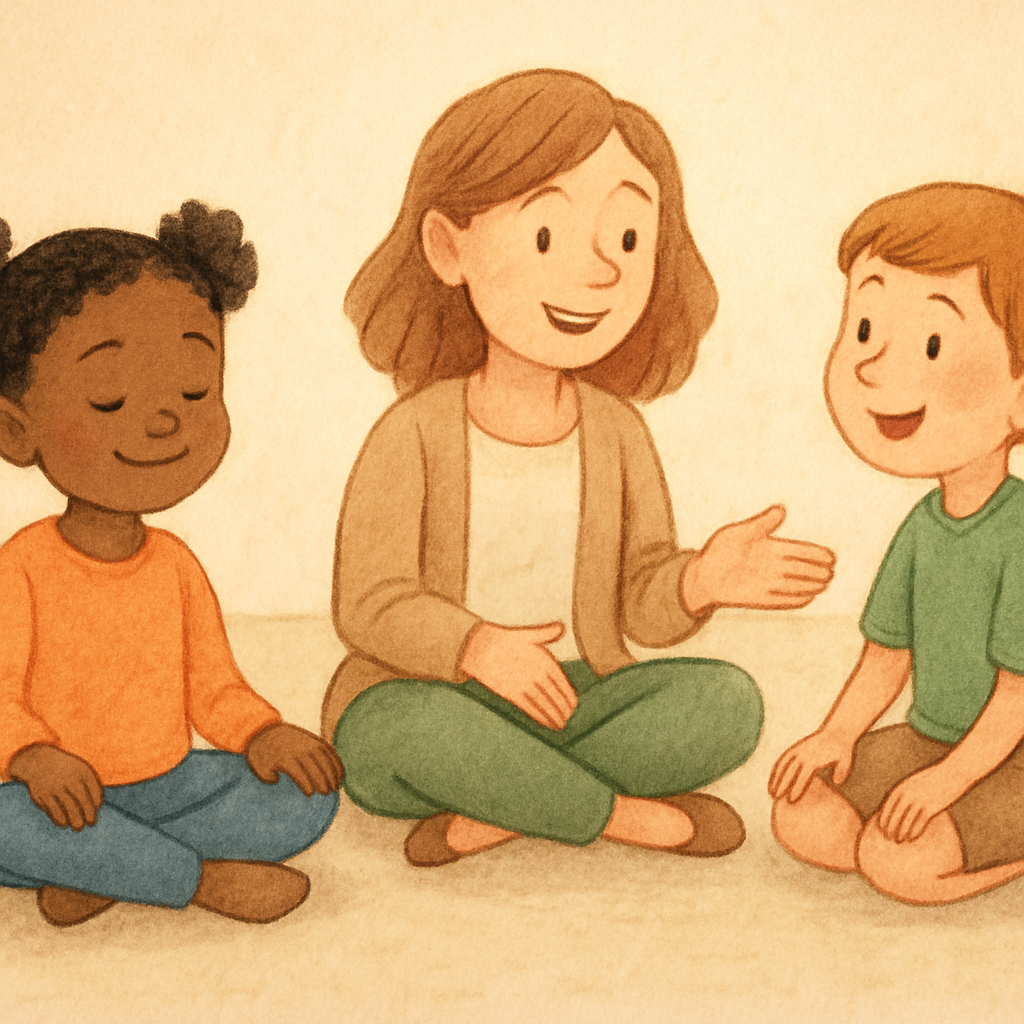
While behaviour therapy, including aversion therapy, is highly effective, it’s natural to wonder about any potential risks or side effects. Sometimes, the process of confronting difficult behaviours or emotions can feel challenging and may bring up feelings of sadness or anger. However, there are important safeguards in place to ensure your therapy experience is safe and productive.
Ethical practice is a cornerstone of good therapy. Your therapist is there to support you through these challenges and emotional distress in a controlled and compassionate way. The following sections will discuss common concerns and the measures taken to ensure your well-being.
Common Concerns about Behaviour Therapy
One of the main concerns with behaviour therapy is the potential for emotional discomfort. Techniques like exposure therapy, which involve facing your fears and can include systematic desensitization, can temporarily increase anxiety. It’s important to remember that these feelings are a normal part of the process and are managed within a safe, therapeutic environment with your therapist's guidance.
Another consideration is that behaviour therapy requires consistency. For the strategies to be effective, they need to be applied regularly, which can be a commitment. This therapeutic approach sometimes highlights that a focus solely on behaviour might feel like it overlooks deeper emotional or historical factors. A skilled therapist will be mindful of this and integrate approaches that address the whole person.
Finally, while behaviour therapy works to replace maladaptive behaviours, it’s not a quick fix for all mental illness and health concerns. It may be part of a broader treatment plan that includes other therapeutic methods or medical support, ensuring a comprehensive approach to your well-being.
Ensuring Ethical Practice in Therapy
Ethical practice is the foundation of effective and safe behaviour modification therapy. Therapists are bound by professional codes of conduct that prioritize your well-being, confidentiality, and autonomy. One of the most important safeguards is the therapeutic alliance, which is the strong, collaborative relationship between you and your therapist. This trust is key to successful treatment.
Another ethical safeguard is the process of setting mutually agreed-upon goals, often a key aspect of Acceptance and Commitment Therapy (ACT). Your therapist will work with you to define what you want to achieve, ensuring that the treatment plan is aligned with your personal values and desires. You are an active participant in your own therapy, not a passive recipient.
To ensure ethical practice, therapists must adhere to several standards, including:
-
Maintaining professional licenses and engaging in ongoing education.
-
Clearly communicating the goals, methods, and potential challenges of therapy.
-
Respecting your right to make informed decisions about your mental health treatment.
Monitoring Progress and Adjusting Approaches
A key safeguard in behaviour therapy is the continuous monitoring of your progress and harmful behaviours. Your therapist will work with you to set clear, measurable goals from the beginning. This allows both of you to track changes and see what is working. This is often done through methods like behaviour analysis, where you might keep a log of your actions and feelings.
This ongoing evaluation is essential because it ensures your treatment plan remains effective and relevant to your needs, particularly in the context of emotional regulation. Therapy is not a one-size-fits-all process. If a particular strategy isn't yielding the desired results, your therapist can adjust the approach. This flexibility is crucial for navigating any challenges that arise.
Monitoring progress also empowers you. Seeing tangible improvements in your behaviour and well-being can be incredibly motivating and helps build confidence in your ability to make lasting changes, especially in contexts such as those involving traumatic stress disorder. It transforms the therapy process into a collaborative journey toward your goals.
Integrating Social Skills Training into Everyday Life
The real magic of social skills training happens when you take the new skills you've learned and apply them to your daily life. Dialectical behaviour therapy (DBT) therapy sessions provide the foundation, but practicing these skills in real-world situations is what makes them stick. This integration is a critical part of skill development and ensures that your progress extends beyond the therapist's office.
Let's look at how you, your family, and your caregivers can work together to reinforce these new abilities and build your confidence in everyday social interactions.
Role of Families and Caregivers in Skill Reinforcement
Families and caregivers play a crucial role in reinforcing the social skills learned in therapy. Your home environment is a safe space to practice new behaviours, and having supportive people around you can make all the difference. One effective approach is Behavioural Parent Training (BPT), which equips parents with the tools to encourage and reward their child's progress in addressing behavioural issues.
Consistency is key. When everyone at home uses the same positive reinforcement techniques, it helps solidify the new skills. This might involve praising a child for sharing or using a calm tone during a disagreement. This consistent support helps bridge the gap between the therapy room and daily life.
Here are some ways families and caregivers can help with skill reinforcement:
-
Actively participate in therapy sessions when invited to learn the strategies.
-
Use positive reinforcement, like praise or small rewards, for using new social skills.
-
Model positive social behaviours in your own interactions.
Practical Tips for Applying Social Skills Learned in Therapy
Applying the social skills you've learned in therapy to your daily life is where you'll see the most growth through gradual exposure. It can feel a bit daunting at first, so starting small is a great strategy. If you've been working on starting conversations, you could begin by simply greeting a cashier at the store or a neighbor you see regularly.
Another practical tip is to create a plan for social situations you find challenging, incorporating elements of behavioural activation. Before attending a party, you could rehearse a few conversation starters. This preparation can reduce anxiety and make you feel more in control. Using a habit tracker to monitor your efforts can also be very motivating, as it gives you a visual record of your progress.
Here are a few more practical tips for the application of new skills:
-
Set a specific, achievable social goal for each week.
-
Practice relaxation techniques before entering a social situation.
-
Ask a trusted friend or family member for feedback on your interactions.
Building Confidence Outside of Therapy Sessions
As you apply your new social skills, you'll notice a natural boost in confidence. Every successful interaction, no matter how small, proves you can handle social situations. This is a key goal of cognitive therapy and behavioural therapy—improving not just behaviour but your overall quality of life.
Confidence creates a positive cycle: the more confident you feel, the more you engage socially. More engagement leads to more practice and even greater confidence, helping you reclaim areas of your life affected by social anxiety, negative thoughts, or uncertainty.
Be patient with yourself; lasting confidence takes time and practice. Celebrate your progress and view setbacks as learning opportunities. Every step forward outside therapy moves you closer to a more connected, fulfilling life.
Conclusion
In conclusion, behaviour therapy offers invaluable techniques and support for individuals looking to enhance their social skills. By employing methods such as modeling, reinforcement, and positive behaviour support to encourage desirable behaviours, therapy can pave the way for meaningful interactions and improved confidence in social settings. The integration of these skills into daily life is essential, and with the right guidance, families and caregivers can play a crucial role in reinforcing these behaviours outside of therapy sessions. If you’re ready to take the next step toward fostering better social connections, reach out to a qualified behaviour therapist today. Each small step you take can lead to significant improvements in your social interactions and overall mental well-being.
If you’re ready to take the next step, consider reaching out for a consultation or call daar at 02 9133 2500 to reach out to a qualified behaviour therapist today.
Frequently Asked Questions
Is behaviour therapy effective for improving social skills in both children and adults?
Yes, behaviour therapy is highly effective for improving social skills across all ages. For children, techniques like play therapy and Behavioural Parent Training are common, while adults can benefit from methods like cognitive behavioural therapy and exposure therapy to address social anxiety and specific phobias, as well as other mental health conditions.
What types of social behaviour disorders can benefit from behaviour therapy?
Behaviour therapy can help with a wide range of social behaviour disorders and mental health disorders, including substance abuse. It is particularly effective for individuals with autism spectrum disorder, social anxiety, ADHD, phobias, and other conditions where maladaptive behaviours impact social functioning. The therapy provides tools to build more positive interaction styles.
How do I find and choose a qualified behaviour therapist in Australia?
To find a qualified behaviour therapist in Australia, start by asking your GP for a referral or checking online directories from professional bodies like the Australian Psychological Society. When choosing, verify their qualifications, ask about their experience with the different types of therapy for your specific concerns, and ensure you feel comfortable with their approach to mental health treatment.
.svg)




.svg)