
.png?width=48&height=48&name=Group%201%20(3).png)























30 December, 2025

Socialised Behaviour Therapy: Techniques and Tips
Introduction
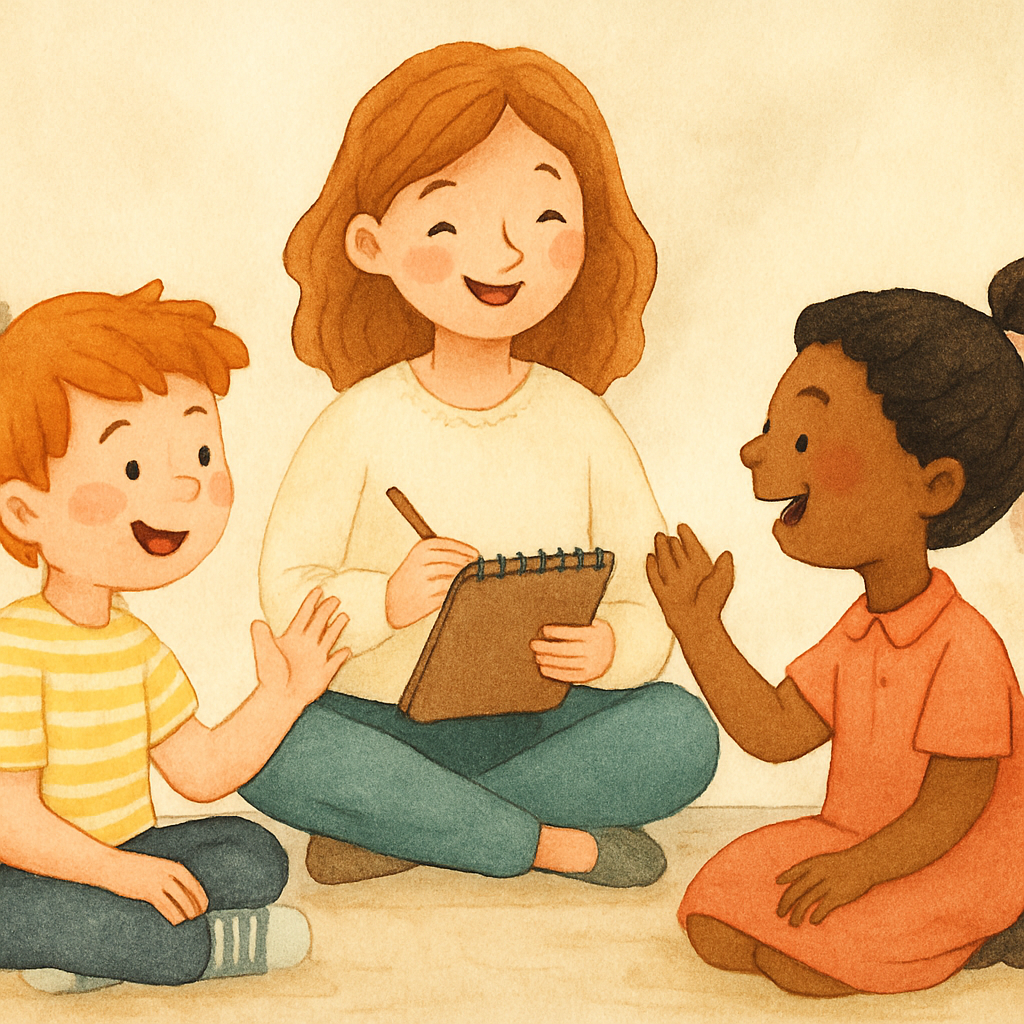
Navigating social situations can sometimes feel challenging, but what if you could learn the skills to interact with more confidence and ease? Socialised behaviour therapy offers a focused and effective way to do just that. As a type of behavioural therapy, it provides practical tools and techniques to enhance your social abilities. This approach not only helps you build better relationships but also supports your overall mental health, empowering you to connect with others more meaningfully.
Key Highlights
-
Socialised behaviour therapy is a practical approach to improving social skills and confidence in various settings.
-
This form of behavioural therapy uses techniques like role-playing and corrective feedback to help you practice new abilities.
-
A core principle is positive reinforcement, which rewards improvements and encourages continued progress for effective results.
-
It is often used as part of a comprehensive treatment plan to support mental health and well-being.
-
The therapy can help with social anxiety, communication challenges, and building assertiveness.
Understanding Socialised Behaviour Therapy
Socialised behaviour therapy is a type of treatment that focuses on improving your social interactions. It operates on the principle that behaviours are learned and, therefore, can be changed or improved with the right guidance and practice. This approach is a branch of behaviour therapy and shares some elements with cognitive behavioural therapy.
The main goal is to identify specific social challenges and develop practical skills to overcome them, ultimately boosting your confidence and mental health. In the sections ahead, we will explore its definition, core principles, and how it stands apart from other therapies.
Defining Socialised Behaviour Therapy
At its core, socialised behaviour therapy is a clinical psychotherapy that uses techniques derived from behaviourism. It looks at specific, learned behaviours and how your environment influences them. Instead of focusing on deep-seated psychological issues, this therapy targets observable actions and provides strategies to modify them in a positive way.
This type of behavioural therapy is designed to improve social skills in individuals with mental health conditions or developmental disabilities. Therapists use it to help people manage anxiety disorders, mood disorders, and other diagnoses that impact social functioning. It is often delivered in one-on-one or group settings, providing a structured environment for learning.
The therapy helps you build confidence in social settings by breaking down complex interactions into manageable steps. By practicing these new skills, you can improve your ability to communicate and connect with others, leading to better overall mental health.
Main Principles and Approach
The foundation of this therapy lies in established learning theories. It draws heavily from the social learning theory, which suggests that people learn by observing others. It also incorporates principles of behaviour analysis and operant conditioning, which use reinforcement to encourage desired behaviours.
The approach assumes that behaviours associated with psychological problems, including various mental disorders, are developed through the same learning processes as any other behaviour. Therefore, a therapist's job is to help you "unlearn" maladaptive behaviours and replace them with more effective ones. This is achieved through structured exercises and real-world practice.
By understanding how behaviours are learned and maintained, therapists can create a tailored plan to address your specific challenges. This focus on functional, observable change is what makes the therapy a practical tool for improving social competence.
How It Differs from Other Behaviour Therapies
While socialised behaviour therapy shares roots with other treatments, its focus is distinct. Many therapies, like cognitive behavioural therapy (CBT), concentrate on changing negative thought patterns to influence behaviour. In contrast, socialised behaviour therapy often places a stronger emphasis on modifying the behaviour itself through practice and reinforcement.
Other approaches, such as rational emotive behaviour therapy, also target irrational beliefs. While there is overlap, the primary tool in socialised behaviour therapy is the direct teaching and rehearsal of social skills. It is less about internal cognitive restructuring and more about external behavioural competence. Cognitive therapy helps you manage competing thoughts, whereas this approach tackles the actions directly.
Here is a simple comparison of a few behavioural therapy techniques:
|
Therapy Type |
Primary Focus |
|---|---|
|
Socialised Behaviour Therapy |
Directly improving observable social skills and behaviours through practice and reinforcement. |
|
Cognitive Behavioural Therapy (CBT) |
Identifying and changing negative or unhelpful thought patterns and beliefs that influence behaviour. |
|
Rational Emotive Behaviour Therapy (REBT) |
Challenging irrational beliefs and replacing them with more rational, adaptive ones. |
Core Techniques in Socialised Behaviour Therapy
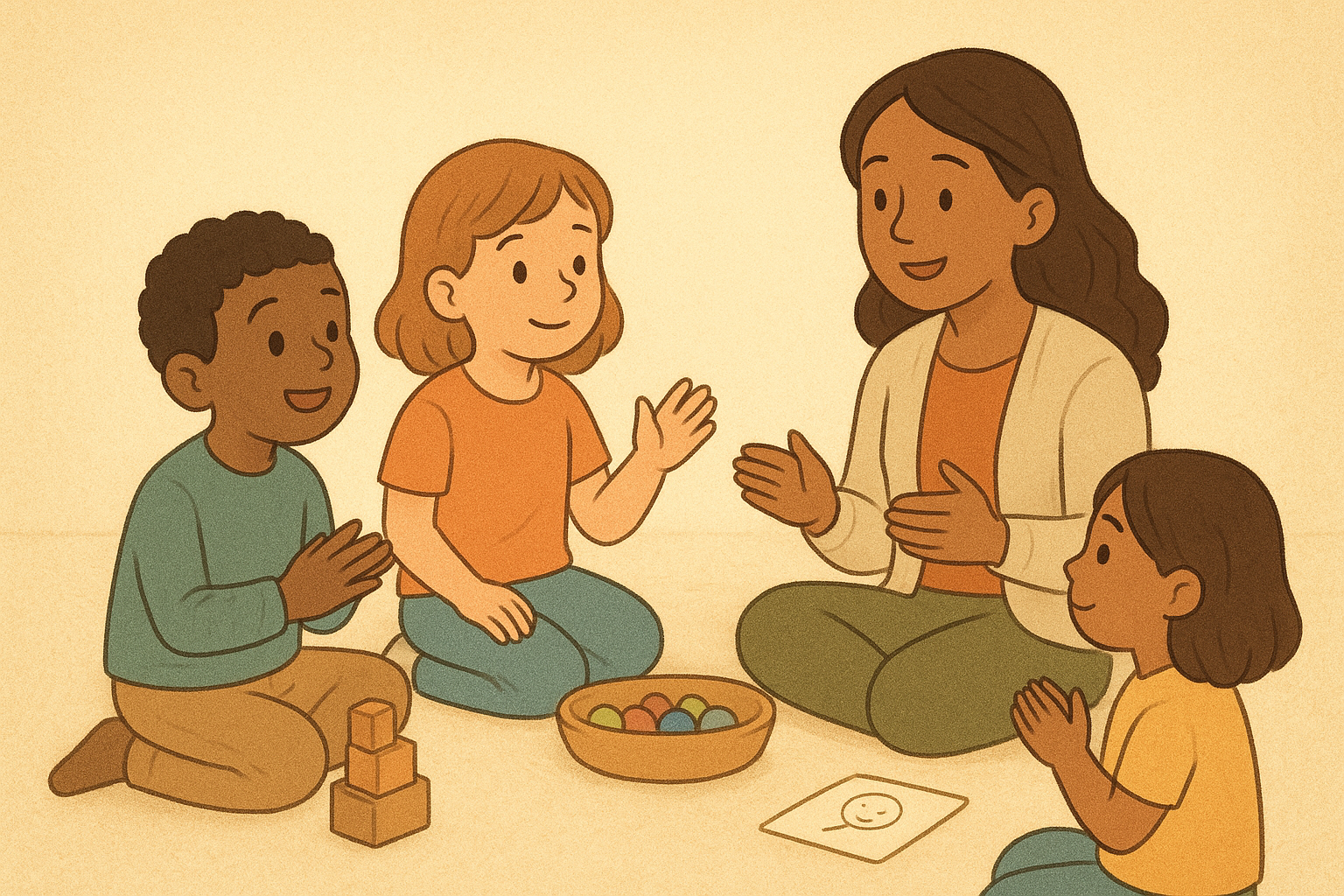
To help you build confidence and competence, socialised behaviour therapy employs several core techniques. Social skills training is a fundamental component, where you actively practice and rehearse different social scenarios in a safe environment. This structured approach helps you learn and master new skills.
Another key element is the use of positive reinforcement, which rewards your progress and motivates you to keep improving. Through careful behaviour analysis, a therapist identifies which behaviours to target and how to best support your growth. The following sections will explore some of these powerful techniques in more detail.
Functional Analytic Behaviour Therapy
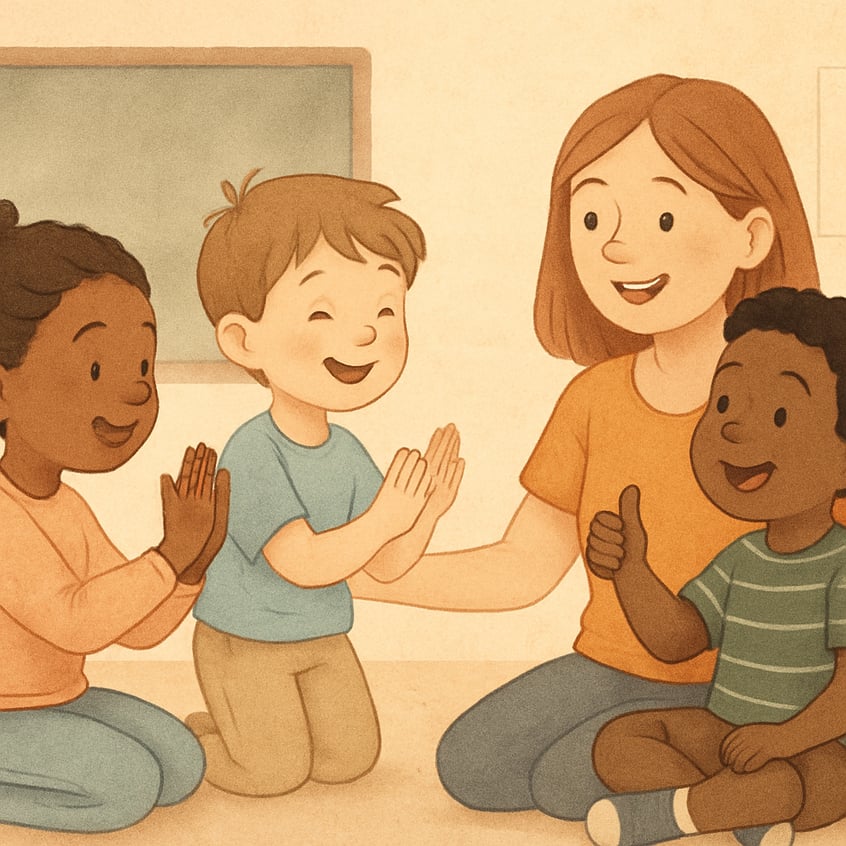
One specific form of this treatment is Functional Analytic Psychotherapy (FAP). This approach is unique because it focuses heavily on the therapeutic relationship itself as a tool for change. Your therapist pays close attention to how you interact during sessions and uses these moments as opportunities for growth.
FAP involves a detailed functional assessment of your behaviour in the moment. Instead of just talking about social challenges, you and your therapist actively work on them as they arise in your conversations. The therapist provides immediate reinforcement for positive social behaviours, helping to shape your interactions in real time.
While it considers cognitive processes, FAP is a type of behaviour therapy that emphasizes the direct, functional impact of your actions. It is a powerful way to create intense and curative therapeutic relationships that foster genuine behavioural change.
Social Skills Training Activities
Social skills training (SST) is a hands-on and effective way to improve how you handle different social situations. It begins with an assessment to pinpoint which social skills you find most challenging. Then, your therapist introduces techniques to help you make improvements one step at a time.
Complex behaviours, like carrying on a conversation, are broken down into smaller, more manageable parts. This might include learning how to introduce yourself, make small talk, or exit a conversation gracefully. Practice often involves a form of exposure therapy, where you face social scenarios in a controlled way to reduce anxiety.
Key SST activities include:
-
Behavioural rehearsal (role-playing) to practice new skills in simulated situations.
-
Corrective feedback from the therapist to help you refine your approach.
-
Instruction and modeling, where the therapist demonstrates appropriate behaviours.
-
Homework assignments to practice your skills in real-world settings.
Positive Reinforcement and Feedback
A cornerstone of socialised behaviour therapy is positive reinforcement. This principle, drawn from operant conditioning, involves rewarding desired behaviou-
.rs to increase the likelihood they will happen again. When you successfully use a new social skill, your behaviour therapist will offer praise or another form of reward.
This feedback is crucial for building motivation and confidence. Instead of focusing on mistakes, the emphasis is on what you are doing right. This helps create a supportive and encouraging environment where you feel safe to try new things without fear of failure. The goal is to make positive changes feel rewarding.
Over time, this consistent reinforcement helps solidify new habits. You begin to associate positive feelings with social interactions, which naturally reduces anxiety and encourages you to engage more with others.
Targeted Social Skills for Improvement
Socialised behaviour therapy can help you develop a wide range of social skills, making a significant difference for anyone struggling with social anxiety disorder or a social phobia. The process often involves social learning, where you observe and imitate effective social behaviours, which can feel like a form of cognitive restructuring for your social habits.
By breaking down social interactions into learnable components, this therapy empowers you to build confidence in specific areas. The following sections will cover some of the key skills you can work on, including communication, assertiveness, and emotional regulation.
Communication Skills Enhancement
Improving your communication skills is a primary goal of this therapy. This includes both verbal and nonverbal communication. You might work on the art of conversation, learning how to start chats, ask engaging questions, and talk about yourself without feeling uncomfortable. This is especially helpful for those with mental health problems who find it hard to connect.
A major focus is on active listening. This technique involves paying close attention to what the other person is saying, asking clarifying questions, and reflecting on their words. Practicing active listening helps you focus more on others and less on your own anxiety, making the other person feel heard and valued.
You will also learn about body language. People with social anxiety often have "closed" body language that can seem unapproachable. Therapy can help you adopt more open and friendly nonverbal cues, which can completely change how others perceive you.
Building Assertiveness and Confidence
Assertiveness is the skill of balancing your needs with the needs of others. If you have social anxiety disorder, you might have a tendency to defer to others, which can feel uncomfortable. Socialised behaviour therapy helps you learn to express your own thoughts and needs respectfully and confidently.
Working on assertiveness helps you challenge negative thoughts that tell you your opinion does not matter. As you practice standing up for yourself in a calm and positive way, you will likely notice a reduction in your anxiety levels. This leads to more balanced and comfortable relationships with those around you.
Achieving effective results in this area can lead to:
-
Reduced anxiety in social and professional situations.
-
More honest and open relationships with others.
Emotional Regulation in Social Contexts
Emotional regulation is the ability to manage your feelings in a healthy way, which is vital for successful social interactions. For individuals with certain mental illness diagnoses or behavioural challenges, emotions like anxiety or frustration can become overwhelming in social settings and lead to negative consequences.
Socialised behaviour therapy provides practical strategies to recognize and manage these emotions. You can learn to identify emotional triggers and develop coping mechanisms to handle challenging situations more effectively. This might include breathing exercises, mindfulness techniques, or learning to reframe your thoughts about a situation.
By improving your ability to regulate emotions, you can prevent outbursts, reduce meltdowns, and foster more positive interpersonal relationships. This skill is particularly beneficial for children with social behaviour disorders, as it gives them alternative ways to express themselves without resorting to disruptive actions.
What to Expect in a Socialised Behaviour Therapy Session
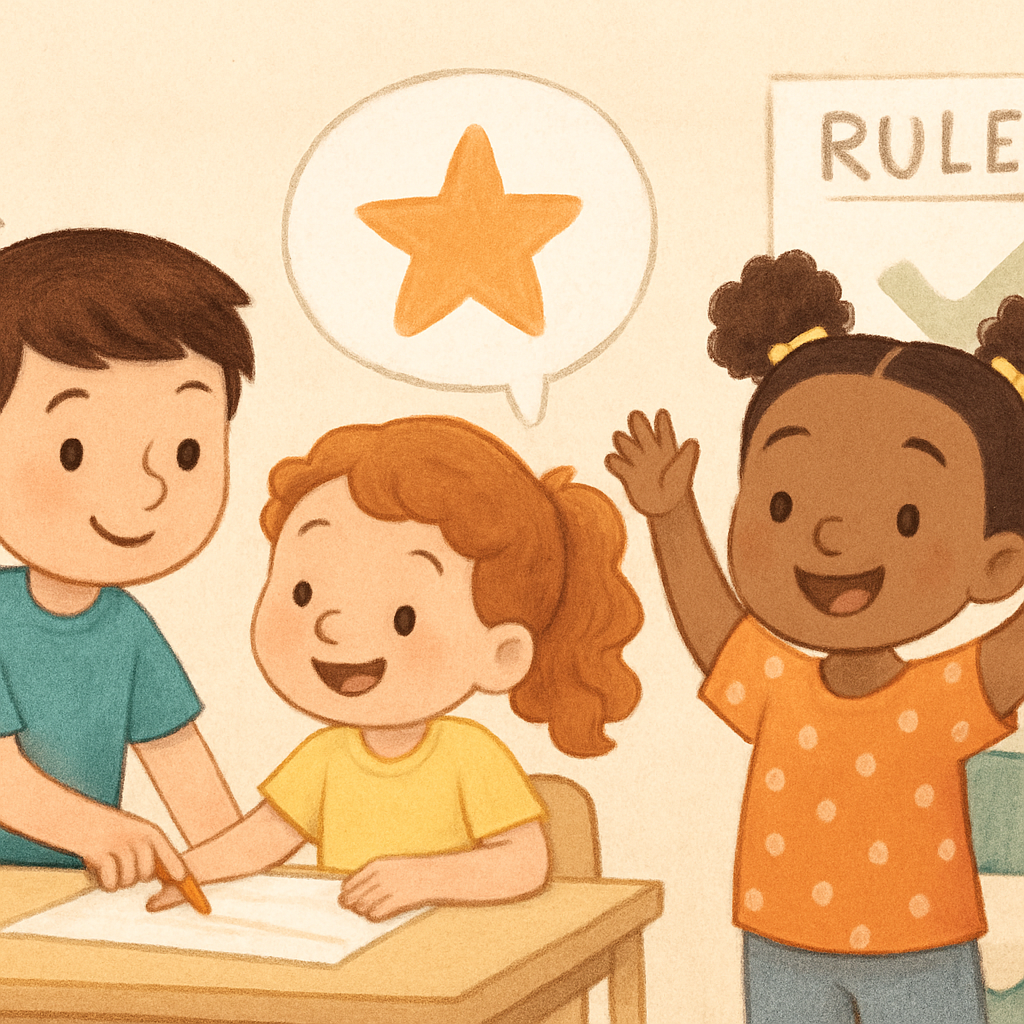
Starting socialised behaviour therapy is a proactive step toward positive change. You can expect to work collaboratively with a therapist or social worker to create a customized treatment plan tailored to your specific goals. This partnership is built on trust and ongoing support.
The journey is a structured one, designed to produce effective results by breaking down goals into achievable steps. The following sections will give you a clearer picture of a typical session, the role of family, and how individual goals are set and tracked.
Typical Session Structure
A typical behaviour therapy session is structured and goal-oriented. It usually begins with an assessment to gather information about your behaviour and identify problematic areas. The therapist may ask you which social interactions you find most challenging to establish a baseline and set clear individual goals.
Once targets are identified, the session moves into the skill-building phase. Your therapist will describe a specific skill, model it for you, and then have you practice it through role-playing. This hands-on approach allows you to rehearse new behaviours in a supportive environment before trying them in the real world.
Each session builds upon the last, with feedback and reinforcement provided along the way. Your progress is tracked to ensure the therapy is effective and to make any necessary adjustments. This focus on measurable improvement is key to boosting your mental health and social confidence.
Parent and Family Involvement
Family support is a critical component of successful therapy, especially for children. Parent involvement is not just encouraged; it is often essential. Therapists collaborate closely with families to ensure a holistic approach, where skills learned in sessions are reinforced at home.
During sessions, parents may receive guidance and training from the behaviour therapist on how to implement strategies in daily life. This ongoing support empowers families to create a consistent and encouraging environment for their child's development. This teamwork between the family and health services ensures everyone is working toward the same goals.
By actively participating, families can help reduce challenging behaviours and foster a more harmonious home life. This collaborative effort makes a profound difference in a child's ability to generalize new skills to various settings, including school and the community.
Setting Individual Goals
A key to the success of this therapy is its focus on setting clear, achievable individual goals. The process is highly personalized, beginning with a thorough assessment by a behaviour therapist. This may involve direct observation, interviews, and questionnaires to understand your unique strengths and challenges.
Using behaviour analysis, the therapist identifies specific target behaviours that need improvement. These could range from making eye contact to initiating conversations or managing frustration. The goals are broken down into small, manageable steps to ensure you do not feel overwhelmed.
This customized treatment plan serves as a roadmap for your therapy journey. As you achieve each small goal, your confidence grows, motivating you to tackle the next challenge. This gradual, step-by-step process ensures that the progress you make is sustainable and meaningful.
Conclusion
In conclusion, Socialised Behaviour Therapy offers a powerful approach to enhancing social skills and emotional regulation. By understanding its core techniques, such as Functional Analytic Behaviour Therapy and social skills training, individuals can build confidence and improve communication in various contexts. Engaging families and setting personalized goals during therapy sessions further enriches the experience, leading to meaningful progress. Remember, seeking help is a sign of strength, and everyone deserves support in their journey toward better mental health. If you’re ready to take the next step, consider reaching out for a consultation to explore how socialised behaviour therapy can benefit you or your loved ones.
If you’re ready to take the next step, consider reaching out for a consultation or call daar at 02 9133 2500 to explore how socialised behaviour therapy can benefit you or your loved ones.
Frequently Asked Questions
How long does it take to see results with socialised behaviour therapy?
The timeline for seeing effective results with socialised behaviour therapy varies for each person. Progress depends on the individual's treatment plan, the complexity of the goals, and the consistency of practice. While it is not a quick fix, many people start noticing positive changes in their mental health and social confidence within a few months of starting behaviour therapy.
What makes socialised behaviour therapy suitable for children?
Socialised behaviour therapy is highly suitable for children, especially those with autism spectrum disorder or social behaviour disorders, because it is structured and action-oriented. It uses play-based activities and positive reinforcement to teach essential social skills and manage challenging behaviours, making the learning process engaging and effective for young minds.
Are there specialized socialised behaviour therapy services available in Australia?
Yes, specialized health services for behaviour therapy are available across Australia. Professionals in clinical psychology and trained social workers offer these programs. For children with disabilities, funding may be available through the National Disability Insurance Scheme (NDIS) to cover the cost of therapy, making it accessible to many families.
.svg)




.svg)