
.png?width=48&height=48&name=Group%201%20(3).png)























29 January, 2026

Understanding Positive Behaviour Support for Kids Explained
Introduction
Navigating childhood can be full of ups and downs, and sometimes, behaviours can be challenging for both kids and their families. What if there was a way to understand what’s behind these actions and foster growth instead of just reacting? Positive behaviour support offers a compassionate and effective framework to do just that. It's an approach that looks deeper than the behaviour itself, focusing on creating lasting positive change and improving your child's overall quality of life.
Key Highlights
- Positive behaviour support is a person-centered approach that aims to understand the reasons behind challenging behaviours. There are several common myths about positive behaviour support for children, such as the belief that it simply rewards good behaviour or overlooks serious issues. In reality, it focuses on improving a child's quality of life by teaching new skills and creating a supportive environment, rather than just managing behaviour on a surface level. Positive behaviour support addresses the root causes of challenging behaviours, promotes lasting change, and encourages the development of positive behaviour through practical strategies.
- It focuses on improving a child's quality of life by teaching new skills and creating a supportive environment.
- A key component is the behaviour support plan, which outlines personalized strategies for the child and their support network.
- Unlike traditional discipline, it uses positive reinforcement to encourage desirable actions rather than punishment.
- This approach helps reduce or eliminate behaviours of concern by addressing their underlying function.
Defining Positive Behaviour Support for Kids
Positive behaviour support (PBS) is a framework that focuses on understanding why a child might be displaying a behaviour of concern. Instead of simply trying to stop the action, PBS seeks to identify its purpose. Is your child trying to communicate something? Are they feeling overwhelmed or anxious? By figuring out the "why," we can find more effective ways to help them. This approach recognizes that every child is unique and requires an individualized strategy.
The core idea is not to punish but to support. This involves making changes to the child's environment to make it more accommodating and teaching them new skills to better express their needs. A behaviour of concern is often a sign of an unmet need. PBS works to create a supportive environment where your child feels understood and has better tools to communicate, manage emotions, and interact with others, ultimately making the challenging behaviour unnecessary. Let's explore how this differs from other methods and the principles that guide it.
How Positive Behaviour Support Differs from Traditional Discipline
Unlike traditional discipline, which often focuses on consequences after a behaviour has occurred, positive behaviour support takes a proactive stance. It aims to prevent challenging behaviours before they start.
The focus shifts from punishment to understanding. Instead of asking, "How do I stop this behaviour?" the question becomes, "What is this behaviour communicating?" This leads to creating a behaviour support plan that addresses the root cause.
This plan uses strategies like positive reinforcement, where desired behaviours are acknowledged and rewarded. The goal is to teach the child alternative, more appropriate ways to get their needs met, fostering genuine skill development rather than temporary compliance.
The Role of Evidence-Based Behaviour Therapy
Positive behaviour support is not based on guesswork; it is an evidence-based framework. It draws heavily on the principles of behaviour analysis to create strategies that are proven to be effective.
This means that a practitioner will systematically gather information to understand the factors contributing to challenging behaviours. This assessment process is a key part of the behaviour therapy approach, ensuring interventions are targeted and data driven.
By using an evidence-based method, the behaviour support provided is more likely to be successful. It ensures that the strategies implemented are not only compassionate but also effective in reducing behaviours of concern and helping your child learn new skills.
Key Principles Guiding Positive Behaviour Support
At its heart, positive behaviour support is guided by a commitment to improving a person's quality of life. It’s a person-centered approach that honors the individual's unique needs, preferences, and goals. The focus is always on creating a better, more fulfilling life for the child, not just managing their actions.
To achieve this, a collaborative behaviour support plan is developed. This plan outlines practical strategies to encourage positive behaviour and is shared with everyone in the child's life to ensure consistency. The following sections will cover some of these guiding principles in more detail.
Prevention and Proactive Approaches
A major principle of positive behaviour support is its focus on prevention. Rather than waiting for a challenging behaviour to happen, a proactive approach seeks to create conditions where it is less likely to occur. This means looking at the environment and routines around the child.
This could involve modifying the physical surroundings, adjusting daily schedules, or providing clear visual cues to help with transitions. Creating a predictable and supportive environment can significantly reduce stress and anxiety, which are often triggers for behaviours of concern. The goal is to set the child up for success from the start.
Some proactive strategies include:
- Establishing clear and predictable classroom or home routines.
- Using simple reminders about behavioural expectations before an activity.
- Creating structured and engaging activities to minimize idle time.
Individualization and Person-Centered Practice
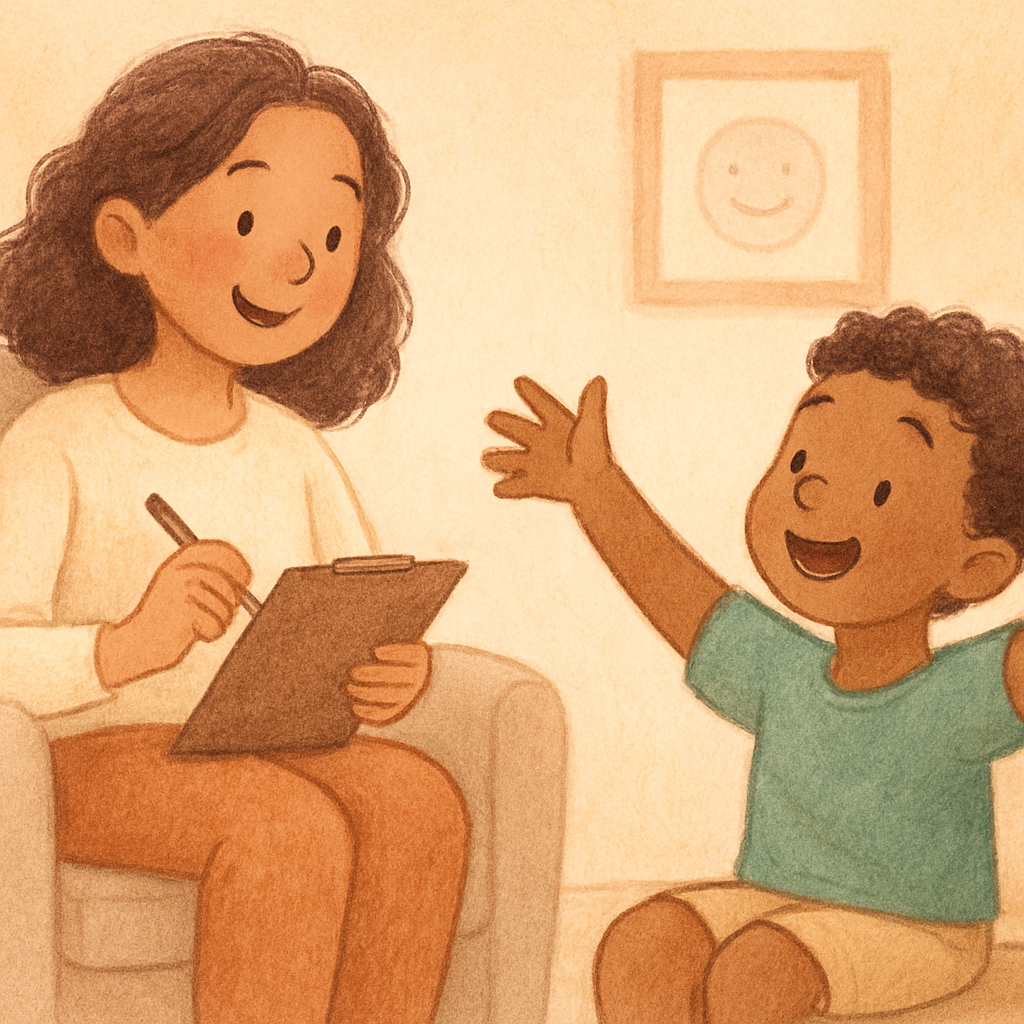
Positive behaviour support is not a one-size-fits-all solution. A core principle is that every intervention must be tailored to the individual’s unique needs, strengths, and preferences. This is known as a person-centered practice.
This means that behaviour support practitioners work closely with the child, their family, and their support network. They collaborate to understand the child's goals and what a good quality of life looks like for them.
The resulting support plan is highly personalized. It is built around the child, ensuring that the strategies are relevant, respectful, and meaningful to them. This collaborative process places the child at the center of all decision-making.
Supporting Kids with Challenging Behaviours Through PBS
When a child displays challenging behaviours, it can be stressful for everyone. Positive behaviour support offers a constructive path forward by shifting the focus from control to connection and understanding. It provides a framework for responding to these behaviours in a way that promotes learning and emotional well-being.
Through a well-designed behaviour support plan, families and educators are equipped with consistent PBS strategies. These strategies help replace challenging behaviours with positive alternatives, empowering the child to communicate their needs more effectively. Let's look at how this process works.
Understanding the Function Behind Challenging Behaviours
A foundational concept in PBS is that all behaviour serves a purpose. A child isn't being "bad"; they are trying to achieve something. This purpose is called the "function" of the behaviour. Understanding this function is the first step to providing effective support.
To uncover this, practitioners often use a functional behavioural assessment (FBA). This systematic process involves observing the child and collecting information about what happens before, during, and after the behaviour of concern. It considers environmental factors and communication difficulties to pinpoint the underlying reason for the action.
By understanding what the child is trying to gain or avoid, we can teach them a better way to achieve it.
|
Behaviour |
Possible Function (The "Why") |
|---|---|
|
Aggressive behaviour at school |
To be sent home and reconnect with a parent to reduce separation anxiety. |
|
Refusing to participate in a group activity |
To avoid a sensory-overwhelming or socially anxious situation. |
|
Throwing objects |
To communicate frustration or a need that they cannot express with words. |
Tailoring Interventions Using Behaviour Therapy
Once the function of a behaviour is understood, the next step is to create tailored interventions. These strategies are a form of behaviour therapy and become part of the positive behaviour support plan. They are designed to make the challenging behaviour inefficient and ineffective.
For example, if a child's behaviour is driven by a need to escape a difficult task, the intervention might involve teaching them how to ask for a break. If the behaviour is a cry for attention, the plan might include strategies for giving them positive attention at regular intervals.
These interventions are always designed around the individual's needs. The goal is to build new skills—like communication, social interaction, or emotional regulation—so the child has better ways to navigate their world without resorting to challenging behaviours.
Conclusion
In summary, Positive Behaviour Support (PBS) is a compassionate approach that prioritizes understanding and addressing the needs of children who exhibit challenging behaviours. By focusing on prevention, individualization, and evidence-based strategies, PBS empowers both kids and caregivers to foster positive change. Implementing these practices not only enhances children's behavioural skills but also nurtures a supportive environment conducive to their overall development.
If you're ready to take the first step in supporting your child through PBS, reach out for a consultation or call daar at 02 9133 2500 to explore how tailored strategies can make a difference in your family’s journey.
Frequently Asked Questions
How can parents start using positive behaviour support at home?
Parents can start by observing their child to understand the reasons behind their behaviour. Working with a professional to create a support plan can provide clear behaviour support strategies. Using consistent positive reinforcement for desired actions helps build new skills and improves the whole family’s quality of life.
What is the role of schools in delivering positive behaviour support?
Schools play a vital role by creating a supportive environment with clear, positive expectations for all students. They often partner with families and a behaviour support practitioner to develop and implement a consistent behaviour support plan, ensuring the student receives the right support services to succeed academically and socially.
Where can families find professional positive behaviour support services in Australia?
Families can access professional behaviour support services through registered providers funded by the National Disability Insurance Scheme (NDIS). These support services often provide a team of specialists, including behaviour support practitioners and occupational therapists, who can develop a tailored plan to meet your child's specific needs.
.svg)




.svg)